
In the high-stakes world of commercial construction, where project budgets often reach into the hundreds of millions and timelines span years, financial security is the bedrock of every successful venture. For project owners, developers, and investors, the primary risk is not just a delay in timeline, but the financial ruin that follows a contractor’s failure to deliver. This is where the performance bond enters the equation.
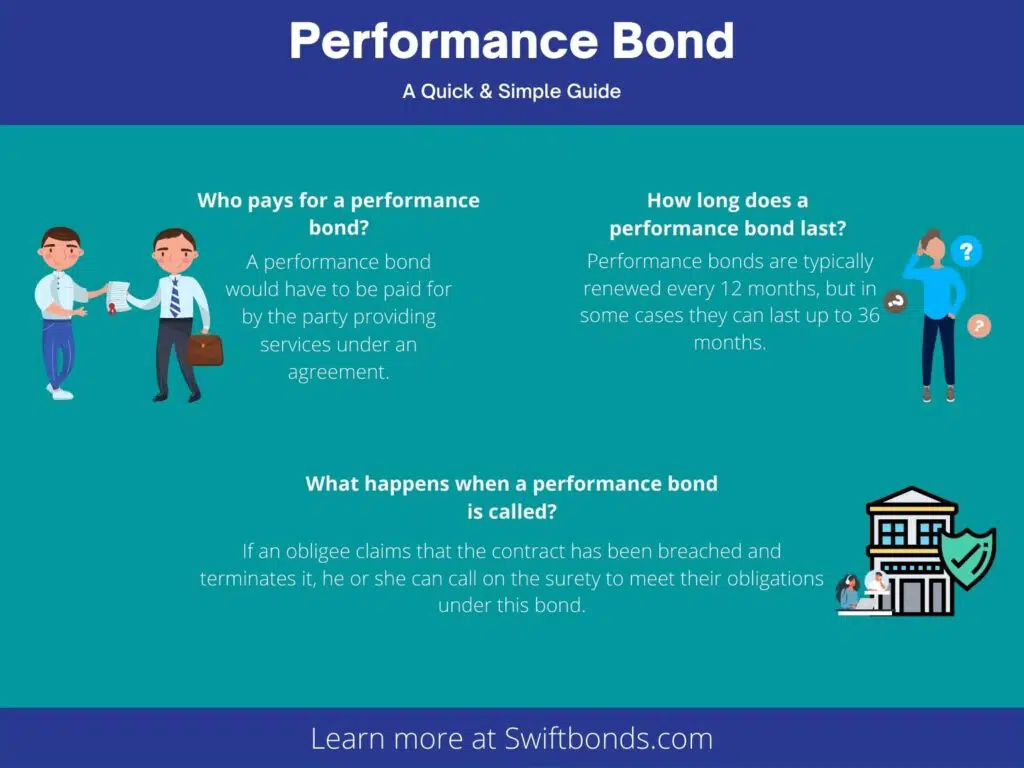
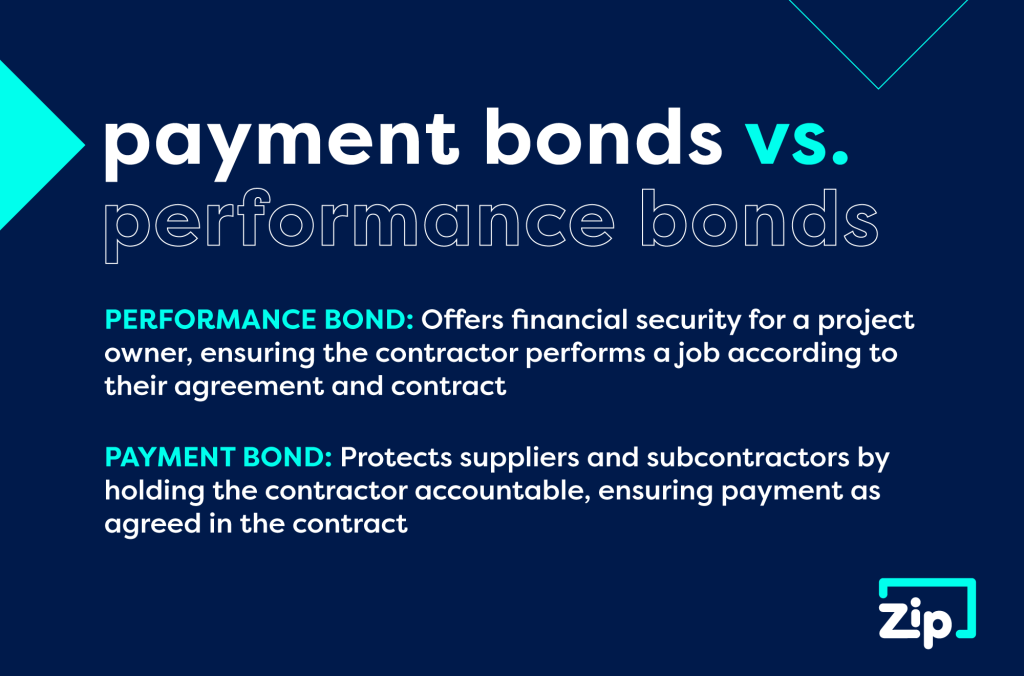
A performance bond is a specialized financial instrument—a tripartite surety agreement—that guarantees a contractor will complete a project according to the terms and conditions outlined in the contract. Within the “Money” niche, understanding performance bonds is essential for anyone involved in business finance, real estate investment, or corporate risk management. It is more than just a piece of paper; it is a critical tool for capital preservation and credit enhancement.
The Mechanics of Performance Bonds: A Tripartite Financial Agreement
At its core, a performance bond is not an insurance policy, though it is often mistaken for one. In the realm of business finance, it is a form of credit enhancement. To understand how it functions, one must look at the three distinct parties involved in the transaction and the financial obligations they hold toward one another.
The Three-Party Structure
The performance bond involves the Principal, the Obligee, and the Surety.
- The Principal (The Contractor): This is the party performing the work. They are required to purchase the bond to provide a financial guarantee to the project owner.
- The Obligee (The Project Owner): Usually a government agency or a private developer, the obligee is the beneficiary of the bond. They are protected against financial loss should the contractor default.
- The Surety (The Financial Institution): This is typically a specialized insurance company or a bank that provides the bond. The surety conducts a rigorous financial audit of the contractor before issuing the bond, effectively “vouching” for the contractor’s solvency and technical capability.
Performance Bonds vs. Traditional Insurance
While both mitigate risk, the financial mechanics differ significantly. In traditional insurance, the insurer expects to pay out losses and covers these via premiums (a risk-pooling model). In a performance bond, the surety operates more like a lender. The bond is issued based on the assumption that there will be no loss. If a claim is made and the surety pays the obligee, the surety has the legal right to seek full reimbursement from the contractor (the principal) through an indemnity agreement. This makes the performance bond a powerful tool for financial accountability.
The Role of the Indemnity Agreement
The “Money” aspect of a performance bond is most evident in the indemnity agreement. Before a surety issues a bond, the contractor’s principals often have to sign personal and corporate guarantees. This means that if the contractor fails to perform and the surety has to step in financially, the surety can seize the contractor’s corporate assets and, in many cases, personal assets to recover the loss. This ensures that the contractor has “skin in the game,” aligning their financial interests with the successful completion of the project.
The Financial Impact on Construction Stakeholders and Capital Allocation
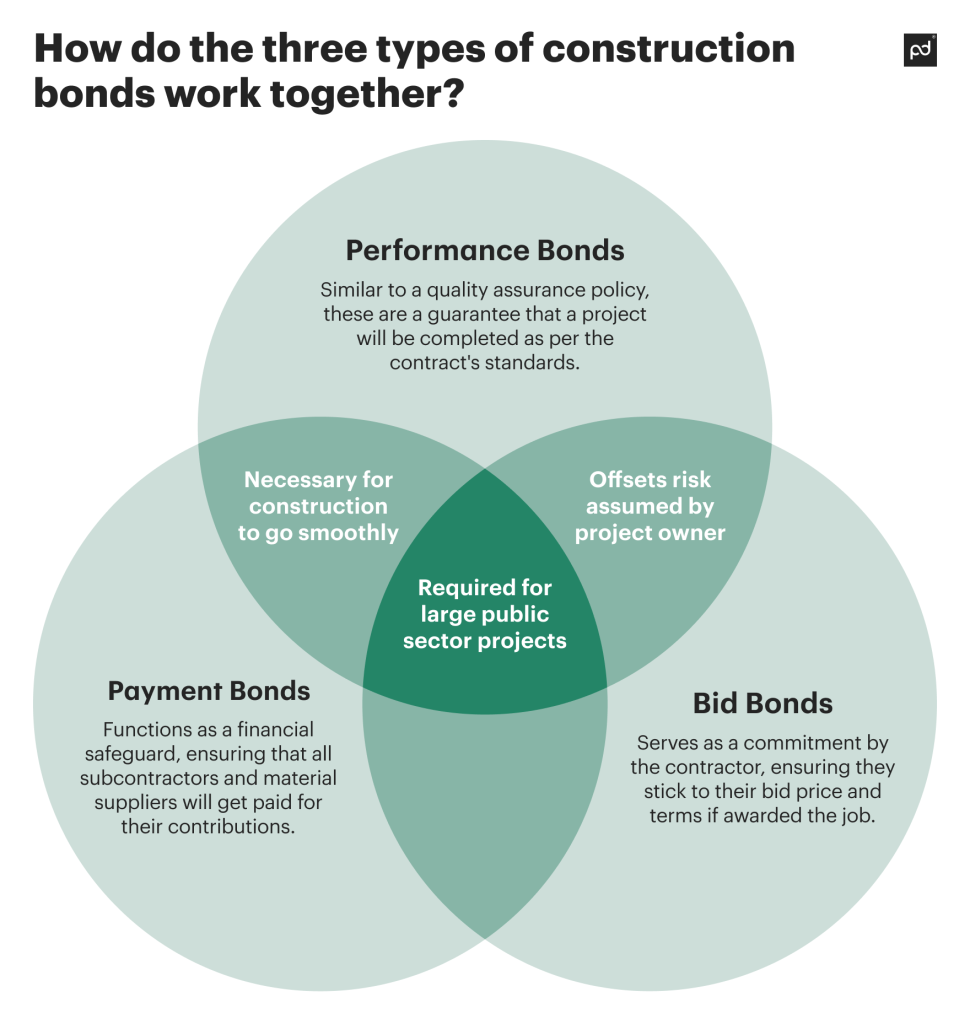
For investors and developers, the performance bond is a fundamental component of project financing. Lenders—such as commercial banks providing construction loans—rarely release funds unless performance and payment bonds are in place. This is because the bond protects the collateral (the project) that secures the loan.
Protecting the Project Owner’s Capital
If a contractor goes bankrupt mid-project, the financial fallout is catastrophic. Finding a new contractor to take over a partially completed site is significantly more expensive than starting from scratch. A performance bond ensures that the surety either provides the funds to complete the project or finds a replacement contractor to finish the work at no additional cost to the owner. This stabilizes the project’s Net Present Value (NPV) and protects the owner’s Internal Rate of Return (IRR) from being eroded by unforeseen defaults.
Enhancing Contractor Liquidity and Credit Capacity
From the contractor’s perspective, the ability to secure a performance bond is a badge of financial health. It signals to the market that a third-party financial institution has vetted their balance sheet, cash flow, and track record. Furthermore, using a bond is often more capital-efficient than the alternative: a Letter of Credit (LOC). While an LOC typically ties up a contractor’s credit line or requires cash collateral, a performance bond is off-balance-sheet financing. This allows the contractor to maintain greater liquidity and use their bank lines for operating capital or equipment purchases.
Risk Mitigation in Public and Private Sector Investing
In public works, the Miller Act (and various “Little Miller Acts” at the state level) makes performance bonds a legal requirement for most government contracts. For the taxpayer, this ensures that public funds are not lost to contractor insolvency. In the private sector, sophisticated investors use performance bonds to de-risk high-value developments, making the project more attractive to secondary market buyers and REITs (Real Estate Investment Trusts) who prioritize stability and guaranteed delivery.
Cost Structures, Underwriting, and Financial Criteria
Obtaining a performance bond is not as simple as paying a fee. It is a rigorous underwriting process that mirrors the scrutiny of a high-value corporate loan. The cost of the bond and the ability to obtain one depend entirely on the contractor’s financial “Three Cs”: Character, Capacity, and Capital.
Determining the Bond Premium
The cost of a performance bond typically ranges from 0.5% to 3% of the total contract value. For a $10 million project, the premium might be $100,000. This rate is determined by the surety’s assessment of risk. Factors that influence the rate include:
- The Contractor’s Credit Score: Much like personal finance, corporate credit heavily dictates the premium.
- Project Size and Complexity: A standard office building is viewed as lower risk than a complex underwater tunnel or a high-tech manufacturing plant.
- Contractor Experience: A firm with a 30-year history of on-time delivery will pay significantly lower rates than a startup firm.
Financial Statement Analysis
The surety’s underwriters will perform a deep dive into the contractor’s financial statements. They look for specific indicators of fiscal health, such as:
- Working Capital: The difference between current assets and current liabilities. Sureties want to see enough liquidity to handle the “cash-out” phases of a project.
- Net Worth: The total equity in the company. This represents the ultimate cushion against losses.
- Debt-to-Equity Ratio: High leverage is a red flag, as it suggests the contractor may struggle to meet obligations if a project experiences a minor setback.
The Underwriting of “Work-in-Progress” (WIP)
A unique aspect of construction finance is the WIP report. Underwriters analyze the contractor’s current slate of projects to ensure they aren’t “overextended.” If a contractor has $50 million in bonding capacity and they are already working on $45 million worth of projects, the surety may decline to bond a new $10 million job, regardless of the contractor’s credit score. This prevents the “over-leveraging” of human and financial resources, which is a primary cause of construction firm failures.
Claims, Defaults, and the Financial Recourse Process
When a project goes south, the performance bond transitions from a passive guarantee to an active financial rescue mechanism. However, the process of “calling a bond” is complex and carries significant legal and monetary weight for all parties involved.
The Declaration of Default
A claim against a performance bond cannot be made simply because an owner is unhappy with the paint color. There must be a formal declaration of default—a legal recognition that the contractor has breached the contract terms. Once this happens, the surety begins an independent investigation. If the claim is valid, the surety has several financial options:
- Buyout: The surety pays the bond’s penal sum to the owner and exits the project.
- Takeover: The surety assumes control of the project and hires a new contractor to finish it.
- Tender: The surety finds a new contractor and “tenders” them to the owner, often paying the difference in cost.
- Financing the Principal: In some cases, if the contractor is technically capable but has run out of cash, the surety may provide a direct loan to the contractor to finish the job, as this is often the cheapest way to mitigate the loss.
The Consequences of a Claim
For the contractor, a bond claim is a “financial death sentence.” Because of the indemnity agreement mentioned earlier, the surety will pursue the contractor for every penny spent on the claim, including legal fees. Furthermore, once a claim is made, it becomes nearly impossible for that contractor to obtain bonding in the future. In the construction industry, being “unbondable” means being unable to bid on most significant projects, effectively ending the company’s ability to generate revenue.
Recovery and Subrogation
The surety also has the right of subrogation. This means they step into the shoes of the owner to sue any third parties that might have contributed to the project’s failure (such as negligent architects or faulty material suppliers). This recovery process is a vital part of the surety’s business model, allowing them to recoup losses and maintain the liquidity needed to bond future projects.
Conclusion: The Vital Role of Bonds in a Stable Economy
In the broader context of business finance, performance bonds serve as a critical lubricant for the economy. They provide the confidence necessary for massive capital expenditures to move forward. By shifting the risk of contractor failure from the project owner to a highly capitalized financial institution, performance bonds ensure that a single business failure doesn’t trigger a domino effect of unpaid subcontractors, stalled developments, and lost investment capital.
Whether you are a developer looking to protect your ROI, a contractor aiming to scale your business, or an investor analyzing the risk profile of a real estate fund, understanding the financial intricacies of performance bonds is non-negotiable. They are the ultimate financial tool for ensuring that in the world of construction, promises made are promises kept—backed by the full weight of institutional capital.
aViewFromTheCave is a participant in the Amazon Services LLC Associates Program, an affiliate advertising program designed to provide a means for sites to earn advertising fees by advertising and linking to Amazon.com. Amazon, the Amazon logo, AmazonSupply, and the AmazonSupply logo are trademarks of Amazon.com, Inc. or its affiliates. As an Amazon Associate we earn affiliate commissions from qualifying purchases.