
In the intricate world of business finance, where every penny counts and efficiency dictates profitability, understanding and managing operational metrics is paramount. Among these, the concept of a “par level” stands out as a fundamental, yet often underestimated, tool for maintaining financial health, optimizing cash flow, and ensuring operational seamlessness. Far from being just an inventory buzzword, a properly set par level is a strategic financial decision that impacts everything from procurement costs to customer satisfaction and, ultimately, a business’s bottom line.
The Core Concept in Business Finance
At its heart, a par level is a designated minimum quantity of a specific item that a business should have on hand at all times to meet anticipated demand until the next delivery or replenishment. The term “par” itself implies a standard or an average, suggesting the ideal state for a particular stock item. This isn’t just about avoiding empty shelves; it’s about striking a delicate financial balance between having enough product to sell and avoiding the costly pitfalls of excess inventory.
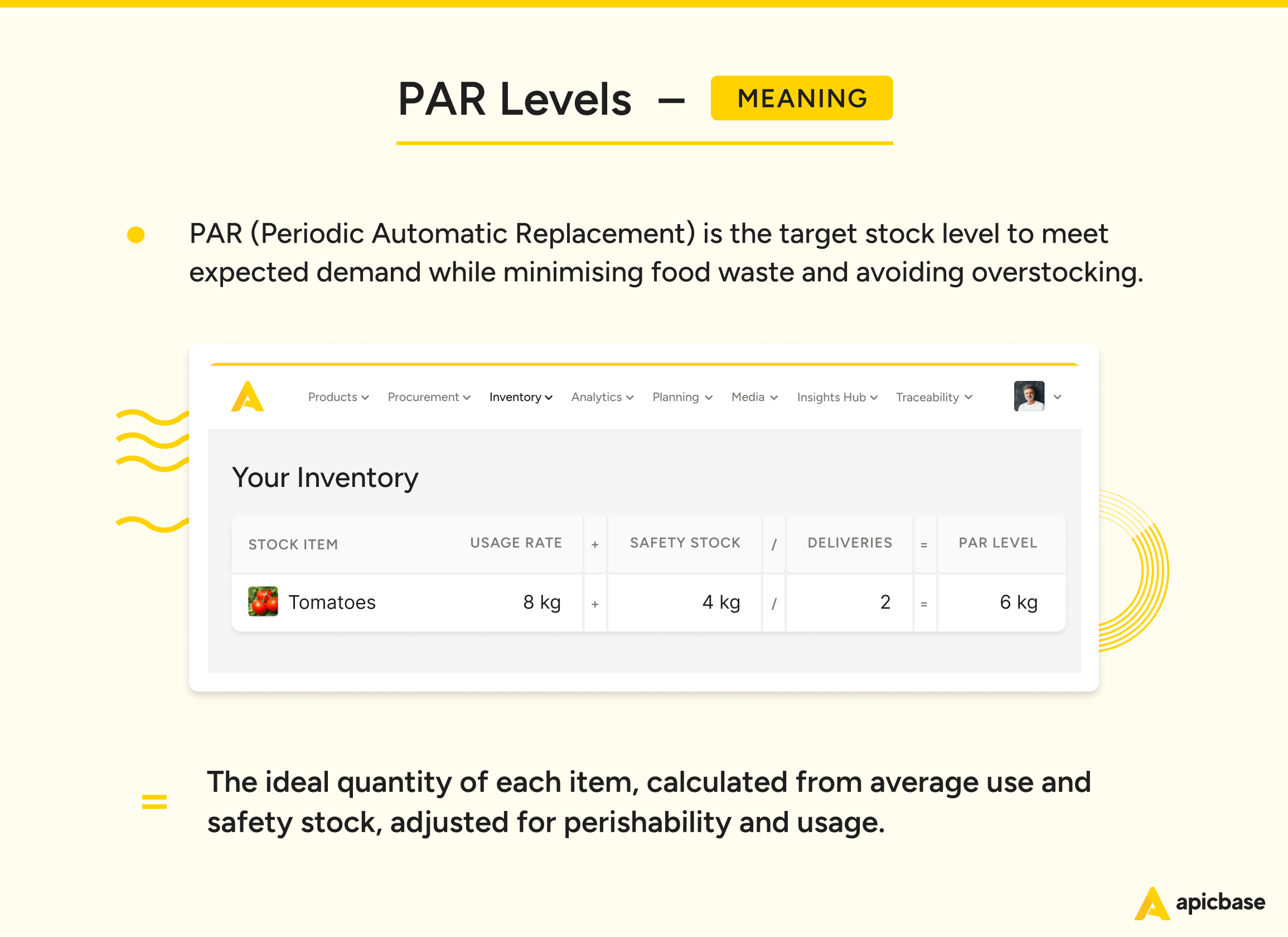
For any business dealing with physical goods—be it a restaurant managing ingredients, a retail store stocking merchandise, a manufacturer sourcing raw materials, or a service provider keeping office supplies—inventory represents a significant financial investment. This investment is tied up capital, and its efficient management directly correlates with the business’s liquidity and profitability. A par level acts as a critical threshold, signaling when it’s time to reorder to prevent stockouts while simultaneously preventing overstocking.
Defining “Par Level” in Practice
To illustrate, consider a coffee shop. Their par level for whole milk might be 10 gallons. This means that if their stock drops below 10 gallons, they need to place an order to bring it back up to, or above, this threshold. The number 10 isn’t arbitrary; it’s calculated based on factors like daily consumption, lead time from suppliers, and storage capacity. For a restaurant, it could be the number of steaks, loaves of bread, or bottles of wine needed between deliveries. For a retailer, it might be the minimum number of a popular shoe size or electronics accessory.
The “par level” itself is not necessarily the reorder point (though it often informs it), nor is it the maximum stock level. Instead, it’s the target quantity of an item that should ideally be available at all times to cover normal operational needs during a specific cycle. Once inventory dips below this par level, it triggers an action—typically an order—to restore the stock to the desired level. This proactive approach is what makes par levels such a powerful financial management tool.
Why Par Levels Matter for Business Finance
The financial implications of effectively managing par levels are extensive:
- Optimized Cash Flow: Every dollar tied up in inventory is a dollar that cannot be used for other investments, debt repayment, or operational expenses. By setting accurate par levels, businesses can minimize unnecessary inventory holdings, freeing up working capital.
- Reduced Carrying Costs: Storing inventory isn’t free. There are costs associated with warehousing, insurance, security, potential spoilage, obsolescence, and the opportunity cost of the capital invested. Lowering average inventory levels through smart par level management directly reduces these carrying costs.
- Preventing Revenue Loss: Stockouts (running out of popular items) mean lost sales, disappointed customers, and potential damage to reputation. Par levels act as a buffer, ensuring products are available when customers want to buy them, thereby protecting and maximizing revenue.
- Enhanced Purchasing Power: By having a clear understanding of demand patterns through par level analysis, businesses can aggregate orders, potentially negotiate better prices with suppliers, and take advantage of bulk discounts, leading to lower cost of goods sold.
- Improved Budgeting and Forecasting: Accurate par levels provide valuable data for financial planning, allowing businesses to better forecast future purchasing needs, allocate budget resources, and predict inventory turnover rates.
Financial Implications of Inefficient Par Levels
While the concept seems straightforward, implementing and maintaining optimal par levels is a continuous challenge. Errors in setting or managing these levels can lead to significant financial distress, manifesting in two primary forms: overstocking and understocking. Both scenarios have distinct, detrimental impacts on a business’s financial health.
The Cost of Overstocking
Holding too much inventory is a common and financially draining mistake. The costs associated with overstocking extend far beyond the initial purchase price:
- High Carrying Costs: As mentioned, this includes warehousing expenses (rent, utilities, labor for handling), insurance premiums, and security. The larger the inventory, the higher these costs.
- Obsolescence and Spoilage: Products can become outdated, expire, or degrade in quality over time. This is particularly true for fashion, technology, and perishable goods. Every obsolete or spoiled item represents a complete loss of the capital invested in it.
- Discounting and Markdown Losses: To clear excess stock, businesses often resort to sales, discounts, or markdowns. While this generates some revenue, it erodes profit margins, sometimes significantly.
- Opportunity Cost of Capital: Capital tied up in slow-moving or excess inventory cannot be used for other revenue-generating activities, such as marketing campaigns, equipment upgrades, or expanding into new markets. This lost potential revenue is a silent but potent financial drain.
- Increased Theft/Shrinkage Risk: More inventory on hand can translate to a higher risk of theft or damage, further impacting financial assets.
The Cost of Understocking (Stockouts)
Conversely, not having enough inventory—often a result of setting par levels too low or miscalculating demand—can be equally, if not more, damaging to a business’s financial performance.
- Lost Sales and Revenue: The most immediate and obvious cost is the loss of a sale when a customer wants an item that isn’t available. This is direct revenue walking out the door.
- Customer Dissatisfaction and Loyalty Erosion: Repeated stockouts frustrate customers. They may turn to competitors, leading to a loss of long-term business and damage to brand reputation. In today’s competitive landscape, customer loyalty is a priceless asset.
- Expedited Shipping Costs: To avoid prolonged stockouts, businesses often incur higher costs by paying for rush orders or expedited shipping from suppliers, eating into profit margins.
- Production Delays and Inefficiency: For manufacturers, a stockout of raw materials or components can bring production lines to a halt, leading to wasted labor, missed deadlines, and contractual penalties.
- Operational Instability: Constantly reacting to stockouts creates a chaotic operational environment, diverting management attention from strategic initiatives to crisis management.
Impact on Cash Flow and Working Capital
Both overstocking and understocking directly impair a business’s cash flow and efficient use of working capital. Overstocking ties up cash in non-liquid assets, reducing the funds available for immediate operational needs or strategic investments. Understocking leads to lost revenue, which prevents cash from coming into the business, further straining liquidity. Optimizing par levels is therefore not just an inventory exercise; it is a critical component of sound financial management, directly influencing a company’s ability to remain solvent, profitable, and growth-oriented.
Calculating and Optimizing Your Par Levels for Profitability
Setting the right par level is not a one-size-fits-all endeavor; it requires a deep understanding of a business’s unique operations, sales patterns, and supplier relationships. It’s an iterative process that blends art and science, constantly refined to support financial goals.
Key Factors Influencing Par Level Calculation
Several critical variables must be considered when establishing an effective par level:
- Average Daily Usage/Sales: This is the baseline. How much of a specific item does your business typically sell or consume per day? This can be calculated by looking at historical sales data over a relevant period (e.g., weekly, monthly, quarterly). Seasonality and promotional impacts must be factored in.
- Lead Time: This is the duration from placing an order to receiving the goods. A longer lead time necessitates a higher par level to cover demand during that period. This includes supplier processing time, transit time, and internal receiving time.
- Safety Stock: An additional quantity of inventory held to prevent stockouts due to unexpected demand spikes or unforeseen delays in supply. This acts as a buffer against variability and risk. The level of safety stock directly impacts financial exposure but also provides a crucial hedge against lost sales.
- Desired Service Level: This refers to the probability of not having a stockout. A higher desired service level (e.g., 99% availability) will typically require higher par levels and more safety stock, which comes with increased carrying costs but reduces the risk of lost revenue.
- Storage Capacity: Practical limitations on how much inventory can be physically stored can cap the maximum level and thus influence the effective par level.
- Supplier Reliability and Order Minimums: Unreliable suppliers or those with high minimum order quantities (MOQs) might force businesses to hold higher par levels than ideal for purely demand-driven reasons. Negotiating these terms is a financial strategy.
- Cost of Goods: High-value items typically warrant more precise par level management due to their significant impact on tied-up capital and potential loss in case of obsolescence or damage.
A basic formula for calculating a preliminary par level might look something like:
Par Level = (Average Daily Usage × Lead Time) + Safety Stock
This formula provides a starting point, but the nuances of each business will necessitate adjustments and more sophisticated forecasting models.
Dynamic Adjustment and Continuous Improvement
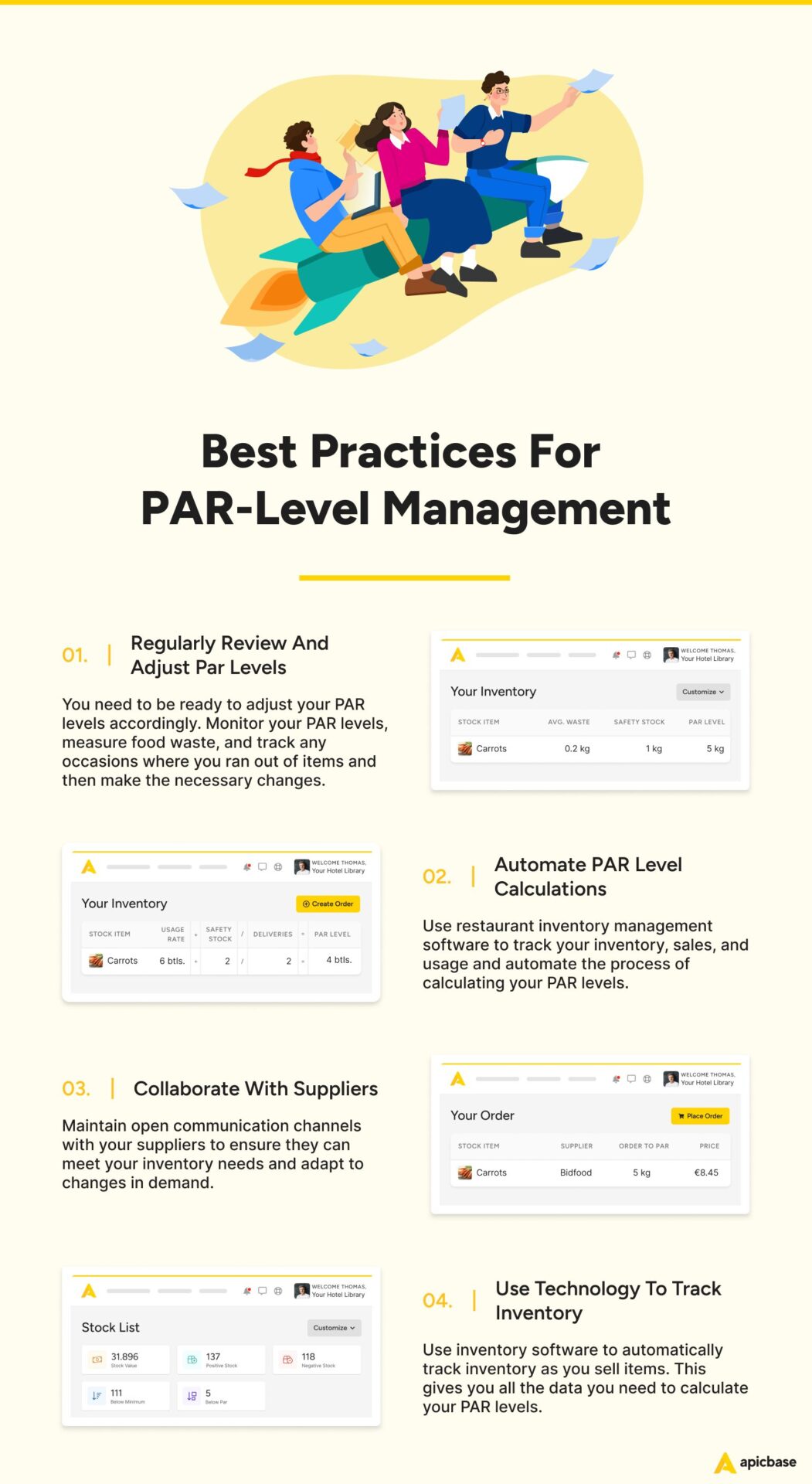
Par levels are not static. Market conditions change, demand fluctuates, suppliers alter their lead times, and new products are introduced. Therefore, continuous monitoring and adjustment are vital for maintaining financial equilibrium.
- Regular Review Cycles: Schedule periodic reviews (e.g., quarterly or semi-annually) to re-evaluate par levels for all critical items.
- Analyze Sales Trends: Pay close attention to seasonal spikes, promotional impacts, and long-term growth or decline in demand.
- Supplier Performance Tracking: Monitor lead times and reliability. A supplier consistently delivering late may necessitate an increase in safety stock or lead to exploring alternative, more reliable (and potentially financially advantageous) options.
- Feedback Loops: Incorporate insights from sales teams, warehouse staff, and customer service regarding product availability and demand.
- Leverage Data Analytics: Utilize sales data, inventory management software reports, and financial statements to gain deeper insights into inventory turnover, carrying costs, and profitability per item. This data-driven approach allows for more precise adjustments.
Optimizing par levels is a continuous journey towards greater financial efficiency. Each refinement helps reduce waste, improve cash flow, and enhance overall profitability.
Integrating Par Levels into Your Business Finance Strategy
Beyond the operational mechanics, par levels play a pivotal role in shaping a company’s broader financial strategy. They are a critical input for budgeting, capital allocation, and risk management. By viewing par levels not just as an inventory metric but as a financial lever, businesses can unlock significant value.
Leveraging Technology for Financial Control
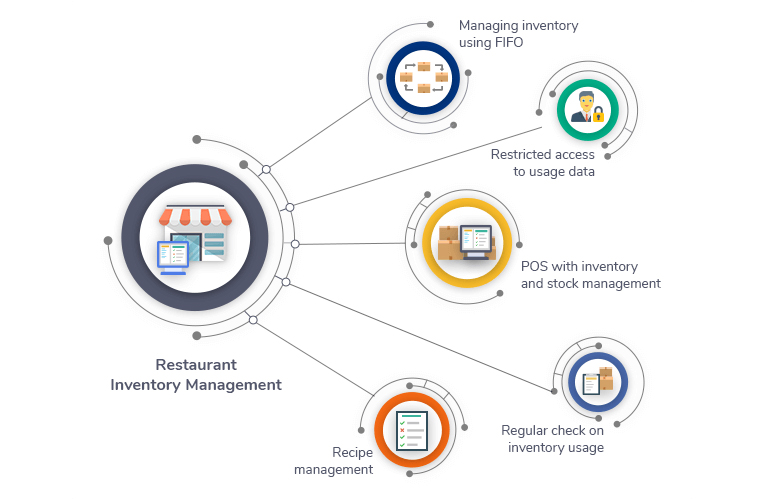
Modern inventory management systems (IMS) and enterprise resource planning (ERP) platforms are invaluable financial tools in this regard. These systems can:
- Automate Calculations: Calculate par levels based on historical sales data, lead times, and user-defined safety stock parameters.
- Track Inventory in Real-Time: Provide up-to-the-minute stock levels, allowing for proactive reordering and preventing financial surprises.
- Generate Financial Reports: Offer insights into inventory turnover, carrying costs, obsolescence rates, and the financial performance of different product lines. This data is crucial for financial planning and decision-making.
- Integrate with Accounting: Seamlessly update cost of goods sold, asset accounts, and purchase orders, streamlining financial record-keeping and ensuring accuracy.
- Forecast Demand: Utilize sophisticated algorithms to predict future sales, enabling more accurate par level settings and better financial forecasting.
Investing in appropriate technology is a strategic financial decision that can yield significant returns by optimizing inventory and, consequently, cash flow.
Strategic Sourcing and Vendor Relationships
The financial impact of par levels extends to how a business manages its supplier relationships. Effective par level management enables:
- Improved Negotiation Power: With predictable ordering patterns derived from stable par levels, businesses can negotiate better pricing, payment terms, and delivery schedules with suppliers. This directly reduces the cost of goods sold and improves cash flow.
- Reduced Risk: Diversifying suppliers or establishing strong relationships with key vendors can mitigate the financial risk associated with supply chain disruptions, which can quickly lead to costly stockouts.
- Just-in-Time (JIT) Principles: While challenging, optimized par levels can move a business closer to JIT inventory management, where goods arrive only when needed. This drastically reduces carrying costs and frees up capital, representing the pinnacle of inventory financial efficiency.
- Collaborative Planning: Sharing demand forecasts and par level requirements with suppliers can lead to more efficient supply chains, reducing costs for both parties and fostering stronger financial partnerships.
Ultimately, understanding “what is a par level” is understanding a crucial financial mechanism. It’s about balancing the immediate costs of holding inventory against the potential financial losses from not having it, all while optimizing cash flow and bolstering profitability. For any business striving for financial robustness and sustainable growth, mastering par level management is not an option—it’s a necessity.
aViewFromTheCave is a participant in the Amazon Services LLC Associates Program, an affiliate advertising program designed to provide a means for sites to earn advertising fees by advertising and linking to Amazon.com. Amazon, the Amazon logo, AmazonSupply, and the AmazonSupply logo are trademarks of Amazon.com, Inc. or its affiliates. As an Amazon Associate we earn affiliate commissions from qualifying purchases.