
Securing financial aid is a cornerstone of affording higher education for millions of students each year. The Free Application for Federal Student Aid (FAFSA) stands as the primary gateway to federal grants, scholarships, work-study programs, and low-interest loans. However, simply submitting the FAFSA is merely the first step. The true power in navigating the complex world of student finance lies in actively monitoring your application’s status. This proactive approach is not just about curiosity; it’s a vital component of sound personal financial planning, ensuring you maximize your aid eligibility and avoid costly delays.

Understanding where your FAFSA stands in the processing pipeline can mean the difference between receiving a robust financial aid package and missing out on crucial funding. This guide will walk you through the essential steps to check your FAFSA status, decode what those statuses mean, and empower you with the knowledge to manage your educational finances effectively, placing you firmly in control of your financial aid journey.
The Imperative of Monitoring Your FAFSA Application
In the realm of personal finance, proactive management is key, and your FAFSA application is no exception. It’s not enough to simply submit the form and hope for the best; active monitoring is a strategic necessity that can significantly impact your financial outcomes for higher education. The FAFSA process, while designed to be accessible, involves multiple stages, and staying informed at each juncture is crucial for financial prudence.
Understanding the FAFSA Lifecycle and Key Milestones
The FAFSA journey is a multi-stage process that begins with your initial submission and culminates in the disbursement of financial aid. Each stage has its own set of milestones, and understanding them is fundamental to successful financial planning for college.
Initially, after you submit your application, it enters a “Processing” phase where your submitted data is reviewed for completeness and accuracy. This can take several days to a few weeks, depending on the volume of applications and the time of year. Following successful processing, the Department of Education generates your Student Aid Report (SAR), which summarizes the information you provided and calculates your Expected Family Contribution (EFC) – a critical number that financial aid offices use to determine your eligibility. This EFC is not the amount of money your family will have to pay, but rather an index number used to determine your eligibility for federal student aid.
Subsequently, your FAFSA information is sent to the colleges you listed on your application. These institutions then use your EFC, in conjunction with their own Cost of Attendance (COA), to craft individual financial aid offer letters. The final stage involves the acceptance of aid, completion of any necessary loan agreements, and ultimately, the disbursement of funds. Missing a deadline or failing to respond to a request for information at any of these stages can lead to significant delays or even forfeiture of aid, underscoring the financial importance of vigilance.
Why Proactive Status Checks Save You Time and Money
Imagine planning a significant financial investment, like purchasing a home or starting a business, without regularly checking on its progress or required documentation. The thought is absurd, yet many approach their FAFSA application with a similar hands-off attitude. Proactive status checks are vital because they:
- Prevent Delays: Timely checks allow you to catch and rectify errors or missing information quickly. An application stuck in “Incomplete” or “Processing” status due to a simple oversight can mean waiting weeks longer for your SAR, pushing back the timeline for receiving aid offers and making crucial financial decisions. In a competitive financial aid landscape, early bird often gets the worm, particularly for institutional and state aid which might have limited funds.
- Maximize Aid Eligibility: Some financial aid programs, especially certain state grants or institutional scholarships, are awarded on a first-come, first-served basis. By ensuring your FAFSA is processed promptly and accurately, you position yourself to be considered for these opportunities before funds are depleted. Furthermore, if your application is selected for “Verification” – a process where the financial aid office requests documentation to confirm your FAFSA data – a prompt response prevents your application from languishing and ensures your eligibility is confirmed without delay.
- Facilitate Informed Financial Decision-Making: Knowing the exact status of your FAFSA, understanding your EFC, and having an accurate SAR are prerequisites for evaluating financial aid offers from different institutions. This information empowers you to compare packages, understand the true cost of attendance, and make financially sound decisions about where to pursue your education, potentially saving you thousands of dollars over the course of your degree. In essence, proactive monitoring transforms a passive application into an active financial management tool.
Navigating the Official Channels for Status Retrieval
Checking your FAFSA status might seem daunting at first glance, but the official channels are designed to be user-friendly, providing a centralized hub for all your federal student aid needs. The key to successful navigation lies in knowing where to go and how to securely access your personal financial information.
Step-by-Step Guide to StudentAid.gov: The Primary Portal
The official website for all things related to federal student aid is StudentAid.gov. This comprehensive portal is your go-to resource for applying for FAFSA, managing your aid, and, crucially, checking your application status.
- Access the Website: Open your web browser and navigate to StudentAid.gov.
- Log In: On the homepage, locate the “Log In” button. You will need your FSA ID to access your account.
- Enter FSA ID: Provide your FSA ID username and password. This is the same ID you used to sign your FAFSA electronically. If you don’t have one or have forgotten it, there are clear prompts to create one or retrieve your credentials.
- Access “My FAFSA”: Once logged in, you’ll be directed to your personalized dashboard. Look for a section or link labeled “My FAFSA” or “Check My FAFSA Status.” This section provides an overview of your submitted FAFSA applications.
- View Application Status: Select the specific FAFSA application you wish to check (e.g., “2024–2025 FAFSA”). The status will be displayed prominently, along with options to view your Student Aid Report (SAR), make corrections, or view previous applications.
The Role of Your FSA ID: Security and Access to Personal Financial Data
Your FSA ID is more than just a username and password; it’s your secure digital signature for all federal student aid transactions. Comprising a username and password, your FSA ID verifies your identity when you access federal student aid websites and sign federal student aid documents electronically. This digital credential is paramount for several reasons:
- Security: It protects your sensitive personal and financial information contained within your FAFSA application and other federal student aid records. Without your FSA ID, unauthorized individuals cannot access or modify your aid information.
- Authentication: It serves as your official electronic signature, legally binding you to the information you provide on your FAFSA. This is essential for preventing fraud and ensuring the integrity of the financial aid system.
- Access: Your FSA ID is your key to managing all aspects of your federal student aid. Beyond checking your FAFSA status, it allows you to:
- Sign new FAFSA applications.
- Make corrections to a submitted FAFSA.
- View your loan history and repayment options.
- Complete entrance and exit counseling for federal student loans.
- Access tax information from the IRS to auto-populate your FAFSA.
Safeguarding your FSA ID is as important as protecting your bank account details. Never share it with anyone, and always use a strong, unique password. If you forget your FSA ID or password, use the retrieval options available on StudentAid.gov.
What to Expect in Your “My FAFSA” Dashboard
The “My FAFSA” section of StudentAid.gov is designed as a centralized hub for all your FAFSA-related information. When you log in and navigate to this section, you can expect to find:
- Application History: A list of all FAFSA applications you have submitted, organized by award year.
- Current Application Status: A clear indication of your most recent FAFSA’s status (e.g., “Processing,” “Processed,” “Selected for Verification,” “Corrections Needed”).
- Student Aid Report (SAR) Access: A link to view, print, or save your SAR. This document is a critical summary of your FAFSA information and your Expected Family Contribution (EFC).
- Correction Options: If your application requires corrections or if you need to update information, you will find a link to “Make FAFSA Corrections.”
- Messages and Notifications: Any important messages from the Department of Education regarding your FAFSA, such as requests for additional information or notifications about changes, will typically be displayed here or linked.
Regularly visiting your “My FAFSA” dashboard is a responsible financial practice, ensuring you are always up-to-date on your aid status and can take timely action if needed. This dashboard provides the transparency required for effective personal financial management in the context of student aid.
Decoding Your FAFSA Status and Understanding the SAR
Once you’ve successfully navigated to your FAFSA status, the next crucial step is to understand what the displayed status means and how to interpret your Student Aid Report (SAR). This information is central to comprehending your financial aid eligibility and making informed decisions about your educational funding.
Common Status Indicators and Their Financial Implications
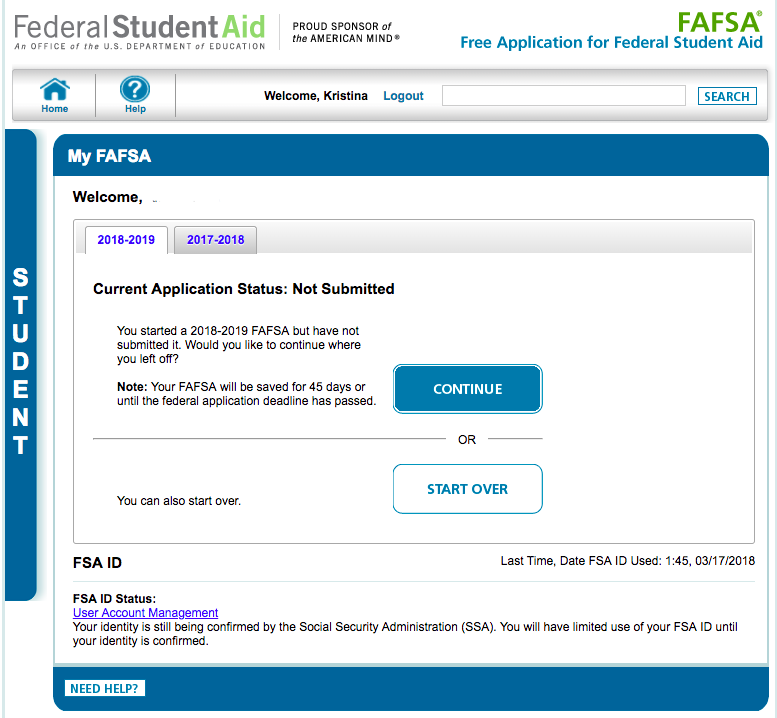
The FAFSA system uses various status indicators to communicate the progress and specific requirements of your application. Each status has distinct financial implications and requires different actions.
- “Processing”: This status indicates that the Department of Education has received your FAFSA and is reviewing it. No action is required from you at this stage. It’s a waiting period, but vigilance is advised. Delays here could mean a backlog or, less commonly, an issue with submission that might eventually lead to a request for re-submission or clarification. The financial implication is simply that your aid eligibility has not yet been determined, and schools cannot prepare offer letters.
- “Processed Successfully”: This is the ideal status. It means your FAFSA has been fully processed, your Expected Family Contribution (EFC) has been calculated, and your information has been sent to the schools you listed. At this point, you can view your Student Aid Report (SAR). The financial implication is that schools now have the necessary data to begin packaging your financial aid. You should start receiving aid offer letters in the coming weeks or months, depending on the schools’ timelines.
- “Selected for Verification”: This status means your FAFSA has been flagged for a process called “verification.” The Department of Education or your chosen schools require additional documentation to confirm the information you reported on your FAFSA. This is a common and routine process, not an accusation of wrongdoing. Financial aid offices will typically request documents like tax transcripts, W-2 forms, or proof of household size. Crucially, your financial aid cannot be finalized or disbursed until verification is complete. Failing to respond promptly with the requested documents will significantly delay or even revoke your aid. This has direct financial consequences, as you might miss out on aid funds or incur late payment fees for tuition.
- “Corrections Needed”: This status indicates that there was an error or missing information on your FAFSA that prevents it from being processed successfully. Examples include missing signatures, incorrect social security numbers, or incomplete financial data. You will need to log back into your FAFSA, make the necessary corrections, and resubmit it. Until corrections are made and processed, your financial aid eligibility cannot be determined, leading to direct delays in receiving aid offers.
- “Incomplete”: Similar to “Corrections Needed,” this status means your FAFSA was not fully completed or signed. You must complete and resubmit it. This status prevents any progression in your aid application.
Understanding these statuses allows you to take immediate and appropriate action, ensuring your financial aid journey progresses smoothly and without avoidable setbacks.
The Student Aid Report (SAR): Your Comprehensive Financial Aid Snapshot
The Student Aid Report (SAR) is arguably the most important document you will receive after your FAFSA is processed. It’s not a financial aid offer itself, but rather a summary of the information you submitted on your FAFSA and a critical tool for your financial planning.
What the SAR contains:
- Your Data Summary: All the demographic, dependency, and financial information you reported on your FAFSA.
- Expected Family Contribution (EFC): This is the core of your SAR. It’s an index number used by financial aid administrators to determine how much financial aid you are eligible to receive. A lower EFC generally indicates higher financial need and potential for more aid.
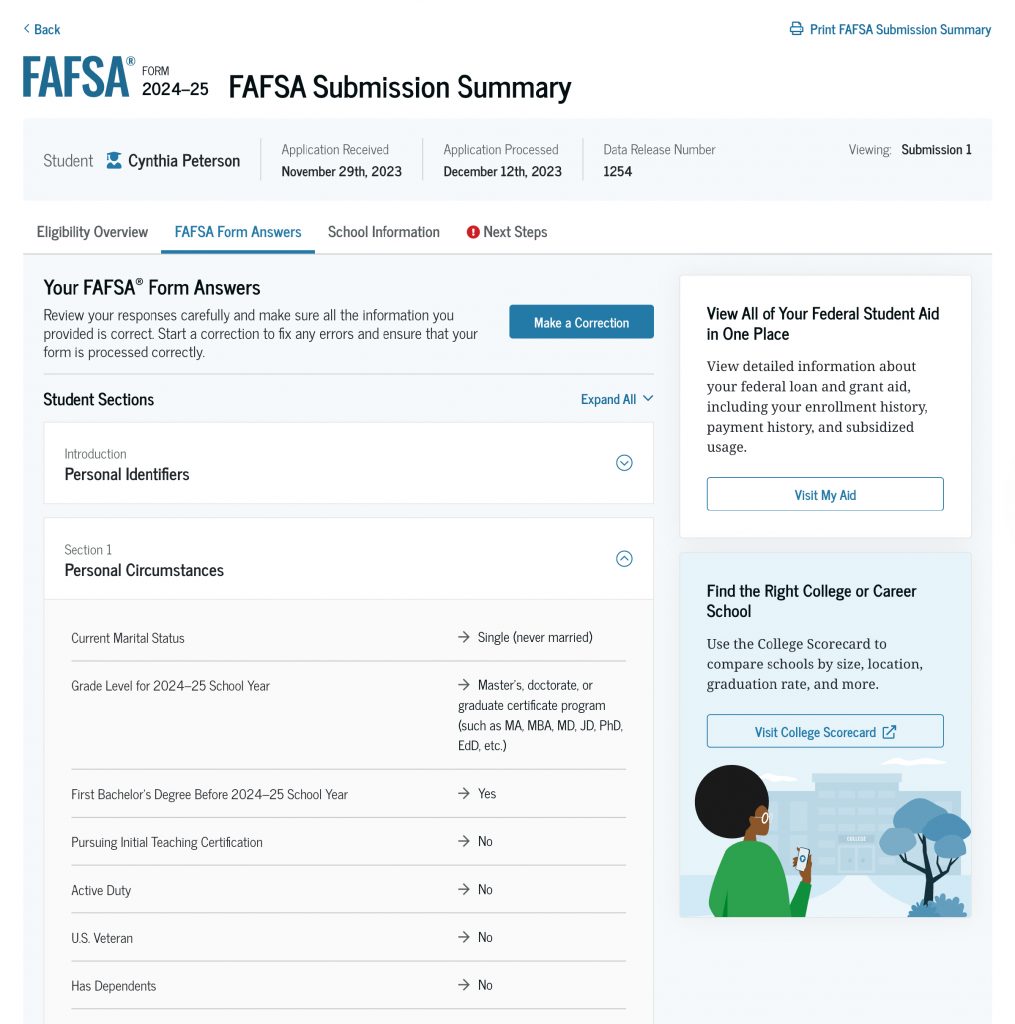
- Data Release Number (DRN): This number allows you to release your FAFSA information to additional schools not initially listed on your application.
- Verification Information: If your application was selected for verification, this will be indicated on your SAR, often with a list of required documents.
- Comments and Explanations: This section highlights any issues that need to be addressed or provides clarification on your eligibility.
How to interpret it for financial decision-making:
- Verify Accuracy: The first and most critical step is to carefully review every piece of information on your SAR. Errors, even minor ones, can significantly impact your EFC and, consequently, your aid eligibility. If you find any discrepancies, you must correct your FAFSA promptly.
- Understand Your EFC: Your EFC is not the amount of money your family will have to pay, but rather an indicator of your financial need. Colleges subtract your EFC from their Cost of Attendance (COA) to determine your financial need (COA – EFC = Financial Need). This number will be consistent across all institutions you apply to, but the aid you receive will vary based on each school’s COA and available resources.
- Prepare for Verification: If your SAR indicates you’ve been selected for verification, start gathering the requested documents immediately. Delays here will directly impact when you receive your aid offer letters.
- Anticipate Aid Offers: With an accurate SAR in hand, you can better anticipate the types and amounts of aid you might receive from the colleges you’ve applied to. This allows you to project potential out-of-pocket costs and begin budgeting.
Addressing Discrepancies and Making Corrections: Ensuring Accuracy for Aid Eligibility
Finding an error on your SAR or realizing you need to update information (e.g., a change in your family’s financial situation) is not uncommon. Promptly addressing these discrepancies is crucial for ensuring the accuracy of your aid eligibility.
Steps to make corrections:
- Log In to StudentAid.gov: Use your FSA ID to access your “My FAFSA” dashboard.
- Select the FAFSA: Choose the application for which you need to make corrections.
- Choose “Make FAFSA Corrections”: This option will allow you to edit your submitted information.
- Update Information: Navigate to the relevant sections and make the necessary changes.
- Re-sign and Resubmit: Once all corrections are made, you must re-sign your FAFSA using your FSA ID and resubmit it.
After resubmission, your FAFSA will go back into “Processing” status, and a new SAR will be generated reflecting the changes. It’s imperative that all information on your FAFSA and SAR is accurate, as institutions use this data to determine your financial aid package. Inaccurate data can lead to incorrect aid awards, requiring repayment or preventing you from receiving aid you are legitimately entitled to. Ensuring accuracy is a fundamental step in responsible financial aid management.
Strategic Actions Post-FAFSA Processing
With your FAFSA processed and your Student Aid Report (SAR) understood, the next phase of your financial aid journey begins. This stage shifts focus from the federal processing center to the individual institutions you’ve applied to. Proactive engagement and informed decision-making during this period are critical for securing the best possible financial package and laying a strong foundation for your educational finances.
From SAR to Financial Aid Offer Letters
Your processed FAFSA, summarized by your SAR, is the data colleges need to begin constructing your financial aid offer. It’s important to understand the sequence and timing of events that lead to these crucial letters.
- FAFSA Data Transmission: After your FAFSA is processed, the Department of Education electronically sends your information to each college you listed on your application. This includes your EFC.
- Institutional Review: Each college’s financial aid office then reviews your FAFSA data in conjunction with their own Cost of Attendance (COA). The COA is a comprehensive estimate of what it will cost to attend that particular school for an academic year, including tuition, fees, room, board, books, supplies, transportation, and personal expenses.
- Determining Financial Need: The core calculation is straightforward:
Cost of Attendance (COA) - Expected Family Contribution (EFC) = Financial Need. This “need” amount is the maximum federal and institutional need-based aid you are eligible to receive from that specific institution. - Packaging Aid: Based on your calculated financial need and the availability of funds, the financial aid office will “package” your aid. This package typically includes a combination of:
- Grants: Money you don’t have to repay (e.g., Pell Grants, institutional grants).
- Scholarships: Merit-based or need-based funds, also not repaid.
- Work-Study: An opportunity to earn money through part-time employment, often on campus, to help pay for educational expenses.
- Loans: Money you borrow and must repay with interest (e.g., Federal Direct Subsidized and Unsubsidized Loans, PLUS Loans).
- Offer Letter Issuance: The college then sends you an official financial aid offer letter (sometimes called an award letter). This letter details the specific types and amounts of aid they are offering you. It’s critical to remember that each school’s offer will be unique, reflecting their COA, their institutional scholarship programs, and their available aid budget.
Receiving these letters marks a pivotal moment in your financial planning. You can now compare the true net cost of attending different institutions and begin to make a strategic decision about your education.
Engaging with Institutional Financial Aid Offices
Your relationship with the financial aid office at your chosen institution is an ongoing one, extending well beyond the initial FAFSA submission. Effective communication with these offices is a savvy financial move that can clarify aid offers, resolve issues, and even lead to additional funding.
- Clarifying Offers: Financial aid offer letters can sometimes be complex and vary in format from school to school. Don’t hesitate to contact the financial aid office if you have questions about specific awards, the terms of loans, or how the aid will be disbursed. Understanding the details upfront prevents misunderstandings and helps you budget accurately.
- Understanding Costs: Beyond the aid itself, confirm all direct and indirect costs with the financial aid office. Ensure you understand tuition rates, specific fees, and how room and board charges are applied. This holistic view is essential for a complete financial picture.
- Discussing Appeals: If your financial circumstances have changed significantly since you filed your FAFSA (e.g., job loss, medical expenses, divorce), or if you believe the aid offered is insufficient to meet your demonstrated need, you may have grounds for an appeal. Most financial aid offices have a “special circumstances” or “professional judgment” process. This typically involves submitting an appeal letter and documentation to explain your situation. A successful appeal can lead to an increase in grants or a more favorable aid package, significantly reducing your out-of-pocket expenses. This is a critical but often underutilized financial strategy.
Establishing a good rapport and maintaining clear communication with your financial aid office is a vital part of managing your educational expenses responsibly.
Financial Planning Beyond FAFSA: Budgeting, Loan Management, and Long-Term Educational Funding Strategies
While FAFSA is the cornerstone of federal aid, comprehensive financial planning for higher education extends far beyond its submission. Effective budgeting, strategic loan management, and long-term funding strategies are essential for a financially secure academic journey and a smooth transition into post-graduation life.
- Budgeting for College: Once you’ve accepted your financial aid package, create a detailed budget that accounts for all your educational expenses (tuition, fees, books, supplies, personal expenses, travel) and your available resources (aid, savings, part-time job income). Tracking your spending and sticking to your budget will prevent unexpected financial shortfalls and minimize the need for additional borrowing. Utilize financial planning tools or simple spreadsheets to monitor your cash flow.
- Strategic Loan Management: If you are taking out student loans, understand their terms. Differentiate between subsidized (interest doesn’t accrue while in school) and unsubsidized (interest accrues immediately) loans. Only borrow what you absolutely need, as every dollar borrowed will need to be repaid with interest. Keep track of your loan servicer(s) and the total amount of debt accumulated. This proactive approach to debt management will ease the burden of repayment after graduation.
- Long-Term Educational Funding Strategies: Look beyond just the current academic year. Explore additional scholarship opportunities throughout your college career, as many scholarships are available for continuing students. Consider options for reducing costs, such as living off-campus (if financially beneficial), working part-time, or taking advantage of cheaper summer courses. For graduate studies or further education, understand how your current borrowing impacts future eligibility. Thinking long-term about funding ensures you remain financially stable throughout your academic career and beyond.
By integrating these strategic actions into your educational plan, you transform your FAFSA submission from a mere application into a powerful component of your broader personal finance strategy, paving the way for a more affordable and less stressful path to higher education.
In conclusion, checking your FAFSA status isn’t just about curiosity; it’s an indispensable financial habit for anyone pursuing higher education. From the initial “Processing” to receiving your “Processed Successfully” status and the subsequent Student Aid Report, each step informs your understanding of your financial aid eligibility. By actively monitoring your application, understanding the nuances of your SAR, and strategically engaging with financial aid offices, you empower yourself to make informed decisions that can significantly impact the affordability of your education. This proactive approach to FAFSA management is a testament to sound personal finance principles, enabling you to navigate the complexities of student aid with confidence and secure a financially stable future.
aViewFromTheCave is a participant in the Amazon Services LLC Associates Program, an affiliate advertising program designed to provide a means for sites to earn advertising fees by advertising and linking to Amazon.com. Amazon, the Amazon logo, AmazonSupply, and the AmazonSupply logo are trademarks of Amazon.com, Inc. or its affiliates. As an Amazon Associate we earn affiliate commissions from qualifying purchases.