
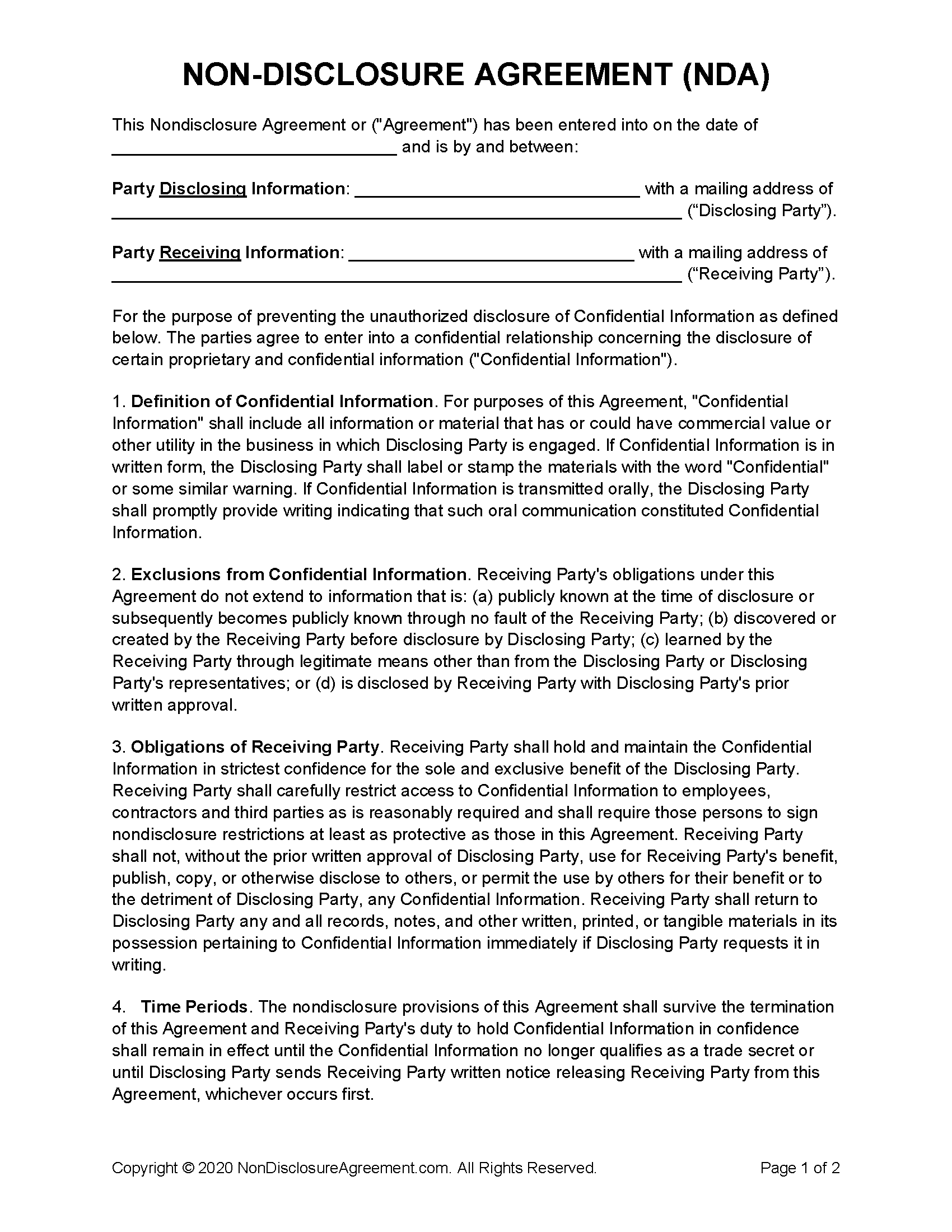
The term “NDA,” most commonly associated with legal and business contexts, is finding its way into discussions about modern relationships. While it might sound clinical or even adversarial, understanding what an NDA in a relationship entails, and the underlying motivations for its consideration, can offer valuable insights into the evolving landscape of interpersonal connections, particularly within the digital age. In this exploration, we will delve into the concept of NDAs in relationships, examining their nuances, potential applications, and the broader implications for trust, communication, and personal boundaries.
The Digital Echo: Privacy in the Age of Oversharing
In our hyper-connected world, where social media platforms, digital communication tools, and readily available recording devices are ubiquitous, the concept of personal privacy has taken on new dimensions. What was once easily kept private can now be inadvertently or intentionally shared with a wide audience with a few clicks. This pervasive digital footprint necessitates a more conscious approach to what we disclose and to whom.
The Pervasive Nature of Digital Communication
Modern relationships, whether romantic, platonic, or familial, are often conducted and documented through a variety of digital channels. Text messages, direct messages on social media, video calls, shared photos, and even voice notes become integral to how we connect. While these tools foster intimacy and facilitate communication, they also create a trail of information that can be permanent, searchable, and potentially accessible by unintended parties.
The Blurring Lines Between Public and Private
The ease with which information can be shared online often leads to a blurring of the lines between private conversations and public pronouncements. A candid remark made in a private message, a personal story shared in confidence, or even a sensitive detail about one’s life can, if mishandled or intentionally disseminated, become public knowledge. This can have significant repercussions, impacting reputations, professional lives, and personal well-being.
The Rise of “Cancel Culture” and Reputational Risk
The amplified visibility of personal information in the digital sphere has also contributed to phenomena like “cancel culture,” where individuals face severe social and professional consequences for past actions or statements. Even if a relationship ends amicably, the digital record of conversations and shared confidences can become a source of vulnerability if it falls into the wrong hands or is misinterpreted by the public. This heightened awareness of reputational risk can make individuals more cautious about what they share, even within seemingly trusted relationships.
Conceptualizing the “Relationship NDA”: Beyond Legal Binding
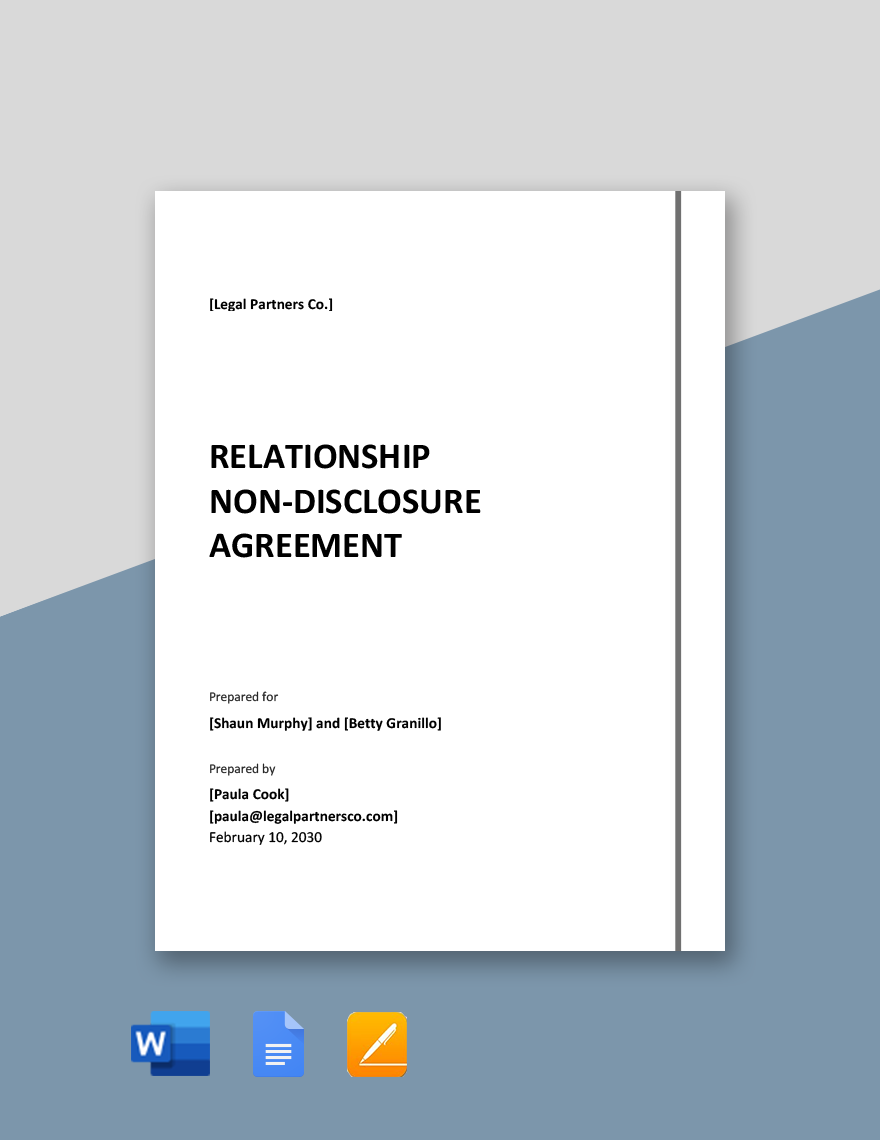
When we discuss an “NDA in a relationship,” it’s crucial to understand that we are generally not referring to a legally binding contract in the traditional sense. While such legal agreements exist for highly sensitive business partnerships or intellectual property, their application to personal relationships is rare and often fraught with legal and ethical complexities. Instead, the concept of a “relationship NDA” typically refers to a mutual understanding and agreement between individuals regarding the privacy and confidentiality of information shared within their connection.
The “Gentlemen’s Agreement” of Confidentiality
At its core, a relationship NDA is an informal pact, a mutual agreement built on trust and respect. It’s about setting clear expectations and boundaries around the sharing of personal information. This could involve explicit conversations about what is considered private, what can be discussed with others, and what should remain solely between the individuals involved. It’s the digital equivalent of a whispered secret, a promise not to repeat what has been shared in confidence.
Types of Information Covered
The scope of what a “relationship NDA” might cover can be broad, depending on the nature of the relationship and the individuals’ comfort levels. Common examples include:
- Personal Stories and Vulnerabilities: Deeply personal experiences, past traumas, insecurities, and struggles that an individual confides in their partner or friend.
- Intimate Details: Information related to a couple’s sexual life, health concerns, or financial situations.
- Private Conversations and Opinions: Candid discussions, unfiltered thoughts, or critical opinions expressed in private that could be damaging if made public.
- Future Plans and Aspirations: Personal goals, business ideas, or life changes that are still in their nascent stages and not yet ready for wider disclosure.
- Sensitive Data: Any personal information that, if leaked, could lead to identity theft, blackmail, or social embarrassment.
The Role of Trust and Explicit Communication
The foundation of any successful “relationship NDA” lies in trust. Without trust, such an agreement is meaningless. However, trust is not always a given, and in the absence of explicit communication, assumptions can lead to misunderstandings and breaches of confidence. Therefore, the most effective “relationship NDAs” are born from open and honest conversations. These dialogues allow individuals to articulate their boundaries, understand each other’s comfort levels, and collectively decide what constitutes shared private information.
Motivations Behind Seeking Confidentiality in Relationships
The desire for a “relationship NDA,” whether explicitly discussed or implicitly understood, often stems from a need to protect oneself, the relationship, or both, from potential harm. Understanding these motivations is key to appreciating why this concept is emerging in interpersonal dynamics.
Safeguarding Personal Well-being and Mental Health
One of the primary motivations for seeking confidentiality is to protect one’s personal well-being and mental health. Sharing deeply personal or vulnerable information can be an act of trust, but if that trust is betrayed, the consequences can be devastating. The fear of judgment, gossip, or the misuse of sensitive information can lead to anxiety and emotional distress. By establishing clear boundaries, individuals can feel safer to be open and authentic within a relationship, knowing their confidences are respected.
Protecting Reputations and Professional Lives
In today’s competitive environment, an individual’s reputation can be a valuable asset, impacting career prospects and social standing. What is said in a private conversation, if leaked, could be misinterpreted, taken out of context, or used maliciously to damage one’s professional image. A “relationship NDA” can act as a protective shield, ensuring that personal conversations do not inadvertently spill into public or professional spheres and jeopardize career advancement or existing professional relationships.
Maintaining the Intimacy and Sanctity of the Relationship

Certain aspects of a relationship are inherently private and contribute to its unique intimacy and strength. Sharing these intimate details with third parties can dilute their significance and erode the special bond between individuals. A mutual understanding of confidentiality helps preserve the sanctity of the relationship, reinforcing the idea that some aspects of the connection are best kept sacred and exclusive to the individuals involved. This fosters a sense of exclusivity and deeper connection, built on shared secrets and mutual trust.
Preventing Unnecessary Conflict and Misunderstandings
Confidentiality can also play a role in preventing unnecessary conflict and misunderstandings within the broader social circle. Sharing personal information about one partner with others can lead to triangulation, gossip, and the creation of alliances or divisions. By keeping sensitive relationship matters private, individuals can avoid involving others in their personal affairs, thereby minimizing the potential for external interference, gossip, and the exacerbation of any existing issues.
Navigating the Nuances: Implementing Confidentiality in Practice
While the concept of a “relationship NDA” might sound daunting, implementing it in practice is often about fostering healthy communication and establishing clear, agreed-upon boundaries. It’s less about rigid rules and more about evolving with the relationship and adapting to changing circumstances.
The Power of Open and Honest Conversation
The most effective way to establish confidentiality in a relationship is through open and honest communication. This means having explicit conversations about privacy expectations. These discussions should not be confrontational but rather a collaborative effort to understand each other’s needs and boundaries. It might involve asking questions like:
- “What are you comfortable with me sharing with others about our relationship?”
- “Is there anything specific you’d prefer to keep just between us?”
- “How do you feel about discussing our personal lives with our friends or family?”
These conversations allow for a shared understanding and a proactive approach to managing information.
Setting Clear Boundaries and Expectations
Once open communication has occurred, it’s essential to translate that understanding into clear boundaries and expectations. This might involve agreeing on specific topics that are off-limits for discussion with others, or establishing protocols for when and how personal information can be shared. For instance, an agreement might be made that health-related discussions are strictly private, or that future plans are only to be shared once they are finalized.
The Role of Trust and Reciprocity
Confidentiality in relationships is a two-way street. It relies heavily on trust and the principle of reciprocity. Both individuals must feel secure in the knowledge that their confidences will be honored. This means not only respecting the boundaries set but also actively demonstrating trustworthiness through consistent behavior. When one person breaches confidentiality, it can have a corrosive effect on the trust within the relationship, making future openness difficult.
Adapting to Evolving Dynamics
Relationships are not static; they evolve, and so too might the need for confidentiality. What was once considered highly private might become less sensitive as the relationship deepens and trust solidifies. Conversely, new challenges or personal circumstances might arise that necessitate a renewed focus on privacy. Therefore, it’s important to maintain an ongoing dialogue about privacy and to be willing to adapt boundaries as the relationship progresses. Regularly checking in with each other about comfort levels and evolving needs ensures that the agreement remains relevant and supportive.
The Ethical Considerations and Potential Pitfalls
While the desire for privacy in relationships is understandable, the concept of a “relationship NDA” also raises important ethical considerations and potential pitfalls that need careful navigation.
The Dangers of Over-Secrecy and Isolation
While confidentiality is important, an overemphasis on secrecy can lead to negative consequences. If individuals become too guarded about their relationships, it can lead to isolation, preventing them from seeking support from their broader social network. It can also breed suspicion and mistrust if one partner perceives the other as being overly secretive without clear justification. The goal should be healthy privacy, not the creation of a fortress that excludes valuable external support systems.
The Risk of Control and Manipulation
In some unhealthy dynamics, the concept of confidentiality can be weaponized. One partner might use the guise of “keeping things private” to control the other, preventing them from confiding in friends or family, thereby isolating them. This can be a red flag for manipulative behavior, where the desire for secrecy is used as a tool to exert power and influence. It’s crucial to distinguish between a genuine need for privacy and an attempt to exert undue control.
The Legal Grey Areas of Informal Agreements
As mentioned earlier, informal agreements within relationships are generally not legally binding. While this can offer flexibility, it also means there’s no legal recourse if confidentiality is breached. This underscores the importance of building relationships on a foundation of intrinsic trust and respect, rather than relying on the illusion of a contractual obligation that cannot be enforced in a personal context.
The Importance of Professional Boundaries
When dealing with sensitive personal information, it’s also important to consider professional boundaries. For instance, if one partner is a therapist, doctor, or legal professional, they have ethical and legal obligations regarding client confidentiality that extend beyond personal relationships. It’s crucial to understand these professional responsibilities and how they might intersect with personal agreements.
Conclusion: Building Trust Through Conscious Confidentiality
The notion of an “NDA in a relationship,” though not a formal legal document, reflects a growing awareness of the importance of privacy and trust in our interconnected lives. In an era where digital footprints are pervasive and personal information is easily disseminated, conscious decisions about what we share and with whom are paramount. By fostering open communication, setting clear boundaries, and prioritizing mutual trust, individuals can build stronger, more resilient relationships where confidences are honored and personal well-being is protected. The “relationship NDA” is ultimately a metaphor for the active, ongoing effort required to cultivate a safe and intimate space for personal connection, grounded in respect and a shared commitment to discretion.
aViewFromTheCave is a participant in the Amazon Services LLC Associates Program, an affiliate advertising program designed to provide a means for sites to earn advertising fees by advertising and linking to Amazon.com. Amazon, the Amazon logo, AmazonSupply, and the AmazonSupply logo are trademarks of Amazon.com, Inc. or its affiliates. As an Amazon Associate we earn affiliate commissions from qualifying purchases.