
The “I-129 Form” might sound like a cryptic piece of jargon, reserved for immigration lawyers and seasoned business travelers. However, for any company looking to bring skilled foreign talent into the United States, or for an individual seeking to work for a U.S.-based employer under certain visa categories, understanding this form is paramount. While its primary function is rooted in immigration law, its implications ripple through the worlds of technology, brand building, and even business finance.
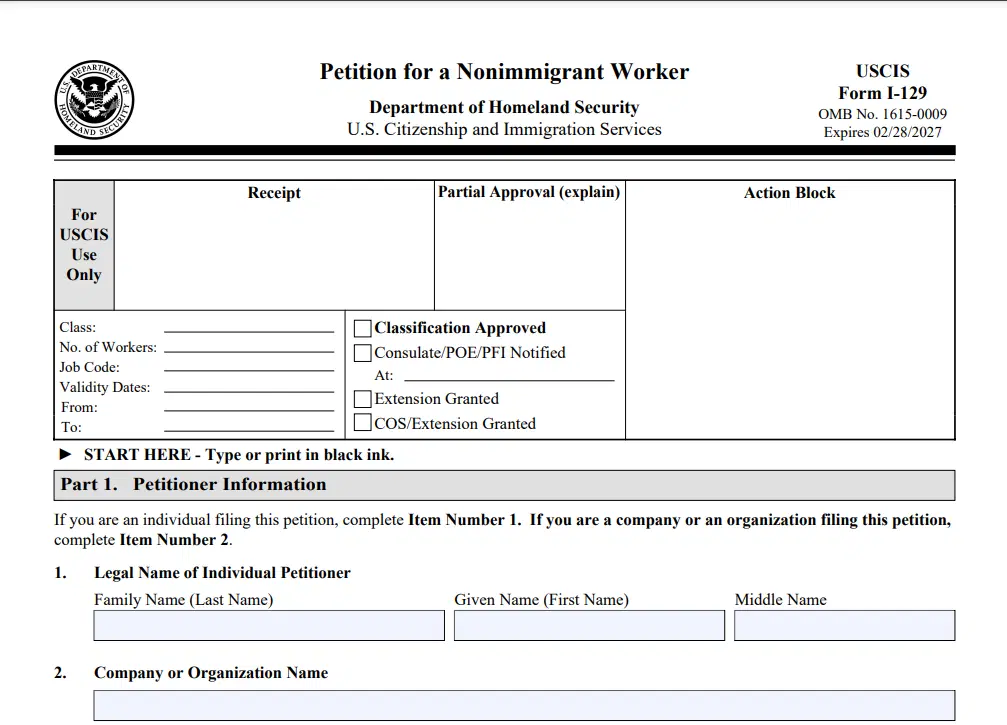
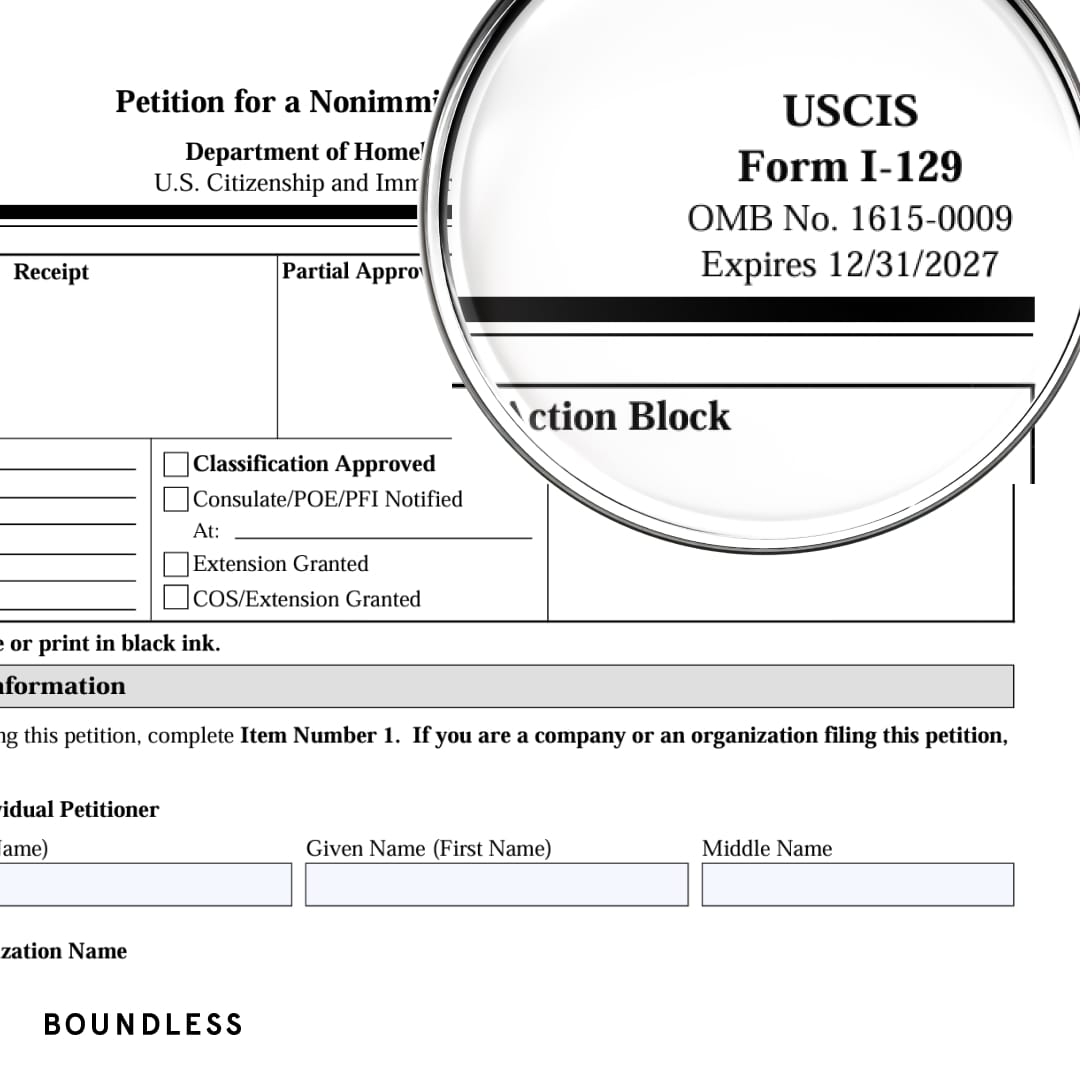
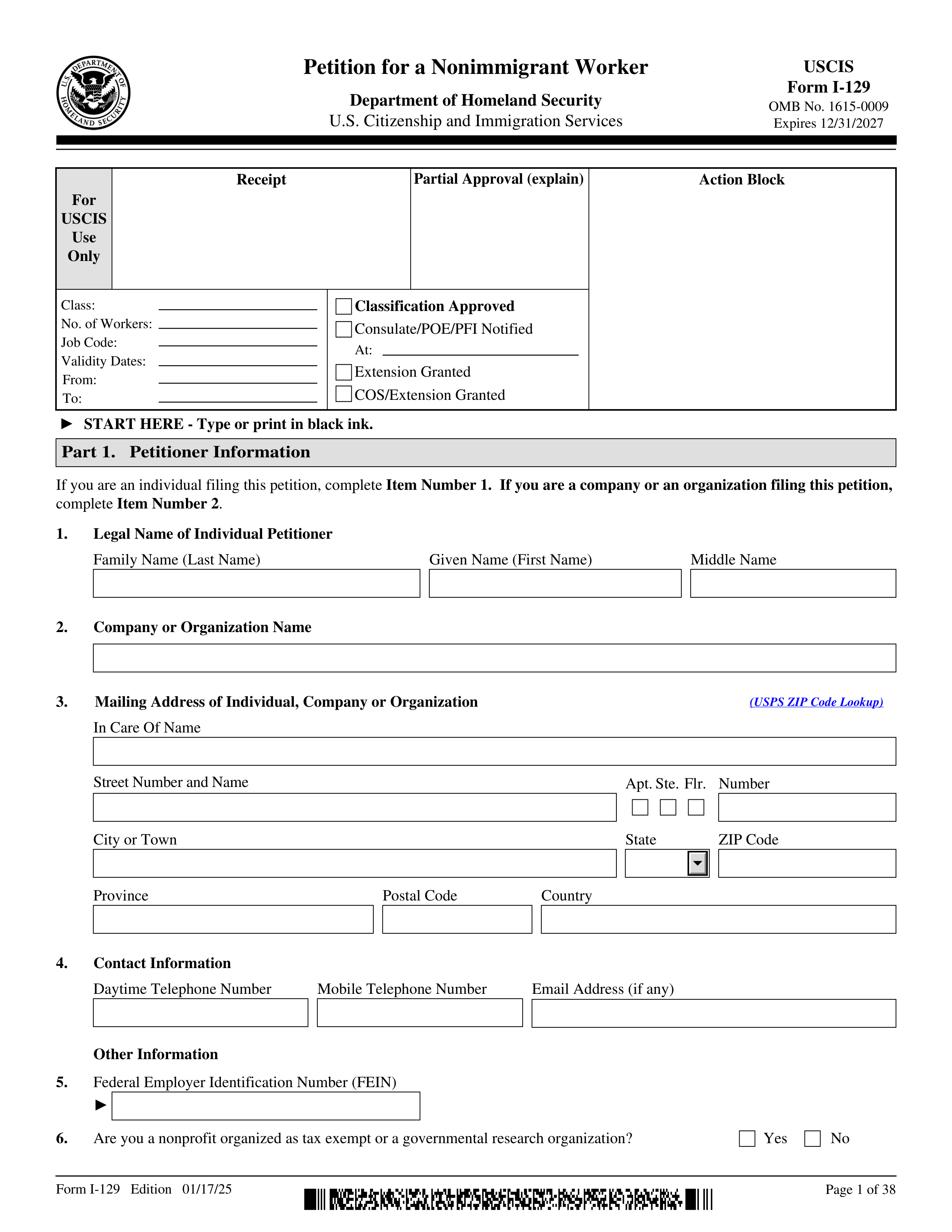
The U.S. has a complex system for managing its workforce, and at the heart of bringing in non-U.S. citizens for temporary employment lies the Form I-129, Petition for a Nonimmigrant Worker. This is not a simple application for a tourist visa; it’s a comprehensive document that a U.S. employer must file with U.S. Citizenship and Immigration Services (USCIS) to petition for an eligible foreign national to come to the United States to work temporarily.
Understanding the Core Purpose of Form I-129
At its essence, Form I-129 serves as the gateway for numerous temporary work visas. It allows U.S. employers to demonstrate their need for a foreign worker with specific skills or qualifications that they cannot readily find domestically. This is particularly crucial in high-demand sectors like technology, where specialized expertise is often global.
The form is a multi-purpose document, meaning it caters to a variety of nonimmigrant work classifications. Each classification has its own unique requirements and eligibility criteria, which are meticulously detailed in the instructions for Form I-129. Common visa categories that utilize this form include:
- H-1B Visas: For professionals in specialty occupations requiring theoretical or technical expertise, often involving a bachelor’s degree or higher in a specific field. This is a cornerstone for bringing in tech talent, researchers, and skilled professionals in various industries.
- L-1 Visas: For intracompany transferees. This allows a company to transfer an executive, manager, or employee with specialized knowledge from an affiliated foreign office to a U.S. office. This is vital for multinational corporations managing global brands and operations.
- O Visas: For individuals with extraordinary ability in sciences, arts, education, business, or athletics, and their accompanying support staff. This category can be relevant for individuals who are innovators in tech or leaders in their respective brand-building fields.
- P Visas: For athletes, artists, and entertainers.
The employer initiates the process by filing Form I-129. This means the burden of proof, of demonstrating the need for the foreign worker and the qualifications of the individual, rests with the U.S. entity. This process is not merely bureaucratic; it directly impacts a company’s ability to innovate, expand, and maintain its competitive edge, especially in fast-paced industries.
The Data and Documentation: A Foundation for Trust and Compliance
Filing Form I-129 is not a quick or simple task. It requires a significant amount of detailed information about both the petitioning employer and the prospective employee. This extensive documentation serves a critical purpose: to ensure compliance with U.S. immigration laws and to verify that the proposed employment is genuine and beneficial to the U.S. economy.
The information requested on the form and its supporting documents can be broadly categorized into several key areas:
Employer Information: Establishing Legitimacy and Need
The petitioning employer must provide comprehensive details about their organization. This includes:
- Company Name and Address: Basic identification of the U.S. entity.
- Nature of Business: A clear description of the company’s operations. This is where the connection to the website’s core topics becomes apparent. A tech company will detail its software development, AI research, or gadget manufacturing. A brand consultancy will outline its marketing strategies and design services.
- Financial Stability: Evidence that the company can afford to pay the foreign worker the required wage and that the business is financially sound enough to warrant hiring additional personnel. This touches upon the “Money” aspect, as financial health is a key indicator of a legitimate business.
- Organizational Structure: Details about the company’s hierarchy and the specific department or team where the foreign worker will be employed.
Beneficiary (Foreign Worker) Information: Verifying Skills and Intent
The foreign national is referred to as the “beneficiary” in the petition. The employer must provide extensive information about them, including:
- Personal Details: Name, date of birth, country of birth, passport information, etc.
- Educational Background: Diplomas, degrees, and transcripts are often required, especially for H-1B petitions, to prove that the individual meets the educational requirements for the specialty occupation. This directly relates to the “Tech” sector where specialized degrees are often a prerequisite.
- Work Experience: Detailed resumes, letters of recommendation, and proof of prior employment that demonstrate the individual’s expertise and suitability for the position.
- Job Offer Details: A clear description of the proposed position, including duties, responsibilities, duration of employment, and the proposed salary. This is where the alignment between the job role and the company’s needs, and by extension, the foreign worker’s skills, is meticulously examined.
Supporting Documentation: The Proof Behind the Claims
Beyond the form itself, a multitude of supporting documents are often required. These can include:
- Labor Condition Application (LCA): For H-1B visas, the employer must obtain an approved LCA from the Department of Labor, attesting that the wages paid to the foreign worker will be no less than the prevailing wage for the occupation in the geographic area and that the employment of the foreign worker will not adversely affect the working conditions of similarly employed U.S. workers. This is a critical step ensuring fair labor practices.
- Contracts and Agreements: Proof of employment contracts or agreements.
- Company Brochures and Marketing Materials: These can help demonstrate the company’s legitimacy and its role in its industry, indirectly supporting the “Brand” aspect of the website.
- Proof of Intention to Depart: Evidence that the foreign worker intends to depart the U.S. at the end of their authorized stay.
The meticulous nature of this documentation underscores the seriousness of the Form I-129 process. It’s not just about filling out a form; it’s about constructing a compelling case that justifies the need for foreign talent and assures USCIS that the U.S. labor market will not be negatively impacted.
Beyond Immigration: The Strategic Implications for Business
While Form I-129 is fundamentally an immigration document, its impact extends far beyond the realm of legal compliance. For companies operating in dynamic sectors like technology and brand management, it’s a strategic tool that directly influences their ability to:
Drive Innovation and Fill Talent Gaps in the Tech Landscape
The technology sector is characterized by rapid advancements and a constant demand for specialized skills. AI researchers, cybersecurity experts, software engineers with niche language proficiencies, and data scientists are often in short supply domestically. Form I-129, particularly through the H-1B visa, is a vital mechanism for U.S. tech companies to access this global talent pool.
- Access to Specialized Expertise: Companies can bring in individuals with cutting-edge knowledge in areas like machine learning, blockchain, or quantum computing, which might not be readily available in the U.S. workforce. This accelerates research and development, leading to new products, services, and a stronger competitive position.
- Boosting Productivity and Efficiency: Skilled foreign workers can contribute significantly to project timelines and overall productivity, helping companies meet market demands and launch innovative solutions faster.
- Global Collaboration and Diverse Perspectives: Immigrant talent often brings diverse cultural perspectives and international experience, which can be invaluable in developing products and services for a global market and fostering a more inclusive and innovative workplace.
The ability to secure talent through Form I-129 is directly linked to a tech company’s ability to stay ahead of the curve, develop groundbreaking technologies, and maintain its market relevance.
Enhancing Brand Reputation and Global Reach
For businesses focused on brand strategy, marketing, and design, the ability to bring in international talent can be equally crucial. A strong brand is often built on a foundation of diverse perspectives and global understanding.
- Bringing Global Insights to Brand Development: Individuals with experience in different markets can offer invaluable insights into consumer behavior, cultural nuances, and emerging trends in various regions. This is essential for creating brand campaigns that resonate with a diverse audience and for expanding a brand’s international presence.
- Acquiring Specialized Design and Marketing Skills: Top-tier designers, creative directors, and digital marketing strategists may possess unique skill sets that are in high demand. Form I-129 can facilitate the hiring of these individuals to elevate a company’s visual identity, marketing efforts, and overall brand perception.
- Strengthening Corporate Identity: A diverse workforce can contribute to a richer and more dynamic corporate culture, which in turn can positively influence the company’s public image and brand reputation. The ability to attract and retain top global talent signals a company’s commitment to excellence and its forward-thinking approach.
In essence, Form I-129 can be a tool for companies to build stronger, more globally relevant brands by accessing the best minds and creative energies from around the world.
Supporting Business Growth and Financial Sustainability
The financial implications of Form I-129 are also significant. The ability to hire skilled foreign workers can directly impact a company’s bottom line and its capacity for growth.
- Optimizing Labor Costs (within legal frameworks): While companies must pay prevailing wages, in some instances, accessing specialized talent from abroad can be more cost-effective than the scarcity of comparable domestic talent. This doesn’t imply underpayment, but rather a more strategic allocation of resources.
- Driving Revenue Growth: By accelerating product development, improving service delivery, and enhancing marketing efforts, skilled foreign workers can directly contribute to increased sales and revenue.
- Facilitating Expansion into New Markets: Intracompany transferees (L-1 visa holders) are instrumental in helping multinational corporations establish and manage operations in new international markets, thereby driving global business expansion and increasing revenue streams.
- Ensuring Financial Compliance and Stability: The rigorous documentation required for Form I-129 also forces companies to meticulously track their financial standing and demonstrate their ability to sustain employment, contributing to overall financial discipline and transparency.
Ultimately, Form I-129, while a legal requirement, is a critical enabler of business success. It provides a pathway for companies to access the talent they need to innovate, build strong brands, and achieve financial growth in an increasingly competitive global marketplace. Understanding its intricacies is not just about navigating immigration law; it’s about strategically positioning a business for future success.
aViewFromTheCave is a participant in the Amazon Services LLC Associates Program, an affiliate advertising program designed to provide a means for sites to earn advertising fees by advertising and linking to Amazon.com. Amazon, the Amazon logo, AmazonSupply, and the AmazonSupply logo are trademarks of Amazon.com, Inc. or its affiliates. As an Amazon Associate we earn affiliate commissions from qualifying purchases.