
In the intricate world of personal finance and entertainment budgeting, the concept of a matinee movie ticket stands out as a time-tested strategy for significant cost savings. Far from being a mere scheduling quirk, matinee pricing is a sophisticated financial mechanism employed by cinemas to optimize revenue, manage demand, and offer a more accessible entry point for a wide range of consumers. Understanding “what is a matinee movie ticket” fundamentally involves delving into its financial implications for both the moviegoer and the cinema industry, revealing it as a cornerstone of smart spending and business acumen.
The Financial Allure of Matinee Pricing
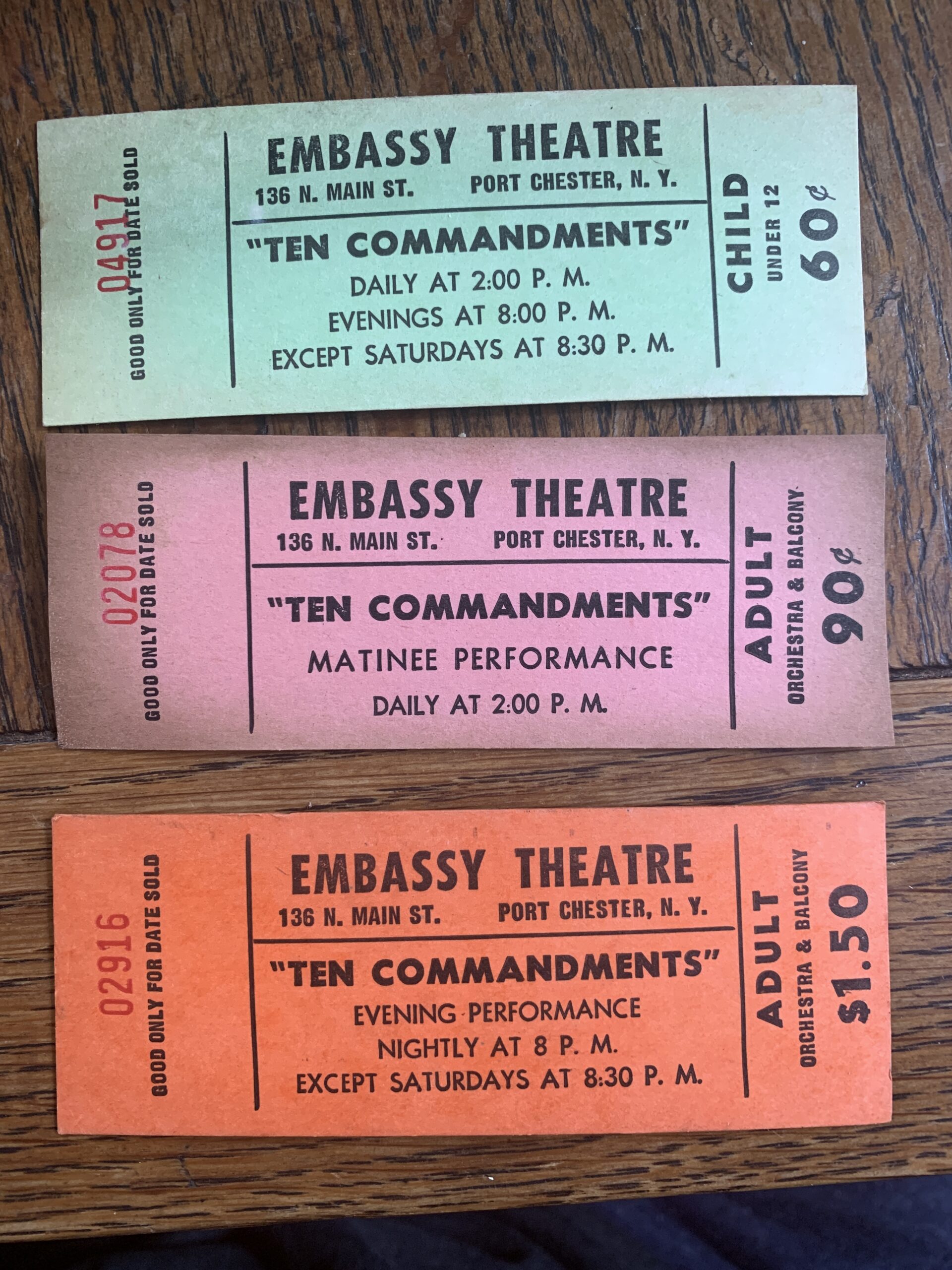
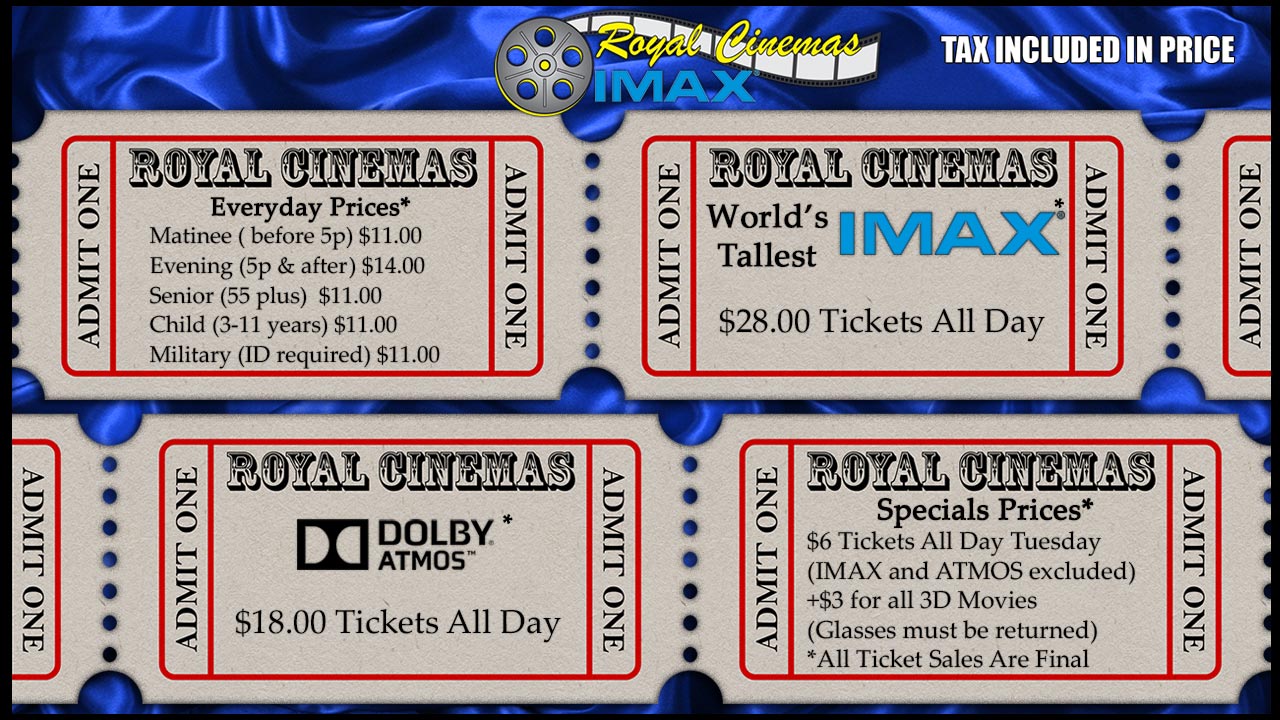
At its core, a matinee movie ticket represents a discounted admission to a film showing that takes place earlier in the day, typically in the late morning or early afternoon. The primary draw for consumers is the undeniable financial benefit: a substantially lower price compared to evening or prime-time showings. This differential is not trivial; it often translates into savings of $3 to $7 per ticket, a figure that can significantly impact an individual’s or family’s entertainment budget.
Understanding the Core Value Proposition
The value proposition of a matinee ticket is straightforward: access to the same cinematic experience for a reduced monetary outlay. While the content and quality of the film remain consistent, the time of day acts as the primary differentiator for pricing. These showings typically run on weekdays, and often weekends, before the peak evening hours—usually defined as before 4:00 PM or 5:00 PM, though specific cut-off times can vary by cinema chain and location. For individuals with flexible schedules, such as retirees, students, freelancers, or parents with young children, matinee showings offer an ideal opportunity to enjoy cinematic entertainment without the premium price tag associated with evening demand.
Quantifying the Savings
The quantifiable savings offered by matinee tickets are compelling. Consider a family of four. If each ticket is $5 cheaper during a matinee, the total savings for a single outing amount to $20. Over the course of a year, if this family attends movies once a month using matinee pricing, their annual savings could reach $240. This figure becomes even more substantial for avid moviegoers or larger groups. For individuals, consistent matinee attendance can free up dozens of dollars annually, which can then be reallocated to other financial goals, such as savings, debt repayment, or investment. These savings are not just theoretical; they directly impact discretionary spending and contribute to a more optimized personal finance strategy, allowing for more frequent entertainment consumption without overspending.
Strategic Budgeting for Entertainment
Integrating matinee viewings into a personal finance plan is a savvy budgeting strategy. Entertainment, while important for quality of life, is often one of the first categories to be cut back when financial constraints arise. By opting for matinee tickets, consumers can effectively stretch their entertainment budget further. This allows for increased participation in cultural activities, ensuring a balanced lifestyle that includes leisure without compromising broader financial objectives. It transforms moviegoing from an occasional splurge into a more regular, affordable pastime, demonstrating a practical application of cost-saving principles within everyday spending.
The Economic Rationale Behind Matinee Offers
From a business finance perspective, the existence of matinee pricing is a carefully calculated strategy designed to maximize revenue and optimize asset utilization for movie theaters. Cinemas operate with high fixed costs, irrespective of how many seats are filled. Matinee discounts are not an act of charity but a crucial tool for profitability, leveraging principles of demand elasticity and operational efficiency.
Maximizing Asset Utilization
A movie theater is a capital-intensive business. The cost of real estate, projector equipment, sound systems, seating, and utilities represents a significant fixed overhead that must be covered regardless of ticket sales. A cinema auditorium, when empty, is a depreciating asset. Matinee pricing serves as a powerful incentive to fill seats during periods of inherently low demand, specifically the daytime hours. By offering a lower price, theaters aim to attract a segment of the market that might not attend otherwise, converting what would be vacant seats into incremental revenue. This strategy ensures that the physical infrastructure and operational costs are spread across a greater number of tickets sold throughout the day, improving the overall financial efficiency of the business. It’s about ensuring that every potential hour of operation contributes to the bottom line, rather than having facilities sit idle.
Demand Elasticity and Price Discrimination
The concept of demand elasticity is central to matinee pricing. Different consumer segments have varying sensitivities to price. Price-sensitive consumers, such as students, seniors, unemployed individuals, or those with highly flexible schedules, are more likely to attend a movie if the price is lower. They represent an elastic demand curve. Conversely, prime-time audiences, often composed of working professionals, may be less price-sensitive due to limited evening availability and a higher willingness to pay for convenience. Matinee pricing is thus a form of effective price discrimination, allowing cinemas to capture revenue from both segments without alienating either. By offering a tiered pricing structure based on time, theaters can maximize total revenue by catering to different income levels and lifestyle constraints, thereby optimizing their overall business finance strategy.
Operational Efficiency and Revenue Smoothing
Beyond direct revenue generation, matinee showings contribute to the operational efficiency and revenue smoothing of a cinema. By distributing customer traffic throughout the day, theaters can avoid extreme peaks and troughs in demand. This can lead to more efficient staffing, as employees can be utilized more consistently rather than experiencing severe rush periods followed by long lulls. It also helps manage concession sales, a critical revenue driver for cinemas, by spreading out purchases. The consistent, albeit lower, revenue stream from matinees provides a stable base that complements the higher-yield evening shows, contributing to a more predictable and robust financial outlook for the business. This approach minimizes the financial risk associated with relying solely on peak-hour performance.
Navigating Matinee Opportunities for Optimal Savings
For the financially astute consumer, understanding how to effectively leverage matinee movie tickets goes beyond simply knowing they exist. It involves strategic planning, awareness of specific cinema policies, and an understanding of how to combine these savings with other available discounts for maximum benefit.
Identifying Matinee Schedules and Restrictions
The first step in capitalizing on matinee savings is to be aware of typical schedules and any restrictions. Matinee times generally apply to showings before 4:00 PM or 5:00 PM, though this can vary. Some cinemas might offer matinee pricing only on weekdays, while others extend it to weekend mornings and early afternoons, albeit sometimes at a slightly higher matinee rate than weekday matinees. It’s crucial to check specific cinema websites or ticketing apps, as policies can differ even within the same chain depending on the location’s market dynamics. Additionally, certain special engagements, limited releases, or “event cinema” presentations might be excluded from matinee pricing, so always verify the ticket price before committing.
Combining Matinee Tickets with Other Discounts
The true art of maximizing savings lies in stacking discounts. A matinee ticket price, already reduced, can often be combined with other promotional offers. Many cinemas offer additional discounts for seniors, students (with valid ID), or military personnel. Loyalty programs, often free to join, frequently provide points for purchases that can be redeemed for free tickets or concessions, further amplifying the matinee saving. Furthermore, keep an eye out for credit card rewards programs that offer cash back or specific discounts for entertainment spending. Some third-party apps or membership organizations (e.g., AARP, AAA) might also have partnerships with cinema chains for additional savings. By diligently combining these various offers, a single matinee outing can become an incredibly cost-effective entertainment option.
The Opportunity Cost of Time vs. Money
While the monetary savings of a matinee ticket are clear, it’s also important for individuals to consider the opportunity cost. Attending a matinee typically requires flexibility during working hours or other daytime commitments. For someone whose income is directly tied to their time (e.g., hourly workers, freelancers), the monetary saving from a matinee ticket must be weighed against potential lost earnings or the value of their time otherwise spent. For others, particularly those with fixed schedules, attending a matinee might simply not be feasible. This trade-off between the financial benefit and the personal cost of time is a fundamental concept in personal finance. For many, especially those for whom time is more flexible, the financial gains of a matinee far outweigh the minimal opportunity cost.
The Evolving Landscape of Movie Pricing and Matinees
The cinema industry is in a constant state of flux, influenced by technological advancements, shifting consumer habits, and broader economic trends. Matinee pricing, while enduring, is evolving within this dynamic environment, adapting to new challenges and opportunities.
The Impact of Streaming Services and Dynamic Pricing
The proliferation of streaming services has fundamentally altered the entertainment landscape, providing consumers with unprecedented access to content at home. This has put significant pressure on traditional cinema attendance. In response, cinemas have become more innovative with their pricing strategies. Matinee pricing remains a core tactic to draw in audiences during off-peak hours, but it is increasingly complemented by dynamic pricing models. Dynamic pricing involves adjusting ticket prices based on real-time demand, film popularity, showtime, and even seat location. While matinees offer a fixed discount based on time, dynamic pricing can introduce further variations, making it crucial for consumers to be vigilant when comparing prices. The overall goal remains the same: to maximize revenue per seat in a highly competitive market.
Premium Formats and Matinee Pricing
The rise of premium large formats (PLFs) such as IMAX, Dolby Cinema, and 3D presentations has introduced another layer to cinema pricing. These formats offer enhanced sensory experiences, often commanding a higher base ticket price. Interestingly, many cinemas still extend matinee discounts to these premium formats. While the absolute dollar saving might be similar to a standard matinee ticket, the percentage discount might be slightly less aggressive due to the higher operational costs associated with these advanced projection and sound systems. Nonetheless, for consumers keen on experiencing these premium formats, opting for a matinee showing remains the most financially prudent choice, allowing access to cutting-edge technology at a reduced cost.
Future Trends in Cinema Economics
Looking ahead, the role of matinee pricing in cinema economics will likely continue to adapt. As the industry grapples with shorter theatrical windows and hybrid release strategies (simultaneous theatrical and streaming releases), cinemas will need to enhance the value proposition of the in-person experience. Matinees, by offering an affordable entry point, could become even more critical for driving consistent foot traffic and encouraging the “event” aspect of moviegoing. We may see further experimentation with subscription models that incorporate matinee-like benefits, or loyalty programs that offer tiered access and pricing. Ultimately, matinee movie tickets will remain a powerful tool in the cinema’s financial arsenal, helping to balance affordability for consumers with the imperative of profitability for exhibitors in an ever-changing entertainment ecosystem.
aViewFromTheCave is a participant in the Amazon Services LLC Associates Program, an affiliate advertising program designed to provide a means for sites to earn advertising fees by advertising and linking to Amazon.com. Amazon, the Amazon logo, AmazonSupply, and the AmazonSupply logo are trademarks of Amazon.com, Inc. or its affiliates. As an Amazon Associate we earn affiliate commissions from qualifying purchases.