
The bonnet, traditionally a functional item used in haircare, has transcended its origins to become a vital component of personal branding and self-care maintenance. In the competitive landscape of the beauty and lifestyle industry, understanding the utility of a bonnet is not just about hair health; it is a case study in how niche products define consumer identity and build loyal brand communities. By examining the functional benefits of the bonnet, we can dissect how brands leverage practical solutions to foster long-term customer relationships and establish authority in the self-care market.
The Functional Utility: Beyond Hair Protection
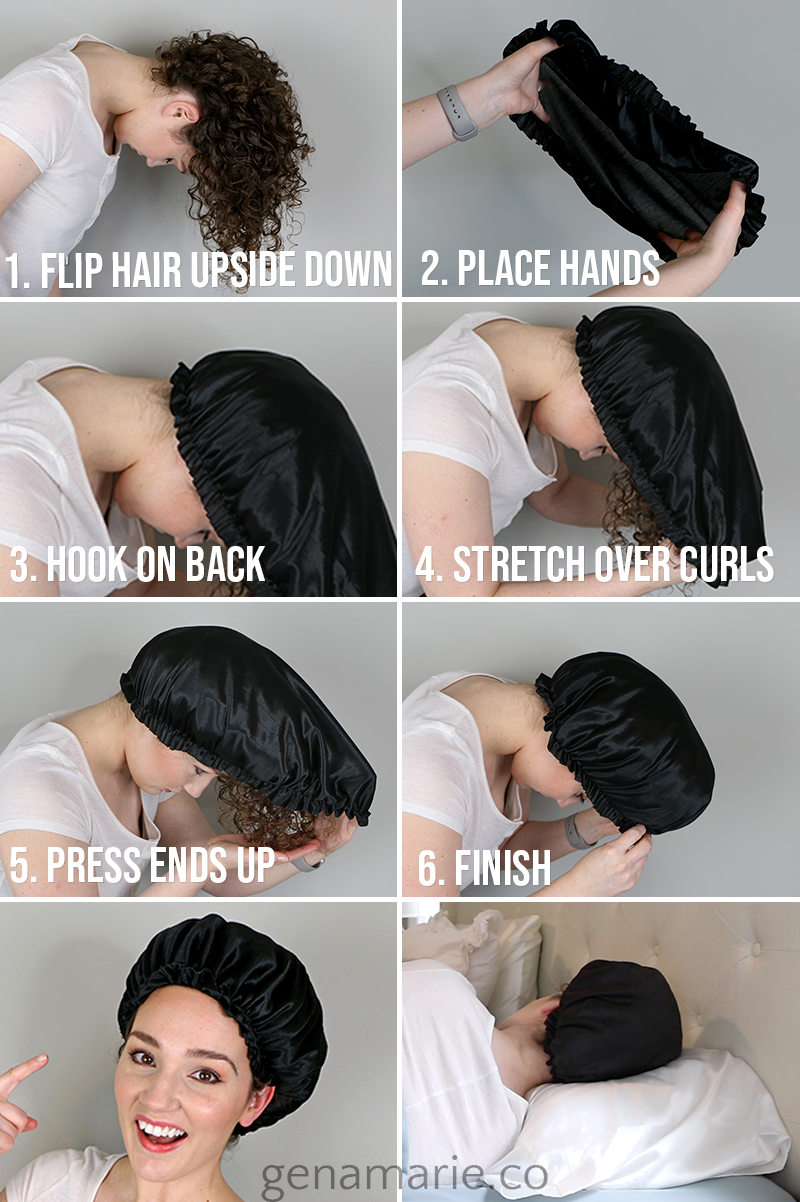
At its core, a silk or satin bonnet serves as a protective barrier designed to mitigate friction between hair strands and abrasive surfaces, such as cotton pillowcases. From a product design perspective, the success of the bonnet lies in its ability to solve a specific, recurring pain point: nocturnal hair disruption.
Friction Reduction and Moisture Retention
Cotton fabrics are porous and absorbent, effectively wicking away natural sebum and supplemental moisture from the hair fiber while a person sleeps. This leads to dryness, brittleness, and breakage. A bonnet made of high-quality silk or satin creates a smooth, frictionless interface. This feature is a quintessential example of “problem-solution” branding. By emphasizing the retention of moisture—essential for maintaining hair health—brands successfully market the bonnet not as a mere accessory, but as a mandatory tool for hair longevity.
The Role of Material Science in Brand Positioning
Brands that specialize in bonnets often differentiate themselves through material sourcing. The transition from synthetic satin (typically polyester) to 100% mulberry silk has allowed companies to pivot toward a “premium” brand identity. When a brand focuses on material quality, it signals to the consumer that they are an expert in fabric science. This perception of expertise is a cornerstone of effective brand strategy. By educating the consumer on why silk is superior to cotton or synthetic alternatives, the brand establishes trust, turning a simple commodity into a high-value lifestyle essential.
Strategic Branding Through Educational Content
The utility of the bonnet provides a fertile ground for content marketing. Brands that thrive in this space do not just sell a piece of headwear; they sell a routine. By positioning the bonnet as a pillar of a nightly self-care ritual, companies expand their market share and increase the “lifetime value” of their customers.
Building Authority Through Hair Education
A sophisticated brand strategy involves educating the audience on why they need the product. Through blogs, tutorials, and social media content, successful brands explain the science of hair porosity, the importance of retaining nighttime moisture, and the prevention of mechanical damage. This content serves a dual purpose: it provides genuine value to the consumer while cementing the brand’s status as a thought leader. When a brand successfully positions itself as an authority, the bonnet becomes a symbol of the “informed consumer.”

Community and Identity Construction
The bonnet has become a cultural icon, representing intentionality in personal care. Brands that capitalize on this identity use inclusive marketing to build a sense of community. By featuring diverse hair types and textures in their campaigns, brands demonstrate that their product is versatile and essential for everyone. This strategy builds a strong corporate identity that is synonymous with self-respect and intentionality. When customers identify with the values of a brand, they are more likely to become brand advocates, which is the most effective form of marketing in the digital age.
The Economics of the Niche Beauty Market
From a business perspective, the surge in popularity of the bonnet reflects a broader trend in the “Self-Care Economy.” As consumers become increasingly conscious of the health implications of their daily habits, they are willing to invest in products that facilitate long-term maintenance.
Product Ecosystems and Upselling
The most successful companies in this niche do not stop at the bonnet. They view the bonnet as an entry point into a larger product ecosystem. This is a classic brand expansion strategy. A customer who purchases a silk bonnet is highly likely to be interested in matching silk pillowcases, microfiber hair towels, or specialized hair oils. By creating a cohesive brand aesthetic and a logical progression of products, companies increase the average order value (AOV) and create a comprehensive “haircare ecosystem.”
Leveraging Social Proof and Influencer Partnerships
In the beauty industry, trust is the primary currency. Because the benefits of a bonnet—such as reduced frizz and maintained curl patterns—are tangible and visible, it is an ideal product for social media validation. Influencer partnerships serve as a form of “proof of concept.” When a trusted voice in the beauty community demonstrates the difference in hair quality after using a bonnet, it creates immediate social proof. This strategy is critical for branding because it bypasses the skepticism consumers often have toward new products, replacing it with peer-validated evidence.
Future Trends in Protective Headwear Branding
As the market matures, the branding of the bonnet is evolving to meet higher standards of sustainability and aesthetic design. The future of this product category lies in how well brands can adapt to the shifting expectations of the modern consumer.
Sustainability as a Competitive Advantage
Consumers are increasingly demanding transparency regarding the environmental impact of their beauty purchases. Brands that source sustainable, ethical silk or utilize recycled materials are finding that this aligns with the modern consumer’s values. Integrating a sustainability narrative into the brand identity is no longer optional; it is a vital part of long-term brand equity. Highlighting a commitment to the planet while providing a solution for hair health creates a compelling brand story that resonates with a wider demographic.

Aesthetics and the “Lifestyle” Pivot
We are currently seeing a shift where the bonnet is being designed not just for sleep, but as a fashion-forward accessory. This “athleisure” approach to headwear—incorporating bold patterns, logos, and versatile designs—allows brands to expand their reach beyond the bedroom. By positioning the bonnet as an item that can be worn for errands or outdoor activities, brands are effectively reclassifying their product. This pivot from “sleep aid” to “lifestyle accessory” is a brilliant brand strategy that opens up new revenue streams and increases brand visibility in public spaces.
Ultimately, the bonnet helps with much more than hair maintenance; it serves as a powerful instrument for brand positioning and consumer engagement. By focusing on the tangible benefits of moisture retention and friction reduction, brands can build a narrative of health and intentionality. When combined with strong educational content, ethical sourcing, and a focus on community identity, the bonnet becomes a cornerstone of a successful beauty brand. It proves that in the modern marketplace, even the simplest products can be transformed into essential pillars of a brand’s success if the underlying strategy is sound, the communication is authentic, and the value proposition is clear. As the beauty industry continues to evolve, the brands that understand how to blend functional utility with a compelling lifestyle identity will continue to lead the market, setting the standard for how we perceive and practice self-care.
aViewFromTheCave is a participant in the Amazon Services LLC Associates Program, an affiliate advertising program designed to provide a means for sites to earn advertising fees by advertising and linking to Amazon.com. Amazon, the Amazon logo, AmazonSupply, and the AmazonSupply logo are trademarks of Amazon.com, Inc. or its affiliates. As an Amazon Associate we earn affiliate commissions from qualifying purchases.