
In today’s dynamic financial landscape, the decision to purchase a used car often involves securing a loan, making the “used car interest rate” a pivotal element in the overall cost. Far from being a simple, fixed number, this rate is a complex interplay of personal financial health, market conditions, and the specific terms of the loan itself. Understanding what drives these rates, how they compare to other forms of credit, and the strategies for securing the most favorable terms is crucial for any savvy consumer. This comprehensive guide delves into the intricacies of used car interest rates, offering insights to empower you on your next vehicle purchase journey.
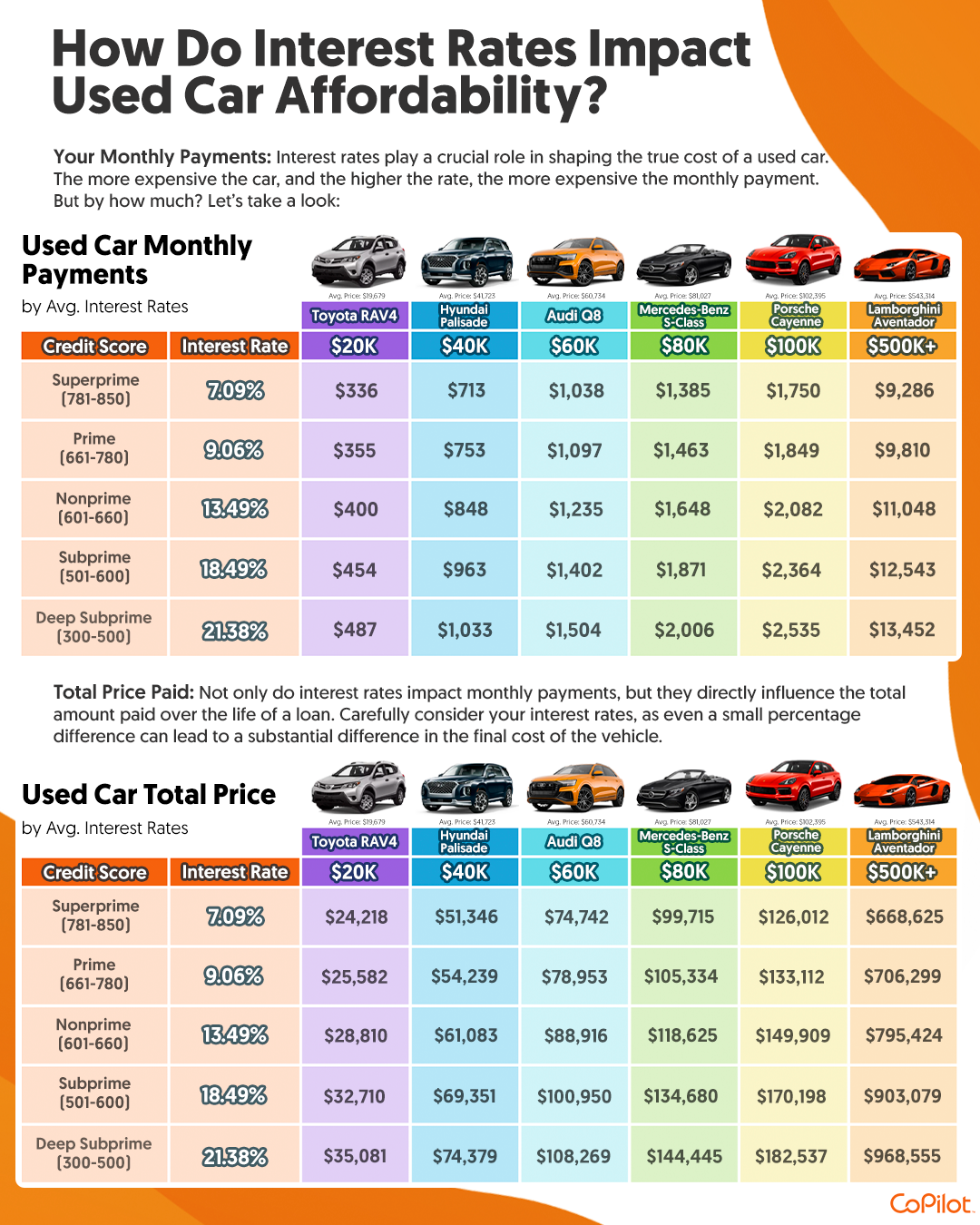
Understanding the Fundamentals of Used Car Interest Rates
At its core, an interest rate is the cost of borrowing money, expressed as a percentage of the principal amount. When it comes to used cars, this rate dictates how much extra you’ll pay over the life of your loan beyond the car’s sticker price. However, there’s more to it than just a single percentage.
Defining Interest Rates and APR in Auto Loans
While often used interchangeably, “interest rate” and “Annual Percentage Rate” (APR) are distinct concepts, especially in the context of auto loans. The interest rate is simply the percentage charged by the lender for the use of their money. The APR, on the other hand, provides a more comprehensive measure of the total cost of borrowing, as it includes not only the interest rate but also any additional fees or charges associated with the loan, such as origination fees, documentation fees, or processing fees. For consumers, comparing APRs across different loan offers provides a more accurate picture of the true cost of each loan, making it the preferred metric for comparison shopping. A lower APR directly translates to lower monthly payments and less money paid overall.
Why Used Car Rates Differ from New Car Rates
It’s a common observation that interest rates for used cars are typically higher than those for new cars. Several factors contribute to this disparity. Firstly, new cars are generally seen as less risky collateral by lenders. They hold a higher initial value, are under warranty, and have a more predictable depreciation curve, making them easier for lenders to recoup losses if a borrower defaults. Used cars, by contrast, have already undergone a significant portion of their depreciation, may have existing wear and tear, and often lack a comprehensive manufacturer’s warranty. This increased risk profile for the lender translates into higher interest rates for the borrower.
Secondly, the loan amounts for used cars are usually smaller than for new cars, but the administrative costs for processing a loan remain relatively constant. Lenders may charge a slightly higher rate on smaller loans to ensure profitability. Lastly, the resale market for used cars can be more volatile, further increasing the perceived risk for lenders. These combined factors mean that even borrowers with excellent credit scores will often find their used car loan APRs a few percentage points higher than what they might receive for a brand-new vehicle.
The Core Components of an Auto Loan: Principal, Interest, Term
Every auto loan, whether for a new or used vehicle, is fundamentally comprised of three key components:
- Principal: This is the initial amount of money you borrow to purchase the car. It’s the car’s price minus any down payment or trade-in value.
- Interest: This is the cost of borrowing the principal, calculated as a percentage and added to your repayment schedule.
- Term: This refers to the duration over which you agree to repay the loan, typically expressed in months (e.g., 36, 48, 60, 72 months).
The interplay between these three elements is crucial. A longer loan term generally results in lower monthly payments, which can seem attractive. However, it also means you’ll pay more interest over the life of the loan. Conversely, a shorter term leads to higher monthly payments but significantly reduces the total interest paid. Understanding this dynamic allows you to balance affordability with the overall cost of borrowing, making an informed decision that aligns with your financial goals.
Key Factors Influencing Your Used Car Interest Rate
While general market trends set a baseline, your individual used car interest rate is highly personalized. Lenders assess various factors to determine the level of risk associated with lending to you, which directly impacts the rate they offer.
The Pivotal Role of Your Credit Score
Your credit score is arguably the most influential factor determining the interest rate you’ll receive. This three-digit number, generated by credit bureaus, is a numerical representation of your creditworthiness – your history of borrowing and repaying debt. Borrowers with excellent credit scores (typically 760+) are considered low-risk and qualify for the lowest interest rates, often referred to as “prime” rates. As your credit score decreases, the perceived risk to the lender increases, leading to higher interest rates. Those with fair (620-679) or poor (under 620) credit scores might be offered significantly higher “subprime” rates, reflecting the lender’s increased risk of default. It’s advisable to check your credit score and report well in advance of applying for a loan to identify any errors and understand your standing.
Loan Term, Down Payment, and Vehicle Specifics
Beyond your credit score, other elements of the loan and the vehicle itself play a significant role:
- Loan Term: As discussed, longer loan terms (e.g., 72 or 84 months) often come with slightly higher interest rates compared to shorter terms (e.g., 36 or 48 months). Lenders associate longer terms with increased risk, as more can change over an extended period.
- Down Payment: A substantial down payment reduces the amount you need to borrow, thus lowering the lender’s risk exposure. This often translates to a more favorable interest rate. A larger down payment also builds immediate equity in the vehicle, which can be advantageous.
- Vehicle Specifics: The age, mileage, make, model, and overall condition of the used car can influence the interest rate. Lenders prefer vehicles that retain their value well and are less likely to require immediate costly repairs, as these are easier to repossess and resell if the borrower defaults. Older, high-mileage vehicles are typically considered higher risk.
Lender Type and Broader Economic Conditions (e.g., Fed Rates)
The source of your loan can also impact the rate. Banks, credit unions, and online lenders each have different risk appetites and fee structures. Credit unions, being not-for-profit organizations, often offer some of the most competitive rates to their members. Dealership financing, while convenient, sometimes includes a markup, though dealers can also have access to special offers from captive finance companies.
Furthermore, broader economic conditions, particularly the actions of the Federal Reserve, have a ripple effect on all lending rates, including used car loans. When the Federal Reserve raises its benchmark interest rate, it becomes more expensive for banks to borrow money, a cost they then pass on to consumers in the form of higher loan rates. Conversely, during periods of economic stimulus, rates tend to be lower. Inflationary pressures can also drive rates up as lenders seek to maintain the real value of their returns.
Current Market Trends and Average Used Car Interest Rates
Staying informed about current market trends is essential for setting realistic expectations and identifying a competitive offer. Average used car interest rates can fluctuate significantly based on economic cycles and lending policies.
Benchmarking Averages: What to Expect
Average interest rates for used car loans can vary widely, typically ranging from 4% to 12% or even higher, depending primarily on the borrower’s creditworthiness and the economic climate. For borrowers with excellent credit (FICO score 760+), rates might fall into the 4%–7% range. Those with good credit (700-759) could expect rates from 6%–10%. Fair credit (620-699) might see rates between 10%–15%, while subprime borrowers (under 620) could face rates exceeding 15% or even 20%. These figures are averages and are subject to constant change, emphasizing the importance of getting personalized quotes. Online financial tools and interest rate aggregators can provide real-time estimates based on your credit profile.

The Impact of Economic Shifts and Inflation
Recent economic shifts, including periods of high inflation and central bank responses, have had a notable impact on used car interest rates. When inflation is high, the Federal Reserve tends to raise interest rates to cool the economy. This makes borrowing more expensive across the board, including for auto loans. Conversely, in a recession or slow economic period, rates might drop to stimulate consumer spending. The supply chain issues that have plagued the automotive industry in recent years have also driven up used car prices, meaning borrowers are taking out larger loans, which can amplify the impact of higher interest rates on their monthly payments. Keeping an eye on economic news and Federal Reserve announcements can provide valuable context for understanding the prevailing rate environment.
Prime vs. Subprime: Understanding Rate Tiers
Lenders categorize borrowers into different tiers based on their credit risk, primarily driven by their credit score.
- Prime Borrowers: These are individuals with excellent credit scores (typically FICO 680 or above, often much higher for the very best rates). They represent the lowest risk to lenders and are offered the most competitive interest rates.
- Subprime Borrowers: These are individuals with lower credit scores (typically FICO under 620-660), indicating a higher risk of default. Lenders charge significantly higher interest rates to compensate for this increased risk. Subprime loans often come with stricter terms, higher fees, and sometimes shorter repayment periods, making them more challenging to manage.
Understanding which tier you fall into is crucial for setting realistic expectations and strategizing how to improve your financial standing if you’re currently in a subprime category. Even a modest improvement in your credit score can move you into a better tier, potentially saving you thousands of dollars over the life of the loan.
Strategies for Securing the Best Possible Interest Rate
A proactive approach can significantly impact the interest rate you receive, potentially saving you a substantial amount of money over the life of your loan. Don’t simply accept the first offer; empowered negotiation is key.
The Power of Pre-Approval and Rate Shopping
One of the most effective strategies is to get pre-approved for an auto loan before you even step foot in a dealership. Pre-approval from a bank, credit union, or online lender provides you with a firm offer for a loan amount and interest rate, allowing you to know exactly what you can afford and what rate you qualify for. This turns you into a cash buyer at the dealership, giving you leverage to negotiate on the car’s price without the pressure of figuring out financing on the spot.
Beyond pre-approval, actively rate shopping is paramount. Contact multiple lenders—banks, credit unions, and online providers—and solicit quotes. Lenders typically offer a window of 14-45 days where multiple credit inquiries for the same type of loan are counted as a single inquiry, minimizing the impact on your credit score. By comparing several genuine offers, you can identify the most competitive rate and use it as a benchmark, even when discussing financing options with the dealership.
Boosting Your Credit Profile Before Applying
Given the outsized influence of your credit score, taking steps to improve it before applying for a loan can yield significant savings.
- Review Your Credit Report: Obtain free copies of your credit reports from all three major bureaus (Equifax, Experian, TransUnion) and dispute any inaccuracies. Even small errors can negatively affect your score.
- Pay Bills on Time: Payment history is the most important factor in your credit score. Ensure all bills, especially credit card payments, are paid punctually.
- Reduce Debt: Lowering your credit utilization ratio (the amount of credit you’re using compared to your total available credit) can quickly boost your score. Pay down credit card balances as much as possible.
- Avoid New Credit: Refrain from opening new credit accounts or making large purchases on existing credit in the months leading up to your car loan application, as this can temporarily lower your score.
Even small improvements can move you into a more favorable credit tier, making a tangible difference in your interest rate.
Negotiating with Dealerships and Lenders Effectively
While pre-approval arms you with a strong position, negotiation doesn’t end there.
- Haggle the Price Separately: Always negotiate the vehicle’s price independently of the financing. Once you agree on a price, then discuss financing.
- Leverage External Offers: If the dealership offers financing, present them with your pre-approved rate. They might be willing to match or even beat it to earn your business, especially if they have access to special programs through their captive finance arm.
- Be Prepared to Walk Away: The most powerful negotiation tool is the willingness to walk away if the terms aren’t satisfactory. This signals to the seller that you’re serious and not desperate, often prompting them to improve their offer.
- Read the Fine Print: Before signing any loan documents, meticulously review every detail. Understand the APR, total loan amount, total interest paid, any prepayment penalties, and all associated fees. Ensure there are no hidden costs or terms you don’t agree with.
The Long-Term Impact: How Interest Rates Affect Your Financial Health
The interest rate on your used car loan is more than just a number; it profoundly influences the overall cost of your vehicle and your long-term financial stability. A seemingly small difference in rate can accumulate into thousands of dollars over the loan’s duration.
Calculating the True Cost of Your Used Car Loan
Many buyers focus solely on the monthly payment, often overlooking the total cost of the loan. An interest rate calculation will reveal the real expense. For instance, on a $20,000 loan over 60 months:
- At 5% APR, your total interest paid would be approximately $2,645.
- At 10% APR, your total interest paid would jump to approximately $5,357.
- At 15% APR, you’d pay around $8,227 in interest.
This simple example illustrates that a 10 percentage point difference in APR can nearly triple your interest costs. Using an online auto loan calculator, input different interest rates and loan terms to visualize the total cost of ownership. This comprehensive view helps you understand the long-term financial implications and make a decision that aligns with your budget and financial goals. Factoring in insurance, maintenance, and fuel costs will further paint a picture of the car’s true financial footprint.
The Benefits of Lower Rates Over the Life of the Loan
Securing a lower interest rate offers several significant advantages:
- Reduced Total Cost: The most obvious benefit is paying less money overall for the same vehicle. This frees up capital that can be used for other financial priorities, such as savings, investments, or debt reduction.
- Lower Monthly Payments: A lower rate directly translates to a smaller portion of each monthly payment going towards interest, potentially lowering your payment amount (assuming the same principal and term).
- Faster Equity Building: With less interest eroding your payments, more of your money goes towards paying down the principal, allowing you to build equity in your car faster. This is particularly important for used cars, which depreciate quickly.
- Increased Financial Flexibility: Lower payments and reduced overall debt improve your debt-to-income ratio, making it easier to qualify for other loans or credit in the future. It also reduces financial strain, providing more breathing room in your budget.

When Refinancing Your Used Car Loan Makes Sense
Even after you’ve secured a used car loan, your financial journey isn’t necessarily over. Refinancing can be a powerful tool to reduce your interest rate and improve your loan terms. Consider refinancing if:
- Your Credit Score Has Improved: If you’ve diligently worked on improving your credit score since you initially took out the loan, you might now qualify for a significantly lower interest rate.
- Market Rates Have Dropped: If overall interest rates have declined since you first financed your car, refinancing could secure you a more favorable rate.
- You Want to Adjust Your Loan Term: You might want to shorten your loan term to pay it off faster (and save on interest) or extend it to lower your monthly payments (though this increases total interest).
- You’re Stuck with a High-Interest Loan: If you initially had poor credit or didn’t shop around, and are now paying a very high interest rate, refinancing is often a wise move.
Before refinancing, compare offers from multiple lenders, factor in any refinancing fees, and calculate the potential savings to ensure it’s a financially beneficial decision.
In conclusion, understanding “what is the used car interest rate” goes far beyond a simple definition. It requires a grasp of personal finance, market dynamics, and strategic planning. By being informed about the factors influencing rates, diligently shopping for the best terms, and proactively managing your credit, you can significantly reduce the cost of your used car and make a financially sound decision that benefits you for years to come.
aViewFromTheCave is a participant in the Amazon Services LLC Associates Program, an affiliate advertising program designed to provide a means for sites to earn advertising fees by advertising and linking to Amazon.com. Amazon, the Amazon logo, AmazonSupply, and the AmazonSupply logo are trademarks of Amazon.com, Inc. or its affiliates. As an Amazon Associate we earn affiliate commissions from qualifying purchases.