
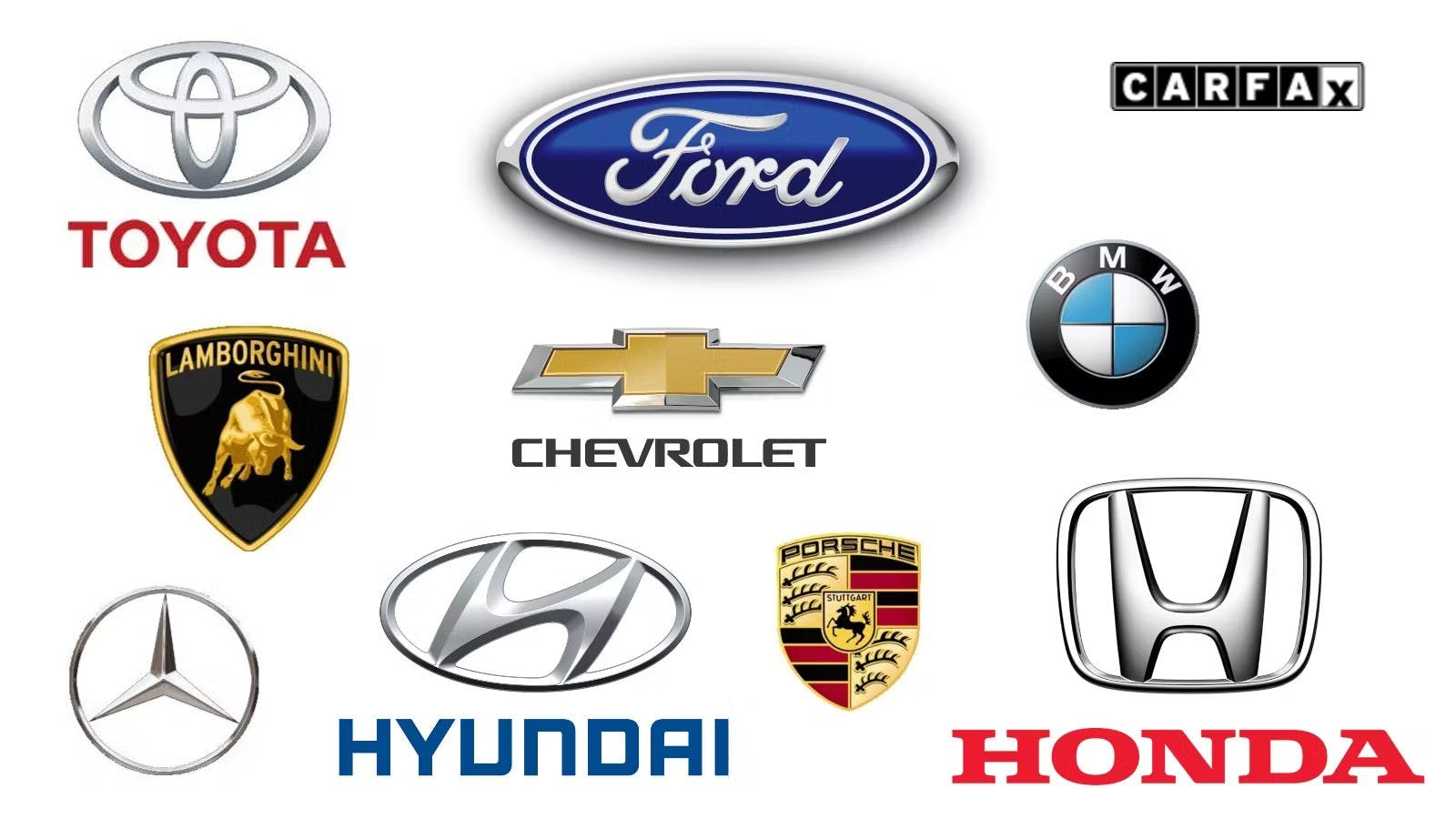
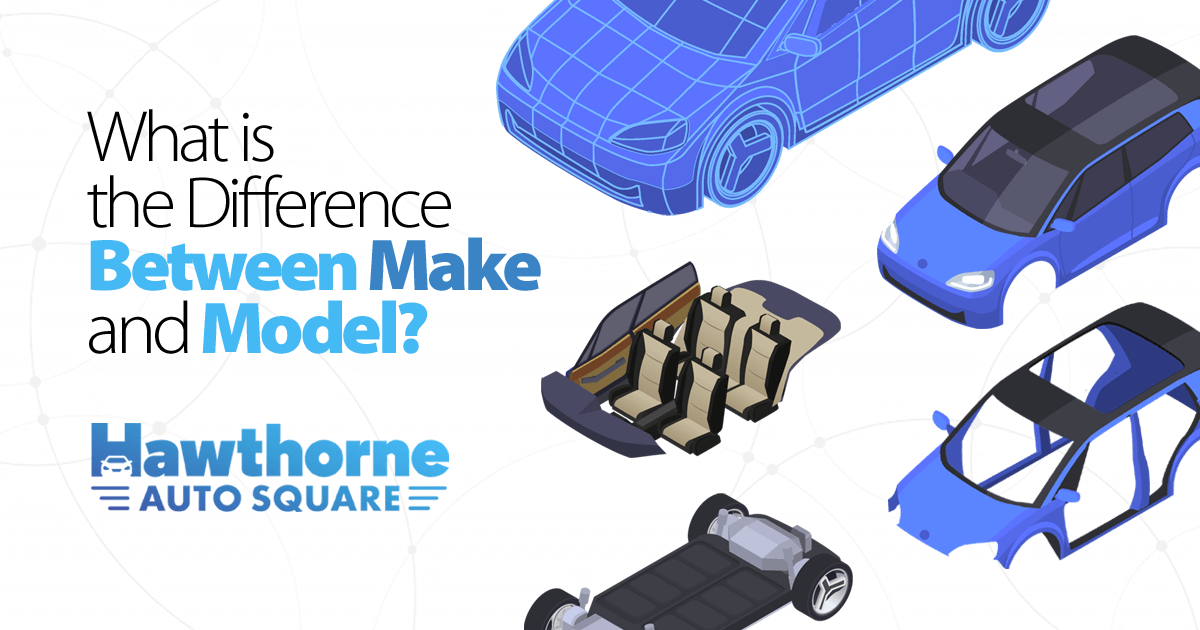
The question, “What is a make of car?” might seem straightforward, but beneath its simplicity lies a fundamental concept that influences everything from brand loyalty and marketing strategies to technological innovation and personal finance. In the world of automobiles, the “make” is the manufacturer – the entity responsible for designing, engineering, and producing the vehicles we drive. It’s the name proudly displayed on the grille, the badge that signifies a particular heritage, a distinct set of values, and often, a specific technological focus.
This article will delve into the essence of a car’s make, exploring how it intertwines with the core tenets of technology, brand identity, and financial considerations. We’ll uncover how manufacturers leverage technology to differentiate themselves, how their brand strategies shape consumer perception, and how understanding the make of a car can be a crucial factor in personal finance and investment decisions.
The Pillars of Automotive Identity: Tech, Brand, and Money
The automotive landscape is far more than just a collection of metal, rubber, and glass. It’s a dynamic ecosystem where technological advancements, intricate brand strategies, and significant financial implications converge. Understanding the make of a car requires us to examine these three interconnected pillars.
Exploring the Technological Heartbeat of a Make
Technology is the engine of innovation in the automotive industry, and the “make” is often synonymous with a manufacturer’s commitment to, and direction of, technological development. From the internal combustion engine’s early days to the electric vehicle revolution and the burgeoning era of autonomous driving, car makes have consistently pushed the boundaries of what’s possible.
From Powertrain to AI: The Evolution of Automotive Tech
Historically, the distinction between car makes was often defined by their powertrain technology. Brands might have been known for their robust, reliable engines (think of certain American makes) or their fuel-efficient, advanced engineering (often associated with Japanese manufacturers). The advent of hybrid technology and then the widespread adoption of electric vehicles (EVs) has dramatically reshaped this landscape. Today, a car’s make can signal its approach to electrification:
- Pioneers in EVs: Brands like Tesla, which emerged as a tech company before it was traditionally thought of as an automotive one, have built their entire identity around electric propulsion, advanced battery technology, and cutting-edge software integration. Their “make” is intrinsically linked to their technological leadership in this space.
- Established Players Electrifying: Traditional car manufacturers (e.g., Ford, General Motors, BMW, Mercedes-Benz) are now heavily investing in EV platforms. Their makes are evolving to represent a blend of their historical strengths (luxury, performance, ruggedness) with their new commitment to sustainable mobility. The technology they employ, from battery management systems to charging infrastructure partnerships, becomes a key differentiator for their make.
- Niche and Emerging Tech: Beyond just electrification, car makes are differentiating themselves through various technological avenues:
- Software and Connectivity: The car is rapidly becoming a “computer on wheels.” Brands are investing heavily in their infotainment systems, over-the-air updates, app integration, and digital cockpits. A make’s reputation for intuitive software, seamless connectivity, and advanced digital security can significantly influence consumer choice. For instance, a make known for its user-friendly AI-powered assistants or robust app ecosystem will appeal to a different demographic than one focused solely on raw mechanical engineering.
- Advanced Driver-Assistance Systems (ADAS) and Autonomous Driving: Features like adaptive cruise control, lane-keeping assist, automatic emergency braking, and the promise of full self-driving capabilities are increasingly becoming defining characteristics of a car’s make. Manufacturers are developing proprietary AI algorithms and sensor suites, making their make synonymous with different levels of driving assistance and future autonomy.
- Materials Science and Manufacturing: Innovative use of lightweight materials (carbon fiber, advanced aluminum alloys) or novel manufacturing techniques can also become a hallmark of a particular make, contributing to performance, efficiency, and unique design aesthetics.
Reviews and Tutorials: Understanding a Make Through its Tech
When consumers research a car make, they often look beyond basic specifications. Tech reviews that dissect a car’s infotainment system, its battery performance, or the effectiveness of its ADAS features provide crucial insights. Tutorials on how to use advanced features, optimize charging, or understand the digital security protocols of a specific make empower potential buyers. This constant flow of information about the technological underpinnings of a make helps shape its public perception and informs purchase decisions, aligning perfectly with the “Tech” focus of our website.
The Art of Persuasion: Brand Strategy and Automotive Makes
The “make” of a car is not just about the technology it employs; it’s a carefully cultivated brand. Brand strategy, personal branding, corporate identity, marketing, and design all play pivotal roles in how a car make is perceived by the public, impacting its reputation and, ultimately, its sales.
Crafting an Identity: Beyond the Logo
A car’s make is a powerful symbol. It evokes emotions, associations, and expectations. This brand identity is meticulously crafted through a combination of strategies:
- Heritage and Legacy: Many established car makes draw strength from their history. A make with a long lineage might emphasize its engineering prowess, its racing heritage, or its commitment to craftsmanship. This narrative creates a sense of trust and prestige, attracting consumers who value tradition and proven reliability.
- Target Audience and Lifestyle: Each make aims to connect with a specific demographic or lifestyle. Is it the luxury seeker, the performance enthusiast, the eco-conscious individual, the family needing space, or the budget-conscious commuter? Marketing campaigns, product design, and even the dealership experience are tailored to resonate with these target audiences, reinforcing the brand’s identity.
- Design Language: The aesthetic of a car – its lines, curves, interior layout, and even the design of its badging – is a critical component of its make’s brand. A sleek, minimalist design language might signify modernity and sophistication, while a more rugged, utilitarian design speaks to durability and off-road capability. Case studies in automotive design often highlight how a consistent and compelling design language can elevate a make to iconic status.
- Marketing and Communication: The way a make advertises, the celebrity endorsements it uses, and the stories it tells all contribute to its brand perception. Effective marketing builds an emotional connection, making consumers feel that owning a car from a particular make aligns with their aspirations and values. Corporate identity extends beyond just the product, encompassing the company’s ethos, its social responsibility initiatives, and its overall presence in the public sphere.
- Reputation Management: In the digital age, a car make’s reputation can be built or broken online. Positive reviews, customer testimonials, and proactive engagement with feedback all contribute to a strong brand image. Conversely, negative publicity surrounding reliability issues, recalls, or ethical concerns can significantly damage a make’s standing.
Personal Branding Through Automotive Choice
For individuals, the car they drive can be an extension of their personal brand. Choosing a specific make and model can communicate aspects of their personality, their financial status, their values, and their aspirations. A sports car might signal a desire for excitement and performance, a luxury sedan might convey success and sophistication, and an electric SUV might communicate an environmental consciousness. This interplay between personal identity and the brand of a car is a fascinating aspect of consumer psychology.
The Financial Equation: Understanding Value, Investment, and Cost
The “make” of a car is also intrinsically linked to financial considerations, encompassing personal finance, investing, online income, side hustles, business finance, and the use of financial tools. The price point, depreciation rates, running costs, and potential for future value are all influenced by the manufacturer.
From Purchase Price to Long-Term Value
When we talk about the financial implications of a car make, we’re referring to a spectrum of costs and potential returns:
- Purchase Price and Affordability: Different car makes operate at vastly different price points. Luxury makes will command significantly higher prices than economy or mainstream makes. Understanding the financial capabilities of a make is crucial for budgeting and securing appropriate financing. For those seeking online income or side hustles, the initial investment in a vehicle from a particular make can be a significant factor.
- Depreciation and Resale Value: The rate at which a car depreciates – loses value over time – is heavily influenced by its make and model. Some makes are known for their strong resale value, meaning they hold their worth better than others. This is often tied to factors like perceived reliability, demand in the used car market, and the brand’s overall reputation. This is a key consideration for personal finance and investment strategies. A car, while often a depreciating asset, can also be a tool for generating income through ride-sharing services or delivery jobs.
- Running Costs: Beyond the purchase price, the ongoing costs of owning a car are a significant financial consideration. This includes fuel efficiency (or electricity costs for EVs), insurance premiums, maintenance and repair costs, and taxes. Some makes are known for their lower running costs due to robust engineering, readily available parts, or efficient powertrains. This directly impacts personal finance and can be a deciding factor for those looking for cost-effective side hustles.
- Financing and Leasing Options: The financial tools available for purchasing a car can also be influenced by the make. Manufacturers often offer their own financing or leasing programs, which can be attractive to consumers. Understanding these options, and how they compare to third-party financing, is a crucial part of business finance and personal financial planning.
- Investment Potential (Rare, but Possible): While most cars are depreciating assets, certain rare or classic makes can appreciate in value over time, becoming a form of investment. Enthusiasts and collectors invest in specific makes and models, recognizing their historical significance or potential for future market demand.
Financial Tools and Decision-Making
Savvy consumers and businesses utilize various financial tools to make informed decisions about car purchases. This includes:
- Total Cost of Ownership Calculators: These tools help estimate the long-term financial impact of owning a vehicle from a specific make, factoring in depreciation, running costs, and maintenance.
- Loan and Lease Comparison Tools: Helping individuals find the best financing options available for a particular make.
- Investment Tracking Tools: For those considering classic cars as an investment, these tools can help monitor market trends and value appreciation.
By understanding the financial implications tied to the “make” of a car, individuals and businesses can make more strategic decisions, optimize their budgets, and even explore opportunities for generating income.
Conclusion: The Make as a Multifaceted Indicator
In conclusion, the question “what is a make of car?” leads us to a deeper understanding of the automotive world. It’s not merely about recognizing a logo; it’s about comprehending the technological vision, the carefully crafted brand identity, and the significant financial implications that each manufacturer represents. From the cutting-edge AI powering autonomous features to the brand stories that resonate with our aspirations, and the crucial financial calculations that underpin every purchase, the make of a car is a powerful, multifaceted indicator that shapes our choices, our experiences, and our understanding of mobility. By examining car makes through the lenses of technology, brand, and money, we gain a more complete picture of this vital industry and its profound impact on our lives.
aViewFromTheCave is a participant in the Amazon Services LLC Associates Program, an affiliate advertising program designed to provide a means for sites to earn advertising fees by advertising and linking to Amazon.com. Amazon, the Amazon logo, AmazonSupply, and the AmazonSupply logo are trademarks of Amazon.com, Inc. or its affiliates. As an Amazon Associate we earn affiliate commissions from qualifying purchases.