
The concept of a “livable wage” is a critical topic in personal finance, representing the income level required for an individual or family to afford basic necessities and maintain a decent standard of living, free from public or private poverty assistance. Unlike the federally mandated minimum wage, which serves as a legal floor for hourly pay, a livable wage is calculated based on actual costs of living in a specific area, reflecting a more realistic financial benchmark for true economic stability. Understanding this distinction is fundamental for anyone navigating their financial journey in the United States.
Defining the Livable Wage vs. Minimum Wage
The terms “livable wage” and “minimum wage” are often used interchangeably, but they represent fundamentally different financial benchmarks with distinct implications for personal finance and economic well-being.
The Minimum Wage Floor
The minimum wage is the lowest hourly wage an employer can legally pay their workers. Established at both federal and state levels, its primary purpose is to set a baseline income to prevent exploitation and ensure that even the lowest-paid workers earn something. However, the minimum wage is not inherently designed to cover the full cost of living. The federal minimum wage has been set at $7.25 per hour since 2009, and while many states and cities have enacted higher minimums to better reflect local economies, even these often fall short of what is truly needed for self-sufficiency. For a full-time worker at the federal minimum wage, annual earnings before taxes amount to approximately $15,080, an amount that in many parts of the US is insufficient to cover essential expenses for even a single individual.
The Livable Wage Ceiling: Actual Costs
In contrast, a livable wage is an income level that allows an individual or family to afford basic necessities like housing, food, childcare, healthcare, transportation, and other essential expenses, without relying on public assistance or incurring debilitating debt. It’s a localized and dynamic figure, varying significantly based on geographic location, family size, and the prevailing cost of goods and services in a particular area. Economic models, often developed by academic institutions and advocacy groups, calculate the livable wage by itemizing these fundamental costs. The goal is not just survival, but thriving—to afford a modest yet dignified lifestyle, including some discretionary spending and the ability to save for the future. For instance, a single adult in a major metropolitan area might require significantly more than a single adult in a rural setting to meet these basic needs.
Components of a Livable Wage: Beyond Basic Needs
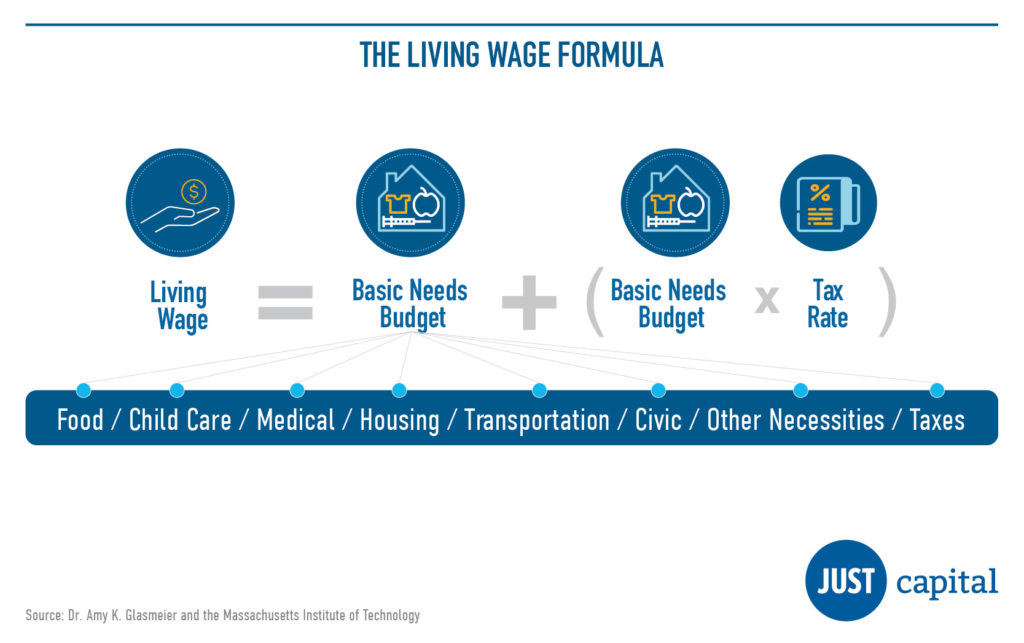
Calculating a livable wage involves a comprehensive assessment of various expenditure categories, moving beyond mere subsistence to encompass the true cost of participating in society and planning for the future.
Housing and Utilities
Housing is typically the largest expenditure for most households. A livable wage calculation considers the median rent for a modest, safe dwelling (e.g., a one-bedroom apartment for a single adult or a two-bedroom for a couple with a child) within a specific geographic area. Beyond rent or mortgage payments, utility costs—electricity, heating, water, and internet—are also factored in, as these are non-negotiable for modern living. The commonly accepted standard is that housing costs should not exceed 30% of one’s gross income; a livable wage aims to make this realistic.
Food and Healthcare
Adequate nutrition is fundamental, so food costs are calculated based on national and local averages for healthy, balanced diets for individuals of varying ages and activity levels. Healthcare expenses are another substantial component. Even with employer-provided insurance, out-of-pocket costs such as premiums, deductibles, co-pays, and prescription medications can be considerable. For those without employer benefits, the cost of individual health insurance plans becomes a critical inclusion.
Transportation
The ability to commute to work, access services, and manage daily life requires reliable transportation. Whether it’s the cost of public transit passes, car payments, fuel, insurance, maintenance, or ride-sharing services, these expenses are integral to economic participation. The calculation often considers the most common mode of transport in a given area.
Childcare and Education
For families with children, childcare is often the most significant expense, frequently rivaling or even exceeding housing costs. The cost of quality childcare, pre-school, or after-school programs is a major determinant in a family’s livable wage. Furthermore, basic educational supplies and potential costs for lifelong learning or skills development are also considered for a truly forward-looking wage.
Savings and Discretionary Spending
A truly livable wage isn’t just about meeting immediate needs; it’s also about financial resilience and personal growth. This includes the capacity to save for emergencies, retirement, a down payment on a home, or a child’s education. Discretionary spending, while often seen as a luxury, includes modest amounts for recreation, entertainment, and personal care items, which contribute to mental well-being and social engagement. Without this component, individuals are merely surviving, not living.
Regional Disparities and Cost of Living
The United States is a vast country with immense variations in economic conditions and costs, making the concept of a single national livable wage impractical. What is sufficient in one area may be woefully inadequate in another.
Urban vs. Rural

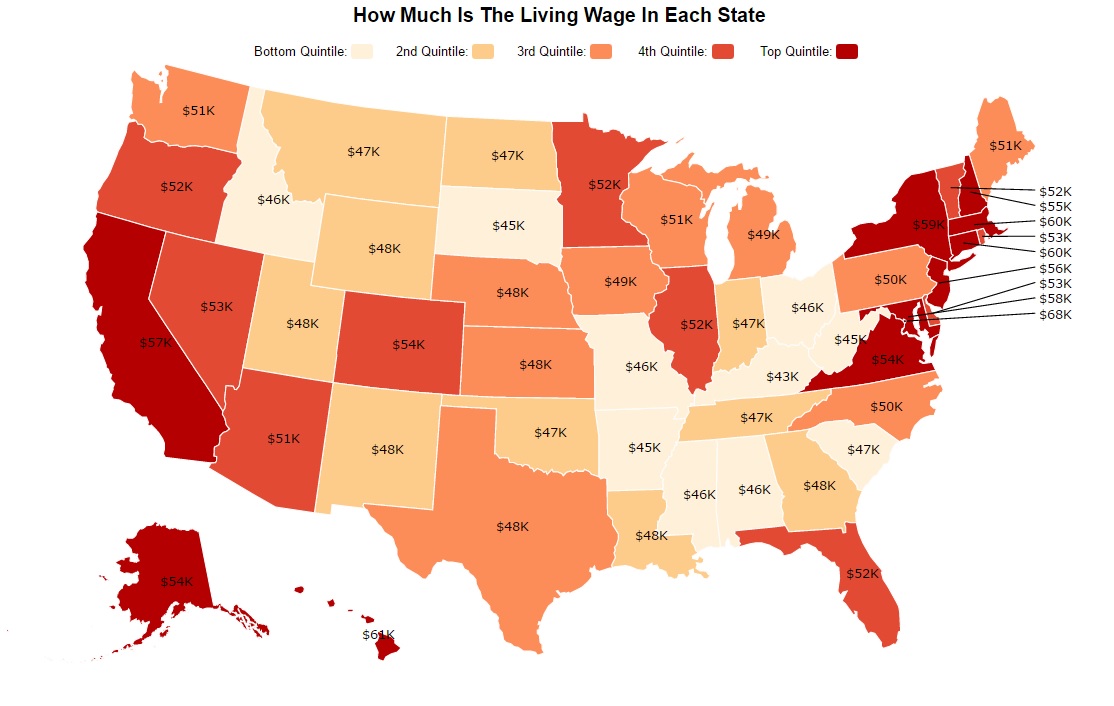
Major urban centers like New York City, San Francisco, or Boston are notorious for their high cost of living, particularly regarding housing. Rents can be several times higher than the national average, inflating the required livable wage significantly. Conversely, many rural areas and smaller towns offer a substantially lower cost of living, with more affordable housing, lower transportation costs, and often less expensive goods and services. This means a livable wage in rural Iowa would be dramatically different from one in urban California.
State-by-State Variations
Beyond the urban-rural divide, state policies, tax structures, and economic landscapes also create considerable variations. States with higher property taxes, sales taxes, or income taxes will naturally require a higher gross income to achieve the same net disposable income. Similarly, states with more robust social safety nets or higher minimum wages might indirectly influence the baseline for what is considered a livable income, though typically the livable wage calculation remains independent of these policies.
The Role of Family Size
The number of dependents in a household is perhaps the most significant factor influencing a livable wage calculation. A single adult requires less income than a single parent with one child, who in turn requires less than a two-parent household with two children. Each additional person, particularly a child, significantly increases costs for food, healthcare, childcare, clothing, and housing. Most livable wage models provide detailed breakdowns for various household compositions, highlighting the exponential increase in income needed to support a family. For example, while a single adult might need $25,000 to $40,000 per year in a given area, a family of four in the same location could require $60,000 to $100,000 or more.
The Economic and Social Impact of Livable Wages
The implications of wages that truly cover the cost of living extend far beyond individual household budgets, influencing broader economic health and social equity.
Individual Well-being and Health
When individuals earn a livable wage, they experience reduced financial stress, which has direct positive impacts on mental and physical health. The ability to afford nutritious food, access preventative healthcare, and live in safe housing contributes to a healthier population. It also provides the stability needed for personal growth, educational pursuits, and community engagement, leading to a more vibrant and resilient citizenry. Reduced financial precarity also means less reliance on high-interest loans or credit card debt to cover basic expenses, freeing individuals from cycles of debt.
Economic Stimulus and Reduced Poverty
A workforce earning livable wages has greater purchasing power, which directly stimulates local economies. With more disposable income, people are more likely to spend at local businesses, creating a positive feedback loop of economic activity. Moreover, a livable wage significantly reduces poverty rates, lessens the burden on public assistance programs, and narrows income inequality. When fewer people struggle to make ends meet, society as a whole becomes more equitable and stable.
Business Benefits (Employee Retention, Productivity)
For businesses, paying a livable wage is not just a social good; it can be a sound financial strategy. Companies that offer competitive, livable wages often experience lower employee turnover, as staff are less likely to seek higher-paying jobs elsewhere. This reduces recruitment and training costs. Furthermore, employees who are financially secure and less stressed tend to be more productive, engaged, and loyal, contributing to a positive work environment and higher quality output. Increased employee morale and reduced absenteeism are tangible benefits that translate into improved business performance.
Strategies for Achieving Financial Stability in a High-Cost Environment
In an era where many wages lag behind the rising cost of living, individuals often need to be proactive in managing their personal finances to achieve or maintain a livable standard.
Budgeting and Expense Tracking
The cornerstone of financial stability is a robust budget. By meticulously tracking income and expenses, individuals can identify where their money is going, cut unnecessary spending, and reallocate funds towards essential needs and savings goals. Using budgeting apps, spreadsheets, or traditional pen-and-paper methods can provide invaluable insight into financial habits and highlight areas for improvement. The goal is to ensure every dollar has a purpose and aligns with one’s financial objectives.
Increasing Income: Side Hustles and Skill Development
When expenses outpace current income, exploring ways to increase earnings becomes critical. This could involve negotiating a higher salary in a current role, seeking promotions, or changing jobs to one that offers better compensation. Many individuals also turn to online income opportunities or side hustles, leveraging skills in areas like freelancing (writing, graphic design, web development), consulting, e-commerce, or gig economy jobs. Investing in skill development through online courses, certifications, or vocational training can also open doors to higher-paying careers, enhancing long-term earning potential.
Strategic Savings and Investing
Even with a livable wage, financial security requires consistent saving and strategic investing. Building an emergency fund (typically 3-6 months of living expenses) is paramount to weathering unexpected financial shocks. Beyond this, regular contributions to retirement accounts (401k, IRA) through passive investing in diversified portfolios can harness the power of compounding interest. Exploring various investment vehicles suitable for different risk tolerances and time horizons is crucial for wealth building and achieving long-term financial goals, such as homeownership or funding higher education.
Leveraging Financial Tools and Resources
The digital age offers a plethora of financial tools and resources designed to help individuals manage their money more effectively. Automated savings apps, investment platforms with robo-advisors, debt management services, and personal finance software can streamline financial processes. Additionally, seeking advice from certified financial planners or accessing free educational resources from reputable organizations can provide tailored guidance and strategies to navigate complex financial landscapes. Understanding and utilizing these tools can empower individuals to make informed decisions and optimize their path to financial well-being.
aViewFromTheCave is a participant in the Amazon Services LLC Associates Program, an affiliate advertising program designed to provide a means for sites to earn advertising fees by advertising and linking to Amazon.com. Amazon, the Amazon logo, AmazonSupply, and the AmazonSupply logo are trademarks of Amazon.com, Inc. or its affiliates. As an Amazon Associate we earn affiliate commissions from qualifying purchases.