
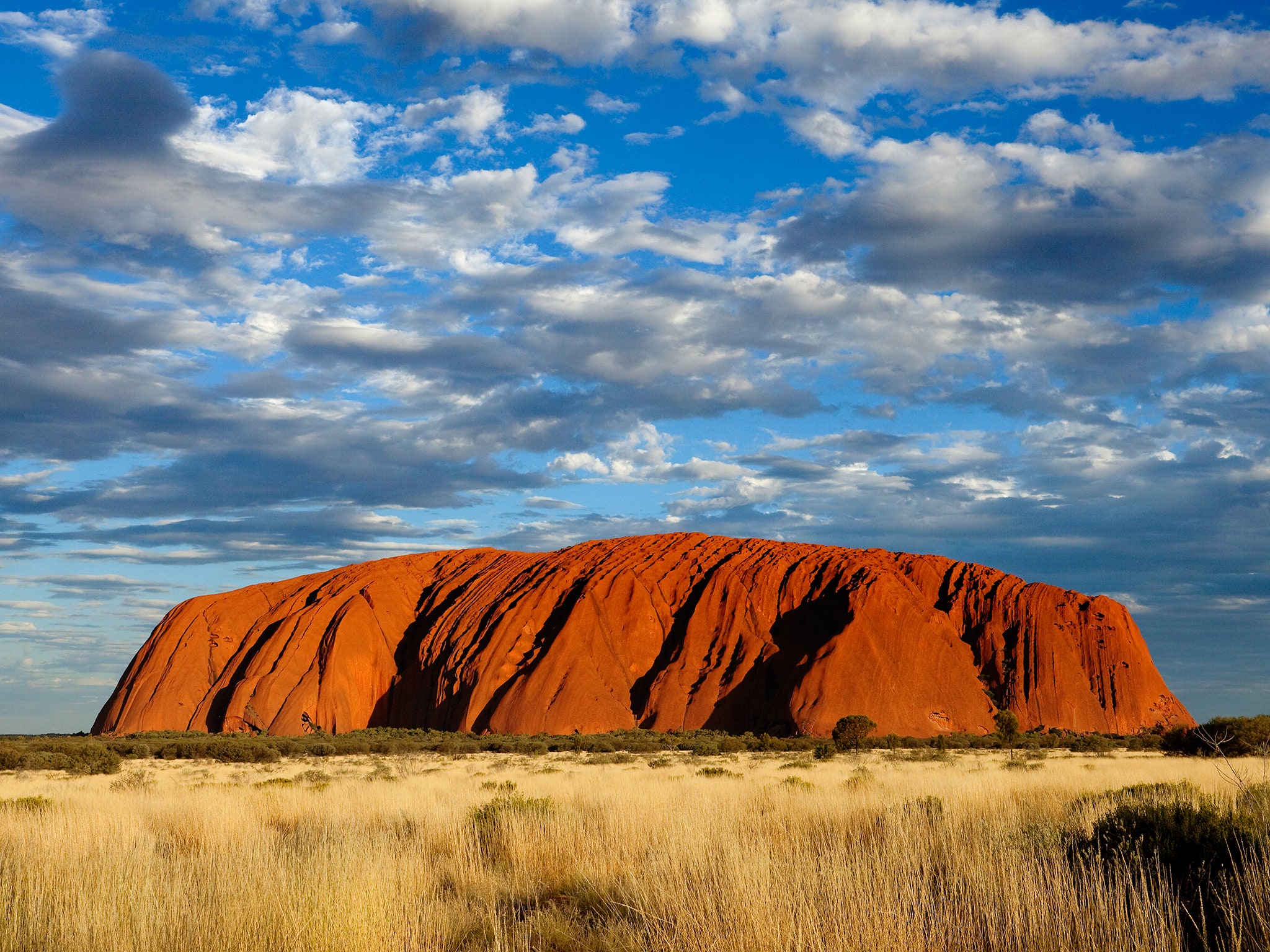
Uluru, an imposing sandstone monolith rising majestically from the flat desert plains of central Australia, is far more than just a geological wonder. While its sheer scale, striking red hue, and dramatic sunrises and sunsets enthrall millions, Uluru embodies a profound and multi-layered identity that functions as one of the world’s most enduring and powerful brands. It is a brand forged not by corporate strategists or marketing campaigns, but by millennia of natural processes and deep cultural significance, a testament to how places, heritage, and shared human experience can coalesce into an identity of unparalleled resonance.
To ask “what is a Uluru” is to inquire into the very essence of its identity, its perceived value, and its strategic positioning in the global consciousness. It transcends being merely a physical location; it is a symbol, a story, and an experience – all hallmarks of a robust brand. This article will delve into the multifaceted brand identity of Uluru, exploring its origins, its various expressions, and the unique challenges and opportunities inherent in managing such a potent, living brand.
The Genesis of a Brand: Identity Rooted in Ancient Culture and Geology
Every powerful brand has a foundational story, a core identity from which all other perceptions and associations spring. For Uluru, this foundation is carved from geological time and imbued with an ancient spiritual narrative.
Geological Marvel and Spiritual Nexus: Core Identity Attributes
At its physical core, Uluru is an inselberg – an isolated rock hill, mountain, or ridge that rises abruptly from a virtually level surrounding plain. Its distinctive arkose sandstone composition gives it the iconic russet colour, shifting dramatically with the light throughout the day. This raw, geological uniqueness is the first, undeniable attribute of the Uluru brand. It is an extraordinary natural phenomenon, visually arresting and immense, a testament to Earth’s ancient forces.
However, the true depth of Uluru’s brand identity lies in its spiritual significance for the Anangu people, the traditional custodians of the land for tens of thousands of years. For the Anangu, Uluru is not merely a rock; it is a living, sacred landscape intricately woven into their Tjukurpa (creation stories, law, and moral system). Every cave, waterhole, and fissure holds a specific meaning, relating to ancestral beings whose actions shaped the land and laid down the laws for human conduct. This profound spiritual connection and rich cultural narrative are the absolute bedrock of the Uluru brand. It imbues the physical site with an authenticity, depth, and sacredness that no artificial brand could ever replicate. It transforms a striking piece of geology into a spiritual and cultural anchor, a beacon of ancient wisdom and enduring tradition. This is an authenticity that modern brands strive for, yet Uluru possesses it intrinsically, passed down through generations.
From Natural Wonder to Cultural Icon: Shaping Perception
While Uluru has always held immense significance for the Anangu, its global perception began to take shape with its “discovery” by European explorers in the 19th century, most notably by William Gosse in 1873, who named it Ayers Rock after Sir Henry Ayers, the Chief Secretary of South Australia. This moment marked the beginning of its dual identity – the traditional Indigenous name, Uluru, and the colonial name, Ayers Rock – each carrying different cultural connotations and shaping distinct perceptions.
Initially, its brand appeal to the Western world was primarily as a natural wonder, an exotic landmark in a vast, unexplored continent. Early tourism focused on the awe-inspiring scale and visual spectacle. However, as global awareness of Indigenous cultures grew and land rights movements gained traction, the narrative surrounding Uluru began to evolve. The brand started to incorporate its cultural and historical dimensions, moving beyond just a pretty rock to a symbol of ancient human heritage. The interplay between these two naming conventions, and the eventual re-emphasis on Uluru as its primary name, signifies a deliberate shift in brand positioning – from a colonial discovery to a deeply respected Indigenous site. This evolution of perception is crucial for any brand; Uluru’s ability to adapt and reclaim its narrative while maintaining its core mystique demonstrates remarkable resilience and power.
Uluru as a Multi-Layered Brand: Ecosystems of Meaning
The power of Uluru as a brand lies in its capacity to resonate across multiple distinct, yet interconnected, layers of meaning. It doesn’t just represent one thing; it is a complex ecosystem of identities that appeal to different audiences for different reasons.
The Tourism Brand: Experience and Economic Value
For many, Uluru’s most immediate brand manifestation is as a premier global tourist destination. It is a cornerstone of Australian tourism marketing, an image synonymous with the rugged beauty and unique landscapes of the Outback. The Uluru tourism brand promises an unparalleled experiential journey: the breathtaking spectacle of sunrise and sunset painting the rock in fiery hues, the quiet reverence of walking its base, the thrill of stargazing in a pollution-free sky, and increasingly, immersive cultural tours led by Anangu guides.
This tourism brand is meticulously managed by Parks Australia and local tourism operators in partnership with the Anangu. Marketing efforts highlight not just the visual appeal but also the uniqueness of the cultural experience. The economic value generated by this brand is substantial, supporting local communities, regional businesses, and contributing significantly to Australia’s national tourism revenue. However, like any successful commercial brand, it faces the challenge of managing demand without compromising the integrity of the product – in this case, the fragile desert environment and the sacredness of the site. The brand’s promise is one of unforgettable memories, a connection to ancient land, and an authentic Australian adventure.
The Cultural Heritage Brand: Authenticity and Respect
Beyond its role as a tourist attraction, Uluru stands as a formidable cultural heritage brand. It is a globally recognized symbol of Indigenous Australian culture, resilience, and land rights. This aspect of its brand is built on authenticity, respect, and a profound narrative of survival and connection to country. As a cultural heritage brand, Uluru communicates messages of deep ancestral knowledge, sustainable living, and the spiritual bond between people and land.
The cultural brand emphasizes education and understanding. It invites visitors not just to witness, but to learn and reflect. The shift away from climbing Uluru – a practice respectfully discouraged and eventually banned by the Anangu traditional owners – was a pivotal moment in solidifying this aspect of the brand. It repositioned Uluru from an adventurous challenge to be conquered, to a sacred site deserving of deep respect and contemplation. This decision, though initially controversial for some, ultimately strengthened Uluru’s cultural brand by aligning its management more closely with its deepest values, demonstrating integrity and an unwavering commitment to its primary stakeholders, the Anangu people. This commitment to its core identity, even at the cost of some commercial gain, is a hallmark of a truly powerful and authentic brand.

The National and Global Brand: Identity and Representation
Uluru serves as a powerful national brand for Australia, instantly recognizable and deeply embedded in the nation’s identity. It represents the ancient spirit of the land, its unique natural beauty, and increasingly, its journey towards reconciliation and respect for Indigenous heritage. It appears in national tourism campaigns, documentaries, and popular culture, projecting an image of Australia that is both ancient and contemporary.
On a global scale, Uluru’s brand transcends national borders, becoming an icon of wilderness, sacred spaces, and cultural preservation. It features on UNESCO World Heritage lists for both its natural and cultural values, a rare dual inscription that speaks volumes about its multifaceted brand strength. Its brand message globally is one of environmental conservation, the importance of respecting diverse cultures, and the enduring power of humanity’s connection to the land. As a global brand, it carries the weight of universal values, becoming a case study in how to manage and protect a site of immense significance for all humankind. Its global recognizability and the values it represents make it a potent symbol far beyond its physical location.
Navigating Brand Challenges: Stewardship and Evolution
Managing a brand as complex and significant as Uluru comes with unique challenges, particularly concerning stewardship, authenticity, and adaptation in a rapidly changing world.
Reclaiming the Narrative: Anangu Ownership and Management
One of the most defining moments in the evolution of the Uluru brand was the hand-back of Uluru and Kata Tjuta National Park to the Anangu people in 1985. This act formally recognized their traditional ownership, establishing a joint management arrangement with Parks Australia. This transfer of ownership fundamentally shifted the brand narrative from a colonial asset to an Indigenous-managed sacred site. It allowed the traditional owners to directly shape the brand’s future, ensuring its messaging and management practices were congruent with their cultural values and Tjukurpa.
The decision to ban climbing Uluru in October 2019 was a direct outcome of this management structure and a powerful exercise in brand recalibration. For generations, the Anangu had respectfully asked visitors not to climb, due to the site’s sacredness and safety concerns. The ban, implemented after extensive consultation, solidified Uluru’s brand as one of respect, cultural immersion, and spiritual reverence, rather than physical conquest. It was a bold move that prioritized cultural integrity over a certain type of tourist revenue, proving that the deepest values of a brand can, and sometimes must, dictate its direction. This move strengthened the brand’s authenticity and global standing as a leader in Indigenous cultural tourism.
Balancing Commercial Appeal with Cultural Integrity
The ongoing challenge for the Uluru brand is to expertly navigate the delicate balance between its commercial appeal as a world-class tourist destination and its profound cultural and spiritual integrity. Like any heritage brand, it must generate revenue to support its maintenance and management, and to benefit the traditional owners, while simultaneously safeguarding its essence from commodification or disrespect.
This balance requires strategic marketing that emphasizes cultural understanding and responsible tourism practices. Messaging focuses on “experiencing” rather than just “seeing,” on “learning” rather than “conquering.” The development of culturally sensitive tours, the promotion of Indigenous art and crafts, and educational initiatives all contribute to a tourism model that respects and enhances the Uluru brand, rather than diminishing it. Ethical marketing becomes paramount, ensuring that the portrayal of Uluru aligns with Anangu values and promotes genuine appreciation. It’s a masterclass in brand stewardship, demonstrating how to protect and evolve an identity that is both ancient and critically relevant in the modern world.
The Enduring Legacy of Uluru: A Brand for the Ages
Uluru’s journey from a sacred Anangu site to a global icon demonstrates the extraordinary power of a brand rooted in authenticity, narrative, and deep meaning. It is a brand that defies conventional commercial definitions, yet embodies all the characteristics of an enduring and influential identity.
A Beacon of Sustainability and Cultural Respect
In an increasingly globalized and homogenized world, Uluru stands as a beacon of sustainability – both environmental and cultural. Its brand story offers valuable lessons in responsible tourism, indigenous land management, and the crucial importance of listening to and respecting traditional knowledge. It demonstrates that the most potent brands are those that transcend mere product or service, becoming symbols of larger values: respect for nature, reverence for heritage, and the pursuit of truth and understanding. The Uluru brand inspires conversations about decolonization, environmental stewardship, and the rights of indigenous peoples worldwide, positioning itself as a thought leader in these critical global dialogues.

Lessons from Uluru: Branding Beyond Products
Ultimately, “what is a Uluru” is an inquiry into the nature of an iconic brand that resonates deeply across cultures and generations. Its story offers profound insights for anyone interested in branding:
-
Authenticity is Paramount: Uluru’s strength comes from its undeniable authenticity, its deep roots in geology and culture. Brands that seek to connect deeply must find and articulate their own authentic core.
-
Narrative is Power: The Tjukurpa and the history of its management provide compelling narratives that give Uluru meaning far beyond its physical form. Brands thrive on compelling storytelling.
-
Stewardship is Key: Effective brand management, particularly with heritage brands, requires careful stewardship, prioritizing long-term value and integrity over short-term gains.
-
Meaning Transcends Material: Uluru proves that the most powerful brands are those that offer profound meaning, connecting to universal human values and aspirations.
-
Evolution is Necessary: While its core identity is ancient, the Uluru brand has evolved in its presentation and management, adapting to changing global perceptions while remaining true to itself.
Uluru, therefore, is not just a rock; it is a living, breathing brand. It is a powerful identity that teaches us about ancient wisdom, environmental responsibility, and the enduring human spirit. Its profound cultural significance, awe-inspiring natural beauty, and the conscious stewardship by its traditional owners ensure that the Uluru brand will continue to captivate, educate, and inspire for generations to come, a true brand for the ages.
aViewFromTheCave is a participant in the Amazon Services LLC Associates Program, an affiliate advertising program designed to provide a means for sites to earn advertising fees by advertising and linking to Amazon.com. Amazon, the Amazon logo, AmazonSupply, and the AmazonSupply logo are trademarks of Amazon.com, Inc. or its affiliates. As an Amazon Associate we earn affiliate commissions from qualifying purchases.