
In the rapidly evolving landscape of digital finance, the concept of “being your own bank” has shifted from a radical libertarian ideal to a practical necessity for serious investors. As traditional financial institutions begin to integrate with decentralized protocols, the methods by which individuals secure their wealth have undergone a fundamental transformation. At the center of this shift is the hardware wallet, with Ledger emerging as the preeminent name in the space. A Ledger wallet is not merely a gadget; it is a sophisticated financial instrument designed to provide the highest level of security for digital assets, ensuring that the individual maintains absolute control over their capital without the need for a third-party intermediary.
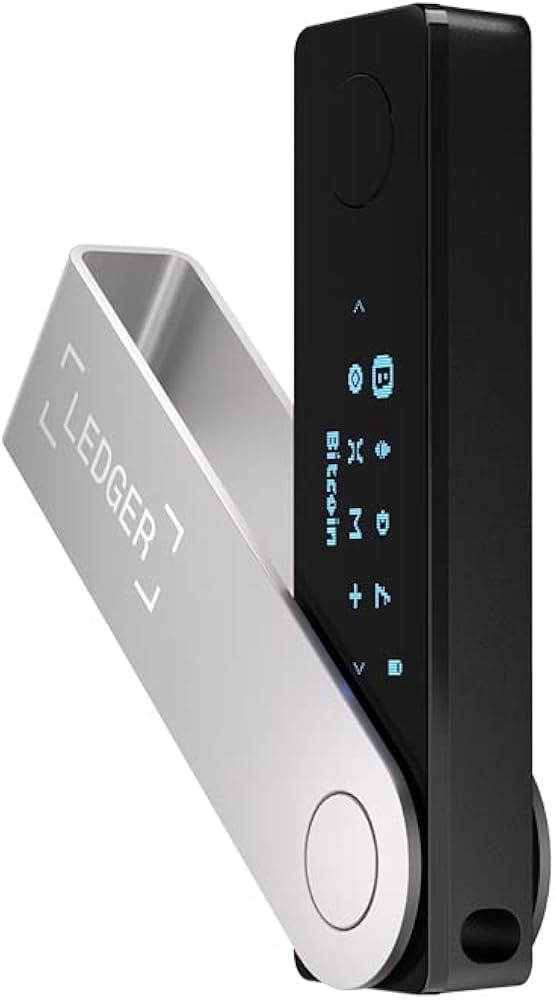
To understand what a Ledger wallet is, one must first understand the vulnerability of the modern financial ecosystem. Whether it is an exchange-traded fund, a brokerage account, or a cryptocurrency exchange, most financial tools rely on “custodianship.” You trust a company to hold your assets. If that company fails, suffers a cyberattack, or freezes your account, your access to your wealth vanishes. A Ledger wallet removes this counterparty risk by allowing for self-custody. It is a physical device that stores your private keys—the digital signatures required to move your funds—in an offline environment, shielded from the myriad of threats that inhabit the connected world.
Understanding the Role of Hardware Wallets in Modern Investing
The primary distinction in the world of digital asset management is between “hot” and “cold” storage. A hot wallet is any software connected to the internet, such as a mobile app or a desktop browser extension. While convenient for daily transactions, hot wallets are inherently susceptible to malware, phishing, and remote hacking. In contrast, a Ledger wallet is a “cold” wallet. It keeps the private keys offline at all times, meaning that even if the computer it is plugged into is infected with a virus, the assets remain untouchable.
The Philosophy of Self-Custody
The investment philosophy behind using a Ledger wallet is rooted in the “Not your keys, not your coins” mantra. In traditional finance, we are accustomed to the idea that a bank balance is a representation of money owed to us. In the world of digital assets, ownership is defined by the possession of cryptographic keys. If you hold your assets on a centralized exchange, the exchange owns the keys; you simply have a login to their system. By moving assets to a Ledger device, an investor takes direct ownership. This is the ultimate form of financial sovereignty, providing a level of protection against the systemic failures that have historically plagued the financial sector.
Mitigating Centralized Exchange Risk
The history of digital finance is littered with the remnants of collapsed exchanges. From the early days of Mt. Gox to the more recent and spectacular failures of modern platforms, the lesson for investors is clear: centralized platforms are points of failure. A Ledger wallet serves as a personal vault. By transferring assets from an exchange to a hardware device, an investor mitigates the risk of platform insolvency. This transition from “platform-dependent” to “protocol-direct” is a hallmark of a sophisticated personal finance strategy in the 21st century.
The Architecture of Security: How Ledger Protects Your Digital Assets
A Ledger wallet is often compared to a USB stick, but this comparison is deceptive. Internally, the device is built on high-end security architecture similar to that found in credit card chips and biometric passports. The hardware is designed to withstand both physical and digital tampering, making it a fortress for personal wealth.
The Secure Element (SE) Chip
The heart of every Ledger device is the Secure Element (SE) chip. Unlike the standard microcontrollers found in most consumer electronics, the Secure Element is a hardened chip designed to resist sophisticated attacks, including side-channel attacks, power analysis, and physical probing. This chip is where the private keys are generated and stored. Even when the device is connected to a computer or a smartphone via USB or Bluetooth, the private keys never leave the Secure Element. When a transaction is initiated, the device signs it internally and sends only the signed transaction back to the host device, ensuring the sensitive data remains isolated from the internet.
BOLOS: The Blockchain Open Ledger Operating System
Ledger utilizes a proprietary operating system known as BOLOS. Most hardware wallets use a monolithic firmware, which means that the code for all supported assets is bundled together. If a vulnerability is found in the code for one minor asset, it could potentially jeopardize the entire device. BOLOS, however, isolates applications from one another. This “sandbox” approach ensures that even if there were an issue within a specific app (for instance, a Bitcoin app or an Ethereum app), the rest of the device and the master private key remain secure. This modularity is a critical feature for investors who hold a wide variety of assets.
The Physical Verification Layer
Digital security is often invisible, which can lead to a false sense of security. Ledger introduces a physical layer of verification that is impossible to bypass remotely. Every transaction made through the wallet must be physically confirmed by the user pressing buttons on the device itself. A hacker on the other side of the world could have full control over your computer, but without physical access to your Ledger and your fingers to press those buttons, they cannot move a single cent. This “What You See Is What You Sign” (WYSIWYS) protocol ensures that the details shown on the device’s screen are the truth, regardless of what a potentially compromised computer screen might display.

Integrating Ledger into Your Personal Finance Ecosystem
Owning a Ledger wallet is only the first step; the true value lies in how it integrates into a broader financial strategy. Through the Ledger Live application, the hardware wallet becomes a comprehensive command center for digital wealth management, allowing for more than just passive storage.
Ledger Live: The Financial Command Center
Ledger Live is the software interface that connects the hardware device to the user. It provides a visual overview of a portfolio, much like a traditional banking app or a brokerage dashboard. From within this ecosystem, users can track their asset performance in real-time, manage multiple accounts, and even organize their holdings for tax purposes. It bridges the gap between the complex world of blockchain technology and the user-friendly experience required for modern personal finance.
Generating Passive Income via Staking
One of the most powerful features of integrating a Ledger into an investment strategy is the ability to earn “yield” on idle assets through staking. In many blockchain networks, participants can lock up their assets to help secure the network in exchange for rewards. Traditionally, this required moving funds back to a risky exchange or a complex software wallet. Ledger allows users to stake their assets directly from the safety of their cold storage. This allows an investor to enjoy the dual benefits of maximum security and compounded growth, turning a static storage device into a productive financial asset.
Navigating Decentralized Finance (DeFi) and NFTs
For the modern investor, digital assets extend beyond Bitcoin and Ethereum. The rise of Decentralized Finance (DeFi) and Non-Fungible Tokens (NFTs) has created new avenues for wealth creation. Ledger wallets are compatible with a vast array of “Web3” applications. By connecting a Ledger to decentralized exchanges or NFT marketplaces, investors can trade, lend, and borrow assets while keeping their private keys offline. This allows for participation in the high-growth sectors of the digital economy without sacrificing the security standards required for significant capital.
Evaluating the Cost-Benefit Ratio: Is a Ledger Wallet a Wise Financial Move?
From a personal finance perspective, every purchase should be evaluated based on its ROI (Return on Investment) or the “insurance” value it provides. A Ledger wallet typically costs between $80 and $250, depending on the model (such as the Nano S Plus, the Nano X, or the Stax). For anyone holding a meaningful amount of digital assets, this cost is negligible compared to the potential loss of their entire portfolio.
Insurance Against Catastrophic Loss
In the world of traditional banking, deposits are often insured by government bodies like the FDIC. In the world of digital assets, no such safety net exists. If your exchange is hacked or your software wallet is drained, the money is gone forever. A Ledger wallet acts as a one-time insurance premium. By spending a small amount on hardware, you are effectively protecting your future self against the catastrophic loss of your investment capital.
Longevity and Durability
Ledger devices are built to last. Unlike a smartphone that may become obsolete in two years, a hardware wallet is a dedicated tool with a long lifecycle. The security standards of the Secure Element chip remain robust for years, and the recovery system ensures that even if the physical device is lost, stolen, or destroyed, the assets are not. As long as the user has their 24-word recovery phrase, they can restore their entire portfolio on a new device. This makes the Ledger a durable piece of financial infrastructure that can serve an investor for a decade or more.

The Future of Asset Management and Self-Custody
As we move toward a more digitized global economy, the lines between “money,” “technology,” and “software” are blurring. The adoption of Ledger wallets signifies a broader trend in financial history: the democratization of high-level security. In the past, only institutions could afford the vaults and security protocols necessary to safeguard massive amounts of wealth. Today, that same level of security fits in a pocket.
The rise of self-custody is not just a trend for tech enthusiasts; it is a fundamental shift in how humanity interacts with value. As central banks explore digital currencies (CBDCs) and more traditional assets like real estate and stocks become tokenized on blockchains, the need for a secure, personal gateway to the digital financial world will only grow. The Ledger wallet is positioned as that gateway—a tool that empowers the individual to hold their own keys, manage their own wealth, and navigate the future of finance with confidence and security.
Investing is ultimately about the management of risk. While most investors focus on market risk—the fluctuation of prices—few pay enough attention to “storage risk.” By utilizing a Ledger wallet, an investor effectively eliminates one of the most significant risks in the digital age, allowing them to focus on the long-term growth of their wealth while resting easy in the knowledge that their foundation is secure.
aViewFromTheCave is a participant in the Amazon Services LLC Associates Program, an affiliate advertising program designed to provide a means for sites to earn advertising fees by advertising and linking to Amazon.com. Amazon, the Amazon logo, AmazonSupply, and the AmazonSupply logo are trademarks of Amazon.com, Inc. or its affiliates. As an Amazon Associate we earn affiliate commissions from qualifying purchases.