
Understanding your future Social Security benefits is a critical component of any sound retirement plan. For many, Social Security will represent a significant, if not primary, source of income in their golden years. Far from being a static, one-size-fits-all figure, your Social Security benefit amount is a personalized calculation influenced by decades of work history, earnings, and the age at which you choose to claim. Knowing how to access and interpret these projections empowers you to make informed decisions about your savings, investments, and overall financial future. This comprehensive guide will walk you through the various methods to determine your projected Social Security benefit, the key factors that shape it, and proactive steps you can take to maximize this essential retirement income.
Understanding Your Social Security Statement: The Official Source
The most authoritative and personalized estimate of your Social Security benefits comes directly from the Social Security Administration (SSA) itself. The SSA provides individuals with a “Social Security Statement” that details their earnings history and estimated future benefits under various claiming scenarios. This document is a foundational tool for retirement planning.
Accessing Your Statement Online via My Social Security Account
In the digital age, the easiest and most immediate way to access your Social Security Statement is through your personal “my Social Security” account. Creating an account is a straightforward process and offers a wealth of information at your fingertips, far beyond just your benefit estimates.
To create an account, you’ll visit the official SSA website (ssa.gov) and follow the prompts to register. You’ll need to provide some personal information for verification, including your Social Security number, date of birth, and an active email address. Once registered, you can log in securely at any time to:
-
View your complete earnings record, year by year, ensuring accuracy.
-
See your estimated benefits for retirement at your full retirement age, at age 62 (the earliest claiming age), and at age 70 (the latest age to earn delayed retirement credits).
-
Review estimated benefits for disability and survivor benefits for your family.
-
Print a copy of your Social Security Statement.
-
Manage your benefits once you start receiving them.
The online platform is regularly updated, providing the most current estimates based on your most recent reported earnings. It’s a powerful tool that offers instant insight into your financial future and should be the first stop for anyone curious about their Social Security benefits.
Receiving Your Statement by Mail
While the SSA heavily promotes online access, some individuals still receive their Social Security Statement by mail. Historically, the SSA mailed statements to workers aged 25 and over every five years, and then annually to those aged 60 and over who were not yet receiving benefits and had not created an online account.
Currently, if you are 60 or older and not yet receiving Social Security benefits, and you don’t have a “my Social Security” account, the SSA will mail you a statement three months before your birthday. If you are younger, the SSA generally encourages creating an online account. However, you can also request a paper statement at any time by calling the SSA’s toll-free number or visiting their website to fill out a request form.
Regardless of how you receive it, the paper statement contains the same critical information as the online version: your earnings history and detailed benefit estimates.
What Key Information to Look For
When you review your Social Security Statement, whether online or by mail, pay close attention to several key sections:
-
Your Estimated Benefits: This section will typically show your estimated monthly benefits at three crucial ages: age 62 (earliest eligibility), your Full Retirement Age (FRA), and age 70 (the latest you can claim to maximize delayed retirement credits). These figures are estimates based on your earnings history and projections of your future earnings until retirement.
-
Your Earnings Record: This is a chronological list of your reported earnings subject to Social Security taxes. It’s vital to review this section carefully for accuracy. Errors could potentially reduce your future benefits. If you find discrepancies, you should contact the SSA to correct them, as your benefits are calculated based on your highest 35 years of indexed earnings.
-
Disability and Survivor Benefits: Beyond retirement, your statement also provides estimates for disability benefits should you become unable to work, and survivor benefits for your eligible family members in the event of your death. These are important aspects of your overall financial security.
Factors Influencing Your Social Security Benefit Amount
Your Social Security benefit isn’t simply a fixed number; it’s a dynamic calculation influenced by several personal and programmatic factors. Understanding these elements is crucial for interpreting your benefit estimates and making strategic decisions.
Your Earnings Record and Work History
The primary determinant of your Social Security benefit is your lifetime earnings record. The SSA calculates your “average indexed monthly earnings” (AIME) based on your 35 highest-earning years, adjusted for historical wage growth (indexing). If you have fewer than 35 years of earnings, zero-earning years will be factored into the average, which can reduce your AIME and, consequently, your benefit. This emphasizes the importance of a consistent work history and strong earnings over a long career.
Full Retirement Age (FRA): Defining Your Benefit Baseline
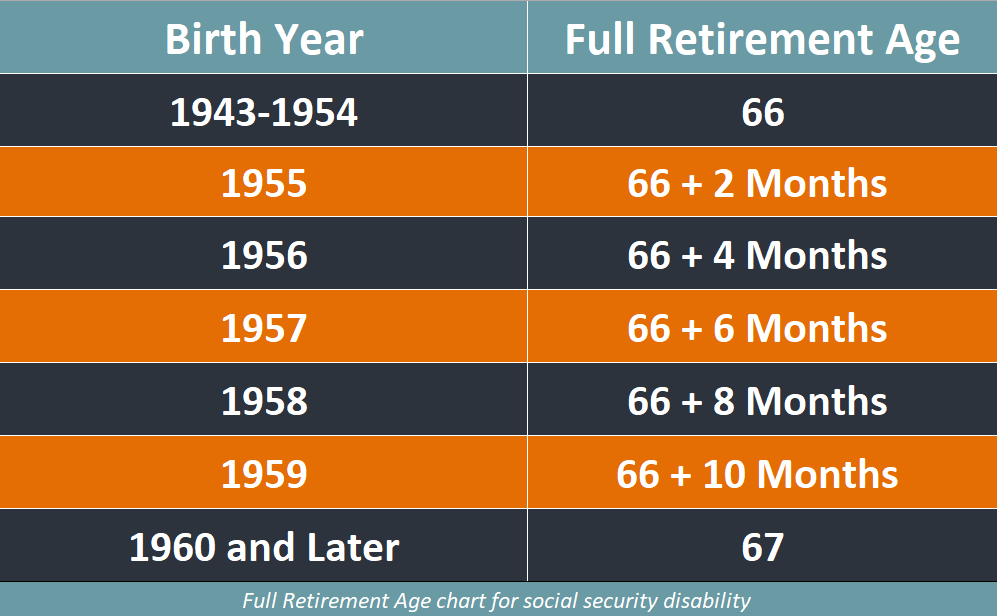
Your Full Retirement Age (FRA) is the age at which you are entitled to receive 100% of your primary insurance amount (PIA). This age varies depending on your birth year:
-
Born 1943-1954: FRA is 66
-
Born 1955: FRA is 66 and 2 months
-
Born 1956: FRA is 66 and 4 months
-
Born 1957: FRA is 66 and 6 months
-
Born 1958: FRA is 66 and 8 months
-
Born 1959: FRA is 66 and 10 months
-
Born 1960 or later: FRA is 67
Knowing your FRA is vital because it serves as the benchmark against which early or delayed claiming decisions are measured.
Deciding When to Claim: Early, Full, or Delayed Retirement
The age at which you elect to start receiving Social Security benefits significantly impacts your monthly payment for life. This is one of the most critical decisions you’ll make regarding Social Security.
-
Claiming Early (Age 62): You can start receiving benefits as early as age 62, but doing so results in a permanent reduction of your monthly benefit. This reduction can be as much as 30% if your FRA is 67. While appealing for immediate income, this choice locks in a lower payment for the remainder of your life.
-
Claiming at Full Retirement Age (FRA): By waiting until your FRA, you receive 100% of your Primary Insurance Amount (PIA). This serves as the benchmark for your benefit calculations.
-
Claiming Late (Up to Age 70): For each year you delay claiming benefits past your FRA, up to age 70, you earn “delayed retirement credits.” These credits permanently increase your monthly benefit by approximately 8% per year. Delaying until age 70 could result in a monthly payment 24-32% higher than your FRA benefit, depending on your birth year.
This decision involves a complex interplay of personal health, financial needs, other retirement savings, and longevity expectations.
Other Factors: Spousal, Survivor, and Disability Benefits
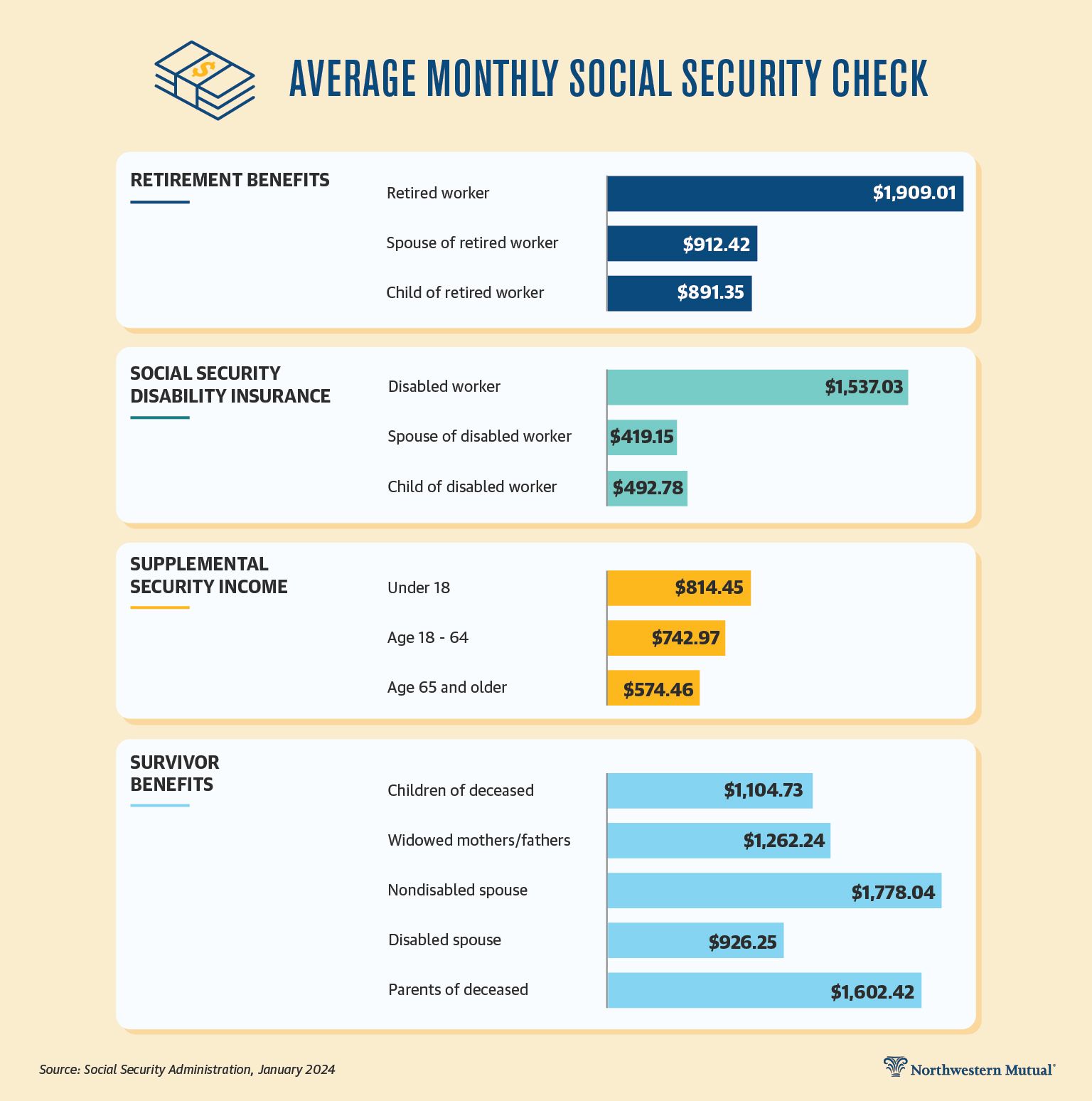
Beyond your own work record, other factors can influence the total Social Security benefits you and your family may receive. These include:
-
Spousal Benefits: If you are married, divorced (under certain conditions), or widowed, you may be eligible to receive benefits based on your spouse’s (or ex-spouse’s) earnings record, if that amount is higher than your own. Spousal benefits can be up to 50% of your spouse’s FRA benefit.
-
Survivor Benefits: If your spouse passes away, you or other family members (such as minor or disabled children) may be eligible for survivor benefits based on their earnings record.
-
Disability Benefits: If you become severely disabled and unable to work, you may qualify for Social Security Disability Insurance (SSDI) benefits, which are calculated similarly to retirement benefits but can be claimed at any age.
These additional benefits highlight the comprehensive safety net that Social Security provides.
Utilizing Online Tools and Calculators for Projections
While your official Social Security Statement provides a solid estimate, various online tools and calculators can help you run different scenarios and integrate your Social Security benefits into a broader financial plan.
The Social Security Administration’s Online Calculators
The SSA’s website (ssa.gov) offers several calculators that allow for more dynamic scenario planning than the static statement:
-
Retirement Estimator: This tool is available to “my Social Security” account holders. It pulls your actual earnings record and lets you adjust variables like future earnings and claiming age to see how these changes impact your estimated benefits. It’s excellent for “what if” scenarios.
-
Detailed Calculator: This advanced tool is geared toward individuals who want to project benefits more precisely for themselves or family members. It requires more specific input but can provide highly detailed estimates.
-
Quick Calculator: For a very rough estimate, this tool allows you to input your birth date and current earnings to get a general idea of your future benefits. It doesn’t use your actual earnings record, so it’s less accurate than the Estimator.
These official tools are invaluable because they use the same calculation methodologies as the SSA, ensuring accuracy within the parameters you provide.
Third-Party Financial Planning Tools
Beyond the SSA’s official offerings, many financial planning software platforms, online retirement planners, and investment brokerage websites incorporate Social Security benefit calculators. These tools are often part of a broader suite designed to help you plan your entire retirement picture, integrating Social Security with your 401(k)s, IRAs, pensions, and other assets.
Examples might include tools offered by Vanguard, Fidelity, Schwab, or independent financial planning software like Quicken or Personal Capital. While these tools can be highly useful, it’s crucial to ensure they pull data correctly (ideally by linking to your “my Social Security” account or allowing manual input of official estimates) and that you understand their underlying assumptions.
Interpreting Projections and Planning for the Future
It’s essential to remember that all Social Security benefit figures, whether from your statement or a calculator, are estimates. They are based on assumptions about your future earnings, the continuation of current Social Security law, and economic conditions. Future legislative changes, cost-of-living adjustments (COLAs), and your actual future earnings could alter the final amount you receive.
Use these projections as a foundational element of your financial planning, not as definitive, unchangeable figures. They help you:
-
Determine if you’re on track to meet your retirement income goals.
-
Decide whether to save more in other retirement accounts.
-
Plan your claiming strategy (early, full, or delayed).
-
Assess the impact of potential changes in your work pattern.
Proactive Steps for Maximizing Your Benefits
Once you understand how to see your Social Security benefits, the next logical step is to explore how you might optimize them. Small adjustments over time can lead to significantly higher lifetime benefits.
Reviewing Your Earnings Record Regularly
Make it a habit to log into your “my Social Security” account annually (or at least every few years) to review your earnings record. Discrepancies can occur due to employer errors, clerical mistakes, or even identity theft. If you find any missing or incorrect earnings, contact the SSA immediately with proof of earnings (W-2s, tax returns) to correct the record. Missing even one year of high earnings could potentially reduce your average indexed monthly earnings and, therefore, your future benefit.
Strategies for Increasing Your Average Indexed Monthly Earnings (AIME)
Since your benefit is based on your 35 highest-earning years, there are strategies you can employ to potentially boost your AIME:
-
Work Longer: If you currently have fewer than 35 years of earnings, or if some of your earlier earning years were low, working additional years at a higher salary can replace those lower or zero-earning years in your calculation, thereby increasing your AIME.
-
Increase Your Income During Peak Earning Years: Focus on maximizing your income during your prime earning years. Even small raises or bonuses can contribute positively to your indexed average.
-
Avoid Gaps in Employment: While sometimes unavoidable, significant gaps in employment (especially in your peak earning years) can introduce zero-earning years into your top 35, pulling down your average.

Consulting a Financial Advisor
Navigating the complexities of Social Security, particularly when to claim and how it integrates with your overall financial plan, can be challenging. A qualified financial advisor can provide personalized guidance by:
-
Helping you analyze different claiming strategies based on your health, family situation, and other assets.
-
Integrating your estimated Social Security benefits into a comprehensive retirement income plan.
-
Advising on strategies to bridge the income gap if you choose to delay claiming Social Security benefits.
-
Helping you understand the tax implications of Social Security benefits.
Their expertise can be invaluable in making the most informed decisions for your specific circumstances.
In conclusion, taking the time to understand how to see and interpret your Social Security benefits is an investment in your future financial security. By regularly reviewing your Social Security Statement, understanding the factors that shape your benefit, utilizing available online tools, and proactively planning, you can ensure that Social Security plays its intended role as a stable and predictable source of income in your retirement years. Don’t leave this crucial aspect of your retirement plan to chance; empower yourself with knowledge and make informed decisions today.
aViewFromTheCave is a participant in the Amazon Services LLC Associates Program, an affiliate advertising program designed to provide a means for sites to earn advertising fees by advertising and linking to Amazon.com. Amazon, the Amazon logo, AmazonSupply, and the AmazonSupply logo are trademarks of Amazon.com, Inc. or its affiliates. As an Amazon Associate we earn affiliate commissions from qualifying purchases.