
The term “lavatory” might evoke images of airplane bathrooms or opulent hotel suites, but its true meaning and evolution are far more encompassing. In essence, a lavatory is a place or facility for washing and sanitation, primarily referring to a toilet or a washbasin. However, to truly understand “what is a lavatory” in a comprehensive sense, we must delve into its historical roots, its technological advancements, its ergonomic and aesthetic considerations, and its crucial role in public health and modern infrastructure. This exploration will reveal that a lavatory is not merely a fixture, but a carefully designed and integrated component of human civilization, constantly evolving to meet new demands for hygiene, efficiency, and user experience.
The Evolution of Sanitation: From Ancient Practices to Modern Plumbing
The concept of a “lavatory” as a dedicated space for bodily functions and cleansing has a long and fascinating history, reflecting humanity’s ongoing struggle and innovation in managing waste and maintaining hygiene.
Early Sanitation Systems
Long before the modern understanding of germs and disease, early civilizations recognized the need for managing human waste. Evidence suggests that some of the earliest forms of sanitation involved simple pits or designated areas away from living spaces. However, more sophisticated systems began to emerge with the rise of urban centers.
- Ancient Mesopotamia: Archaeological discoveries indicate that some Mesopotamian cities, as early as the 4th millennium BCE, had rudimentary drainage systems. These systems were primarily for removing wastewater from homes and public areas, but they laid the groundwork for more integrated sanitation.
- The Indus Valley Civilization: Cities like Mohenjo-Daro and Harappa, dating back to around 2500 BCE, boasted remarkable urban planning that included elaborate water supply and sewage disposal systems. Homes were equipped with private toilets that flushed into brick-lined sewers, demonstrating an advanced understanding of sanitation for their time.
- Ancient Rome: The Romans were renowned for their engineering prowess, and their public baths and latrines are prime examples. The Roman latrine, often a communal bench with strategically placed holes and a running water system below, served as a vital public facility. Aqueducts provided a consistent water supply, which was crucial for flushing waste and maintaining hygiene in these communal spaces.
The Dark Ages and the Renaissance
Following the decline of the Roman Empire, many of the sophisticated sanitation systems were lost or fell into disrepair in Europe. Waste was often disposed of in streets or courtyards, leading to significant public health problems and contributing to the spread of diseases like the Black Death.
- Medieval Practices: During the Middle Ages, chamber pots were the primary means of waste disposal in homes. These were often emptied into rivers, cesspits, or simply thrown out of windows, creating unsanitary conditions. Castles and large estates might have had garderobes, which were essentially private latrines projecting from the building, with waste falling into a moat or a designated pit below.
- The Renaissance Revival: As cities grew and a renewed interest in hygiene and public health emerged during the Renaissance, there was a gradual reintroduction of more structured sanitation. However, the true revolution in lavatory design and function was yet to come.
Technological Advancements in Lavatory Design
The modern lavatory is a product of continuous technological innovation, transforming it from a basic receptacle into a sophisticated piece of sanitary engineering. The integration of plumbing, materials science, and design principles has dramatically improved its functionality, hygiene, and user experience.
The Invention of the Flush Toilet
The single most transformative development in the history of the lavatory is the invention of the flush toilet. While earlier forms of flushing mechanisms existed, the modern flush toilet as we know it is largely attributed to a series of patents and improvements.
- Sir John Harington (1596): An English courtier, Harington invented a flushing water closet for Queen Elizabeth I. However, his design was complex and did not gain widespread adoption.
- Alexander Cumming (1775): A Scottish watchmaker, Cumming patented the S-trap, a crucial innovation that uses a water seal to prevent sewer gases from entering the room, significantly improving hygiene and reducing odors.
- Joseph Bramah (1778): Bramah improved upon Cumming’s design with a more practical valve system, making the flush toilet more reliable and commercially viable.
- Thomas Crapper (Late 19th Century): While often credited with the invention of the flush toilet, Crapper was more of a prominent plumber and innovator who significantly improved and popularized existing designs, introducing features like the ballcock mechanism for refilling the cistern. His name became so synonymous with toilets that it is often suggested as the origin of the slang term “crap.”
Materials and Manufacturing
The materials used in lavatory construction have evolved significantly, impacting durability, hygiene, and aesthetics.
- Early Materials: Initially, lavatories were often made from wood, lead, or cast iron, which were prone to corrosion and difficult to clean effectively.
- Ceramics and Vitreous China: The advent of ceramics and the development of vitreous china have become the standard for modern toilets and basins. This material is non-porous, durable, resistant to stains and corrosion, and exceptionally easy to clean, making it ideal for hygienic applications. The firing process creates a glass-like surface that is both aesthetically pleasing and functional.
- Plastics and Composites: In more modern times, plastics and composite materials have found applications in certain lavatory components, particularly in public facilities where durability and ease of maintenance are paramount. These materials can offer advantages in terms of weight, cost, and impact resistance.
Water Efficiency and Sustainability
As water scarcity becomes a growing concern, lavatory design has increasingly focused on water efficiency and sustainability.
- Dual-Flush Systems: These systems offer two flushing options: a smaller flush for liquid waste and a larger flush for solid waste, significantly reducing water consumption per use.
- Low-Flow Toilets: Modern regulations and consumer demand have driven the development of low-flow toilets that use significantly less water per flush compared to older models, often as little as 1.6 gallons (6 liters) or less.
- Waterless Urinals: For male urinals, waterless technology uses a special trap filled with a buoyant liquid to block sewer gases while allowing liquid waste to pass through, eliminating water usage entirely.
- Greywater Recycling: Some advanced systems are exploring the integration of greywater recycling, where water from sinks and showers can be filtered and reused for flushing toilets, further conserving potable water.
Ergonomics, Aesthetics, and User Experience
Beyond pure functionality, the design of a lavatory is increasingly influenced by ergonomic principles, aesthetic considerations, and the desire to create a comfortable and intuitive user experience.
Ergonomic Design Principles
The human body’s proportions and movement patterns are central to ergonomic lavatory design. The goal is to ensure comfort, ease of use, and accessibility for a wide range of users.
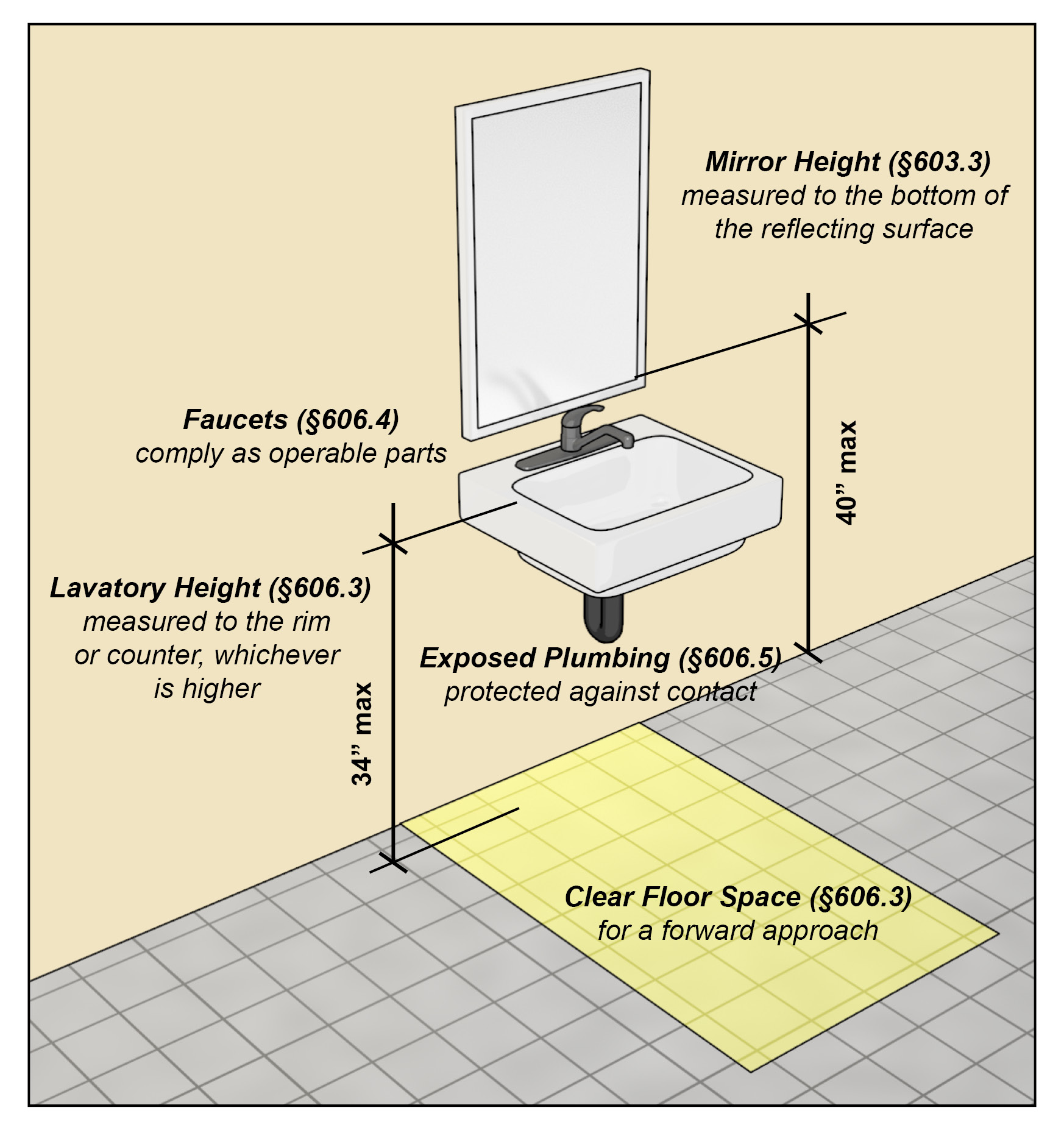
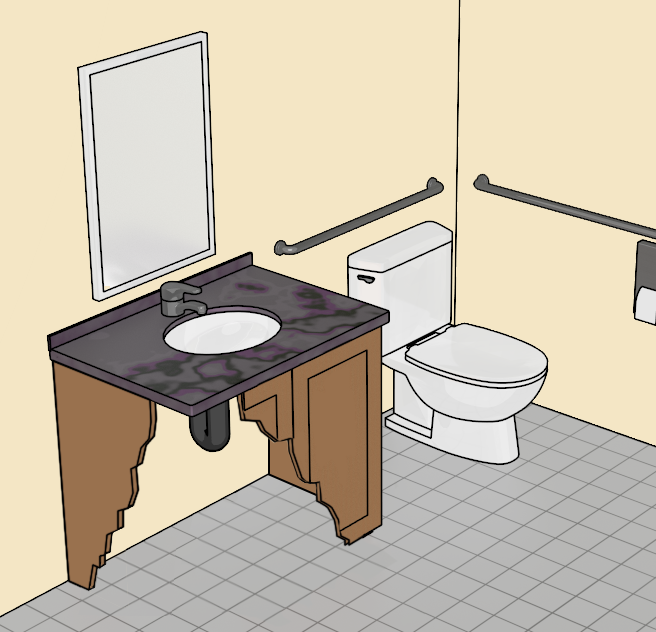
- Height and Reach: The height of the toilet bowl and the placement of flush mechanisms are designed to be easily accessible for most adults. For individuals with disabilities or reduced mobility, accessible (ADA-compliant) lavatories are designed with specific height requirements, increased clear floor space, and grab bars.
- Bowl Shape and Size: The shape and depth of the toilet bowl are engineered to optimize flushing performance and minimize splashing. The seat height is also a crucial ergonomic factor, with variations available to suit different preferences and needs.
- Washbasin Design: Washbasins come in a variety of shapes and depths to accommodate different tasks, from quick handwashing to more involved cleaning. The faucet height and reach are also designed for comfortable use, preventing users from having to strain or contort their bodies.
Aesthetic Integration and Material Choices
The lavatory is no longer just a utilitarian fixture; it is an integral part of the overall design and ambiance of a bathroom.
- Styles and Forms: From traditional pedestal sinks and close-coupled toilets to sleek, modern wall-hung units and integrated countertop basins, lavatories are available in a vast array of styles to complement any interior design.
- Material Finishes: Beyond the standard white vitreous china, lavatories can be found in a range of colors and finishes, including matte textures, metallic accents, and even natural stone. These choices contribute to the bathroom’s aesthetic and can influence the perception of cleanliness and luxury.
- Smart Technologies: The integration of smart technology is also emerging in lavatory design. This includes features like heated seats, bidet functions with customizable water temperature and pressure, automatic flushing, and even built-in air fresheners. These innovations aim to enhance hygiene, comfort, and convenience.
Accessibility and Inclusivity
A truly modern lavatory considers the needs of all users, promoting inclusivity and independence.
- ADA Compliance: In many regions, lavatories in public spaces and new residential constructions must adhere to accessibility standards, such as those set by the Americans with Disabilities Act (ADA). This ensures that individuals with disabilities can use these facilities safely and with dignity.
- Universal Design: The principles of universal design are increasingly applied to lavatory fixtures, aiming to create products that are usable by people of all ages and abilities without the need for adaptation or specialized design. This includes features like lever-style faucets that are easier to operate and toilets with accessible height and space for maneuvering.
The Lavatory’s Role in Public Health and Modern Infrastructure
The seemingly simple act of using a lavatory is underpinned by complex public health strategies and sophisticated infrastructure. The widespread availability of clean and functional lavatories is a cornerstone of modern civilization, directly impacting disease prevention and quality of life.
Sanitation and Disease Prevention
The primary function of a lavatory, particularly a toilet, is the safe disposal of human waste. This seemingly basic service is a powerful tool in preventing the spread of infectious diseases.
- Controlling Waterborne Diseases: Before the widespread implementation of proper sanitation, diseases like cholera, typhoid fever, and dysentery were rampant, often spread through contaminated water sources. Effective lavatories, coupled with sewage treatment systems, break the cycle of transmission by isolating human waste and preventing it from entering the environment and water supplies.
- Hygiene and Handwashing: The presence of washbasins (sinks) in conjunction with toilets promotes essential handwashing practices. Regular and thorough handwashing with soap and water is one of the most effective ways to remove pathogens and prevent their spread, both within households and in public settings.
- Reducing Fecal-Oral Contamination: By providing a dedicated and hygienic place for defecation and urination, lavatories significantly reduce the risk of fecal-oral contamination, a major pathway for the transmission of many pathogens.
The Infrastructure of Sanitation
The functionality of a lavatory is entirely dependent on a robust and interconnected infrastructure.
- Water Supply Systems: A consistent and clean water supply is essential for flushing toilets and for handwashing at basins. This requires complex municipal water treatment and distribution networks.
- Wastewater Collection and Treatment: Once waste is flushed, it enters a sophisticated system of sewers designed to transport it away from homes and public spaces. This wastewater then undergoes treatment processes to remove harmful contaminants before being discharged back into the environment. Modern sewage treatment plants are highly advanced facilities that employ biological, chemical, and physical processes to purify water.
- Plumbing Systems: The internal plumbing within buildings connects lavatory fixtures to the external sewage system. This includes a network of pipes, traps, and vents that ensure waste flows correctly and that harmful gases are safely vented.

Global Access and Future Challenges
While developed nations often take lavatory access for granted, a significant portion of the global population still lacks access to basic sanitation facilities.
- The Sanitation Crisis: The United Nations estimates that billions of people worldwide still lack access to safely managed sanitation services. This has profound implications for public health, human dignity, and environmental sustainability.
- Innovation for Developing Regions: Efforts are underway to develop low-cost, sustainable, and culturally appropriate sanitation solutions for developing regions. This includes innovations in dry toilets, composting toilets, and localized wastewater treatment systems.
- The Future of Lavatories: As technology continues to advance, we can expect to see further integration of smart features, enhanced water efficiency, and even more sophisticated waste processing technologies. The lavatory, a humble yet essential fixture, will continue to evolve, playing a critical role in shaping healthier and more sustainable societies.
In conclusion, the term “lavatory” encompasses a rich history, a testament to human ingenuity in addressing fundamental needs for hygiene and waste management. From ancient drainage systems to the smart toilets of today, the lavatory has undergone a remarkable transformation, driven by technological advancements, a growing understanding of public health, and evolving aesthetic sensibilities. Its ongoing development is crucial for ensuring the well-being of individuals and communities worldwide, a constant reminder of the vital role that even the most private spaces play in our collective health and progress.
aViewFromTheCave is a participant in the Amazon Services LLC Associates Program, an affiliate advertising program designed to provide a means for sites to earn advertising fees by advertising and linking to Amazon.com. Amazon, the Amazon logo, AmazonSupply, and the AmazonSupply logo are trademarks of Amazon.com, Inc. or its affiliates. As an Amazon Associate we earn affiliate commissions from qualifying purchases.