
Choosing a car insurance provider is one of the most significant recurring financial decisions a consumer makes. While many approach the task as a simple search for the lowest monthly premium, car insurance is fundamentally a tool for risk management and asset protection. In the context of personal finance, the “best” insurance company is one that provides a high degree of financial stability, comprehensive coverage that shields your net worth from litigation, and a claims process that restores your financial position efficiently after a loss.
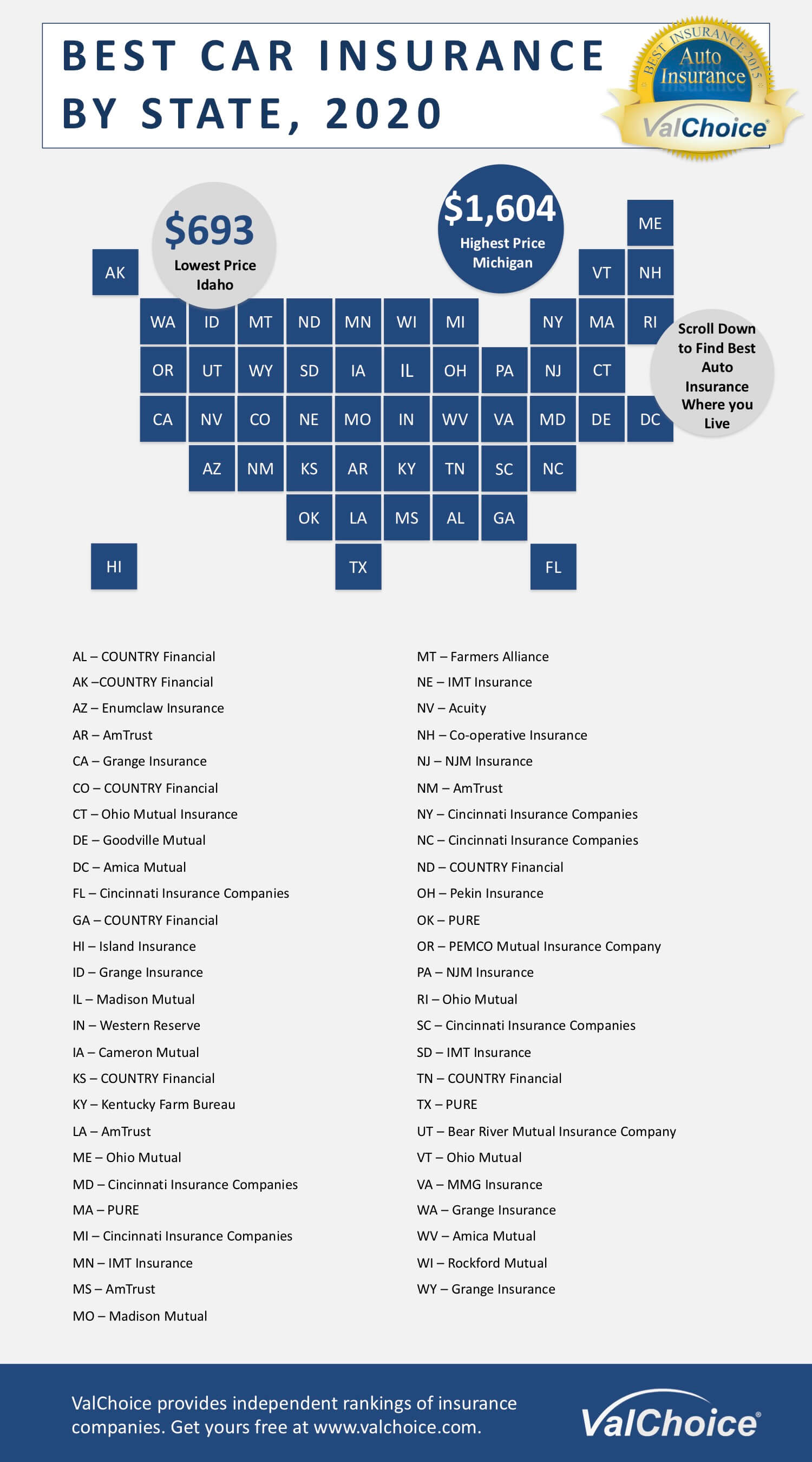
This guide evaluates the top players in the industry through the lens of financial reliability and value, helping you integrate your insurance choices into a broader strategy for wealth preservation.
The Financial Role of Car Insurance in Personal Wealth Management
Before identifying specific companies, it is vital to understand why car insurance is a pillar of personal finance. For most individuals, an automobile is one of their largest depreciating assets, and the liability associated with operating that asset represents a significant risk to their total net worth.
Mitigating Liability and Asset Protection
The primary purpose of car insurance from a financial perspective is liability coverage. If you are found at fault in an accident that causes significant bodily injury or property damage, the resulting costs can easily reach hundreds of thousands of dollars. Without adequate insurance, your personal savings, investments, and even future earnings could be liquidated to satisfy a judgment. The best car insurance companies offer high liability limits and umbrella policy integration to ensure your wealth remains protected.
The Cost of Under-Insurance
Selecting the state-minimum coverage is often a “penny wise, pound foolish” financial move. While it lowers your monthly outflow, it leaves you exposed to catastrophic financial loss. A single multi-car accident can exceed $25,000 in property damage—the minimum limit in many states—leaving you personally responsible for the balance. Evaluating an insurer based on their ability to provide robust coverage at a fair price is a hallmark of sophisticated financial planning.
Evaluating the Risk-to-Premium Ratio
Every dollar spent on insurance is a dollar not invested in the market or used to pay down debt. Therefore, the goal is to find an insurer that offers the best risk-to-premium ratio. This involves analyzing the company’s loss-ratio trends and pricing models to ensure you aren’t overpaying for the level of risk you are transferring to the carrier.
Top-Rated Insurers for Value and Financial Stability
When ranking the best car insurance companies from a money-focused perspective, we must look at financial strength ratings (such as those from A.M. Best) and customer satisfaction scores regarding payouts.
State Farm: The Market Leader in Financial Reach
State Farm remains the largest property and casualty insurer in the United States. From a financial standpoint, their scale offers a level of stability that few can match.
- Financial Strength: State Farm consistently holds top-tier ratings for financial categories, meaning they have the capital reserves to pay out massive volumes of claims even during economic downturns.
- Agent Network: For many investors, having a dedicated agent provides a level of financial consultation that digital-only platforms lack. They can help you balance your auto policy with your overall financial portfolio.
Geico: Balancing Competitive Rates with Digital Accessibility
Owned by Berkshire Hathaway, Geico is backed by one of the most financially sound parent companies in the world.
- Cost Efficiency: Geico is renowned for its competitive pricing, particularly for drivers with clean records. From a budgeting perspective, the savings realized through Geico’s streamlined operations can be redirected toward high-yield savings or retirement accounts.
- Direct-to-Consumer Model: By removing the middleman, Geico often passes administrative savings on to the policyholder, making it a top choice for those focused on minimizing fixed monthly expenses.
Progressive: Innovation in Risk-Based Pricing
Progressive is a pioneer in using data to segment risk, which can lead to significant savings for low-risk individuals.
- The Name Your Price® Tool: This feature allows consumers to work backward from their budget, a helpful approach for those managing tight cash flows.
- Transparency: Their platform often shows competitors’ rates, acknowledging that the best financial move for the consumer might occasionally be with another firm. This transparency builds trust with financially savvy users.
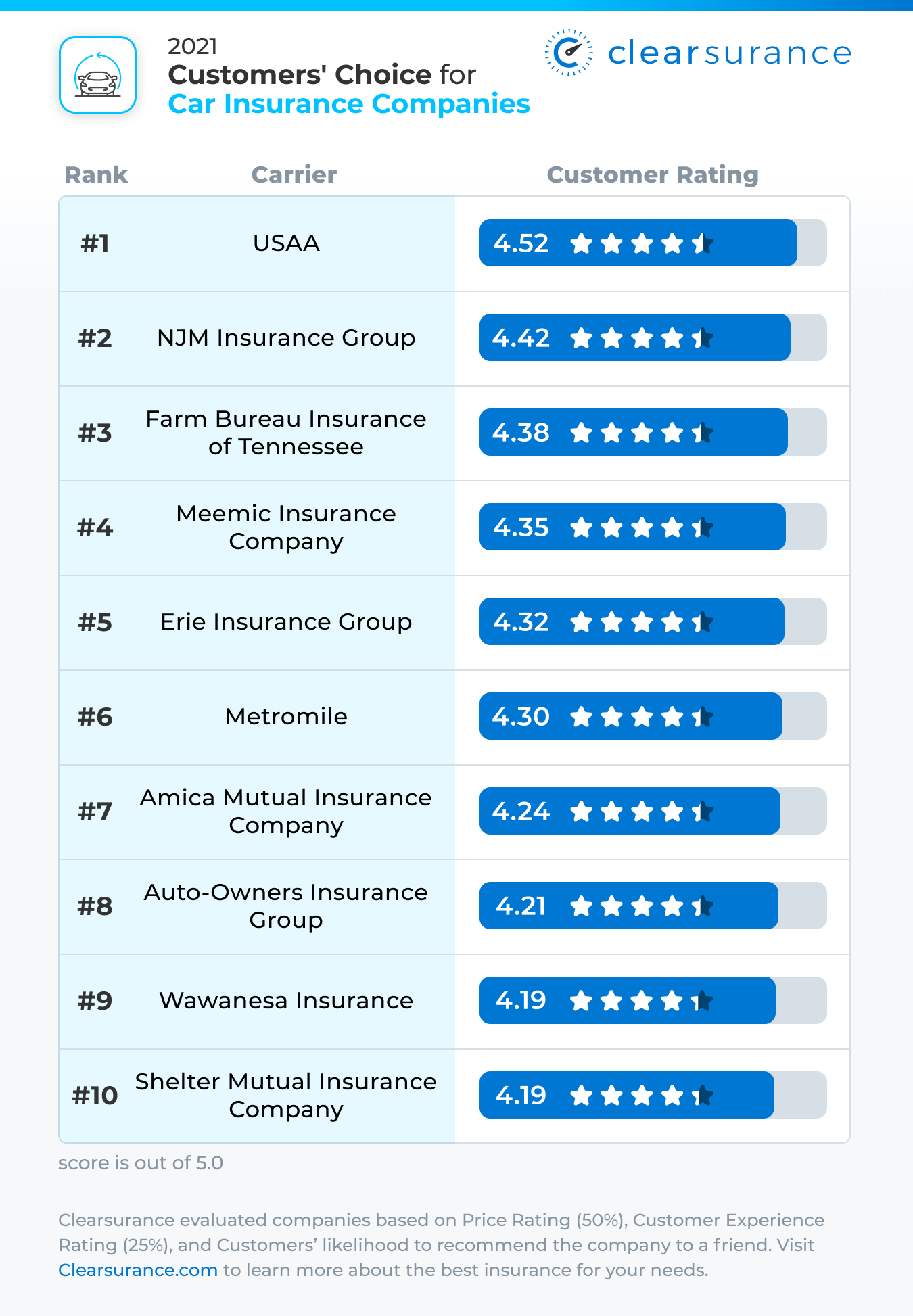
USAA: Exclusive Financial Benefits for Military Families
For those who qualify (military members and their families), USAA is frequently cited as the gold standard for financial services.
- Dividend Potential: Unlike most publicly traded insurers, USAA often returns a portion of premiums to its members in the form of dividends or distributions to Subscriber’s Savings Accounts. This makes the insurance policy feel more like a participating financial instrument than a sunk cost.
- Holistic Integration: USAA integrates banking, investing, and insurance, allowing for a consolidated view of one’s financial health.
Specialized Coverage Types and Their Impact on Your Portfolio
Understanding the “best” company also requires understanding the products they offer. The right financial choice depends on the age of your vehicle and your liquidity.
Comprehensive vs. Collision: When Does the Math Stop Making Sense?
From a personal finance perspective, there is a point where carrying collision and comprehensive coverage on an older vehicle is no longer a sound investment. If the annual premium for these coverages exceeds 10% of the vehicle’s actual cash value, it may be more financially prudent to “self-insure” for the physical damage to your own car while maintaining high liability limits to protect your other assets.
Gap Insurance: Protecting Against Asset Depreciation
New vehicles depreciate the moment they leave the lot. If you have financed a car with a small down payment, you may be “underwater”—owing more than the car is worth. Gap insurance is a critical financial tool that covers the “gap” between the insurance payout and your loan balance. Many top insurers, like Progressive and Travelers, offer this as an affordable add-on that prevents a total loss from becoming a debt crisis.
Uninsured Motorist Coverage: Hedging Against External Volatility
You can control your own insurance choices, but you cannot control others. A significant percentage of drivers remain uninsured or underinsured. Uninsured Motorist (UM) coverage is essentially an investment in your own protection. It ensures that if you are hit by someone without assets, your own insurance company steps in to cover your medical bills and lost wages, preventing a sudden depletion of your emergency fund.
Strategic Ways to Optimize Your Insurance Spending
To truly identify the best insurance company for your needs, you must know how to manipulate the variables that affect your premium.
Leveraging Deductibles to Manage Cash Flow
One of the fastest ways to reduce your insurance premium is to increase your deductible. From a money management perspective, if you have a robust emergency fund (3–6 months of expenses), you can afford a $1,000 or $1,500 deductible. This shifts the “small” risks onto yourself while the insurance company handles the “catastrophic” risks, leading to lower monthly costs and higher long-term savings.
Multi-Policy Discounts and Bundling Strategies
The best car insurance companies are often those that also provide your homeowners or renters insurance. “Bundling” is a powerful marketing tool, but it is also a legitimate financial strategy. Most carriers offer discounts ranging from 5% to 25% when you consolidate policies. This not only saves money but also simplifies your financial life by centralizing your risk management.
Credit Scores and Their Influence on Premium Rates
In most states, car insurance companies use a credit-based insurance score to determine your premium. This is a crucial intersection of personal finance and insurance. Maintaining a high credit score is not just for lower interest rates on loans; it can save you thousands of dollars in insurance premiums over a lifetime. The “best” company for someone with an 800 credit score may be very different from the best company for someone with a 600 score, as different insurers weigh credit history differently in their actuarial models.

Conclusion: Making the Data-Driven Choice
The quest for the best car insurance company is not merely about finding a brand with a catchy slogan; it is about finding a financial partner that helps you manage risk at a price point that supports your long-term wealth goals.
For those prioritizing absolute financial stability and personalized service, State Farm or USAA are often the premier choices. For the budget-conscious consumer who manages their finances through apps and spreadsheets, Geico and Progressive offer the tools and competitive pricing necessary to keep monthly overhead low.
Ultimately, the best car insurance strategy is to review your coverage annually. As your net worth grows, your need for higher liability limits increases. Conversely, as your vehicle ages, your need for physical damage coverage may decrease. By viewing car insurance as a flexible component of your personal finance plan rather than a fixed “set-it-and-forget-it” expense, you ensure that your assets remain protected and your capital is utilized as efficiently as possible.
aViewFromTheCave is a participant in the Amazon Services LLC Associates Program, an affiliate advertising program designed to provide a means for sites to earn advertising fees by advertising and linking to Amazon.com. Amazon, the Amazon logo, AmazonSupply, and the AmazonSupply logo are trademarks of Amazon.com, Inc. or its affiliates. As an Amazon Associate we earn affiliate commissions from qualifying purchases.