
In the modern landscape of personal finance, the “subscription economy” has become a silent predator of the monthly budget. While many consumers focus on large expenses like mortgages and car payments, it is often the cumulative weight of digital services—streaming video, cloud storage, and premium audio—that creates “subscription creep,” eroding discretionary income over time. Among these, SiriusXM remains a unique entity. Unlike purely digital competitors, it utilizes a sophisticated satellite infrastructure to deliver content, which is reflected in a pricing model that is notoriously complex and highly negotiable.
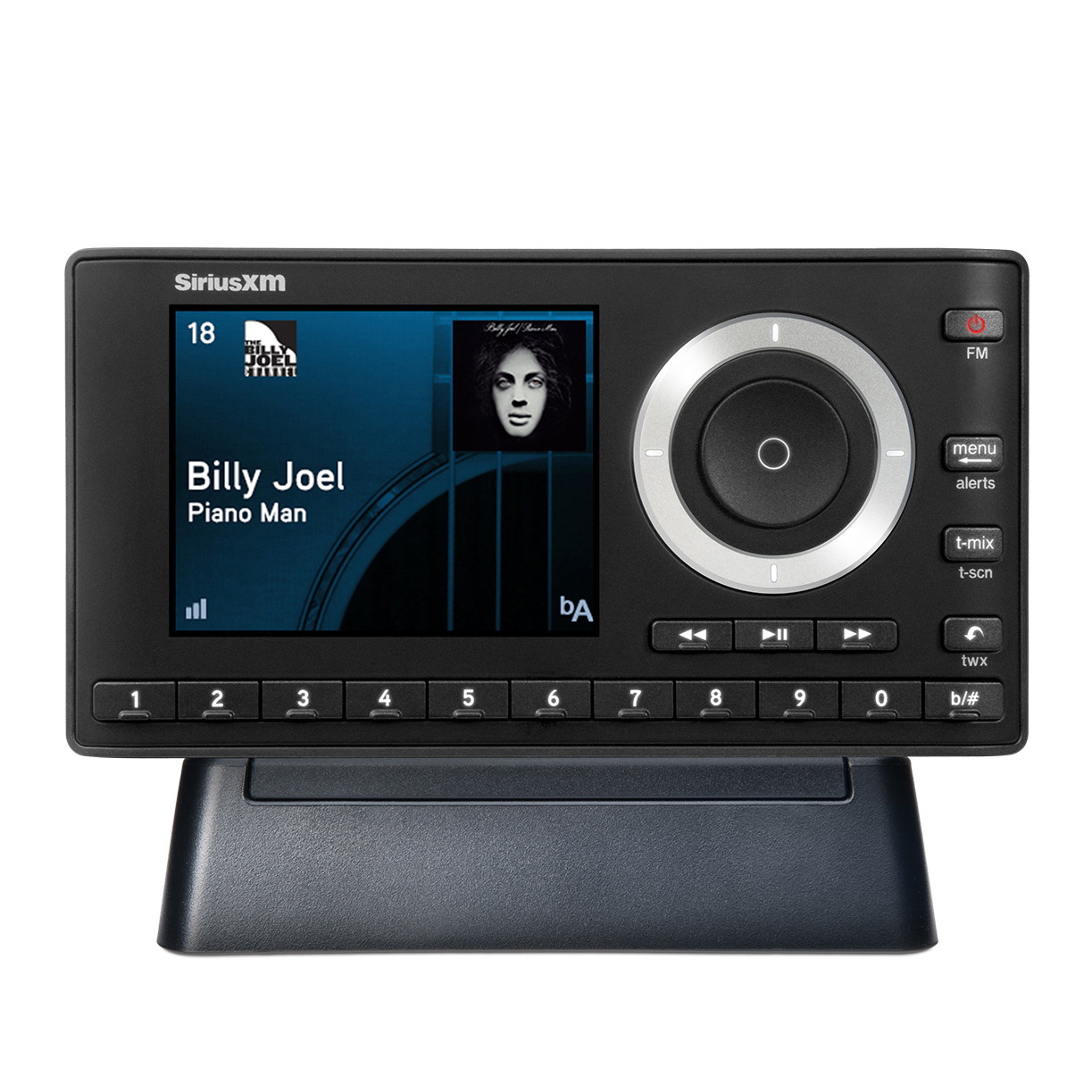
Understanding “how much is Sirius Radio” is not as simple as looking at a single price tag on a website. To a savvy consumer focused on financial health, the cost of SiriusXM is a variable expense that requires careful management, a clear understanding of tiered value, and an awareness of the hidden fees that can inflate a monthly statement by more than 20%. This guide breaks down the financial architecture of SiriusXM, providing the insight needed to determine if the service fits your fiscal goals.
Decoding the SiriusXM Pricing Structure: From Basic Access to Platinum Features
When evaluating the cost of SiriusXM from a personal finance perspective, one must first navigate the tiered pricing system. The company frequently rebrands and adjusts its packages, but the core financial commitment generally falls into three distinct categories.
The Core Plans: Music & Entertainment vs. Platinum
The entry-level “Music & Entertainment” plan is designed for the casual listener. Typically priced between $13.99 and $18.99 per month (plus fees), this plan offers over 400 channels. From a value-assessment standpoint, this is the “middle ground” for most consumers. However, for those seeking the full spectrum of content—including play-by-play sports, Howard Stern, and high-quality artist-specific channels—the “Platinum” plan is the flagship offering. The Platinum plan usually carries a sticker price of approximately $23.99 per month. For a household managing a strict budget, the $5 to $10 gap between these tiers represents an annual difference of $60 to $120, a significant amount when compounded over several years.
Specialized Tiers: Streaming-Only and Car-Only Options
In an effort to compete with digital-first giants like Spotify and Apple Music, SiriusXM introduced streaming-only plans. These are often the most cost-effective way to access the content, frequently priced around $9.99 per month. Financially, this is an attractive option for commuters who utilize Apple CarPlay or Android Auto, as it bypasses the need for a dedicated satellite receiver in the vehicle. By choosing a streaming-only plan, a consumer can significantly lower their “cost per hour” of entertainment, especially if they already pay for a robust mobile data plan.
The Impact of Taxes and Administrative Fees
One of the most critical aspects of SiriusXM’s financial model is that the advertised price is rarely the final price. Unlike many SaaS (Software as a Service) companies that include taxes in their rounded pricing, SiriusXM adds a “U.S. Music Royalty Fee” and applicable state and local taxes. In many jurisdictions, these additions can increase the monthly bill by nearly 25%. When calculating your annual entertainment budget, it is vital to account for these surcharges to avoid a “budget leak” where you are spending $300 a year on a service you estimated would cost $200.
The Hidden Economics of Satellite Radio: Why the Sticker Price Isn’t the Whole Story
To truly master your personal finances, you must look beyond the monthly recurring charge. SiriusXM involves several “hidden” economic factors that can influence the total cost of ownership.
The U.S. Music Royalty Fee: An Often Overlooked Surcharge
The Music Royalty Fee is perhaps the most significant “hidden” cost in the satellite radio ecosystem. As of current standards, this fee hovers around 21.4% of the base subscription price. From a financial planning perspective, this is essentially a pass-through cost that the company uses to cover the licensing fees paid to artists and labels. Because this fee scales with the price of your plan, the more expensive your subscription, the more you pay in “hidden” royalties. High-net-worth individuals and budget-conscious families alike should treat this as a mandatory tax when comparing SiriusXM to other services that may bake these costs into their flat-rate pricing.
Equipment Costs and Installation Expenses
For older vehicles or consumers who prefer a “dock-and-play” setup, the hardware itself is a capital expenditure. While many new cars come with integrated receivers, an aftermarket installation can cost anywhere from $70 to $250. This is a “sunk cost” that must be amortized over the life of the subscription. If you spend $200 on hardware and keep the service for two years, you are effectively adding $8.33 to your monthly cost. This calculation is essential for determining the true ROI (Return on Investment) of the service.

Trial Periods and the “Subscription Trap”
SiriusXM is famous for its aggressive introductory offers—often three months for free or $5 for 12 months. From a money management perspective, these trials are both an opportunity and a risk. The “Subscription Trap” occurs when the trial expires and the account automatically reverts to the full-price “Platinum” rate. For a consumer who isn’t tracking their automated payments, this can result in an unexpected $25+ deduction from their checking account. Setting a calendar reminder to renegotiate or cancel before the trial ends is a hallmark of a disciplined financial strategy.
Maximizing ROI: How to Negotiate Your Way to a Lower Monthly Bill
One of the unique financial aspects of SiriusXM is that its pricing is highly elastic. Unlike Netflix or Disney+, which have rigid pricing structures, SiriusXM operates much like a traditional cable company or an insurance provider.
The Retention Department Strategy
The most effective way to lower the cost of SiriusXM is through the “Retention Strategy.” The company’s primary goal is to minimize “churn”—the rate at which customers cancel their subscriptions. Consequently, their customer service representatives are authorized to offer significant discounts to keep you on the rolls. By calling the cancellation department and stating that the current price is no longer within your budget, you can often secure a rate as low as $5 or $6 per month for the Platinum tier. This single 10-minute phone call can save you over $200 per year, providing a “return on time” that is difficult to find elsewhere in personal finance.
Timing Your Renewal for Maximum Leverage
Timing is everything in business finance. SiriusXM often runs its most aggressive promotions during the end of the fiscal quarter or during major holiday sales (such as Black Friday). If your subscription is up for renewal, or if you are looking to start a new one, doing so during these windows can lock in a lower base rate for the following 12 months. Furthermore, always ask for a “multi-year” or “annual” discount. While paying upfront requires more immediate liquidity, it often results in a lower total cost than paying month-to-month.
Annual vs. Monthly Billing: Which Offers Better Liquidity?
Choosing between an annual or monthly payment plan is a classic liquidity versus cost-savings trade-off. Paying annually often removes the monthly administrative burden and can sometimes waive certain fees. However, it ties up your capital. If you are currently aggressively paying off high-interest debt, keeping that cash in your pocket and paying month-to-month may be the smarter move. Conversely, if you have a stable emergency fund, the annual discount (which can be as much as 15-20% off the monthly rate) represents a guaranteed “return” on your money that exceeds the interest rates of most savings accounts.
The Opportunity Cost: SiriusXM vs. Other Entertainment Investments
In the world of finance, every dollar spent on one thing is a dollar not spent (or invested) elsewhere. This is known as opportunity cost. To decide if SiriusXM is “worth it,” you must compare it against the broader market of financial tools and entertainment services.
Comparing Costs with Spotify, Apple Music, and Amazon Music
From a pure cost-per-month perspective, SiriusXM is often the most expensive option if paid at the full retail rate. Spotify and Apple Music typically range from $10.99 to $16.99 for family plans. However, SiriusXM provides “curated” content and live broadcasts that these algorithmic services lack. If you are paying for both SiriusXM and a streaming music service, you are likely experiencing “content overlap.” Consolidating these into a single service is a quick way to reclaim $120 to $240 a year for your savings or investment accounts.
Long-term Financial Impact of Multiple “Small” Subscriptions
It is easy to dismiss a $20 monthly charge, but the long-term math tells a different story. If you were to take that $20 and invest it in a low-cost S&P 500 index fund with an average annual return of 7%, in 10 years, that money would grow to approximately $3,460. In 30 years, it would be worth over $24,000. When you ask “how much is Sirius Radio,” you aren’t just asking about the monthly bill; you are asking about the future value of that capital. For some, the educational value of news and financial talk radio on the platform justifies this cost; for others, it may be a luxury that hinders long-term wealth building.

Assessing Value: Is the Exclusive Content Worth the Premium?
The final financial assessment comes down to utility. If your profession requires you to stay informed on market trends via CNBC or Fox Business (both available on SiriusXM), or if your commute is long enough that the entertainment provides a significant mental health benefit, the “utility value” may outweigh the monetary cost. A professional who uses the service to stay informed may find it a tax-deductible business expense (consult with a CPA), which effectively lowers the net cost through tax savings.
In conclusion, “how much is Sirius Radio” is a question with a multi-layered answer. While the sticker price suggests a premium service, the reality is a flexible, negotiable expense that can be optimized for any budget. By understanding the fees, mastering the art of negotiation, and weighing the opportunity costs, you can ensure that your satellite radio subscription remains a source of value rather than a financial burden.
aViewFromTheCave is a participant in the Amazon Services LLC Associates Program, an affiliate advertising program designed to provide a means for sites to earn advertising fees by advertising and linking to Amazon.com. Amazon, the Amazon logo, AmazonSupply, and the AmazonSupply logo are trademarks of Amazon.com, Inc. or its affiliates. As an Amazon Associate we earn affiliate commissions from qualifying purchases.