
Often overlooked in the grand scheme of marketing and corporate strategy, the humble lanyard plays a surprisingly pivotal role in shaping brand perception, reinforcing corporate identity, and enhancing operational efficiency. Far more than just a simple cord worn around the neck, a lanyard is a canvas for branding, a tool for identification, and a silent ambassador for your organization. In an increasingly competitive landscape where every touchpoint matters, understanding and leveraging the strategic applications of lanyards can significantly amplify a brand’s presence and streamline its interactions, both internally and externally. This article delves into the multifaceted uses of lanyards, examining their profound impact on corporate identity, marketing efforts, and overall brand ecosystem.
The Ubiquitous Symbol of Professional Identity
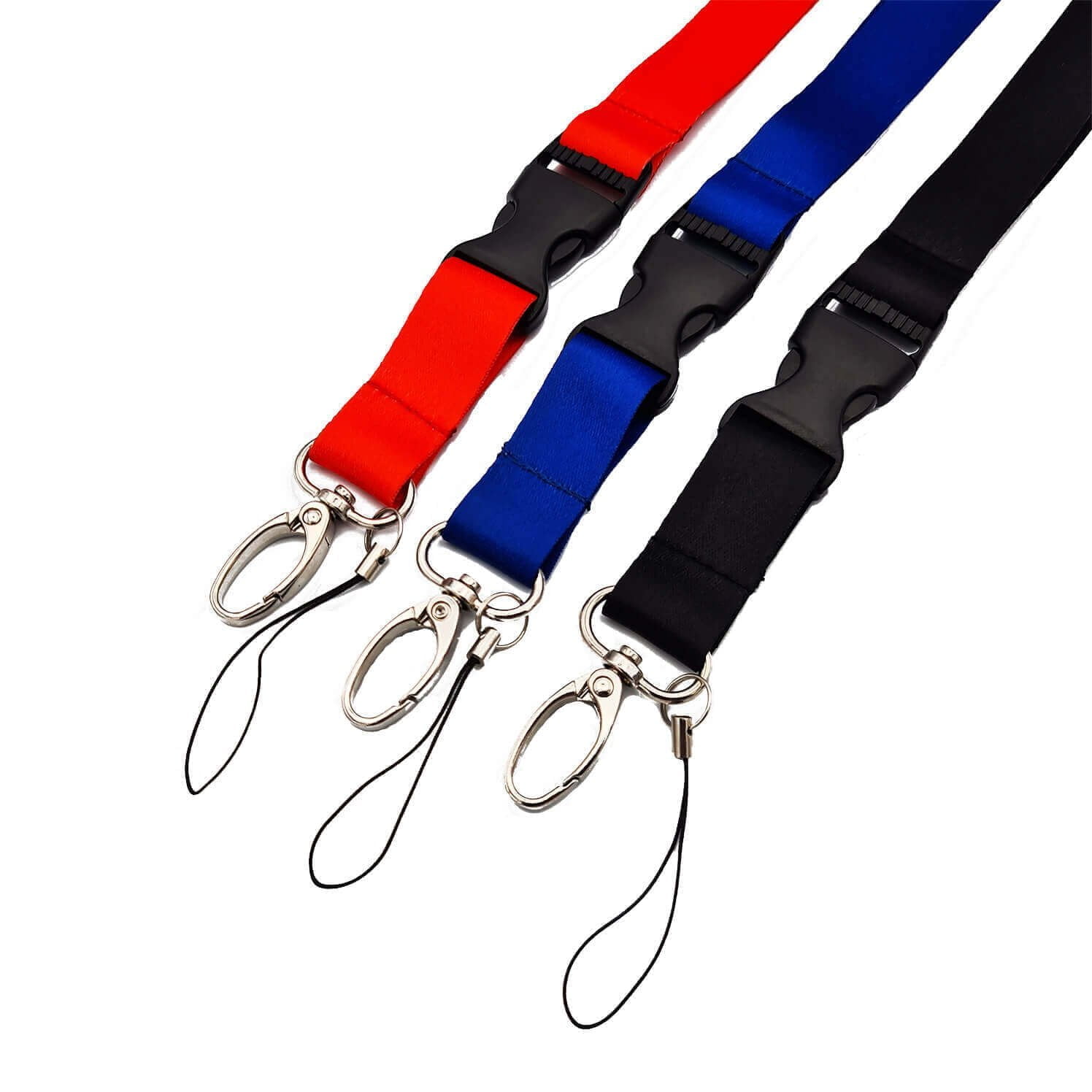
Lanyards are an omnipresent feature in professional environments, serving as a subtle yet powerful signifier of belonging, authority, and professionalism. Their consistent use across an organization can knit together diverse teams, provide clear identification, and cultivate a cohesive corporate image.
Facilitating Access and Security with Branded Flair
At its core, one of the most practical uses of a lanyard is to securely hold and display identification. Whether it’s an employee ID badge, a visitor’s pass, or an access control card, lanyards ensure that these critical items are always visible and within easy reach. In high-security environments, or even in a typical office setting, the ability to quickly identify personnel not only enhances security protocols but also fosters a sense of order and trust.
When these lanyards are branded with a company’s logo, colors, and perhaps a tagline, they transform from mere utility items into extensions of the corporate identity. Every glance at a branded lanyard reinforces the company’s presence. For employees, this provides a daily touchpoint with their organization’s identity, subtly reminding them of their affiliation and professional role. For visitors, it immediately communicates who they are dealing with and helps distinguish authorized personnel from others, creating a more secure and professional environment. Moreover, in today’s digital age, lanyards often hold not just physical cards but also NFC tags or QR codes linked to digital credentials, further solidifying their role in secure access systems.
Unifying Teams and Reinforcing Corporate Culture
Beyond mere identification, branded lanyards are powerful tools for internal branding and fostering a unified corporate culture. When every employee wears a lanyard displaying the company logo, it creates a visual uniformity that can instill a sense of shared purpose and belonging. This seemingly small detail contributes to team cohesion, breaking down departmental silos by subtly reminding everyone that they are part of a larger entity.
For new employees, receiving a branded lanyard can be part of the onboarding ritual, symbolizing their official entry into the company family. It’s a tangible item that helps them feel integrated and part of the team from day one. In larger organizations, lanyards can even be customized further to denote specific departments, roles, or tenures, allowing for immediate recognition and fostering internal communication. This consistent visual element reinforces the company’s values and brand promise from within, making employees feel like true representatives of the brand and encouraging them to embody its spirit in their daily interactions.
Enhancing Visitor Experience and Event Management
In conference centers, trade shows, corporate events, and even simple office visits, lanyards play a crucial role in managing attendees and enhancing their experience. Visitors wearing clearly marked lanyards feel acknowledged and guided. Event lanyards often include schedules, maps, or QR codes linking to event apps, transforming them into functional tools that improve navigation and information access.
For event organizers, branded lanyards are indispensable for distinguishing attendees from staff, speakers, press, and VIPs. This allows for smoother entry, better crowd control, and tailored access to different areas. The professionalism conveyed by a well-designed, branded lanyard contributes to a positive first impression and overall perception of the event or organization. Furthermore, for networking events, the lanyard often holds a name badge, making introductions easier and more natural, thereby facilitating meaningful connections – a core objective of many professional gatherings.
Lanyards as Potent Marketing and Promotional Tools
Beyond internal identity, lanyards excel as external marketing and promotional vehicles. Their wearability and visibility make them highly effective for extending brand reach and creating lasting impressions.
Wearable Advertising: Extending Brand Reach Beyond the Booth
In the bustling environment of a trade show, conference, or public event, every square inch of visibility counts. A branded lanyard worn by an attendee or staff member transforms into a miniature, mobile billboard. As individuals move through venues, interact with others, and even commute to and from events, their lanyards carry your brand message far and wide. This form of wearable advertising is particularly effective because it’s subtle, non-intrusive, and highly visible.
Unlike flyers that are often discarded, lanyards are functional and often kept by attendees as souvenirs or for future use. This means your brand continues to be exposed long after the event concludes, making it a highly cost-effective and enduring promotional item. The more people who wear your branded lanyards, the greater your brand’s organic reach and exposure, extending your marketing efforts effortlessly into diverse environments. This continuous, passive exposure embeds your brand into the public consciousness, fostering familiarity and recall.
Memorable Giveaways and Event Souvenirs
Lanyards are exceptional promotional giveaways because of their practicality and perceived value. They are not merely trinkets but useful items that can hold keys, USB drives, or even small personal devices. When offered as part of an event welcome pack or as a standalone promotional item, a high-quality, branded lanyard can significantly boost attendee satisfaction and create a positive brand association.
As souvenirs, lanyards serve as tangible reminders of a positive experience. An attendee who had a great time at your conference might continue to use the branded lanyard long after the event, keeping your brand top-of-mind. This longevity of utility makes lanyards a superior choice compared to many other promotional items with shorter lifespans. The act of giving a useful item also creates goodwill and reciprocity, subtly strengthening the bond between the individual and your brand.
Customization Opportunities for Targeted Messaging
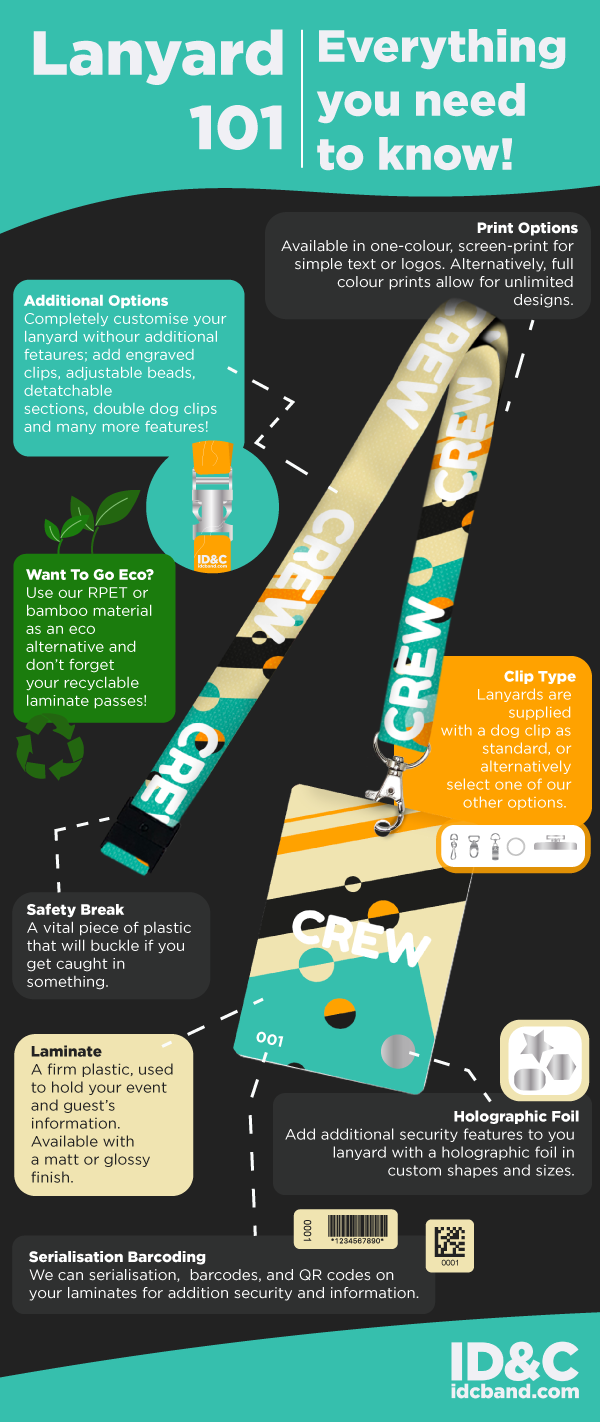
The versatility of lanyards in terms of design and material offers immense opportunities for targeted marketing and creative branding. Brands can choose from a variety of materials like polyester, nylon, satin, or even eco-friendly options, each conveying a different brand message about quality, durability, or sustainability. Printing techniques allow for intricate logos, full-color designs, and detailed text, ensuring brand guidelines are strictly adhered to.
Beyond the basic strap, lanyards can be customized with various attachments such as different clip types, safety breakaway features, or even specialized holders for pens, phones, or hand sanitizers. This level of customization allows brands to tailor their lanyards to specific campaigns, target audiences, or event themes, enhancing their relevance and impact. For instance, a tech conference might feature lanyards with USB holders, while an eco-conscious brand might opt for lanyards made from recycled PET plastic, aligning the product directly with their brand values and messaging.

Strategic Considerations for Effective Lanyard Branding
To maximize the impact of lanyards on branding, careful strategic planning is essential. It’s not just about slapping a logo on a strap; it’s about integrating the lanyard into a cohesive brand narrative.
Design Principles for Impact and Recognition
The effectiveness of a branded lanyard hinges significantly on its design. Clarity and visibility of the logo are paramount. The logo should be prominently displayed, easily legible, and instantly recognizable. Color choices are equally critical; they should align with the brand’s official color palette to maintain consistency and strengthen brand recognition. A poorly designed lanyard with a cluttered or hard-to-read logo can detract from the brand rather than enhance it.
Furthermore, the quality of the print and the lanyard material itself convey implicit messages about the brand. A high-quality, well-finished lanyard suggests professionalism and attention to detail, reflecting positively on the brand. Conversely, a flimsy or cheaply produced lanyard might inadvertently communicate a lack of quality or care. Brands should prioritize design that balances aesthetic appeal with functionality, ensuring the lanyard is comfortable to wear and effectively serves its purpose while visually reinforcing the brand identity.
Material Selection and Sustainability in Brand Image
The choice of material for a lanyard is a strategic decision that can subtly communicate a brand’s values. Traditional options like polyester and nylon offer durability and vibrant print capabilities. However, with increasing emphasis on corporate social responsibility, brands now have the opportunity to select sustainable materials. Options like recycled PET (RPET), bamboo fiber, or organic cotton lanyards can significantly bolster a brand’s commitment to environmental stewardship.
Choosing eco-friendly materials is more than just a trend; it’s a powerful statement about a brand’s ethos. It resonates with environmentally conscious consumers and stakeholders, enhancing brand image and differentiation. Brands that align their promotional items with their sustainability goals demonstrate authenticity and a commitment to responsible practices, thereby strengthening their brand narrative and appeal to a broader, more conscious audience.
Integrating Lanyards into a Broader Brand Strategy
For lanyards to truly be effective branding tools, they must not operate in isolation. They need to be an integrated component of a broader brand strategy, working in concert with other marketing collateral, digital presence, and corporate communications. Consistency across all brand touchpoints is key to building a strong and recognizable brand identity.
This means ensuring the lanyard’s design, messaging, and quality are consistent with the brand’s website, social media, brochures, signage, and even employee uniforms. A cohesive brand experience, where every element reinforces the same message, creates a more powerful and memorable impression. Lanyards can be part of a larger campaign, tied into specific product launches or brand initiatives, becoming a tangible reminder of a particular message or event. By thinking of lanyards not just as isolated items but as integral parts of the overall brand ecosystem, companies can unlock their full potential.
Beyond the Basics: Innovative Lanyard Applications for Modern Brands
As technology evolves and marketing strategies become more sophisticated, so too do the potential applications of lanyards. Modern brands are exploring innovative ways to use lanyards to enhance engagement, gather data, and create immersive experiences.
Smart Lanyards: Bridging Physical and Digital Branding
The advent of smart technology has opened up new frontiers for lanyard functionality. “Smart lanyards” can incorporate NFC (Near Field Communication) chips, QR codes, or even small RFID tags that bridge the gap between physical identification and digital interaction. These capabilities allow attendees at events to seamlessly exchange digital business cards, access exclusive content, participate in polls, or check into sessions with a simple tap or scan.
For brands, this means lanyards can become powerful data collection tools, providing insights into attendee engagement, popular sessions, or booth visits. This data can then be used to refine marketing strategies, personalize follow-ups, and measure ROI more accurately. By integrating technology, lanyards transform from static identifiers into dynamic platforms for interactive brand experiences, making the brand more accessible and engaging in the digital age.
The Role of Lanyards in Experiential Marketing
Experiential marketing focuses on creating immersive and memorable brand experiences. Lanyards can be a crucial element in these efforts, acting as a gateway to unique interactions. Imagine a festival where a branded lanyard not only grants access but also serves as a digital wallet for purchases, or allows entry to exclusive zones based on pre-registered interests.
In these contexts, lanyards become an intrinsic part of the experience, enhancing convenience and personalization. They can be used to gamify events, track participation in challenges, or even trigger personalized content delivery as attendees move through different brand zones. By embedding the brand into the very fabric of the experience, lanyards help create stronger emotional connections and more impactful memories, reinforcing brand loyalty and advocacy.
Measuring the Impact: ROI of Branded Lanyards
While often seen as a minor expense, the strategic deployment of branded lanyards can yield significant returns. Measuring this ROI involves looking beyond immediate sales and considering factors like enhanced brand awareness, improved corporate image, increased employee morale, and streamlined operational efficiency. For smart lanyards, data on interactions, lead generation, and engagement rates can provide concrete metrics.
For traditional lanyards, qualitative assessments through surveys on brand recall or employee satisfaction can be insightful. The longevity of a lanyard as a promotional item also contributes to its long-term ROI, as it continues to expose the brand long after the initial investment. By integrating lanyards thoughtfully into a comprehensive branding strategy and considering their multi-faceted impact, companies can recognize their true value as a powerful, yet often underestimated, asset.
Conclusion
The question “what is a lanyard used for?” reveals a far more complex and strategic answer than a simple functional explanation. From their foundational role in identification and security to their sophisticated applications in modern marketing and experiential branding, lanyards are potent tools for shaping and reinforcing a brand’s identity. They serve as constant, subtle reminders of corporate presence, unify teams, enhance customer experiences, and extend marketing reach. By embracing thoughtful design, sustainable material choices, and innovative technological integrations, brands can elevate the humble lanyard from a mere accessory to an indispensable component of their overarching brand strategy, quietly yet effectively building recognition, loyalty, and a strong professional image.
aViewFromTheCave is a participant in the Amazon Services LLC Associates Program, an affiliate advertising program designed to provide a means for sites to earn advertising fees by advertising and linking to Amazon.com. Amazon, the Amazon logo, AmazonSupply, and the AmazonSupply logo are trademarks of Amazon.com, Inc. or its affiliates. As an Amazon Associate we earn affiliate commissions from qualifying purchases.