
In today’s rapidly evolving world, the concept of “income” has become more nuanced and multifaceted than ever before. Gone are the days when income was solely synonymous with a traditional salaried job. With the explosive growth of technology and the rise of the digital economy, new avenues for earning have emerged, transforming how individuals and businesses generate wealth. This article will delve into the fundamental definition of income, explore its various forms, and examine how the principles of technology, branding, and finance intersect to shape our understanding and pursuit of earnings in the 21st century.
The Core Concept: Defining Income
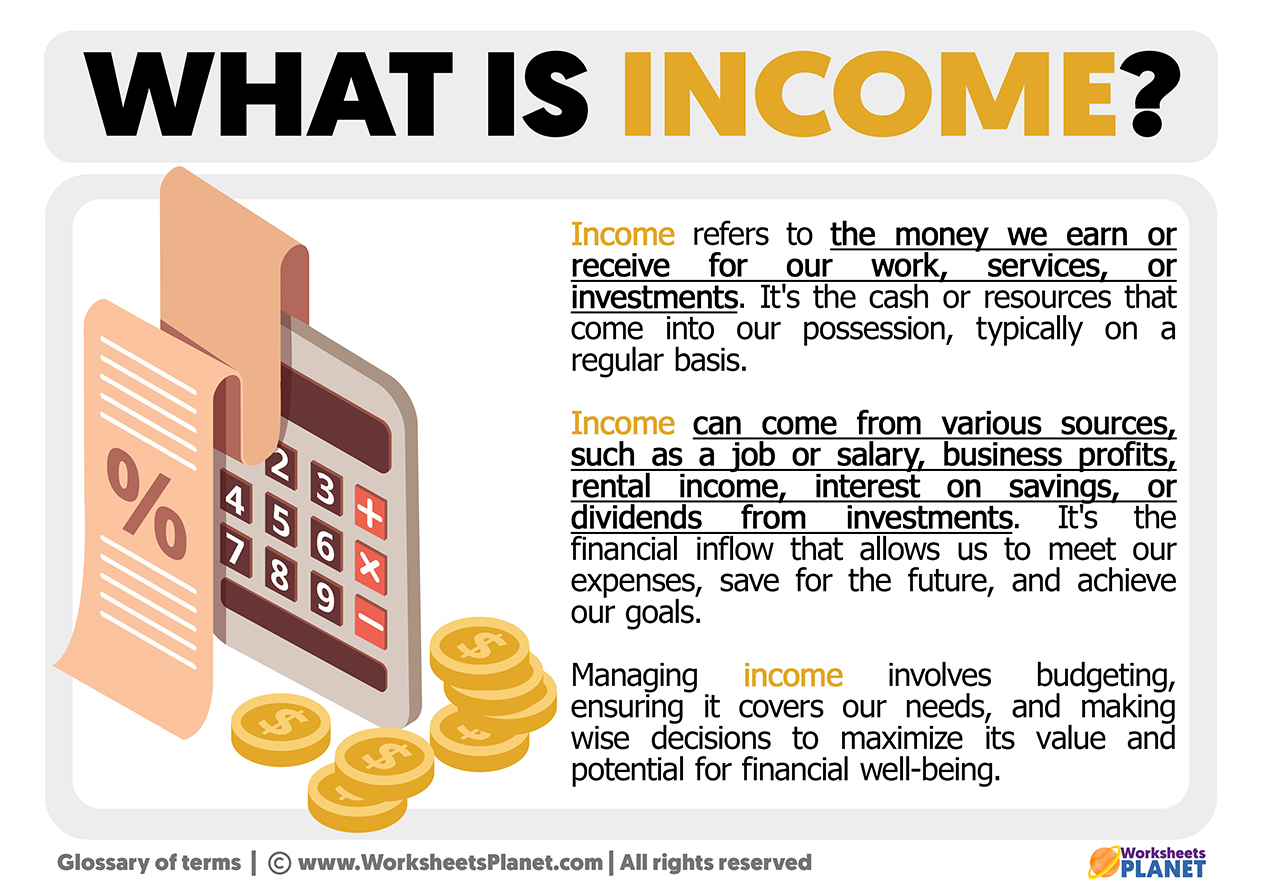
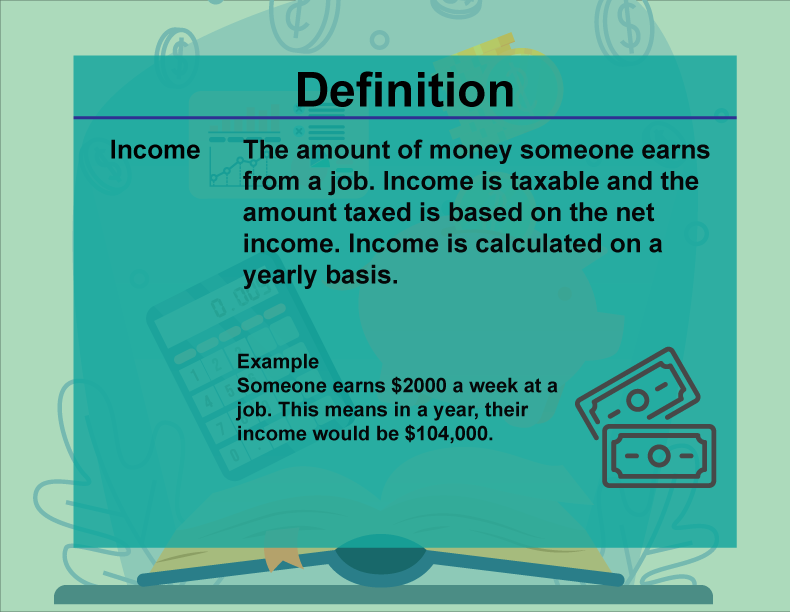
At its most basic, income refers to the money or other benefit received in exchange for labor or services, or from the sale of goods. It is the economic inflow that allows individuals and entities to meet their needs, pursue their goals, and invest in their future. Think of it as the revenue a household or business generates over a specific period. This inflow can manifest in numerous ways, from the steady paycheck of an employee to the fluctuating profits of an entrepreneur.
However, the digital age has significantly expanded this definition. Income is no longer confined to physical currency or direct monetary exchange. It can now encompass digital assets, royalties from intellectual property, dividends from investments, and even the value derived from leveraging online platforms. Understanding these distinctions is crucial for anyone seeking to effectively manage their finances and capitalize on the opportunities available today.
Types of Income: Beyond the Paycheck
The landscape of income generation is incredibly diverse. While traditional employment remains a significant source for many, a multitude of alternative income streams have become increasingly accessible and popular. Categorizing these income types helps to illuminate the breadth of opportunities and the different strategies required to cultivate them.
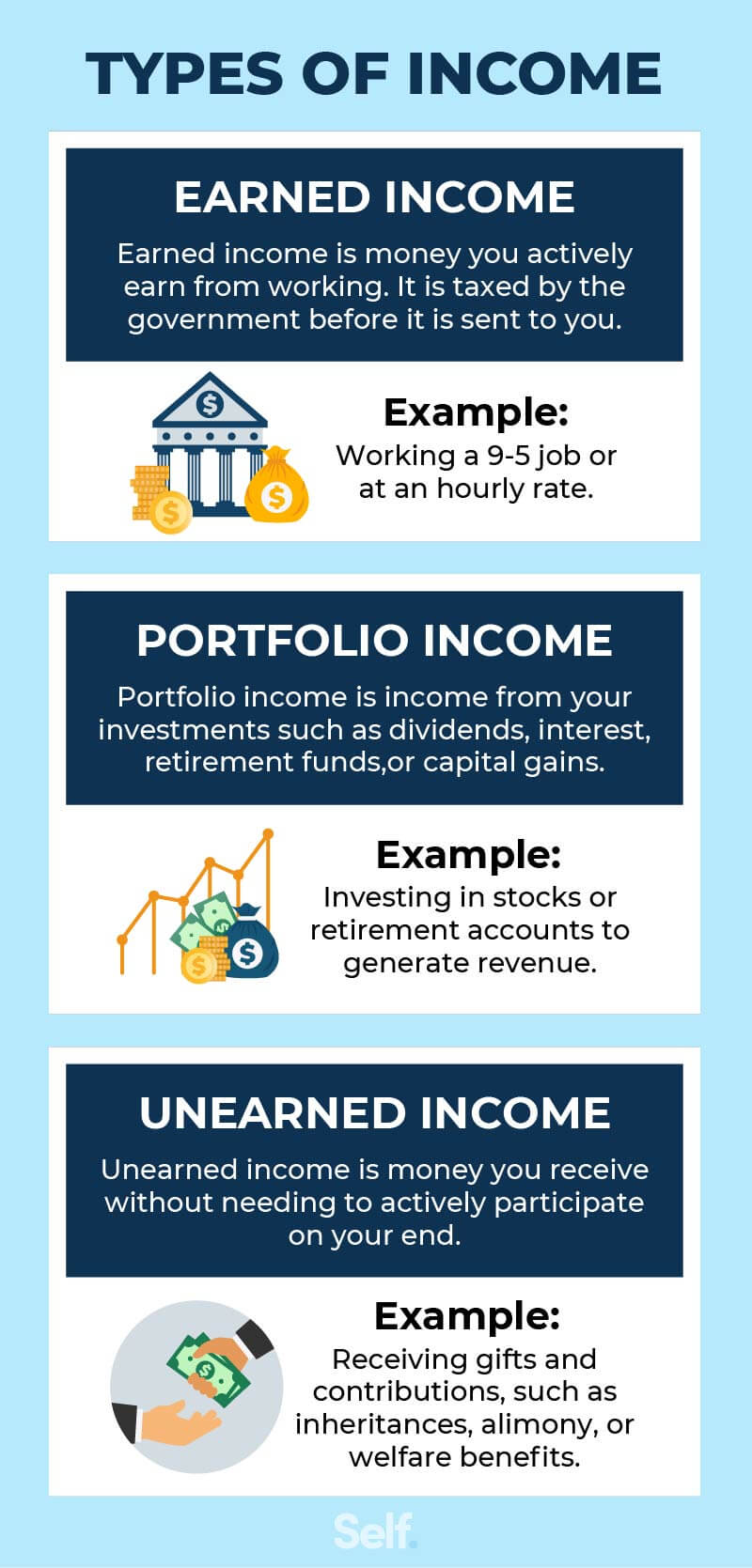
1. Earned Income: The Foundation of Traditional Earnings
This is the most common form of income, derived from actively working for an employer or as a self-employed individual. It’s the direct result of your time, skills, and effort applied to a job or service.
- Salaried Income: A fixed amount of money paid regularly, typically on a weekly, bi-weekly, or monthly basis, regardless of the exact hours worked. This offers predictability and stability.
- Hourly Wages: Payment based on the number of hours worked. This income can fluctuate depending on the hours available and worked.
- Commissions and Bonuses: Performance-based earnings, often added to a base salary or wage, incentivizing individuals to achieve specific targets.
- Freelance and Gig Work: Income earned by providing services to clients on a project-by-project or on-demand basis. This falls under earned income as it’s a direct exchange of labor for payment.
The rise of the gig economy has blurred the lines between traditional employment and independent work, allowing individuals to earn income through various platforms and services, offering flexibility but also requiring self-management of income and benefits.
2. Passive Income: Earning While You Sleep (or While You’re Busy Elsewhere)
Passive income is a highly sought-after income stream that requires minimal ongoing effort to maintain once established. The initial investment of time, money, or both, is designed to generate returns over an extended period.
- Investment Income:
- Dividends: Payments made by corporations to their shareholders, representing a portion of the company’s profits.
- Interest: Earnings from lending money, such as through savings accounts, bonds, or peer-to-peer lending.
- Capital Gains: Profits realized from selling an asset (like stocks, real estate, or cryptocurrency) for more than its purchase price.
- Rental Income: Income generated from leasing out property, whether it’s real estate, equipment, or even digital assets.
- Royalties: Payments received for the use of intellectual property, such as books, music, patents, or software licenses.
- Affiliate Marketing: Earning a commission by promoting another company’s products or services and earning a percentage of the sales generated through your unique affiliate link.
- Digital Products: Creating and selling e-books, online courses, templates, or software that can be sold repeatedly with minimal additional effort after the initial creation.
- Online Content Creation: Monetizing content through advertising revenue (e.g., YouTube ads), sponsorships, or fan subscriptions on platforms like Patreon.
The allure of passive income lies in its potential to decouple income from direct time commitment, offering financial freedom and the ability to pursue other interests.
3. Portfolio Income: The Blend of Active and Passive
This category often overlaps with passive income but specifically refers to earnings derived from investments held in a diversified portfolio. It’s income generated by your money working for you.
- Stock Market Investments: Dividends, capital gains from selling stocks, and earnings from mutual funds or ETFs.
- Real Estate Investments: Rental income from properties, capital appreciation upon sale.
- Bond Investments: Interest payments from government or corporate bonds.
- Alternative Investments: Returns from cryptocurrencies, venture capital, or private equity.
Effective portfolio income management involves understanding market trends, risk tolerance, and diversification strategies to maximize returns while mitigating losses.
The Influence of Tech, Brand, and Money on Income Generation
The modern income landscape is inextricably linked to advancements in technology, the strategic cultivation of brands, and sound financial principles. These three pillars work in synergy to create new opportunities and reshape existing ones.
The Tech Revolution: Enabling New Income Streams
Technology has been the primary catalyst for the diversification of income. The internet, mobile devices, and sophisticated software have democratized access to global markets and created entirely new industries.
- The Gig Economy & Online Marketplaces: Platforms like Upwork, Fiverr, and Uber have facilitated the growth of the gig economy, allowing individuals to offer their skills and services to a global clientele. This directly translates to earned income through specialized digital services.
- E-commerce and Online Retail: The ability to set up online stores through platforms like Shopify or Etsy has made it easier than ever to sell physical or digital products, generating income from online sales.
- Content Creation and Monetization: YouTube, TikTok, Instagram, and blogging platforms enable individuals to build an audience and monetize their content through advertising, sponsorships, and direct fan support. This is a prime example of how technology enables both earned and passive income.
- AI Tools and Automation: Artificial intelligence is transforming productivity. AI tools can assist in content creation, data analysis, customer service, and many other tasks, allowing individuals and businesses to operate more efficiently and potentially generate higher income. For example, AI-powered writing assistants can speed up content creation for bloggers, while AI design tools can help freelance designers produce more work.
- Digital Security and Privacy: As more income is generated and managed online, understanding digital security is paramount. Protecting your digital assets and personal information is crucial to safeguarding your earnings from fraud and cyber threats.
The Power of Branding: Differentiating and Commanding Value
In a crowded marketplace, a strong brand is no longer just for corporations; it’s essential for individuals seeking to maximize their income. Your personal brand or your business’s brand is what differentiates you and allows you to command a premium for your products or services.
- Personal Branding for Freelancers and Consultants: When you offer your expertise as a freelancer, your reputation, the quality of your work, and your online presence (your personal brand) directly influence your ability to attract clients and negotiate higher rates. A well-defined personal brand communicates expertise, reliability, and unique value.
- Corporate Identity and Marketing: For businesses, a strong corporate identity and effective marketing strategies are crucial for attracting customers, building loyalty, and ultimately driving sales, which directly translates to business income. This involves everything from logo design and messaging to customer experience.
- Reputation Management: In the digital age, online reviews and social media mentions can significantly impact a brand’s reputation. Proactive reputation management is vital for maintaining trust and attracting new income opportunities. A tarnished reputation can severely hinder income potential.
- Storytelling and Connection: Effective branding involves telling a compelling story that resonates with your target audience. This emotional connection can lead to increased customer loyalty and a greater willingness to pay for your offerings, thus boosting income.
Financial Literacy and Strategy: Maximizing and Sustaining Income
Understanding how to manage, grow, and protect your income is as important as generating it in the first place. Financial literacy underpins successful income strategies.
- Personal Finance Management: This involves budgeting, tracking expenses, saving, and managing debt effectively. Strong personal finance habits ensure that earned income is sufficient to meet living expenses and allows for the accumulation of capital for investment.
- Investing for Growth: As mentioned, investment income is a significant component of overall wealth. Understanding different investment vehicles, risk management, and long-term financial planning is crucial for growing your money and generating passive income.
- Online Income Strategies and Side Hustles: The internet has opened up numerous avenues for side hustles that can supplement primary income. From selling crafts online to offering virtual assistant services, these ventures require financial acumen to manage effectively.
- Business Finance and Profitability: For entrepreneurs, understanding business finance – including revenue streams, cost management, cash flow, and profitability analysis – is essential for ensuring the sustainability and growth of their income.
- Financial Tools and Technology: A wide array of financial tools, from budgeting apps to investment platforms and tax software, are available to help individuals and businesses manage their money more efficiently, optimize their earnings, and plan for the future.
The Interconnectedness of Income in the Digital Era
It’s clear that technology, branding, and finance are not isolated concepts when it comes to income. They are deeply interconnected, influencing and augmenting each other in a continuous cycle.
For instance, a tech startup developing an innovative AI tool will leverage its brand strategy to attract investors and customers, manage its business finance effectively to ensure profitability, and ultimately generate significant income from sales and potentially licensing.
An individual freelancer in the tech space might build a strong personal brand as an expert in AI implementation. This allows them to command higher fees for their services (earned income). They can then invest a portion of their earnings using various financial tools to generate passive income through dividends or real estate.
The digital security of both the freelancer’s online presence and their financial accounts is paramount throughout this process. Without robust digital security, the income generated through tech and branding could be compromised.
Conclusion: Navigating the Modern Income Landscape
The question “what is income” has evolved beyond a simple definition. In the digital age, income is a dynamic and interconnected concept, shaped by technological innovation, strategic branding, and astute financial management. Whether you’re a traditional employee, a burgeoning freelancer, an entrepreneur, or an investor, understanding the diverse forms of income, the power of technology, the importance of branding, and the principles of sound finance is essential for achieving financial well-being and realizing your economic potential. By embracing these interconnected elements, individuals and businesses can navigate the modern income landscape with confidence, unlocking new opportunities and building a more secure and prosperous future.
aViewFromTheCave is a participant in the Amazon Services LLC Associates Program, an affiliate advertising program designed to provide a means for sites to earn advertising fees by advertising and linking to Amazon.com. Amazon, the Amazon logo, AmazonSupply, and the AmazonSupply logo are trademarks of Amazon.com, Inc. or its affiliates. As an Amazon Associate we earn affiliate commissions from qualifying purchases.