
In the world of sports, few entities command the same level of reverence, recognition, and psychological pull as The Masters. While many view it simply as the first of professional golf’s four major championships, from a brand strategy perspective, The Masters is much more. It is a textbook example of how to build, maintain, and protect a “prestige brand.”
To understand “What is The Masters” is to understand the art of curated excellence. It is an organization that has defied modern marketing trends—rejecting over-commercialization, limiting digital accessibility, and prioritizing heritage over immediate profit—to create a brand equity that is arguably the highest in the sporting world.

1. The Architecture of a Prestige Identity
The Masters, held annually at the Augusta National Golf Club, operates on a brand philosophy centered on “The Inimitable.” In branding, identity is not just a logo; it is the sum of all visual and emotional cues that signify a specific promise. The Masters has mastered the art of visual consistency and symbolic ownership.
The Power of Symbolic Assets
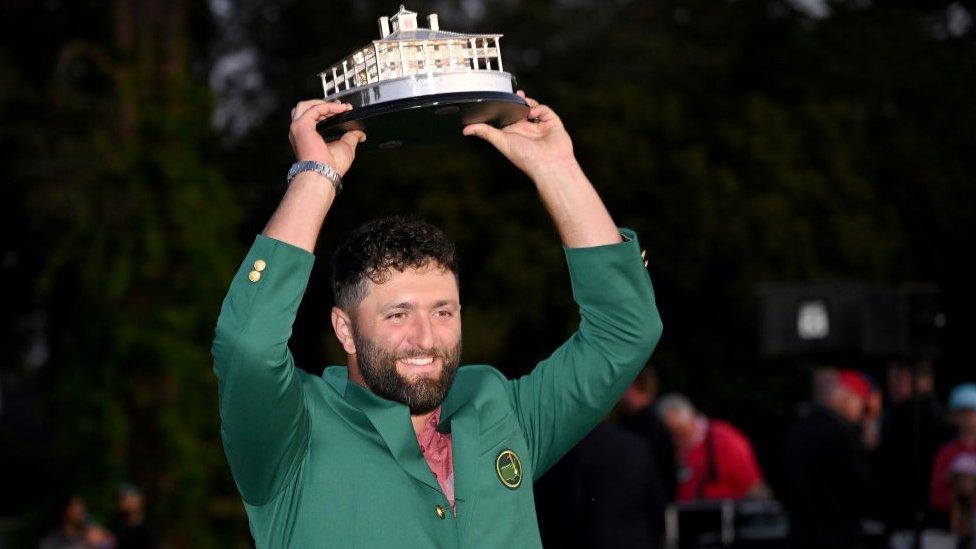
At the heart of The Masters’ brand is the Green Jacket. Introduced in 1937, the jacket was originally intended to help patrons identify club members. Today, it is the ultimate “brand badge.” In branding terms, this is a physical manifestation of exclusivity. By making the jacket something that cannot be bought, but only earned, the brand creates a level of aspiration that traditional luxury products struggle to replicate.
Visual Minimalism and Color Psychology
The brand’s reliance on “Masters Green” and “Cadmium Yellow” is a lesson in color psychology. The lush green evokes growth, stability, and harmony, while the yellow signifies optimism and clarity. Unlike other sporting events that clutter their visual field with dozens of corporate sponsors, Augusta National keeps its branding “quiet.” There are no logos on the grass, no billboards on the tee boxes, and even the television broadcast features a fraction of the commercial breaks seen in other sports. This minimalism signals “High Status”—the idea that the brand is so valuable it does not need to shout for attention.
Language as a Branding Tool
The Masters uses specific nomenclature to differentiate its brand world from the “outside” world. Spectators are not “fans”; they are “patrons.” The rough is not “the rough”; it is the “second cut.” This linguistic precision serves to create an “in-group” feeling. When you adopt the language of a brand, you become a part of its culture, deepening the emotional connection between the consumer and the institution.
2. Scarcity as a Strategic Growth Lever
Modern digital marketing often emphasizes “reach” and “scale.” The Masters, however, utilizes the “Scarcity Principle.” By deliberately limiting access, they have increased the perceived value of their brand to astronomical levels.
The Mystery of the Ticket Lottery
One cannot simply go online and buy a ticket to The Masters. The “badges” are distributed through a secretive and highly oversubscribed lottery system. This creates a “lottery effect” in branding, where the difficulty of acquisition becomes a key part of the brand’s allure. Because the brand is hard to access, it remains a “bucket list” item, ensuring a perpetual demand that far outstrips supply.
Controlled Digital Distribution
While most brands scramble to be on every platform at all times, The Masters controls its digital footprint with surgical precision. For years, the tournament restricted how much of the course could be shown on television. Even today, their digital presence through the Masters app is designed not for mass engagement, but for a premium user experience. The app is often cited by UX designers as the gold standard of sports technology—not because it is flashy, but because it is elegant, functional, and devoid of intrusive advertising.
Merchandising and the “On-Site Only” Rule
Perhaps the boldest brand strategy employed by The Masters is their refusal to sell merchandise online. If you want a shirt with the Masters logo, you—or someone you know—must physically step onto the grounds of Augusta National. This makes every piece of merchandise a “trophy of presence.” In an age of Amazon-prime-instant-gratification, the refusal to sell online is a radical act of brand preservation. It ensures that the logo remains a rare signal of “having been there,” rather than a mass-market commodity.

3. Brand Governance: The Cost of Control
High-equity brands often fail because they chase short-term revenue at the expense of long-term reputation. The Masters is famous for leaving hundreds of millions of dollars on the table to maintain total control over its brand environment.
Managing Corporate Partnerships
The Masters does not have “sponsors”; it has “Global Partners.” There are only a handful of them (typically IBM, AT&T, and Mercedes-Benz). Most notably, the club dictates the terms to the partners, rather than the other way around. Partners are allowed only four minutes of commercial time per hour. This strategy protects the “Brand Experience” for the viewer. By limiting commercial intrusion, The Masters ensures that the product—the golf and the scenery—remains the hero, preventing the “brand dilution” that occurs when a property feels like a giant billboard.
The Preservation of the “Sacred Space”
Augusta National is one of the few places on earth where mobile phones are strictly prohibited. From a brand management perspective, this is a masterstroke. It forces patrons to be fully present, creating a unique atmosphere that cannot be captured on a TikTok reel or a grainy Instagram story. By banning the device that defines modern life, The Masters positions itself as a “sacred space” or a “time capsule.” This reinforces the brand’s core value proposition: Tradition unlike any other.
The Perfectionist’s Operational Standard
Brand identity is also built through operational excellence. The “pimento cheese sandwich,” priced at an incredibly low point (around $1.50), is a strategic branding tool. It signals that despite the exclusivity of the club, the brand is grounded in its roots. It creates a “surprise and delight” moment for the patron. Furthermore, the meticulous maintenance of the grounds—where even the water in the ponds is sometimes dyed a deeper blue to enhance the visual aesthetic—shows a level of brand stewardship that is rare. Every blade of grass is a touchpoint, and every touchpoint must be perfect.
4. The Evolution of Tradition: Modernizing a Heritage Brand
A common trap for “heritage brands” is becoming a museum piece—relevant to the past but disconnected from the future. The Masters has navigated this by evolving its brand without breaking its core promises.
Strategic Innovation via Technology
While the “front-end” of the brand looks like the 1950s, the “back-end” is powered by cutting-edge AI and data. Through their partnership with IBM, The Masters uses AI to generate highlights for every player in the field. This is a crucial branding lesson: use technology to enhance the brand’s core story, not to change it. They use tech to make the “tradition” more accessible to a global audience without cluttering the physical course with screens and wires.
Expanding the Narrative
In recent years, the brand has expanded its “story” by introducing the Augusta National Women’s Amateur and the Drive, Chip, and Putt Championship. These are not just “new products”; they are “brand extensions” designed to ensure the brand remains relevant to a younger, more diverse demographic. By hosting these events, The Masters positions itself as the guardian of the game’s future, not just the curator of its past.
The “Patron” Relationship Management
The Masters treats its audience as a community rather than a customer base. The “Patron” relationship is built on trust and mutual respect. For instance, during the COVID-19 pandemic, when the tournament was postponed and held without fans, the brand’s communication was characterized by dignity and a long-term view. They didn’t pivot to “virtual tickets” or desperate monetization; they focused on maintaining the integrity of the competition, knowing that the brand’s strength would allow it to weather the storm.
Conclusion: The Ultimate Brand Case Study
In answering “What is The Masters,” we find a brand that has achieved the pinnacle of corporate identity. It is an organization that understands that a brand is not what you say about yourself, but the “feeling” people have when they interact with you.
By prioritizing scarcity over scale, consistency over commercialism, and tradition over trends, The Masters has built a brand that is essentially “recession-proof” and “competition-proof.” It serves as a reminder to brand strategists everywhere: the most powerful brands are those that have the courage to say “no”—no to more ads, no to more tickets, and no to compromising their values.
In the end, The Masters is more than a tournament; it is a meticulously crafted world where every detail is a deliberate choice. It is the gold standard for how to turn a service or an event into a global icon. For any brand looking to build lasting prestige, the lesson of Augusta National is clear: protect your identity at all costs, and the world will eventually beat a path to your door.
aViewFromTheCave is a participant in the Amazon Services LLC Associates Program, an affiliate advertising program designed to provide a means for sites to earn advertising fees by advertising and linking to Amazon.com. Amazon, the Amazon logo, AmazonSupply, and the AmazonSupply logo are trademarks of Amazon.com, Inc. or its affiliates. As an Amazon Associate we earn affiliate commissions from qualifying purchases.