
The quest for the perfect indoor climate has long been a pursuit of comfort, health, and efficiency. Historically, “what is a good room temperature” might have elicited a simple numerical answer, perhaps a universally accepted range. However, in an era dominated by rapid technological advancement, this question has evolved significantly. It’s no longer just about setting a thermostat to a static number; it’s about dynamic optimization, intelligent systems, and personalized environments. Technology, from smart sensors to advanced HVAC systems and artificial intelligence, is fundamentally redefining how we understand, achieve, and maintain an optimal indoor climate, transforming our living and working spaces into more comfortable, healthier, and sustainable environments.
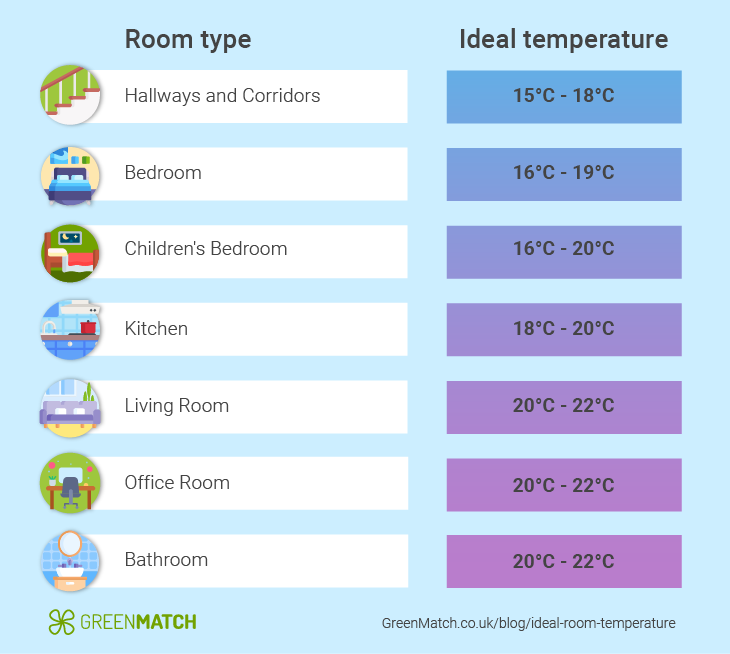
This article delves into the technological innovations that are shaping our understanding of “good room temperature.” We will explore how smart devices, sophisticated algorithms, and integrated systems are moving us beyond rudimentary climate control to a future where our environments intuitively adapt to our needs, preferences, and even our physiological responses. From enhanced comfort to significant energy savings, the technological pursuit of an optimal indoor temperature is not just a luxury; it’s a vital component of modern living and a testament to human ingenuity.
Defining “Good” in the Age of Smart Technology
The concept of a “good” room temperature is far more complex than a single digit on a dial. It’s a multifaceted ideal influenced by individual comfort, health considerations, and energy efficiency goals, all of which are increasingly mediated and optimized by technology. Gone are the days when a simple mercury thermometer dictated our understanding; today, a myriad of smart devices and sophisticated algorithms contribute to a holistic definition of comfort.
Beyond the Thermostat: Comfort, Health, and Efficiency
For decades, the thermostat was the undisputed king of indoor climate control, offering a rudimentary interface for adjusting ambient temperature. However, modern technology extends far beyond this singular device. “Good” now encompasses thermal comfort, which is subjective and influenced by factors like humidity, air movement, radiant temperature, and even personal activity levels and clothing. Smart home systems integrate these variables, using a network of sensors to paint a comprehensive picture of the indoor environment. For instance, humidity sensors can trigger dehumidifiers or humidifiers, preventing the discomfort and health risks associated with air that is too dry or too moist, even if the temperature itself seems “optimal.”
Furthermore, health considerations play a critical role. Certain temperatures and humidity levels can affect sleep quality, respiratory health, and even cognitive function. Technology, through air quality monitors and precise climate control, can help maintain environments that mitigate allergens, improve sleep cycles, and enhance overall well-being. Coupled with this is energy efficiency – a core tenet of modern climate control. A “good” temperature also means one that is achieved with minimal energy consumption, reducing utility bills and environmental impact. This trifecta of comfort, health, and efficiency is what contemporary technology strives to balance and optimize.
The Human Element: Personalization and Physiological Factors
Perhaps the most significant shift in defining “good” temperature comes from the recognition of individual differences. What feels comfortable to one person might be too warm or too cold for another, based on age, metabolism, activity level, and personal preference. Technology is now enabling unprecedented levels of personalization. Instead of a one-size-fits-all approach, smart systems can learn individual preferences, recognize occupancy patterns, and even anticipate needs.
Advanced sensors can detect not just ambient air temperature, but also radiant heat from walls and windows, and even the body heat of occupants. This data allows systems to make micro-adjustments that maintain a consistent sense of comfort, rather than just a consistent numerical temperature. For example, a system might subtly raise the temperature if it detects that occupants are stationary for an extended period, or lower it if vigorous activity is anticipated. The integration of wearable technology or smart home profiles could further refine this, allowing the environment to adapt directly to an individual’s physiological state or expressed preferences, creating a truly tailored climate experience that transcends simple thermostat settings.
Smart Thermostats and the Dawn of Intelligent Climate Control
The smart thermostat stands as a vanguard in the evolution of indoor climate management, transforming the rudimentary wall-mounted device into an intelligent hub. These devices are central to understanding “what is a good room temperature” because they don’t just set a temperature; they learn, adapt, and integrate, pushing the boundaries of what’s possible in home comfort and efficiency.
Features that Elevate Temperature Management
At their core, smart thermostats offer a plethora of features that far surpass their analog predecessors. Wi-Fi connectivity allows for remote control via smartphone apps, meaning you can adjust your home’s temperature from anywhere, ensuring comfort upon arrival or managing settings when you’re away. Geofencing capabilities automatically detect when you leave or approach your home, adjusting temperatures to save energy while you’re out and ensuring it’s comfortable when you return. Multi-zone control, where multiple smart thermostats manage different areas of a larger home, allows for individualized comfort settings, preventing the common dilemma of one room being too hot while another is too cold. Advanced scheduling features go beyond simple timers, allowing for complex, adaptive schedules that can be overridden or modified with ease. Many also incorporate detailed energy usage reports, providing insights into consumption patterns and helping users identify opportunities for savings.
Learning Algorithms and Predictive Capabilities
The true intelligence of smart thermostats lies in their learning algorithms and predictive capabilities. Devices like Nest and Ecobee can observe user behavior over time, recognizing patterns in manual adjustments and automatically building a personalized schedule. If you consistently turn down the heat before bed, the thermostat learns this preference and begins to do it for you. This “set it and forget it” functionality is revolutionary for energy efficiency and convenience.
Beyond learning user habits, these thermostats can integrate external data sources. Local weather forecasts, for instance, can be factored into their decision-making process. If a sudden cold front is predicted, the system might pre-heat the home slightly to maintain consistent comfort without a sudden spike in energy demand. Some even consider peak energy pricing from utility providers, automatically adjusting temperatures during high-cost periods to save money without significantly impacting comfort, often through minor, imperceptible changes.
Integration with Smart Home Ecosystems
Smart thermostats are rarely standalone devices; they are often pivotal components within larger smart home ecosystems. They seamlessly integrate with voice assistants like Amazon Alexa, Google Assistant, and Apple HomeKit, allowing for effortless voice commands to adjust settings. This integration extends to other smart home devices: occupancy sensors from security systems can inform the thermostat about room usage, smart blinds can automatically close to block solar gain on hot days, and smart vents can redirect airflow to occupied rooms. This interconnectedness allows for a truly holistic approach to environmental control, where all elements work in concert to achieve the optimal temperature and air quality. The synergy between these devices ensures that the “good room temperature” is not just maintained but actively managed and anticipated, creating an intuitive and responsive living space.
Advanced HVAC Systems and Energy Efficiency Innovations
While smart thermostats provide the intelligence, advanced HVAC (Heating, Ventilation, and Air Conditioning) systems provide the muscle to truly realize an optimal indoor climate. Modern HVAC technology is continually evolving, driven by the dual imperatives of enhanced comfort and significantly improved energy efficiency. These systems are crucial components in answering “what is a good room temperature” by delivering precise, powerful, and cost-effective climate control.
Variable Speed Technology and Zoned Climate Control
One of the most significant advancements in HVAC is variable speed technology. Traditional systems operate in an “all-or-nothing” manner, running at full capacity until the desired temperature is reached, then shutting off. This on/off cycling is inefficient, creates temperature fluctuations, and puts strain on components. Variable speed compressors and fan motors, however, can adjust their output to precisely match the heating or cooling demand. They can run continuously at lower, more efficient speeds, maintaining a much more consistent temperature, dehumidifying the air more effectively, and consuming significantly less energy. This constant, gentle operation eliminates uncomfortable drafts and hot/cold spots, contributing greatly to the perception of a “good” room temperature.
Coupled with variable speed is zoned climate control. In larger homes, heating and cooling every room equally can be wasteful. Zoned systems use motorized dampers in the ductwork to direct conditioned air only to specific areas or “zones” that need it. Each zone can have its own thermostat (often smart thermostats), allowing occupants to set different temperatures for different parts of the house based on occupancy or preference. This not only maximizes comfort but also drastically reduces energy consumption by not conditioning unoccupied spaces.
Geothermal and Renewable Energy Solutions
Looking beyond conventional HVAC, renewable energy solutions are emerging as powerful alternatives for achieving sustainable and energy-efficient indoor climates. Geothermal heating and cooling systems, for example, leverage the stable temperature of the earth a few feet below the surface. A network of underground pipes circulates a fluid that exchanges heat with the earth. In winter, heat is absorbed from the earth and transferred into the building; in summer, heat is extracted from the building and dissipated into the earth. These systems are incredibly efficient, often requiring only a small amount of electricity to operate the pump and fan, making them highly cost-effective in the long run and significantly reducing carbon footprints.
Other innovations include air-source heat pumps designed for extreme climates, which can effectively heat and cool homes using ambient air even in very low or high temperatures, offering an electrified alternative to fossil fuel furnaces and traditional air conditioners. Solar thermal systems can also contribute to water heating and space heating, further integrating renewable energy into the pursuit of an optimal room temperature.
The Role of Sensors and IoT in Optimized Performance
The “internet of things” (IoT) has permeated advanced HVAC systems, with a dense network of sensors providing real-time data to optimize performance. Beyond temperature and humidity, these sensors can monitor occupancy, air quality (VOCs, particulate matter, CO2), and even specific equipment performance metrics. This data feeds into the system’s control logic, allowing for proactive adjustments. For instance, if CO2 levels rise in a room, indicating increased occupancy, the ventilation system can automatically increase fresh air intake.
Predictive maintenance, enabled by IoT sensors, monitors the health of HVAC components, predicting potential failures before they occur. This ensures consistent operation, prevents costly breakdowns, and maintains system efficiency. The integration of these sensors and smart controls transforms HVAC from a reactive appliance into a proactive, adaptive environmental management system, ensuring that the desired “good room temperature” is not only achieved but consistently sustained with peak performance and minimal energy waste.
AI, Machine Learning, and the Future of Indoor Climate
The pinnacle of technological integration in defining and maintaining “what is a good room temperature” lies in the application of Artificial Intelligence (AI) and Machine Learning (ML). These advanced computational methods are moving us beyond programmed responses and learned behaviors to truly intelligent, predictive, and autonomous climate control systems. The future of indoor climate is not just smart; it’s intuitive and profoundly adaptive.
Predictive Analytics for Proactive Temperature Adjustment
AI’s ability to process vast amounts of data and identify complex patterns is revolutionary for indoor climate control. Predictive analytics, powered by ML algorithms, can forecast environmental conditions with unprecedented accuracy. This goes beyond simply checking the weather forecast; it involves analyzing historical data on your home’s thermal characteristics (how quickly it heats or cools, its insulation properties), local climate patterns, sun exposure, and even utility pricing trends.
With this data, AI can proactively adjust temperatures. For instance, if the system learns that a particular south-facing room tends to overheat rapidly on sunny afternoons, it can start cooling that zone slightly ahead of time, or automatically lower blinds to prevent the heat gain. This proactive approach minimizes temperature swings, maintains consistent comfort, and maximizes energy efficiency by preventing the system from having to work harder to recover from undesirable conditions. It’s about anticipating needs before they become noticeable, leading to an almost imperceptible, perfectly regulated environment.
Occupancy Sensing and Personalized Comfort Profiles
The holy grail of personalized climate control is dynamic adaptation based on actual occupancy and individual preferences. AI and ML are making this a reality through advanced occupancy sensing. Technologies like passive infrared (PIR) sensors, ultrasonic sensors, and even computer vision (with appropriate privacy considerations) can accurately detect not just if a room is occupied, but potentially how many people are present and their activity levels.
This real-time occupancy data allows AI to make highly localized and intelligent adjustments. If a meeting room is unexpectedly empty, the system can automatically set it back to an energy-saving temperature. Conversely, if a room becomes unexpectedly crowded, the system can ramp up cooling or ventilation to maintain comfort. Furthermore, AI can learn individual comfort profiles. By tracking individual users’ interactions with the system (e.g., manual adjustments, feedback via an app), it can build a model of their preferred temperatures and conditions. When that individual enters a room, the system can prioritize their comfort settings, or even merge profiles for multiple occupants to find an optimal compromise.
The Vision of Fully Autonomous Environmental Systems
The ultimate vision for AI and ML in indoor climate control is fully autonomous environmental systems. These systems would operate with minimal human intervention, continuously learning, adapting, and optimizing every aspect of the indoor environment. Imagine a home that intelligently manages temperature, humidity, ventilation, air purification, and even lighting, all working in concert to create the ideal conditions based on the inhabitants’ presence, activity, health needs, and external environmental factors.
Such systems would not only ensure optimal comfort and health but also achieve near-perfect energy efficiency, reducing environmental impact to an absolute minimum. They would be self-diagnosing, predicting maintenance needs, and even ordering replacement parts. While this future is still being developed, the foundational technologies are already in place, pushing us closer to a world where our living spaces are truly intelligent, self-regulating entities, ensuring that “a good room temperature” is a constant, effortless reality.
Implementing Smart Climate Solutions for a Better Home and Planet
Embracing smart climate solutions is no longer a futuristic concept but a tangible pathway to enhancing comfort, improving health, and contributing to environmental sustainability. For homeowners and businesses alike, implementing these technological advancements requires careful consideration, but the long-term benefits are substantial.
Evaluating Your Needs: DIY vs. Professional Installation
The journey to an optimally controlled environment begins with evaluating specific needs and existing infrastructure. For some, a simple DIY upgrade to a smart thermostat like a Nest or Ecobee might suffice, especially if their current HVAC system is relatively new and functions well. These devices are generally user-friendly, with intuitive installation guides and app-based controls. They offer significant improvements in convenience and initial energy savings by learning schedules and enabling remote access.
However, for more complex homes, older HVAC systems, or those aspiring to comprehensive climate control with zoning, multi-system integration, or renewable energy sources, professional installation and consultation are often advisable. HVAC professionals specializing in smart home integration can assess your home’s thermal envelope, ductwork, and existing equipment to recommend the most efficient and effective solutions. They can install variable speed systems, zoned controls, and ensure seamless integration with other smart home devices, guaranteeing optimal performance and avoiding costly mistakes. A professional assessment can also identify opportunities for government incentives or rebates related to energy-efficient upgrades.
Data-Driven Decisions for Sustainable Living
One of the most powerful aspects of modern climate technology is its ability to generate and analyze data. Smart thermostats and advanced HVAC systems often provide detailed energy usage reports, showing how much energy is consumed for heating and cooling, identifying peak usage times, and even suggesting areas for improvement. This data empowers users to make informed, data-driven decisions about their energy consumption.
Understanding where energy is being used inefficiently can lead to targeted adjustments, such as modifying schedules, optimizing setback temperatures, or identifying areas for improved insulation. Beyond personal savings, collective data from millions of smart homes can inform urban planning, energy grid management, and policy decisions aimed at broader environmental sustainability. By actively engaging with this data, individuals become active participants in a larger movement towards a more sustainable planet, reducing their carbon footprint one degree at a time.

The Long-Term Benefits: Comfort, Savings, and Environmental Impact
The investment in smart climate solutions yields significant long-term benefits that extend far beyond initial costs. Foremost is the unparalleled level of comfort. By maintaining consistent temperatures, managing humidity, and adapting to personal preferences, these systems create living and working environments that are truly optimized for human well-being. This leads to better sleep, improved concentration, and a greater overall sense of contentment in one’s space.
Economically, the energy savings can be substantial. Studies frequently show that smart thermostats alone can reduce heating and cooling costs by 10-15%, with more advanced systems offering even greater efficiencies. Over the lifespan of the equipment, these savings can easily offset the initial investment. Furthermore, the reduced energy consumption directly translates to a smaller environmental footprint. By decreasing reliance on fossil fuels for heating and cooling, homes and businesses contribute to lowering greenhouse gas emissions, mitigating climate change, and promoting a healthier planet for future generations. Ultimately, investing in smart climate technology is an investment in a more comfortable, economical, and sustainable future.
aViewFromTheCave is a participant in the Amazon Services LLC Associates Program, an affiliate advertising program designed to provide a means for sites to earn advertising fees by advertising and linking to Amazon.com. Amazon, the Amazon logo, AmazonSupply, and the AmazonSupply logo are trademarks of Amazon.com, Inc. or its affiliates. As an Amazon Associate we earn affiliate commissions from qualifying purchases.