
When we discuss the question of “what alcohol can do to your body,” the conversation is typically confined to the realms of biology and medicine. We speak of liver enzymes, cardiovascular strain, and neurological impacts. However, for the modern professional, the investor, and the individual seeking financial independence, there is a secondary “body” that alcohol affects just as significantly: your financial corpus.
In the world of personal finance and wealth management, every lifestyle choice is an entry on a balance sheet. Alcohol consumption, particularly when it becomes a consistent habit, acts as a multi-layered drain on personal capital. It is not merely a line-item expense; it is a compounding liability that affects productivity, career trajectory, and long-term healthcare liabilities. To truly understand what alcohol does to your “body” in a financial sense, we must look at the micro and macro-economic consequences of consumption.

The Direct Cost: Analyzing the Micro-Economics of Social Drinking
The most obvious impact of alcohol is the immediate outflow of cash. In personal finance, small, recurring expenses are often the “silent killers” of a budget. Much like the famous “Latte Factor” popularized by financial author David Bach, the “Cocktail Factor” represents a significant leak in a household’s ability to save and invest.
The “Cocktail Factor” and Immediate Cash Flow
In an urban professional setting, a single premium drink can cost anywhere from $12 to $22, including tax and gratuity. For a social drinker who consumes just four drinks a week, the annual expenditure can easily exceed $3,000. When expanded to a couple or a frequent entertainer, this figure can balloon into five figures annually. This is “after-tax” income, meaning a professional must earn significantly more in gross salary just to fund the habit. From a business finance perspective, this is a low-ROI expenditure that provides a fleeting dopamine return with zero residual value.
Opportunity Cost: What That Capital Could Become
The true cost of alcohol is not the price of the bottle, but the lost future value of that money. If an individual reallocated a $250 monthly alcohol budget into a diversified index fund with an average 7% annual return, the results over a career are staggering. Over 30 years, that “bar tab” transforms into approximately $300,000 in wealth. In this light, a night of drinking isn’t just costing you $100 today; it is costing you the security of an earlier retirement or the ability to fund a child’s education. When we analyze what alcohol does to your financial “body,” we see a reduction in the “muscle” of compound interest.
The Productivity Penalty: Impact on Career Progression and Earning Potential
In the knowledge economy, your primary asset is your cognitive function. Any substance that diminishes the sharpness of that asset is effectively a tax on your earning potential. Alcohol’s impact on the body—specifically the brain and sleep cycles—creates a “Productivity Penalty” that can stall a career and limit side-hustle viability.
The Cognitive Cost of the “Hangover Fog”
Even moderate alcohol consumption interferes with REM sleep, the critical stage for cognitive restoration and memory consolidation. For the professional, the “day after” is rarely a peak performance day. If alcohol consumption results in a 10% decrease in efficiency just two days a week, that equates to a substantial loss in output over a fiscal year. In a competitive corporate environment or when managing a startup, this loss of “edge” can be the difference between a promotion and stagnation. The body’s physiological struggle to process ethanol manifests as a “brain fog” that slows down decision-making and creative problem-solving—the very tools required to generate high levels of income.
Networking vs. Networking Pitfalls
There is a long-standing myth in business that alcohol is a necessary lubricant for networking. While social gatherings often involve drinking, the financial risk of “over-lubricating” is high. Personal branding is a vital component of one’s professional value. Alcohol lowers inhibitions, which can lead to lapses in judgment, inappropriate comments, or a perceived lack of discipline. In the world of high-stakes investing and corporate leadership, a reputation for being “the one who drinks too much” is a financial liability. It closes doors to exclusive circles and board-level opportunities, representing a massive, though unquantifiable, loss in lifetime earnings.
The Healthcare Horizon: Factoring in Long-Term Medical Liabilities
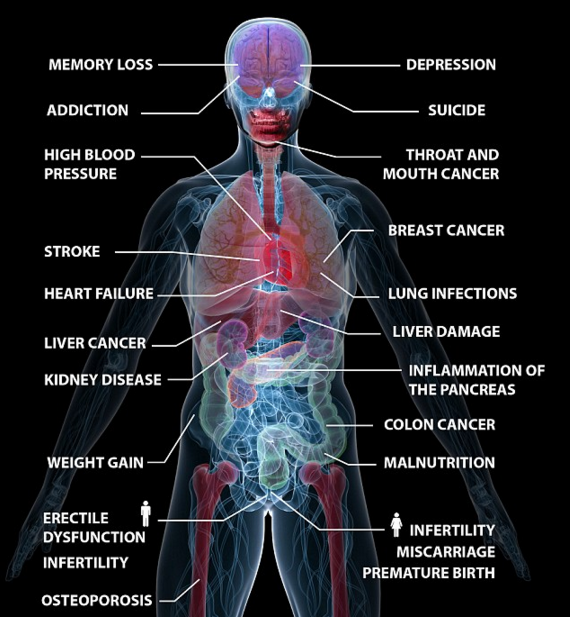
When considering what alcohol can do to your body, the financial implications of chronic health issues are perhaps the most daunting. In the United States and many other parts of the world, healthcare is a major wealth-eroder. Alcohol is a known contributor to over 200 health conditions, and treating these conditions requires significant financial reserves.
Insurance Premiums and Risk Assessments
From a financial planning perspective, health is a hedge against poverty. Chronic alcohol consumption can lead to higher life insurance and disability insurance premiums. During the underwriting process, elevated liver enzymes or a history of alcohol-related issues can lead to “rated” policies or outright denials. This increases the cost of protecting your family’s financial future. Furthermore, as the body ages, the cumulative damage of alcohol can lead to chronic conditions like hypertension or Type 2 diabetes, both of which require lifelong medication and frequent medical intervention—costs that are often borne out-of-pocket or through high-deductible insurance plans.
The High Price of Chronic Condition Management
The “end-game” of heavy alcohol consumption—cirrhosis, cardiovascular disease, or certain cancers—carries a catastrophic price tag. Beyond the medical bills, there is the “lost income” factor. If a chronic illness forced an individual out of the workforce five years earlier than planned, the financial plan is often thrown into disarray. The body’s inability to function becomes a “forced retirement,” which is the most dangerous scenario in wealth management. By avoiding the damage alcohol does to the physical body, you are essentially performing “preventative maintenance” on your most important income-producing machine.
Strategic Lifestyle Arbitrage: Reclaiming Capital for Financial Freedom
Recognizing the financial toll of alcohol allows for “lifestyle arbitrage”—the act of intentionally shifting habits to maximize financial gain. For those looking to optimize their personal and business finance, reducing or eliminating alcohol is a strategic move that provides an immediate “raise.”
Reallocating the “Vice Budget” to Assets
Sophisticated investors often look for “found money.” The money saved from alcohol can be treated as a new revenue stream. This capital can be funneled into side hustles, real estate down payments, or high-yield savings accounts. Many entrepreneurs have found that the clarity gained from sobriety allows them to launch ventures that would have otherwise died in the “idea phase” due to lack of energy or funds. By viewing alcohol not as a social necessity but as a “discretionary expense with high externalities,” you can make more rational decisions about your capital allocation.
The Psychological Dividend of Sobriety in Business
Financial success is as much about psychology as it is about math. Alcohol is often used as a coping mechanism for the stress of high-pressure careers. However, it creates a feedback loop of anxiety (often called “hangxiety”), which can lead to impulsive financial decisions—such as panic-selling during market volatility or “retail therapy” spending. A body and mind that are not subject to the chemical highs and lows of alcohol are better equipped for the “stoic” mindset required for long-term investing. The emotional stability gained from physical health translates directly into a more disciplined approach to money management.
Conclusion: The ROI of Physical and Financial Health
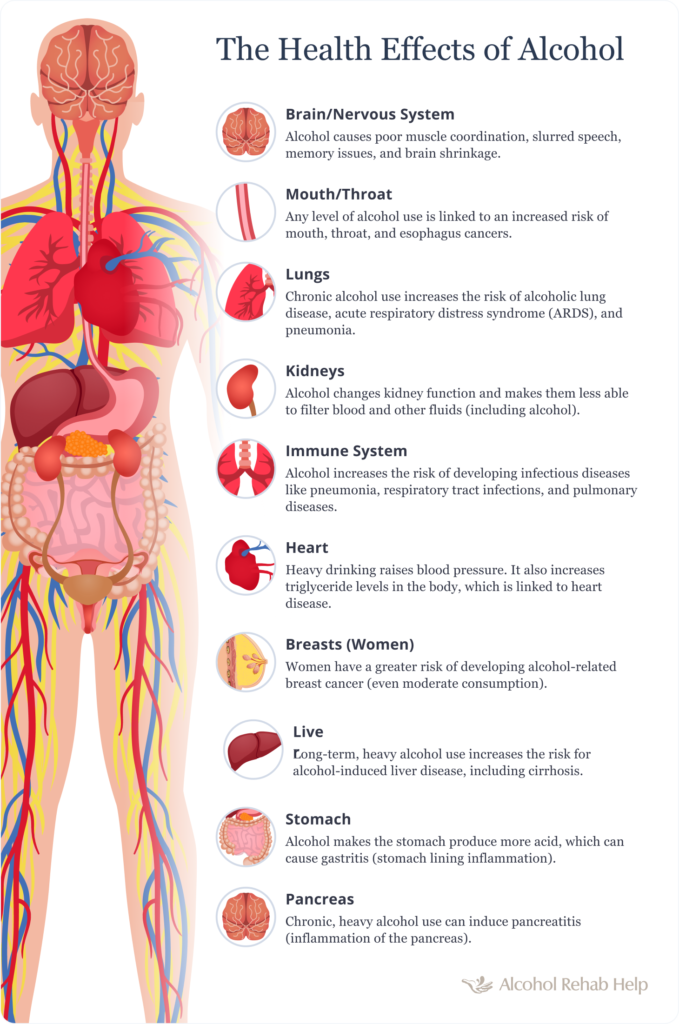
Ultimately, the question of “what can alcohol do to your body” is inseparable from the question of what it can do to your bank account. The physical body is the vessel through which we earn, invest, and enjoy our wealth. When that vessel is compromised by a substance that is both expensive in the short term and destructive in the long term, our financial foundations begin to crack.
By viewing sobriety or extreme moderation as a financial strategy rather than just a health choice, we gain a new perspective on wealth creation. It is a form of “internal compounding.” When you protect your body from the inflammatory and toxic effects of alcohol, you are simultaneously protecting your productivity, your reputation, your career longevity, and your investment capital. In the grand ledger of life, the most successful individuals are those who realize that their physical health is their greatest asset—and they manage it with the same rigor they apply to their most profitable investments.
aViewFromTheCave is a participant in the Amazon Services LLC Associates Program, an affiliate advertising program designed to provide a means for sites to earn advertising fees by advertising and linking to Amazon.com. Amazon, the Amazon logo, AmazonSupply, and the AmazonSupply logo are trademarks of Amazon.com, Inc. or its affiliates. As an Amazon Associate we earn affiliate commissions from qualifying purchases.