
The term “secondhand smoke” refers to the complex mixture of smoke exhaled by a person smoking a combustible tobacco product and the smoke emanating from the burning end of a cigarette, cigar, or pipe. While the individual who chooses to smoke assumes the primary risks associated with tobacco consumption, the involuntary inhalation of this ambient smoke by bystanders creates a significant public health issue. From a financial perspective, secondhand smoke represents a profound “hidden cost”—an externalized burden that impacts not only health systems but also the economic productivity of households, businesses, and government entities.
The Economic Burden of Involuntary Exposure
The economic impact of secondhand smoke is multifaceted, extending far beyond the immediate medical costs of treating tobacco-related illnesses. When we examine the financial landscape of public health, secondhand smoke acts as a drag on economic stability, necessitating a closer look at how it influences personal finance, employer bottom lines, and public spending.
Direct Medical Expenditures
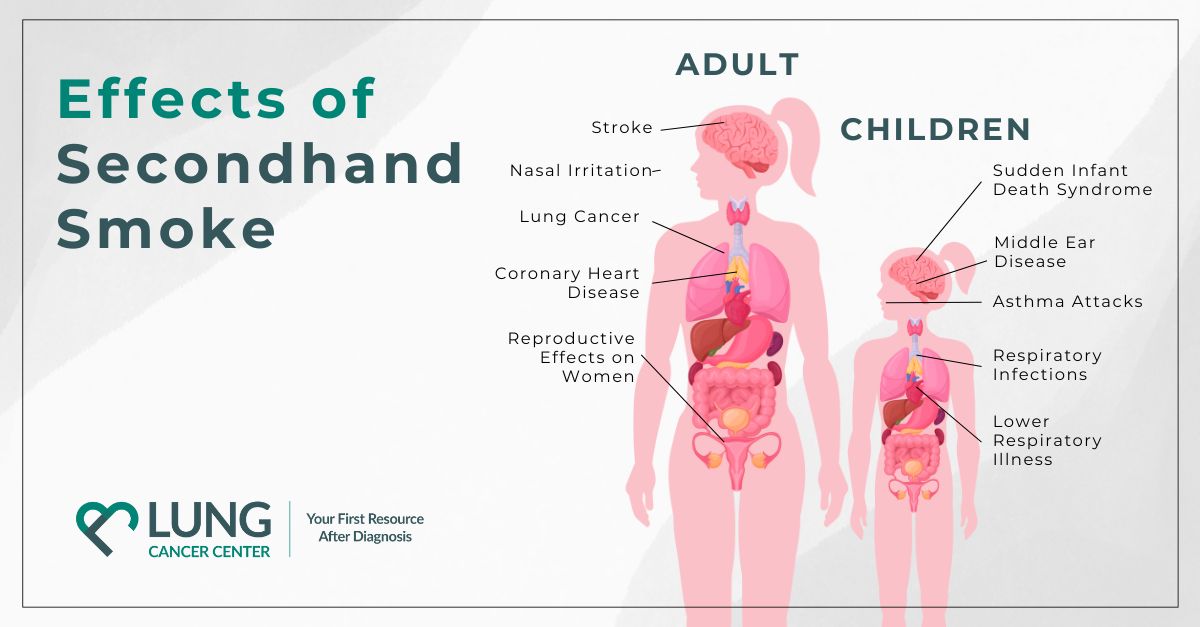
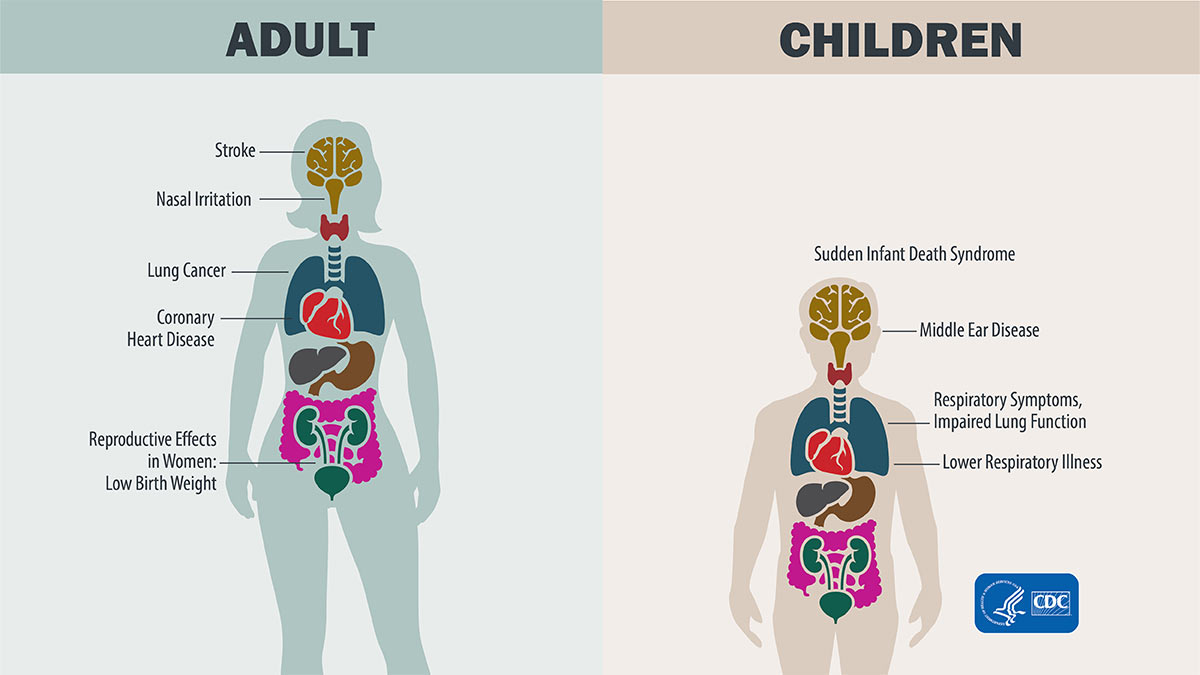
The direct costs associated with secondhand smoke are primarily incurred through the treatment of conditions like asthma, respiratory infections, and cardiovascular disease in non-smokers. These expenditures represent a significant leakage in personal financial planning. For a family, an unexpected chronic illness triggered by environmental tobacco smoke (ETS) can destabilize a household budget, forcing the reallocation of funds intended for savings, retirement accounts, or educational investments. When healthcare systems are burdened by preventable tobacco-related conditions, the tax burden on the populace increases to cover the shortfall in public health funding, effectively acting as a tax on the non-smoking public.
Productivity Loss and Human Capital
In the corporate sphere, secondhand smoke contributes to a silent erosion of human capital. Employees who are frequently exposed to smoke, whether in poorly regulated housing or through ambient exposure in public spaces, may experience higher rates of absenteeism. From a business finance standpoint, this translates into lost labor hours, decreased output, and higher turnover rates. Employers who ignore the implications of indoor air quality in their facilities often find that the long-term cost of health-related absenteeism outweighs the initial investment required to maintain a smoke-free environment.
Protecting Corporate and Personal Assets
In the context of property management and business strategy, secondhand smoke is a liability that can significantly affect asset valuation. Whether you are a landlord, a business owner, or a homeowner, understanding the financial risks associated with secondhand smoke is essential for prudent financial management.
Property Valuation and Depreciation
Real estate investment relies heavily on the maintenance of asset quality. Smoking within residential or commercial units can lead to persistent odor issues, residue buildup, and the necessity for costly remediation efforts, such as professional cleaning, painting, and carpeting replacement. For landlords, “smoke-free” policies are not merely health initiatives; they are protective measures for the asset. A property that is designated as smoke-free tends to maintain its market value better over time and avoids the steep capital expenditures required to renovate a unit once it has been saturated with the byproducts of tobacco combustion.
Insurance Premiums and Financial Risk
Insurance providers meticulously calculate risk, and the presence of smoking—either by residents or employees—is a variable that impacts premium pricing. Buildings that allow smoking are often viewed as higher risk due to fire hazards and long-term air quality liabilities. By implementing and enforcing smoke-free policies, business owners and property managers can often negotiate lower insurance premiums. This is a clear example of how strategic management of environmental factors translates directly into an improved bottom line.
Investing in a Smoke-Free Future
From an investment and financial planning perspective, shifting toward smoke-free environments is a sound strategy for long-term growth. The externalities of secondhand smoke are essentially a market failure where the cost of a harmful activity is borne by the innocent bystander. Addressing this failure through policy and personal choice helps align individual behaviors with sustainable financial health.
The Return on Investment for Wellness Programs
For corporate entities, investing in wellness programs that emphasize smoke-free environments offers a tangible return on investment. These programs reduce the long-term healthcare liabilities of the workforce and foster a more stable, present, and productive team. When a company invests in the health of its employees by mitigating exposure to toxins, it is essentially hedging against the future risk of talent loss and skyrocketing health insurance costs. In today’s competitive market, a company’s stance on health and environment is also a component of its brand identity, influencing recruitment, retention, and consumer loyalty.
Personal Finance and Long-Term Savings
For the individual, the financial argument for avoiding environments prone to secondhand smoke is rooted in the preservation of long-term wealth. Health is the most valuable asset one possesses; without it, the ability to accumulate wealth through employment or investment is severely compromised. By making conscious decisions about where to live, work, and socialize, individuals protect themselves from the “hidden tax” of medical bills. Furthermore, advocating for smoke-free public policies protects one’s community from the shared costs of treating tobacco-related ailments, ensuring that public resources are directed toward productive growth rather than illness management.
Strategic Decision-Making and Future Outlook
As we look toward the future, the integration of public health awareness with financial strategy will become increasingly vital. The shift toward smoke-free environments is not merely a social trend; it is a fundamental correction in how we manage risk.
Leveraging Data for Informed Policy
Businesses and governments are increasingly utilizing data to quantify the cost-benefit ratio of smoke-free policies. By analyzing the correlation between air quality, employee health metrics, and fiscal performance, organizations can make evidence-based decisions that prioritize sustainability. This data-driven approach is a cornerstone of modern business finance, allowing stakeholders to see beyond the surface and identify the underlying financial drivers of public health issues.

The Macroeconomic Perspective
On a larger scale, the economic transition away from tobacco reliance represents a broader move toward a healthier, more efficient economy. Just as the global market is shifting toward sustainable energy and socially responsible investing (ESG), the movement against secondhand smoke is part of a larger trend toward mitigating negative externalities. Investors who prioritize companies with robust health and safety standards are likely to see more resilient long-term performance. By aligning financial interests with the objective of reducing secondhand smoke, we create an environment where both individuals and corporations can thrive without the hidden, unnecessary burden of preventable illness.
In conclusion, secondhand smoke is far more than a respiratory health concern; it is a significant economic factor that influences personal finance, business operations, and the overall stability of our social and financial institutions. By treating the issue as a tangible risk to be mitigated, both individuals and corporations can secure a more prosperous and sustainable future. Through proactive policy, strategic investment in air quality, and informed financial decision-making, we can minimize the involuntary costs imposed by tobacco use and pave the way for a more productive society.
aViewFromTheCave is a participant in the Amazon Services LLC Associates Program, an affiliate advertising program designed to provide a means for sites to earn advertising fees by advertising and linking to Amazon.com. Amazon, the Amazon logo, AmazonSupply, and the AmazonSupply logo are trademarks of Amazon.com, Inc. or its affiliates. As an Amazon Associate we earn affiliate commissions from qualifying purchases.