
For most individuals, a mortgage represents the single largest financial commitment of their lives. It’s a journey into homeownership, often fraught with excitement, anticipation, and a healthy dose of financial scrutiny. At the heart of this scrutiny lies the interest rate – a number that can dramatically impact the total cost of your home over its lifetime. But what exactly constitutes a “good” interest rate? Is it a universally fixed number, or a dynamic target influenced by a myriad of economic forces, personal financial health, and market conditions? The answer is nuanced, multifaceted, and crucial for anyone looking to secure a home loan.
Understanding what makes an interest rate favourable requires delving into the mechanics of mortgage lending, the broader economic landscape, and your individual financial standing. It’s not just about finding the lowest number; it’s about finding the right number for your unique circumstances, ensuring long-term financial stability and peace of mind.
Understanding Mortgage Interest Rates: The Foundations
Before we can define “good,” we must first grasp the fundamental concepts behind mortgage interest rates. This is the bedrock upon which all subsequent analysis is built.
What is a Mortgage Interest Rate?
At its simplest, a mortgage interest rate is the cost of borrowing money from a lender to purchase a home, expressed as a percentage of the loan amount. This percentage is applied periodically (usually annually) to the outstanding principal balance of your loan. The higher the rate, the more you pay over the life of the loan; the lower the rate, the less you pay. It’s the compensation lenders receive for the risk and opportunity cost associated with lending you a large sum of money over an extended period, typically 15 to 30 years.
Fixed vs. Adjustable Rates
One of the first critical distinctions prospective homeowners encounter is between fixed-rate and adjustable-rate mortgages (ARMs).
- Fixed-Rate Mortgage: As the name suggests, the interest rate on a fixed-rate mortgage remains constant for the entire duration of the loan. This offers unparalleled predictability in monthly payments, making budgeting straightforward and shielding borrowers from potential rate increases in the future. The trade-off might be a slightly higher initial rate compared to a short-term ARM when interest rates are low, but the security it offers is invaluable for many.
- Adjustable-Rate Mortgage (ARM): ARMs typically offer a lower initial interest rate for a specified period (e.g., 3, 5, 7, or 10 years), after which the rate adjusts periodically based on a predetermined index (like the Secured Overnight Financing Rate – SOFR) plus a margin set by the lender. While the initial lower payments can be attractive, the risk lies in potential rate increases, which could lead to significantly higher monthly payments in subsequent periods. ARMs are often suited for borrowers who plan to sell or refinance before the fixed period ends, or those comfortable with market volatility.
APR vs. Interest Rate
It’s vital not to confuse the nominal interest rate with the Annual Percentage Rate (APR). While the interest rate reflects the cost of borrowing the principal amount, the APR provides a more comprehensive measure of the total cost of the loan over its term. It includes not only the interest rate but also most other costs and fees associated with the mortgage, such as points, broker fees, and other charges. When comparing loan offers, the APR is generally a better metric for understanding the true “all-in” cost of borrowing. A loan with a lower interest rate might have a higher APR if it comes with significant upfront fees, making it potentially less attractive than a loan with a slightly higher interest rate but fewer fees.
Factors Influencing Mortgage Interest Rates
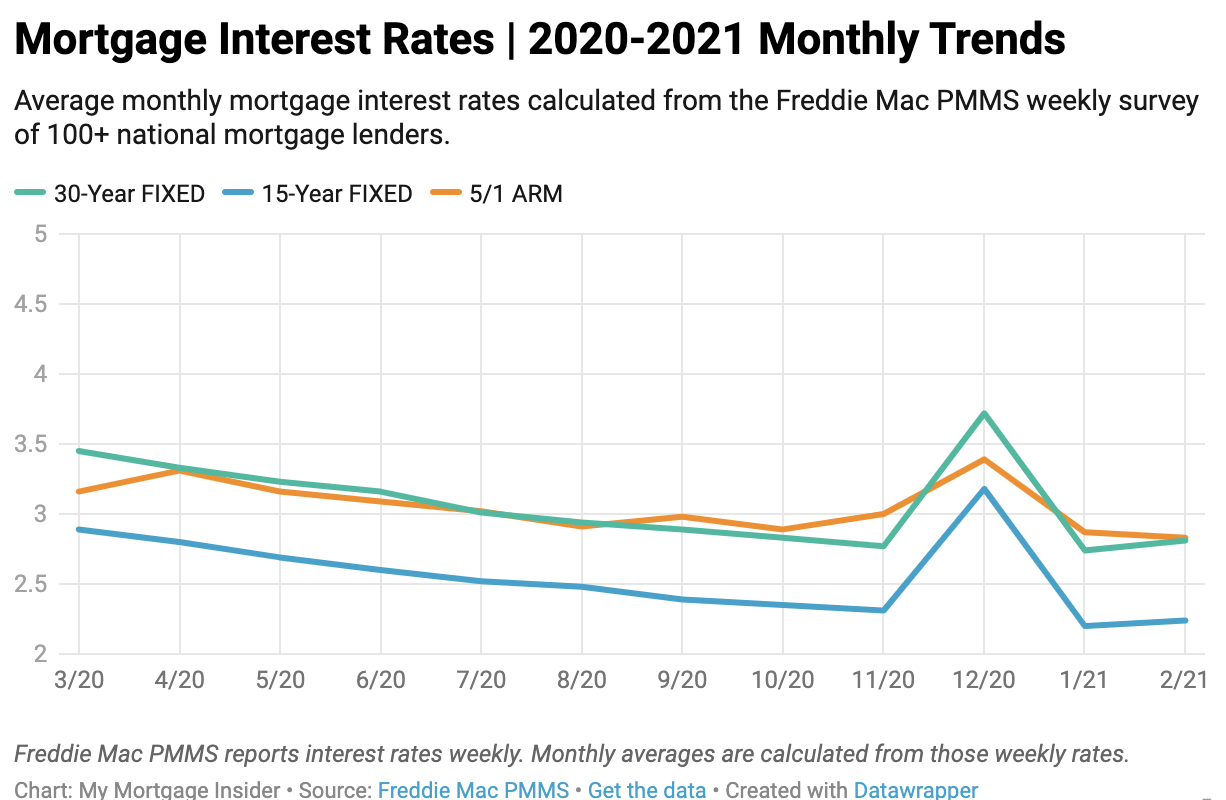
Mortgage rates are not static; they are in constant flux, influenced by a complex interplay of macroeconomic forces, lender-specific policies, and individual borrower characteristics. Understanding these drivers is key to anticipating and navigating the market.
Economic Indicators and Federal Policy
The broader economic environment plays a significant role in dictating mortgage rates.
- Inflation: High inflation typically leads to higher interest rates. Lenders need to charge more to ensure their returns aren’t eroded by the decreased purchasing power of money over time.
- Federal Funds Rate: While the Federal Funds Rate (set by the Federal Reserve) doesn’t directly dictate mortgage rates, it heavily influences them. Changes in this benchmark rate affect the cost of borrowing for banks, which in turn trickles down to consumer loan products like mortgages. When the Fed raises rates to combat inflation, mortgage rates tend to rise.
- Economic Growth and Employment: A strong economy, characterized by robust growth and low unemployment, can signal increased demand for housing and borrowing, potentially putting upward pressure on rates. Conversely, economic slowdowns might see rates fall as central banks try to stimulate activity.
- Bond Market: Mortgage rates are closely tied to the yield on U.S. Treasury bonds, particularly the 10-year Treasury note. When bond yields rise, mortgage rates often follow suit, as mortgage-backed securities (which lenders sell to investors) compete with these government bonds for investor capital.
Lender-Specific Factors
Beyond the economy, individual lenders also set their rates based on various internal and external considerations.
- Loan Type: Different mortgage products carry different risk profiles. FHA loans, VA loans, and USDA loans, backed by government agencies, might have specific rate structures. Conventional loans, requiring private mortgage insurance for lower down payments, also have their own rate dynamics. Jumbo loans, exceeding conforming loan limits, often carry slightly higher rates due to increased risk.
- Loan-to-Value (LTV): The LTV ratio compares the amount of the loan to the appraised value of the property. A lower LTV (meaning a larger down payment) generally translates to lower risk for the lender, and thus, often a lower interest rate.
- Profit Margins and Competition: Lenders adjust their rates to maintain desired profit margins and remain competitive within the market. Intense competition can sometimes drive rates down as lenders vie for borrowers.
Borrower-Specific Factors
Perhaps most importantly, your personal financial profile significantly impacts the rate you’re offered.
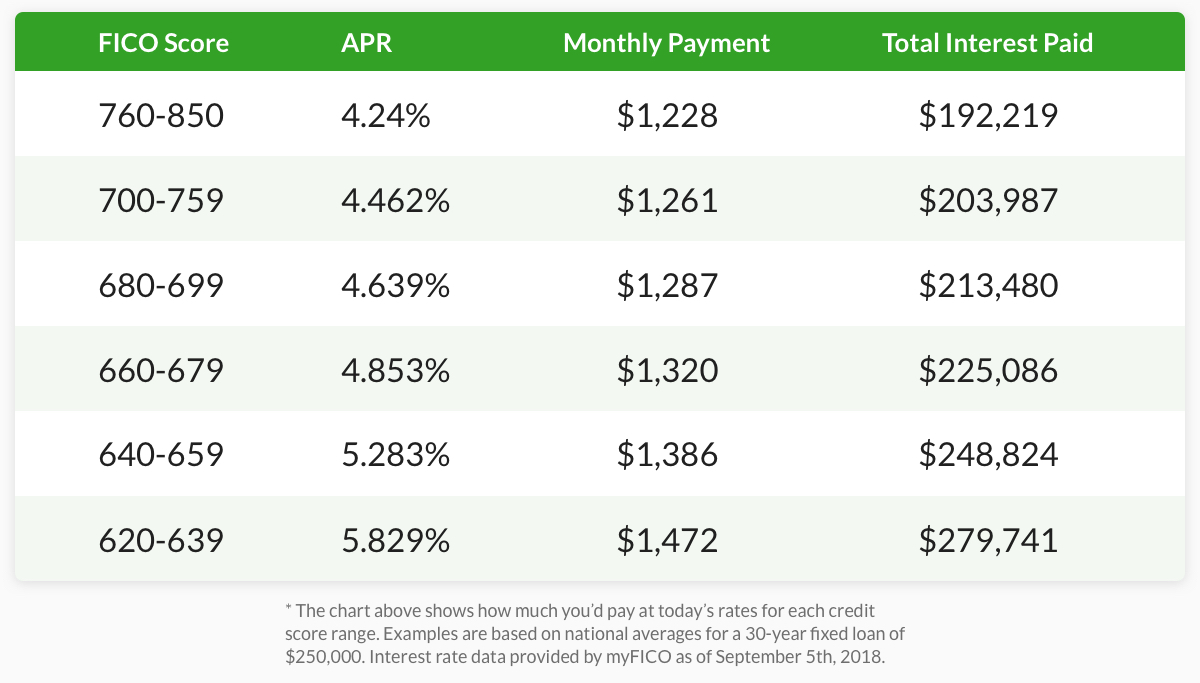
- Credit Score: This is arguably the most critical factor. A higher credit score (e.g., 740+) signals to lenders that you are a reliable borrower with a strong track record of managing debt, thereby qualifying you for the best available rates. Conversely, a lower score indicates higher risk and will result in a higher interest rate.
- Debt-to-Income (DTI) Ratio: Your DTI ratio compares your total monthly debt payments to your gross monthly income. A lower DTI (typically below 43%) demonstrates that you can comfortably manage additional mortgage payments, making you a less risky borrower.
- Down Payment: A larger down payment (e.g., 20% or more) reduces the loan amount, lowers your LTV, and often eliminates the need for private mortgage insurance (PMI), all of which contribute to securing a better rate. Lenders view a substantial equity stake as a sign of commitment and reduced default risk.
- Loan Term: Shorter loan terms (e.g., 15-year mortgages) typically come with lower interest rates than longer terms (e.g., 30-year mortgages). While the monthly payments are higher for a 15-year loan, you pay significantly less interest over the life of the loan.
Defining a “Good” Interest Rate: A Dynamic Target
Given the multitude of influencing factors, defining a universally “good” interest rate is challenging. Instead, it’s about understanding what constitutes a favourable rate for you at this specific time.
Benchmarking Against Market Averages
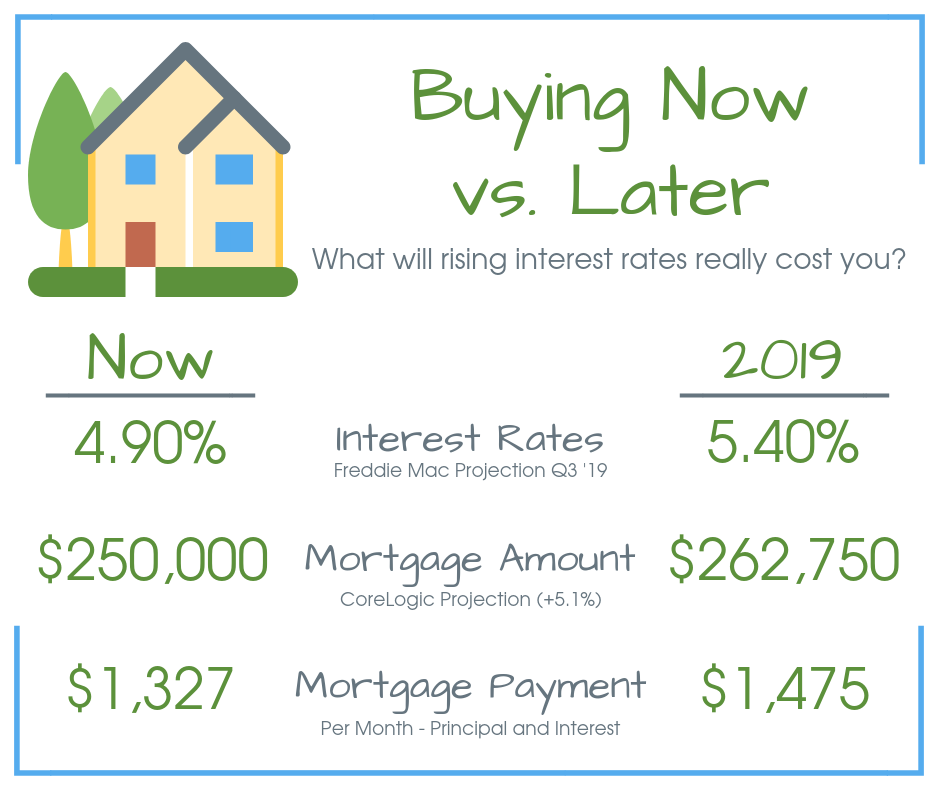
A primary method for assessing a “good” rate is to compare it against current market averages. Financial news outlets, mortgage aggregators, and lender websites frequently publish average mortgage rates. If the rate you’re offered is below the current market average for similar loan types and terms, it’s generally considered a strong offer. However, remember that averages include a wide spectrum of credit scores and down payments, so your personal rate will reflect your specific profile.
Personal Financial Goals and Affordability
Ultimately, a “good” rate is one that aligns with your personal financial goals and comfortably fits within your budget. A seemingly low rate isn’t “good” if the resulting monthly payments strain your finances or prevent you from achieving other financial objectives like saving for retirement or your child’s education. Assess your long-term plans:
- How long do you plan to stay in the home? If it’s a short period, an ARM with a low initial rate might be “good.” For a forever home, a fixed rate that provides payment stability is often preferable.
- What is your risk tolerance? Are you comfortable with potential payment fluctuations, or do you prioritize predictability?
- What is your overall financial health? Ensure the payment leaves room for emergencies, investments, and discretionary spending.
The Impact of Rate Locks
Once you’ve found a rate you believe is “good,” securing a rate lock is crucial. A rate lock guarantees that the interest rate offered to you will remain fixed for a certain period (e.g., 30, 45, or 60 days) while your loan application is processed. This protects you from potential rate increases during the underwriting period. Most lenders offer rate locks for free for standard periods, but longer locks might incur a small fee.
Strategies to Secure a Better Mortgage Rate
Even if market rates are generally high, there are proactive steps you can take to position yourself for the best possible rate.
Improving Your Financial Profile
Before even applying for a mortgage, focus on optimizing your financial health:
- Boost Your Credit Score: Pay bills on time, reduce credit card debt, correct any errors on your credit report, and avoid opening new credit accounts. A score of 740 or higher generally unlocks the best rates.
- Reduce Debt-to-Income Ratio: Pay down existing debts, particularly high-interest consumer debt. A DTI below 36% is ideal, though lenders may go up to 43% or even higher for some loan types.
- Increase Your Down Payment: Aim for 20% or more if possible. This reduces your loan amount, lowers your LTV, and eliminates PMI, all contributing to a more attractive loan offer.
Shopping Around for Lenders
Never settle for the first offer you receive. Different lenders—banks, credit unions, and mortgage brokers—have varying rate structures, fees, and lending criteria. Obtain quotes from at least three to five different lenders within a short timeframe (usually 14-45 days, so credit inquiries don’t negatively impact your score). Compare not just the interest rate but also the APR, closing costs, and lender fees to get a true comparison of the loan’s overall cost. Mortgage brokers can be particularly useful here, as they have access to multiple lenders and can help you find competitive rates.
Considering Mortgage Points
Mortgage points, also known as discount points, are fees paid to the lender at closing in exchange for a lower interest rate. One point typically costs 1% of the loan amount. For example, on a $300,000 loan, one point would be $3,000. Paying points can be a smart strategy if you plan to stay in the home for a long time, as the savings from the lower interest rate can eventually offset the upfront cost. Calculate the “break-even point” – how long it will take for the interest savings to recoup the cost of the points – to determine if it’s a worthwhile investment.
Refinancing Opportunities
If you already have a mortgage and interest rates have fallen significantly since you secured your loan, or your credit score has substantially improved, refinancing could be an excellent strategy to obtain a better rate. Refinancing involves taking out a new loan to pay off your existing mortgage, ideally at a lower interest rate or with better terms. However, remember to factor in closing costs and fees associated with refinancing to ensure the savings outweigh these upfront expenses.
Beyond the Rate: Total Cost and Long-Term Implications
While the interest rate is undeniably important, it’s only one piece of the puzzle. A truly “good” mortgage deal considers the total cost of ownership and its long-term financial implications.
Closing Costs and Fees
Beyond the interest rate, be mindful of closing costs, which can range from 2% to 5% of the loan amount. These include origination fees, appraisal fees, title insurance, attorney fees, and more. A low interest rate might be offset by exorbitant closing costs, making the overall deal less attractive. Always ask for a detailed breakdown of all fees and compare them across lenders. The Loan Estimate form provided by lenders is a standardized document designed to help you do this effectively.
The Power of Extra Payments
Regardless of your interest rate, making extra principal payments, even small ones, can significantly reduce the total interest paid and shorten the life of your loan. Bi-weekly payments (paying half your monthly payment every two weeks) effectively add one extra payment per year, cutting years off a 30-year mortgage. Ensure your mortgage doesn’t have prepayment penalties before employing this strategy.
The Role of a Financial Advisor
Navigating the complexities of mortgage rates and loan products can be daunting. A qualified financial advisor can provide impartial guidance, help you assess your financial situation, understand the nuances of different loan options, and make an informed decision that aligns with your long-term wealth-building strategy. They can help you see the bigger picture, beyond just the monthly payment, to understand the true cost and benefit of your mortgage.
In conclusion, a “good” interest rate for a mortgage is not a static figure but a dynamic intersection of market conditions, your personal financial health, and your long-term goals. By understanding the underlying mechanics, diligently improving your borrower profile, and meticulously shopping for the best offer, you can position yourself to secure a mortgage rate that is not only competitive but also genuinely beneficial for your financial future. It requires diligence and research, but the savings over the life of a loan can be substantial, making it an effort well worth undertaking.
aViewFromTheCave is a participant in the Amazon Services LLC Associates Program, an affiliate advertising program designed to provide a means for sites to earn advertising fees by advertising and linking to Amazon.com. Amazon, the Amazon logo, AmazonSupply, and the AmazonSupply logo are trademarks of Amazon.com, Inc. or its affiliates. As an Amazon Associate we earn affiliate commissions from qualifying purchases.