
Determining what constitutes a “good” business to invest in is a nuanced process that balances financial metrics, market timing, and individual risk tolerance. While the allure of the “next big thing” often dominates headlines, seasoned investors know that the most lucrative opportunities are frequently found in companies that possess sustainable competitive advantages, scalable operations, and predictable cash flows. Whether you are looking to acquire a small local enterprise, purchase shares in a private equity venture, or start a new company from the ground up, identifying a high-quality business requires a disciplined analytical framework.

Understanding the Fundamentals of a Sound Business Investment
A good business investment is characterized by its ability to generate a high return on invested capital (ROIC) over an extended period. To identify such a venture, one must look beyond the surface-level marketing and delve into the underlying economic engine of the company.
The Concept of the “Economic Moat”
Popularized by Warren Buffett, the “moat” refers to a business’s ability to maintain competitive advantages over its rivals in order to protect its long-term profits and market share. A business worth investing in usually possesses at least one of four types of moats: high switching costs (making it difficult for customers to leave), network effects (where the value of the service increases as more people use it), cost advantages (the ability to produce goods cheaper than competitors), or intangible assets (such as brands, patents, or government licenses).
Cash Flow vs. Net Income
Investors must distinguish between accounting profits and actual cash flow. A good business to invest in is one that translates a high percentage of its earnings into free cash flow. This liquidity allows the business to reinvest in growth, pay down debt, or distribute dividends to stakeholders without relying on external financing. Businesses with high capital expenditure requirements often struggle to provide a significant return to investors, even if their revenue growth appears impressive on paper.
Scalability and Operating Leverage
Scalability is the ability of a business to increase its revenue without a proportional increase in costs. Software companies are classic examples of highly scalable businesses because the cost of serving the ten-thousandth customer is negligible compared to the first. When looking for an investment, seek out companies with high operating leverage—where a small increase in sales leads to a large increase in operating income.
High-Growth Industries for Modern Investors
While fundamental analysis applies to all sectors, certain industries currently offer more fertile ground for investment due to demographic shifts, technological adoption, and changing consumer behaviors.
Software as a Service (SaaS) and Digital Infrastructure
The transition toward digital-first economies has made the SaaS model one of the most attractive investment vehicles in history. The beauty of these businesses lies in their recurring revenue streams. Unlike a traditional retail business that must “re-win” its customers every month, a SaaS business builds a base of predictable income. Investors should look for specialized or “vertical” SaaS companies—those that provide essential software for specific industries like healthcare, construction, or legal services—as these often face less competition than general productivity tools.
Healthcare and the Longevity Economy
As the global population ages, the demand for healthcare services, medical devices, and senior living solutions is projected to grow exponentially. Investing in businesses that provide essential services to the elderly—ranging from specialized home care to biotechnology focused on age-related diseases—offers a defensive yet high-growth opportunity. These businesses are often “recession-proof,” as medical needs remain a priority regardless of the economic climate.
Renewable Energy and Sustainability Infrastructure
The global shift toward “Net Zero” is creating a massive demand for investment in green energy. Beyond just solar and wind farms, a good business to invest in within this sector might involve the supply chain: battery storage technology, smart grid management, or the recycling of rare earth metals. Government subsidies and shifting institutional capital mean that businesses aligned with environmental, social, and governance (ESG) goals often have better access to lower-cost capital.
Small Business and Franchise Opportunities
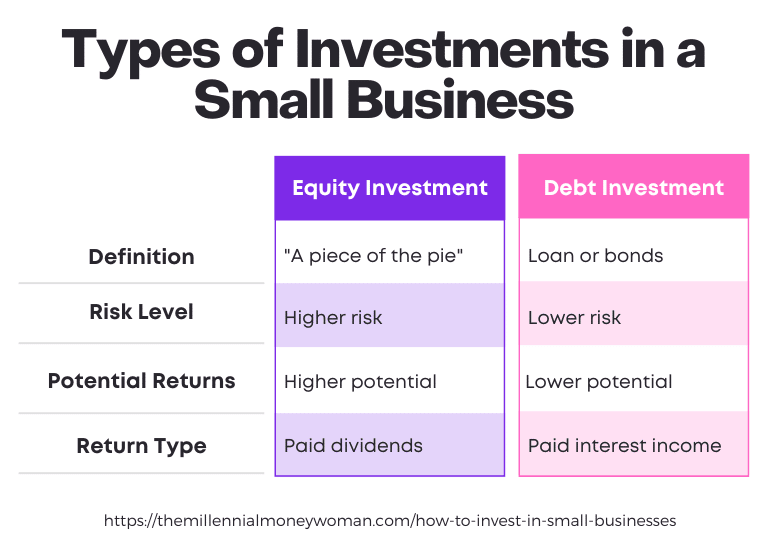
For many investors, the best “good business” isn’t a Silicon Valley startup, but a proven, cash-flowing small business or franchise. These investments often provide more control and a quicker path to profitability than speculative ventures.
The “Boring” Business Strategy
There is a growing trend among sophisticated investors to acquire “unsexy” businesses—HVAC companies, commercial cleaning services, car washes, or self-storage facilities. These businesses are often fragmented, meaning an investor can buy several small operations and consolidate them to gain economies of scale. These services are essential, have predictable demand, and are largely shielded from the “disruption” that plagues the tech sector.
Franchising: Buying a System
Investing in a franchise is essentially buying a pre-packaged business model. The primary benefit is the reduction of risk. A good franchise investment offers a recognized brand, a proven operational playbook, and collective buying power. However, not all franchises are equal. Investors should focus on “service-based” franchises—such as restoration services or specialized tutoring—which typically have lower overhead costs than retail or food-and-beverage franchises that require expensive real estate and high staffing levels.
E-commerce and Third-Party Logistics (3PL)
While direct-to-consumer retail is highly competitive, the infrastructure that supports it is a burgeoning field for investment. Companies that provide warehousing, fulfillment, and specialized logistics for online sellers are in high demand. These “pick and shovel” businesses profit from the growth of e-commerce without the risk of managing a specific consumer brand’s inventory or fashion cycles.
Digital Assets and Scalable Online Ventures
In the modern financial landscape, digital businesses represent some of the most capital-efficient investments available. These ventures often require minimal physical infrastructure and can reach a global market from day one.
Content Platforms and Niche Media
Investing in established content brands—such as high-traffic niche websites, newsletters, or YouTube channels—can yield significant returns through advertising, affiliate marketing, and digital products. The key is to find platforms with “evergreen” content that attracts consistent search traffic. These assets can often be optimized for better monetization, providing a clear path to increasing the asset’s value.
E-learning and Specialized Training
The skills gap in the modern workforce has created a massive market for specialized online education. Businesses that offer certification programs, B2B training platforms, or “masterminds” in high-demand fields like data science, cybersecurity, or executive leadership are highly profitable. These businesses benefit from low production costs and high perceived value, leading to exceptional margins.
Mitigating Risk and Maximizing Returns
Identifying a good business is only half the battle; the other half is ensuring that you do not overpay for that quality. The price you pay for an investment determines your ultimate rate of return.
The Importance of Due Diligence
Before committing capital, a rigorous due diligence process is mandatory. This involves auditing financial statements for the past three to five years, interviewing key employees, and analyzing the customer churn rate. For an investor, the goal is to find “skeletons in the closet” before the deal is closed. Pay close attention to customer concentration; if a business relies on a single client for more than 20% of its revenue, it represents a high-risk investment.
Evaluating Management and Culture
In many cases, you are not just investing in a business model; you are investing in the people running it. A business with great economics can be ruined by poor management. Conversely, a mediocre business can be turned into a market leader by an exceptional leadership team. Look for leaders who have “skin in the game” (significant ownership) and a track record of disciplined capital allocation.
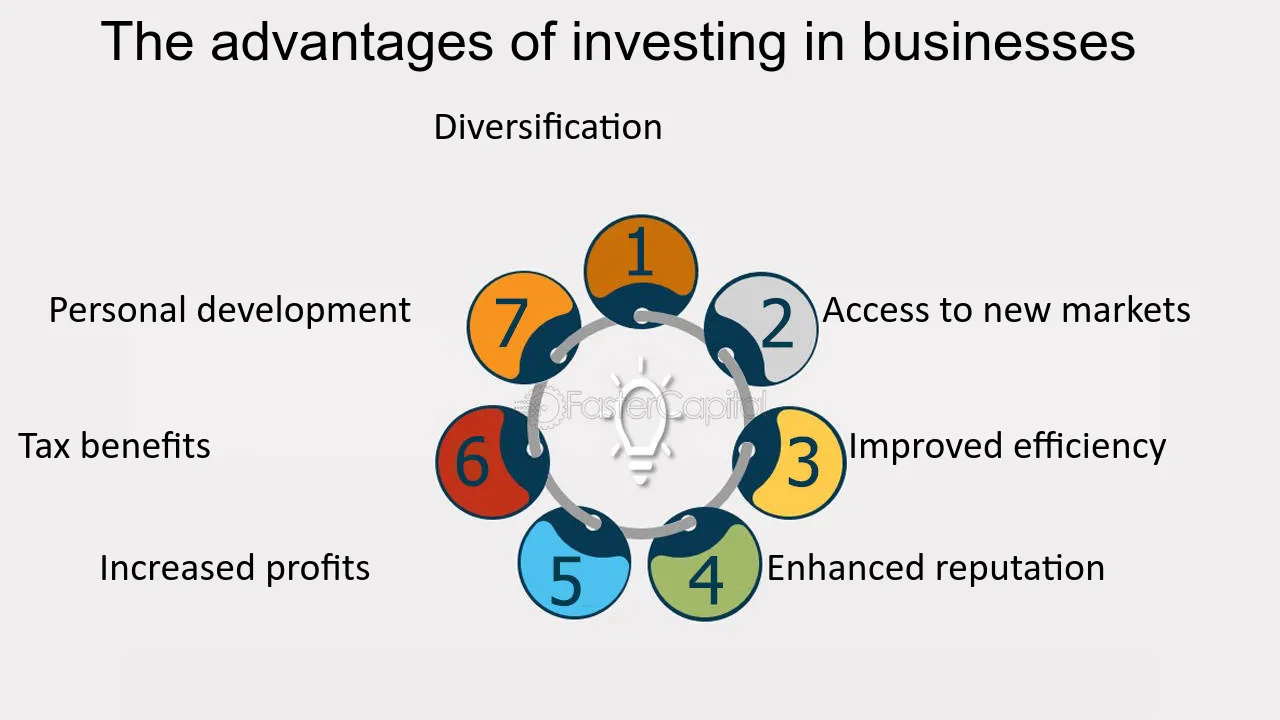
Diversification vs. Concentration
In the world of business investment, there is a constant tension between diversifying to manage risk and concentrating to maximize gains. For most individual investors, a “core and satellite” approach works best: holding a core of stable, cash-flowing assets (like a franchise or established service business) while taking smaller, “satellite” positions in high-growth, higher-risk ventures like tech startups or digital assets.
Ultimately, a good business to invest in is one that aligns with your expertise and your financial goals. It is a venture that demonstrates resilience in the face of competition, maintains healthy margins through operational excellence, and operates in a market with long-term tailwinds. By focusing on cash flow, scalability, and a strong competitive moat, investors can navigate the complexities of the market to find opportunities that build sustainable wealth.
aViewFromTheCave is a participant in the Amazon Services LLC Associates Program, an affiliate advertising program designed to provide a means for sites to earn advertising fees by advertising and linking to Amazon.com. Amazon, the Amazon logo, AmazonSupply, and the AmazonSupply logo are trademarks of Amazon.com, Inc. or its affiliates. As an Amazon Associate we earn affiliate commissions from qualifying purchases.