
In the modern landscape of personal finance, the traditional concept of ownership is undergoing a radical transformation. For decades, the acquisition of luxury goods was viewed as a hallmark of financial success, yet these items often represent “dead capital”—expensive assets that sit idle in a closet while rapidly depreciating in value. The “wear-it-once” culture, particularly regarding formal attire, has historically been a significant drain on discretionary income. However, the rise of the circular economy has introduced a more sophisticated way to manage these expenses.

When asking “where can I rent a dress,” the answer is no longer just about finding a garment for a gala; it is about leveraging a financial strategy that prioritizes liquidity, reduces waste, and even creates new streams of passive income. By shifting from a model of outright purchase to one of strategic rental, consumers can access high-end designer goods at a fraction of their retail cost, allowing for better capital allocation toward appreciating assets like investments or debt reduction.
The Economics of the One-Time Wear: Why Renting is a Strategic Financial Move
To understand the financial logic behind renting, one must look at the “Cost-Per-Wear” (CPW) metric. This is a fundamental concept in personal finance that determines the true value of a purchase. If an individual buys a designer gown for $1,500 and wears it to a single wedding, the cost-per-wear is $1,500. Conversely, if that same individual rents the dress for $150, they have effectively saved $1,350 while achieving the same utility.
Analyzing the Opportunity Cost of Fashion Purchases
Every dollar spent on a depreciating asset is a dollar that is not being invested. From a wealth-building perspective, the $1,350 saved by renting rather than buying can be redirected into a high-yield savings account or a diversified brokerage account. Over a decade, if a consumer chooses to rent instead of buy for just two major events per year, the cumulative savings—when compounded at an average market return—could represent tens of thousands of dollars in net worth. This transition from “conspicuous consumption” to “strategic utility” is a hallmark of the financially savvy modern consumer.
Avoiding the “Dead Asset” Trap
Luxury garments are notoriously difficult to liquidate. Unlike electronics or vehicles, the secondary market for high fashion can be volatile, and the time required to photograph, list, and ship items on resale platforms often outweighs the financial recovery. By renting, a consumer avoids the burden of maintaining, storing, and eventually disposing of an asset that loses 50% to 70% of its value the moment it leaves the boutique. This lean approach to one’s wardrobe mirrors the corporate shift toward “Asset-Light” business models, where flexibility and cash flow are prioritized over physical inventory.
Top Platforms to Maximize Your Fashion Budget
For those seeking to optimize their spending, several platforms have emerged as leaders in the rental space. Each offers a different financial structure, ranging from one-off transactional rentals to subscription-based models that act as an outsourced wardrobe.
Rent the Runway: The Market Leader in Scale
Rent the Runway (RTR) revolutionized the market by offering both one-time rentals and monthly memberships. Financially, the subscription model is often the most efficient for professionals who require a rotating wardrobe for work and social events. For a fixed monthly fee, users can access thousands of dollars worth of designer apparel. This turns a variable, unpredictable expense (buying new clothes for every event) into a fixed, predictable line item in a monthly budget.
Nuuly: The Budget-Conscious Subscription
Operated by URBN (the parent company of Anthropologie and Free People), Nuuly focuses on a mid-market price point. At a flat monthly rate, subscribers can rent six items. This model is particularly effective for those who want to experiment with trends without the financial risk of buyer’s remorse. From a personal finance standpoint, Nuuly serves as a “buffer” against impulse spending, providing a constant influx of new items that satisfies the psychological urge for novelty without the long-term financial commitment.
Luxury-Specific Platforms: Armoire and Vivrelle
For those operating in high-stakes corporate or social environments, platforms like Armoire or Vivrelle (which focuses on high-end accessories) provide access to top-tier luxury labels. Vivrelle, in particular, treats luxury handbags as a service. Given that some designer bags can cost upwards of $5,000, a monthly membership fee represents a significant reduction in capital outlay, allowing the user to project a high-status brand image while keeping their capital liquid.
Turning Luxury into Liquidity: Renting Out Your Own Wardrobe
The most significant financial shift in the “where can I rent a dress” conversation is the transition from consumer to provider. For those who already own a collection of high-end pieces, the peer-to-peer (P2P) rental market offers a unique opportunity for “closet arbitrage”—turning a dormant wardrobe into a revenue-generating side hustle.
The Rise of Peer-to-Peer Platforms
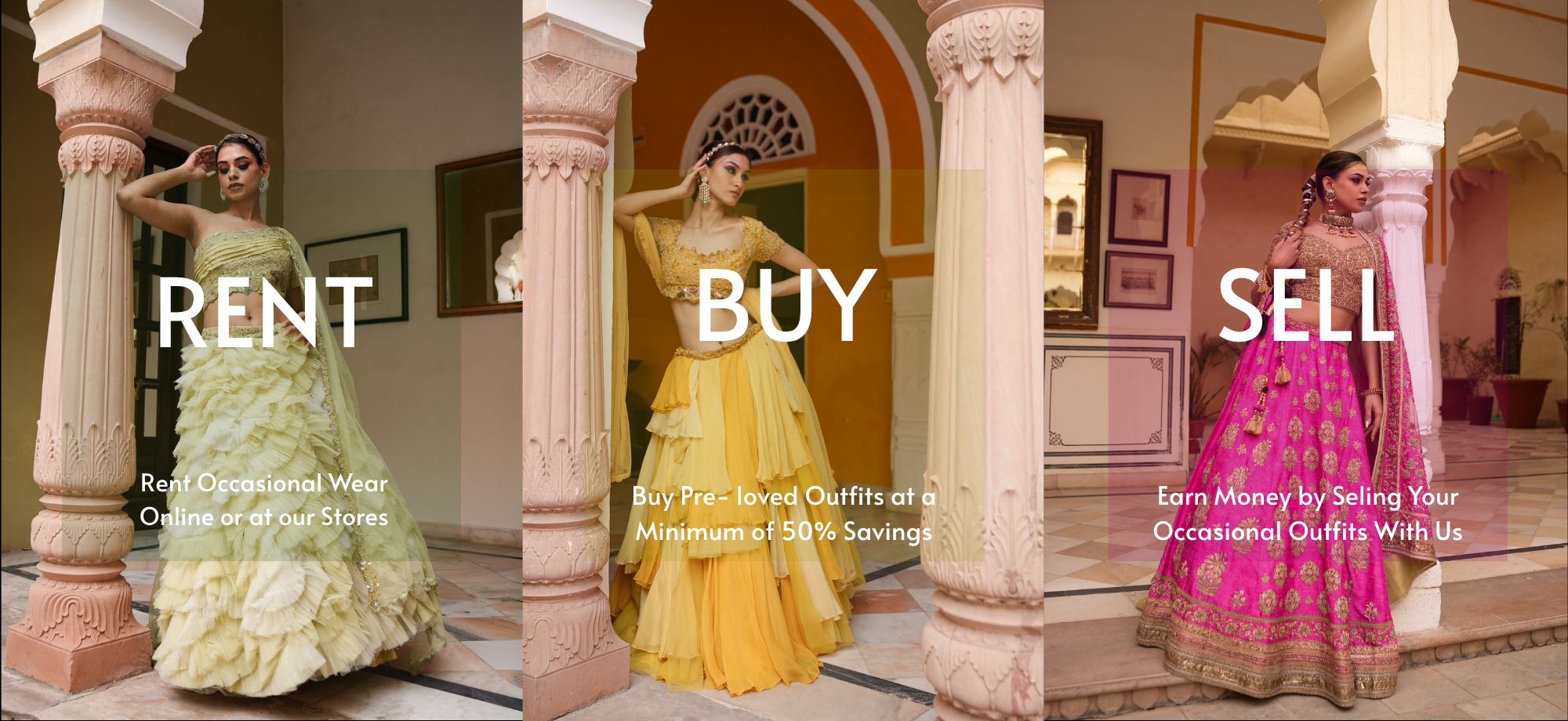
Platforms like By Rotation and Wardrobe allow individuals to list their own garments for rent. This effectively turns a closet into a small business. In this model, the dress is no longer a liability; it is a capital asset. If a $1,000 dress can be rented out 10 times for $100 per rental, the owner has recouped the entire purchase price, and every subsequent rental becomes pure profit (minus platform fees and cleaning costs).
Managing Your Fashion Business: ROI and Logistics
Treating your wardrobe as a portfolio requires a business mindset. To maximize Return on Investment (ROI), owners must identify “high-yield” items—dresses that are timeless, durable, and from brands with high demand but limited supply.
-
Brand Selection: Brands like Zimmermann or Cult Gaia often see high rental velocity.
-
Maintenance Costs: Owners must factor in professional dry cleaning and the risk of wear and tear.
-
Insurance: Utilizing platforms that provide insurance coverage is essential for protecting the underlying asset.
By approaching fashion through this lens, an individual can essentially fund their future purchases through the rental income of their past ones.
The Future of the Circular Economy and Your Personal Net Worth
The fashion rental market is not a fleeting trend; it is a structural shift in how we perceive value. As the “Sharing Economy” expands into the wardrobe, the financial implications are profound. This shift aligns with broader trends in sustainability and ethical investing, as consumers increasingly recognize that overconsumption is both ecologically and financially unsustainable.
Reducing Depreciation Loss Through Systematic Renting
In traditional accounting, assets are depreciated over time. In a personal wardrobe, this depreciation is usually 100%—the item eventually becomes worthless or is donated. Systematic renting halts this financial leak. By participating in the rental ecosystem, either as a renter or a lender, you are actively combating the “throwaway” culture that keeps many individuals in a cycle of lifestyle inflation.

Integrating the Rental Model into a Financial Plan
To truly benefit from this niche, one should integrate “Fashion as a Service” (FaaS) into their overall financial plan.
-
Audit your current wardrobe: Identify items that could be listed for rent to generate passive income.
-
Budget for events: Instead of an “Emergency Dress Fund,” allocate a small, fixed monthly amount for rentals.
-
Analyze the “Buy vs. Rent” decision for every major purchase: If the item cannot be worn at least 30 times or rented out to others, the financial data suggests that renting is the superior choice.
In conclusion, “where can I rent a dress” is a question that leads directly to the heart of modern wealth management. It is about recognizing that style and status do not require the permanent tie-up of capital. By leveraging the platforms available today, consumers can enjoy the luxury of high fashion while maintaining the fiscal discipline necessary for long-term financial independence. Whether you are saving $1,000 on a bridesmaid dress or earning $500 a month renting out your designer collection, the fashion rental market is a powerful tool for optimizing your personal economy.
aViewFromTheCave is a participant in the Amazon Services LLC Associates Program, an affiliate advertising program designed to provide a means for sites to earn advertising fees by advertising and linking to Amazon.com. Amazon, the Amazon logo, AmazonSupply, and the AmazonSupply logo are trademarks of Amazon.com, Inc. or its affiliates. As an Amazon Associate we earn affiliate commissions from qualifying purchases.