
The transition from paper-based tax returns to digital submission represents one of the most significant shifts in personal finance over the last two decades. Tax filing online, commonly known as e-filing, has evolved from a niche convenience into the standard operating procedure for the modern taxpayer. This shift is not merely about replacing paper with pixels; it is about leveraging financial technology to ensure accuracy, maximize deductions, and streamline the lifecycle of one’s personal capital. Understanding the nuances of online filing is essential for anyone looking to maintain a sophisticated approach to their financial health.

Embracing the Digital Shift in Personal Finance
The move toward online tax preparation is driven by the demand for efficiency and the increasing complexity of the modern financial landscape. With the rise of the gig economy, remote work, and diverse investment portfolios including equities and digital assets, the manual calculation of tax liabilities has become nearly impossible for the average individual. Online filing platforms act as a bridge between complex tax codes and the user’s financial reality.
One of the primary advantages of filing online is the significant reduction in human error. Traditional paper returns are prone to mathematical mistakes, illegible handwriting, and missing signatures—errors that often lead to delayed refunds or, worse, IRS audits. Online software utilizes built-in logic checks and real-time calculations to ensure that every figure aligns with the latest tax laws. This mathematical integrity is the cornerstone of sound financial management.
Furthermore, speed is a critical factor. When a return is filed electronically, the IRS typically acknowledges receipt within 24 to 48 hours. For those expecting a refund, this digital pipeline facilitates direct deposits that can reach a bank account in as little as 21 days. In a world where cash flow management is king, the ability to rapidly recapture overpaid tax capital is a significant strategic advantage.
The Rise of Integrated Financial Ecosystems
Modern online filing is no longer a standalone event that happens once a year. It is increasingly integrated into a broader financial ecosystem. Many online tax platforms now sync directly with banking institutions, brokerage accounts, and payroll providers. This integration allows for the automatic importing of data, reducing the need for manual entry and minimizing the risk of “fat-finger” errors. When your tax software communicates directly with your investment platform, the reporting of capital gains and losses becomes a seamless transfer of data, ensuring that your financial picture is as accurate as possible.
Navigating the Landscape of Online Tax Software
Selecting the right platform is a strategic decision that depends on the complexity of your financial situation. The market is populated by various tiers of service, ranging from basic free versions for simple W-2 earners to high-end professional-grade software for business owners and high-net-worth investors.
Evaluating Software Tiers and Features
Most major providers, such as TurboTax, H&R Block, and FreeTaxUSA, offer a tiered pricing structure. For a student or a single worker with a single income stream, the “Free Edition” is often sufficient. However, as your financial life matures, your needs will shift.
If you own a home, have significant medical expenses, or contribute to various charitable organizations, you will likely need a “Deluxe” or “Premier” version that handles itemized deductions. For those who have ventured into the “Money” niche through side hustles or freelance work, a “Self-Employed” tier is necessary to manage Schedule C forms and business expense tracking. Investing in the right tier is not an unnecessary cost; it is an investment in ensuring you are not overpaying the government.
The IRS Free File Program
It is also vital to recognize the IRS Free File program, a public-private partnership that provides free brand-name tax preparation software to taxpayers whose adjusted gross income (AGI) falls below a certain threshold. This is a powerful financial tool for those looking to minimize the costs of compliance while still benefiting from the accuracy and security of online filing. Utilizing these resources effectively is a hallmark of savvy personal finance management.
Cloud-Based vs. Desktop Solutions
While the trend is heavily skewed toward cloud-based “Software as a Service” (SaaS) models, some taxpayers prefer desktop versions for heightened privacy or the ability to file multiple returns for family members under a single license. Cloud-based systems offer the convenience of cross-device accessibility—allowing you to start a return on your laptop and finish it on your tablet—while desktop versions often provide a one-time cost that may be more economical for households with complex, multi-person filing requirements.
The Strategic Architecture of Online Filing
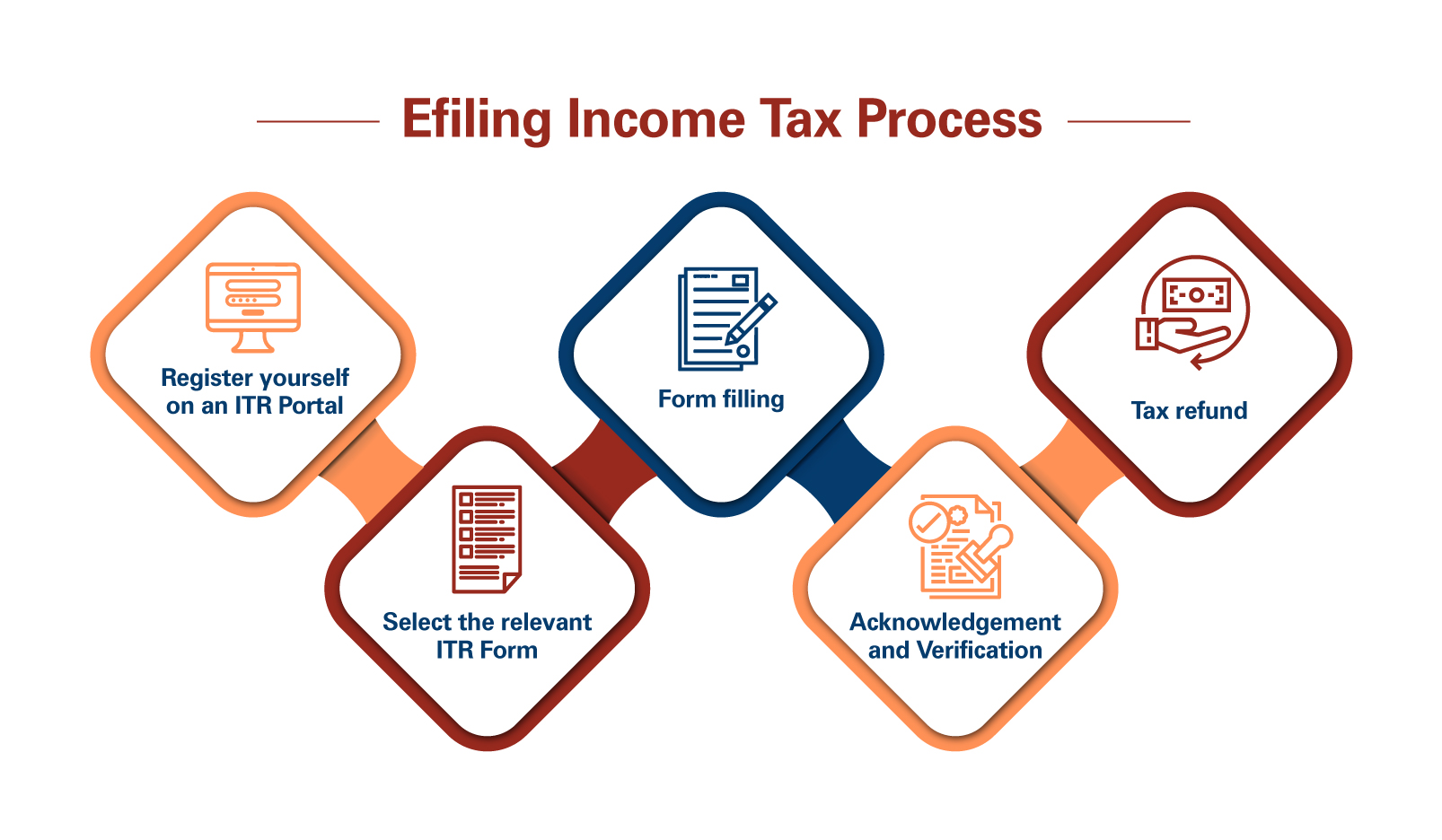
Successful online filing is not a task to be rushed on April 14th; it is a process that requires a structured approach to data management. To maximize the benefits of online tools, one must treat tax filing as the final report of an entire year’s financial strategy.
Systematic Data Gathering
The foundation of a successful online return is the digital collection of financial documents. Before logging into any software, you should have digital copies of:
-
Income Statements: W-2s from employers and various 1099s for freelance work, interest, dividends, and retirement distributions.
-
Adjustment Records: Documents for student loan interest, HSA contributions, and IRA contributions.
-
Deduction Proof: Records of mortgage interest (Form 1098), property taxes, and charitable donation receipts.
By organizing these into a dedicated digital folder, you can take advantage of the “upload” features present in most modern software, which use Optical Character Recognition (OCR) to read the forms and populate the fields automatically.
Maximizing Deductions and Credits
The true power of filing online lies in the software’s ability to “interview” the taxpayer. These platforms are designed to ask probing questions about your life changes—did you buy a house? Did you have a child? Did you install solar panels? These questions are designed to trigger eligibility for tax credits and deductions that a non-professional might easily overlook.
For instance, the Earned Income Tax Credit (EITC) or the Child Tax Credit can result in significant financial inflows. Similarly, for the entrepreneur, online software can help navigate the complexities of the Home Office Deduction or the Section 199A Qualified Business Income deduction. These are not just “forms”; they are financial instruments that directly impact your net worth and annual liquidity.
Security Protocols and Financial Privacy
In the digital age, the intersection of finance and technology brings the heightened responsibility of data security. When you file taxes online, you are transmitting the most sensitive information possible: Social Security numbers, bank account details, and full income histories. Understanding and implementing security best practices is a non-negotiable aspect of modern financial life.
Protecting Your Financial Identity
Reputable online tax services employ bank-level encryption (128-bit or higher) to protect data during transmission. However, the user is often the weakest link in the security chain. Utilizing Multi-Factor Authentication (MFA) is essential. By requiring a code from a mobile device in addition to a password, you add a robust layer of protection against unauthorized access to your financial records.
Furthermore, be wary of “phishing” attempts. The IRS does not initiate contact with taxpayers via email, text messages, or social media to request personal or financial information. Any communication claiming to be from the IRS that directs you to an unofficial website to “update your filing” should be treated as a threat. Always navigate directly to your chosen software provider’s official URL.
The IRS Identity Protection PIN
For those who have been victims of identity theft or simply want the highest level of security, the IRS offers an Identity Protection PIN (IP PIN). This is a six-digit number assigned to eligible taxpayers that prevents someone else from filing a tax return using their Social Security number. In the world of online finance, the IP PIN is the ultimate “deadbolt” for your tax account, ensuring that your refund goes to you and not a fraudulent actor.
The Post-Filing Phase: Management and Long-Term Strategy
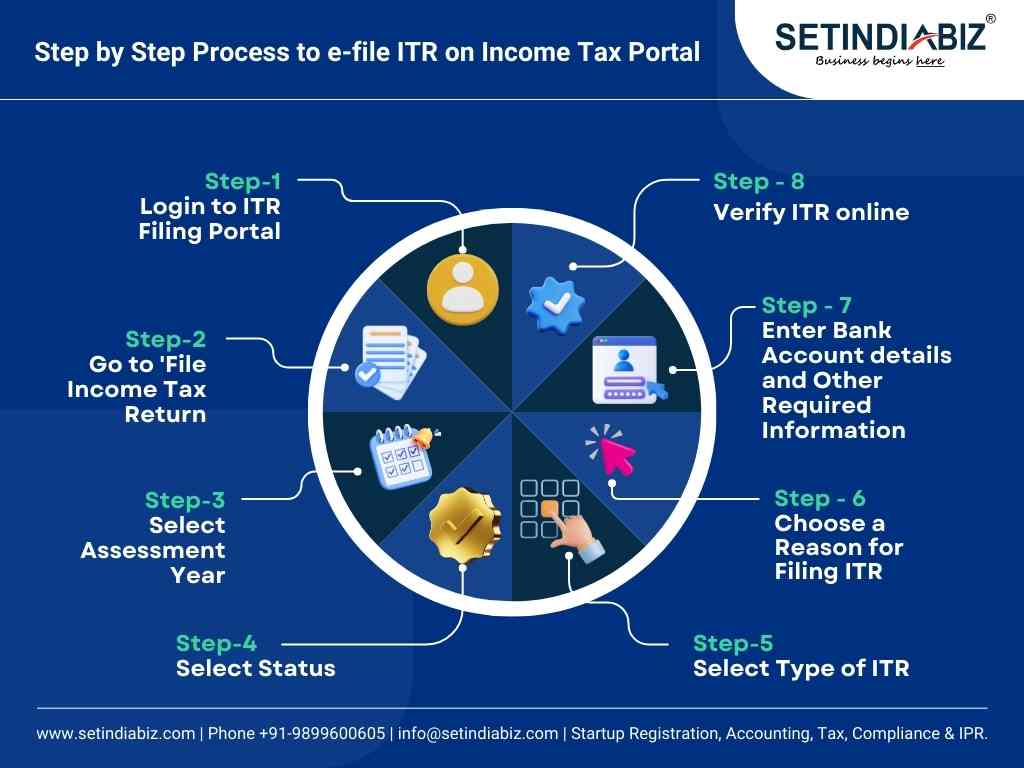
The process does not end once you click “Submit.” Filing online provides a wealth of data that can be used to inform your financial strategy for the coming year.
Digital Record Keeping and Audits
One of the most significant advantages of online filing is the permanent digital record it creates. Most platforms store your returns for several years, allowing you to download PDF copies of every form and schedule. In the event of an IRS audit or a request for financial verification during a mortgage application, having instant access to your tax history is invaluable. A disciplined financial actor maintains both the software-stored versions and a secure, encrypted backup on personal hardware.
Tracking and Optimization
After filing, you can use online tools like the IRS “Where’s My Refund?” portal to track the status of your money. But beyond just waiting for a check, the outcome of your online filing should prompt a review of your current financial settings. If you received a massive refund, it means you gave the government an interest-free loan all year. You might use this data to adjust your W-4 withholdings via your employer’s online payroll portal, increasing your take-home pay for immediate investment or debt reduction.
Conversely, if you owed a significant amount, your online filing software will likely suggest making quarterly estimated payments. Embracing these digital payment systems ensures you avoid underpayment penalties and maintain a professional relationship with tax authorities.
Conclusion: The Empowerment of Digital Compliance
Filing taxes online is more than a chore; it is an annual audit of your financial progress. By utilizing the sophisticated tools available in the modern marketplace, taxpayers can ensure they are compliant with the law while strategically maximizing their financial position. The accuracy, speed, and insight provided by digital platforms transform tax season from a period of dread into an opportunity for financial clarity and optimization. In the realm of personal finance, information is power, and online filing is the most efficient way to harness that power for your long-term economic benefit.
aViewFromTheCave is a participant in the Amazon Services LLC Associates Program, an affiliate advertising program designed to provide a means for sites to earn advertising fees by advertising and linking to Amazon.com. Amazon, the Amazon logo, AmazonSupply, and the AmazonSupply logo are trademarks of Amazon.com, Inc. or its affiliates. As an Amazon Associate we earn affiliate commissions from qualifying purchases.