
In the rapidly evolving landscape of technology, the term “gantry” often appears in two distinct yet equally vital contexts: high-precision hardware engineering and sophisticated software architecture. At its most fundamental level, a gantry is a frame-like structure designed to support, bridge, or guide equipment. Whether it is a massive bridge-like crane moving shipping containers or a software framework providing the scaffolding for a complex website, the gantry represents the intersection of stability and movement.
As we delve deeper into the technological nuances of this concept, it becomes clear that gantries are the unsung heroes of the modern age. They are the physical skeletons of the machines that build our world and the digital skeletons of the code that powers our information. This article explores the dual nature of gantry systems, examining their role in robotics, manufacturing, and software development.
The Engineering Core: Gantry Systems in Hardware and Robotics
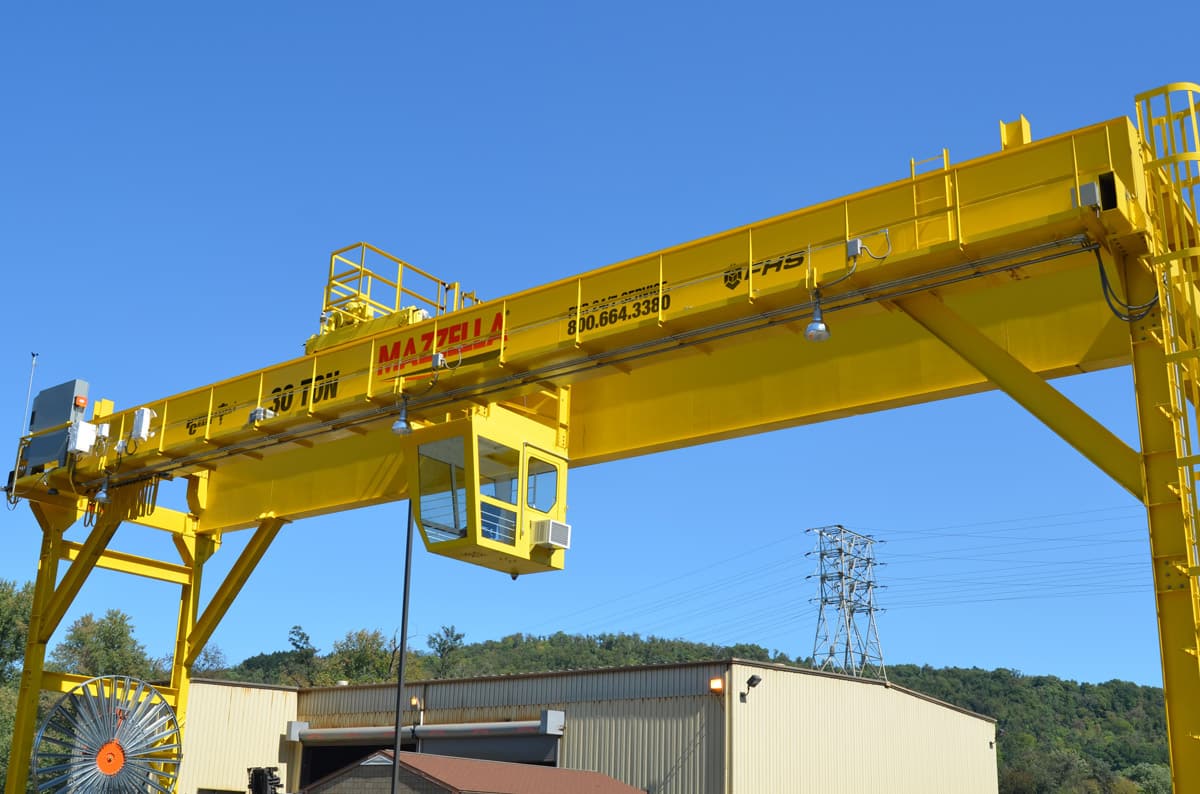
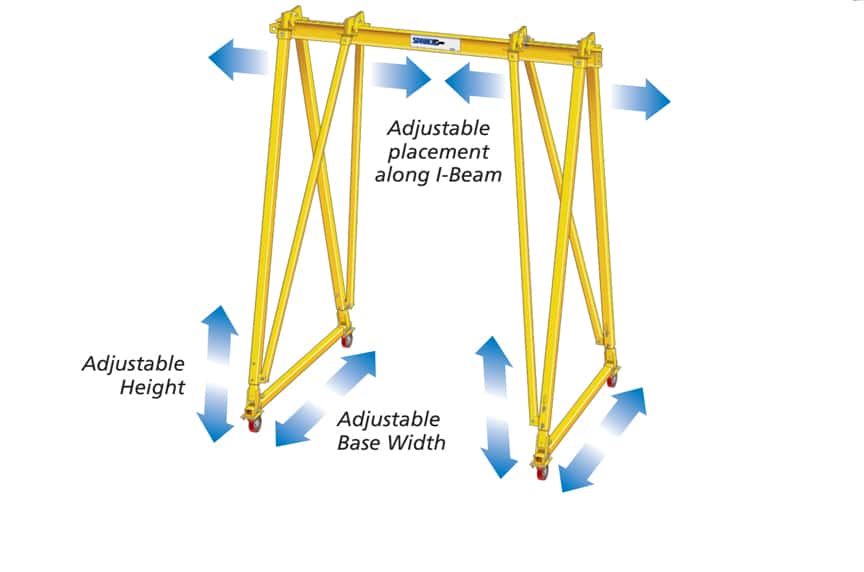
In the realm of physical technology, a gantry is a specialized mechanical structure that allows for controlled movement across multiple axes. These systems are the backbone of the “maker” revolution and industrial automation. By providing a rigid frame, they enable tools to move with micron-level precision over a specific work area.
The Cartesian Coordinate System
Most hardware gantries operate on the Cartesian coordinate system, utilizing X, Y, and Z axes. The gantry itself usually refers to the bridge that spans the work area (the Y-axis), which carries a carriage (the X-axis) and a tool head (the Z-axis). This configuration is favored in tech because it offers a high degree of rigidity and accuracy compared to robotic arms. Because the load is distributed across a bridge supported at both ends, vibrations are minimized, which is essential for high-speed technical applications.
Applications in 3D Printing and Additive Manufacturing
If you have ever seen a desktop 3D printer in action, you have witnessed a gantry system. In additive manufacturing, the gantry moves the extruder with extreme precision to deposit layers of filament. The “Gantry-style” printer is the most common consumer and industrial configuration because it is scalable. From small resin printers to massive industrial machines that 3D-print entire houses using concrete, the gantry provides the necessary stability to ensure that digital designs are translated accurately into the physical world.
CNC Machining and Industrial Automation
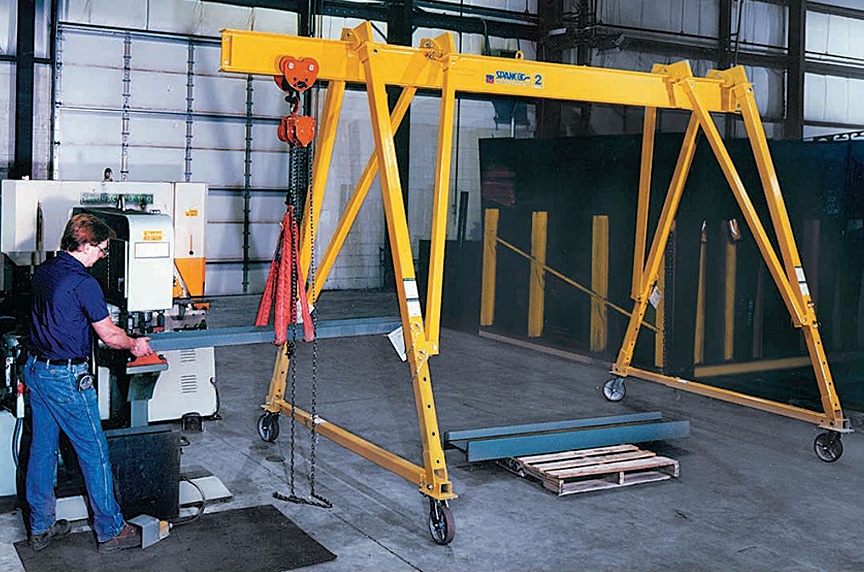
Beyond 3D printing, gantries are central to Computer Numerical Control (CNC) machining. In laser cutters, plasma tables, and waterjet machines, the gantry carries the cutting head over the material. In large-scale tech manufacturing—such as the assembly of circuit boards or automotive components—overhead gantries move parts between workstations. The ability to program these movements via software makes them an integral part of the “Smart Factory” or Industry 4.0 movement.
Digital Scaffolding: Gantry Frameworks in Software Development
The concept of a “gantry” is so effective at describing a supportive, guiding structure that it has been widely adopted in the world of software engineering. In this context, a gantry is not made of steel or aluminum; it is composed of code designed to provide a flexible, modular foundation for digital products.
Web Design and CMS Architecture
One of the most prominent uses of the term in software is the “Gantry Framework,” an open-source tool used for building themes and templates in Content Management Systems (CMS) like Joomla, WordPress, and Grav. Much like its physical counterpart, this software gantry provides the “bridge” between the raw data of a website and the visual layout presented to the user.
Software gantries allow developers to manage complex layouts using a drag-and-drop interface, effectively “moving” elements of a site into place without writing repetitive code. This modularity is a hallmark of modern tech trends, where the focus is on reducing development time while maintaining high performance and responsiveness across different devices.
Automation and CI/CD Pipelines
In the world of DevOps and software deployment, “gantry-like” structures exist within Continuous Integration and Continuous Deployment (CI/CD) pipelines. Here, the “gantry” acts as the automated framework that carries a piece of code through various stages: testing, building, and finally, deployment. By providing a stable, repeatable path for code to travel, these frameworks ensure that software updates are delivered efficiently and without errors, mirroring the reliability of an industrial gantry on an assembly line.
The Role of Gantry Systems in the Age of AI and Machine Learning
As artificial intelligence (AI) and machine learning (ML) continue to dominate tech headlines, gantry systems—both physical and digital—are evolving to accommodate these advanced tools. The marriage of AI with gantry-driven hardware is leading to a new generation of “autonomous machines.”
High-Precision Positioning for AI Sensors
AI requires data, and in industrial settings, that data often comes from high-resolution cameras and LiDAR sensors. Gantry systems are frequently used to move these sensors over objects for 3D scanning and quality control. For instance, in automated agriculture tech, a gantry might carry multispectral cameras over a field of crops, using AI to identify pest infestations or nutrient deficiencies. The gantry ensures the sensors are exactly where they need to be, providing the “spatial awareness” the AI needs to function.
Software “Gantries” for Model Deployment
In the backend of AI development, engineers use frameworks that function as digital gantries to move massive datasets through training models. These frameworks manage the flow of information, ensuring that the heavy “load” of data doesn’t crash the system. As AI models become larger and more complex, the need for these robust structural frameworks becomes critical. They provide the “rigidity” in the workflow that allows for the “fluidity” of the AI’s learning process.
Choosing the Right Gantry Tech: Efficiency, Precision, and Scalability
Whether you are an engineer designing a new robotic assembly line or a developer building a high-traffic web application, understanding the technical specifications of a gantry system is crucial. The choice of gantry tech directly impacts the efficiency and scalability of the project.
Material and Structural Integrity
In hardware, the choice between an aluminum gantry and a steel gantry involves a trade-off between weight and rigidity. Aluminum is lighter, allowing for faster acceleration—ideal for laser cutting. Steel offers more dampening and strength, which is necessary for heavy-duty milling. In the tech world, “payload capacity” is a key metric; if the gantry cannot support the weight of the tool (or the sensor) without flexing, the precision of the entire system is compromised.
Future Trends in Gantry Engineering
The next frontier for gantry technology lies in “Carbon Fiber” components and “Linear Motor” drives. Traditional gantries often use belts or lead screws, which can have “backlash” or slight inaccuracies. Modern high-tech gantries are moving toward linear motors, which use magnets to move the carriage with zero contact. This results in nearly infinite precision and significantly higher speeds. This is a trend to watch in semiconductor manufacturing, where the components are so small that even the slightest vibration can ruin a batch of microchips.
Conclusion: The Indispensable Nature of the Gantry
The question “what is a gantry?” leads us down a path through the most fundamental aspects of modern technology. From the physical structures that allow us to 3D-print medical devices to the software frameworks that allow us to build complex digital ecosystems, the gantry is a symbol of organized, precise movement.
In both hardware and software, the gantry serves the same purpose: it provides the necessary support so that the “tool” (be it a laser, a camera, or a block of code) can perform its job with maximum efficiency. As we look toward a future defined by further automation, more powerful AI, and increasingly complex digital landscapes, the importance of these structural frameworks will only grow. The gantry is not just a piece of equipment; it is the silent facilitator of technical progress, ensuring that our innovations have a solid foundation upon which to move.
aViewFromTheCave is a participant in the Amazon Services LLC Associates Program, an affiliate advertising program designed to provide a means for sites to earn advertising fees by advertising and linking to Amazon.com. Amazon, the Amazon logo, AmazonSupply, and the AmazonSupply logo are trademarks of Amazon.com, Inc. or its affiliates. As an Amazon Associate we earn affiliate commissions from qualifying purchases.