
In the landscape of modern consumer electronics, few devices are as deceptively simple yet technologically nuanced as the slow cooker. While many view the “Crock-Pot”—a brand name that has become a proprietary eponym for the slow cooker—as a basic kitchen relic, the underlying technology governing its temperature regulation is a masterclass in thermal engineering and electrical efficiency. To understand what a crock pot’s temperature truly is, one must look beyond the ceramic pot and into the hardware architecture, the physics of heat transfer, and the burgeoning world of IoT-integrated kitchen appliances.
The Physics of Slow Cooking: How Crock Pots Manage Thermal Energy
At its core, a slow cooker is a specialized heat-transfer system designed to maintain a consistent environment over an extended duration. Unlike a traditional oven, which uses convection or radiant heat to warm the air around food, a crock pot utilizes conductive heat transfer through a specific hardware stack.
Resistor-Based Heating Elements
The temperature of a crock pot is dictated by the resistance of the heating coils wrapped around the interior of the metal housing. These are typically nichrome wire elements. When an electric current passes through these wires, they encounter resistance, converting electrical energy into thermal energy. In high-quality tech specifications, these elements are calibrated to provide a steady wattage—usually ranging from 70 to 250 watts depending on the size and model. This low wattage is the “secret sauce” of the device’s efficiency, allowing it to maintain a steady thermal output without the massive energy spikes seen in high-voltage appliances like electric ranges or microwave ovens.
The Thermodynamics of the Ceramic Insert
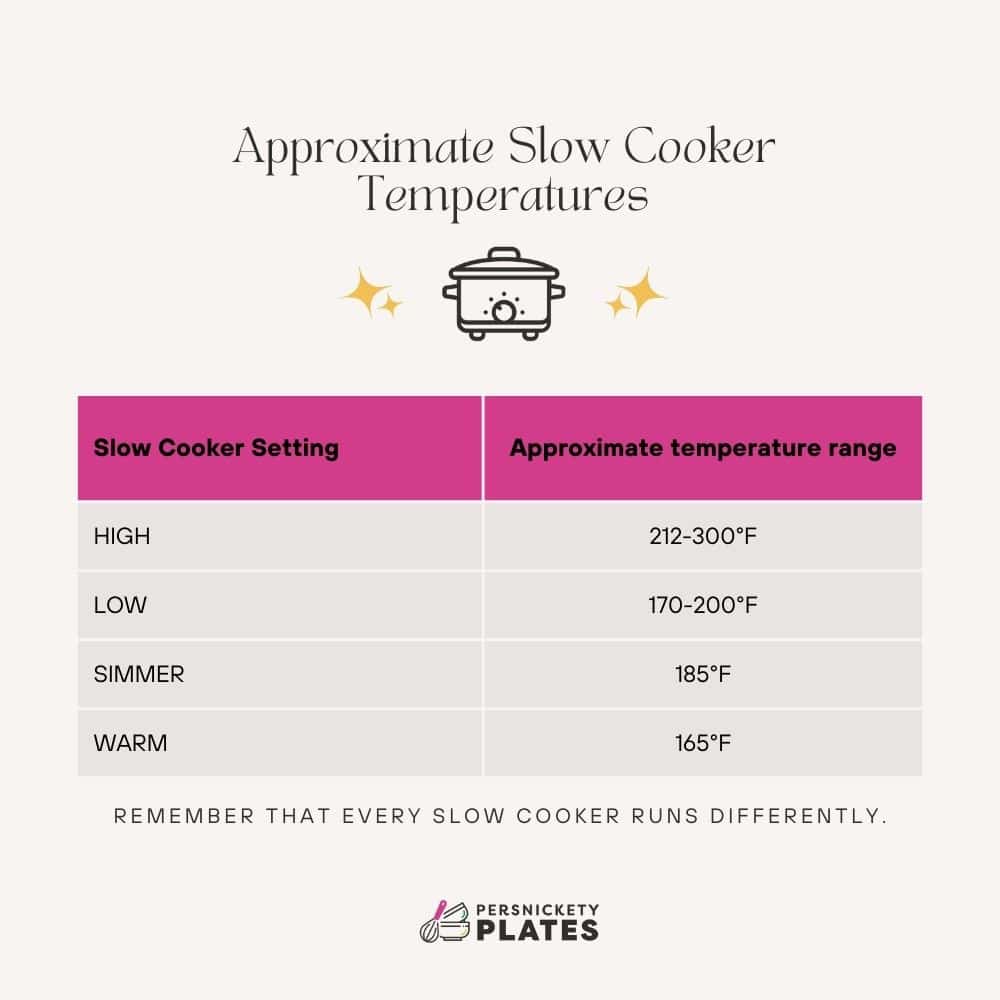
The “crock” itself is usually made of heavy stoneware or ceramic. From a materials science perspective, ceramic is chosen for its high thermal mass and low thermal conductivity. This means it takes a long time to heat up, but once it reaches the desired temperature, it acts as a thermal battery. It smooths out any fluctuations from the heating element, ensuring that the internal temperature remains stable even if the ambient room temperature shifts. This stability is critical for the long-chain molecular breakdown of collagen and fibers, which requires a precise thermal window usually situated between 170°F and 210°F.
Low vs. High: Decoding the Electrical Architecture
A common misconception in consumer tech is that the “Low” and “High” settings on a crock pot represent two different target temperatures. From a technical and engineering standpoint, this is often incorrect. In the vast majority of manual slow cooker circuits, the settings regulate the rate of heat climb rather than the final temperature plateau.
Wattage and Voltage Regulation
On a “High” setting, the device utilizes its maximum rated wattage to bring the internal contents to the simmering point as quickly as possible. On “Low,” the circuit uses a lower wattage (often through a simple voltage divider or by pulsing the power) to reach that same simmer point over a longer period.
Technically speaking, both “Low” and “High” settings are engineered to reach a peak temperature of approximately 209°F (98°C), just below the boiling point of water at sea level. The difference is the “Time to Temperature” (TTT) metric. A “High” setting might reach the plateau in 3 to 4 hours, whereas “Low” might take 7 to 8 hours. Understanding this distinction is vital for those looking to automate their kitchen systems using external smart plugs or timers, as the hardware behavior remains consistent regardless of the software-side control.
The Myth of Variable Temperature vs. Heat Rate
Advanced models have begun to implement true variable temperature controls, but these require sophisticated internal hardware. In these “Pro” grade gadgets, a thermistor (a thermal resistor) is embedded near the heating element. This sensor provides a feedback loop to a Microcontroller Unit (MCU), which can then use Pulse Width Modulation (PWM) to maintain a specific, lower temperature, such as 165°F for sous-vide-style applications. This represents a significant leap from the “dumb” analog circuits of the 1970s to the precise digital instruments of today.
The Evolution of Smart Kitchen Tech: From Manual Dials to Digital Precision
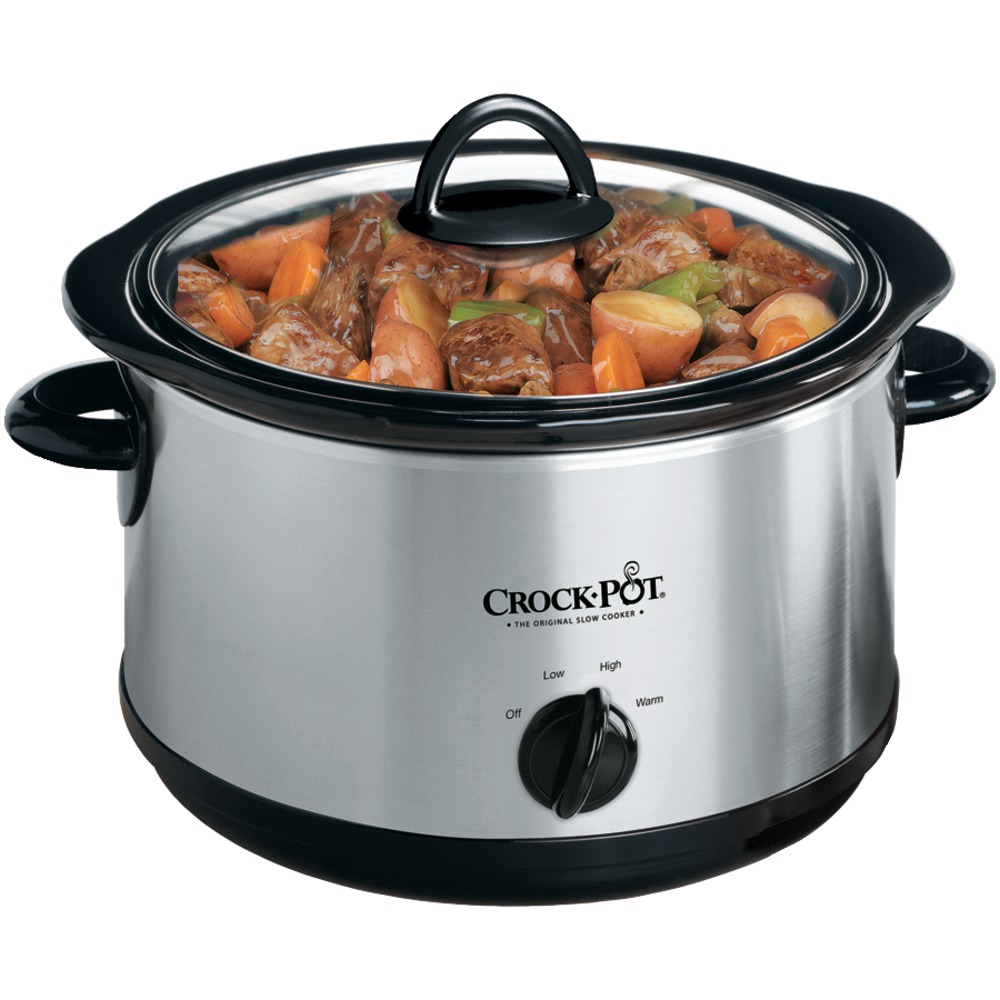
As we move further into the era of the Smart Home, the technology governing crock pot temperatures has migrated from mechanical switches to integrated circuits and digital logic. This shift has transformed a basic heating vessel into a data-driven appliance.
PID Controllers and Temperature Accuracy
Modern high-end slow cookers now utilize Proportional-Integral-Derivative (PID) controllers. This is the same logic used in industrial manufacturing and drone flight stabilization. Instead of a simple “On/Off” switch that causes temperature “overshoot” (where the pot gets too hot and then cools down repeatedly), a PID controller calculates the rate of change. As the ceramic insert approaches the target temperature, the MCU reduces the power increments, “landing” the temperature precisely at the set point with minimal fluctuation. For tech enthusiasts, this level of precision ensures that the internal hardware isn’t stressed by constant thermal expansion and contraction, extending the lifespan of the device.
IoT Integration and Remote Thermal Monitoring
The integration of Wi-Fi and Bluetooth modules into slow cookers has introduced a new layer of software control. Users can now monitor the real-time thermal status of their device via mobile apps. These apps don’t just act as remote controls; they act as data loggers. They can provide push notifications if the internal temperature drops below a safety threshold (usually 140°F) due to a power outage or hardware failure.
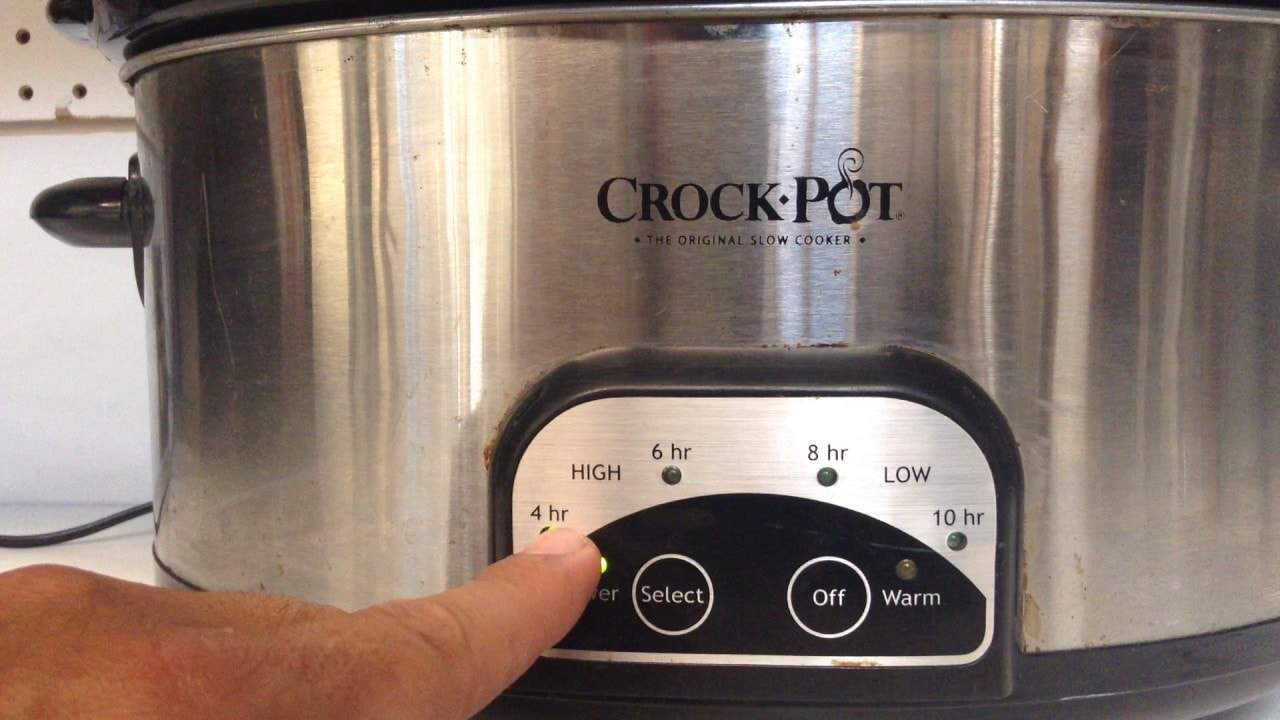
Furthermore, the “Warm” setting on these digital devices is a specific software-controlled state. It is engineered to hold the temperature at a precise 145°F to 165°F, balancing food safety standards with energy conservation. This is managed via low-duty cycle power pulses that keep the thermal battery (the ceramic) topped off without continuing the cooking process.
Safety and Security in Modern Slow Cooker Hardware
With any device that generates heat over a long duration, safety technology is paramount. The engineering must account for both physical thermal runaway and, increasingly, digital vulnerabilities.
Thermal Cutoff Switches and Hardware Failsafes
Every modern crock pot is equipped with a thermal fuse or a TCO (Thermal Cutoff). This is a one-time-use safety component that sits in series with the heating element. If the internal temperature of the housing exceeds a pre-set safety limit—perhaps due to a short circuit or a component failure—the fuse physically melts and breaks the circuit. This hardware-level failsafe is independent of any software, ensuring that even if the digital “brain” of a smart cooker freezes, the device cannot reach temperatures that would pose a fire hazard.
Cybersecurity in the Connected Kitchen
As crock pots join the Internet of Things (IoT), they become potential endpoints in a home network. Tech-savvy consumers must now consider the firmware security of their kitchen gadgets. A compromised smart slow cooker could, in theory, be used as an entry point for a network intrusion or even be remotely manipulated to disable safety alerts.
Manufacturers are responding by implementing encrypted communication protocols (like TLS for cloud syncing) and requiring secure pairing processes. When we ask “what is crock pot temperature” in the 21st century, the answer includes the data packets that transmit that temperature to our smartphones. Ensuring that this data is secure is as important to the modern engineer as the insulation of the copper wiring.
Conclusion: The Precision of the Slow Burn
While the exterior of a crock pot may look like a simple pot, the interior is an intersection of thermodynamics, electrical engineering, and digital logic. The “temperature” of a crock pot is not a single number, but a carefully managed thermal curve designed by engineers to maximize energy efficiency and hardware longevity.
Whether it is the use of PID controllers to prevent thermal overshoot, the application of nichrome resistors for steady heat production, or the implementation of IoT protocols for remote monitoring, the modern slow cooker is a testament to how traditional technology can be refined through modern digital innovation. Understanding the tech behind the temperature allows users to better appreciate the reliability and sophistication of this essential household gadget.
aViewFromTheCave is a participant in the Amazon Services LLC Associates Program, an affiliate advertising program designed to provide a means for sites to earn advertising fees by advertising and linking to Amazon.com. Amazon, the Amazon logo, AmazonSupply, and the AmazonSupply logo are trademarks of Amazon.com, Inc. or its affiliates. As an Amazon Associate we earn affiliate commissions from qualifying purchases.