
In the contemporary landscape of digital marketing and brand strategy, the “fancam” has emerged as one of the most potent instruments for organic reach and community-driven brand building. Originally a niche practice within the global K-pop subculture, the fancam—a short, high-definition video focusing on a specific individual during a live performance—has evolved into a sophisticated marketing asset. It bridges the gap between consumer-generated content and corporate identity, offering brands a blueprint for how to harness the power of hyper-targeted, vertical video content in an era dominated by short-form social media.
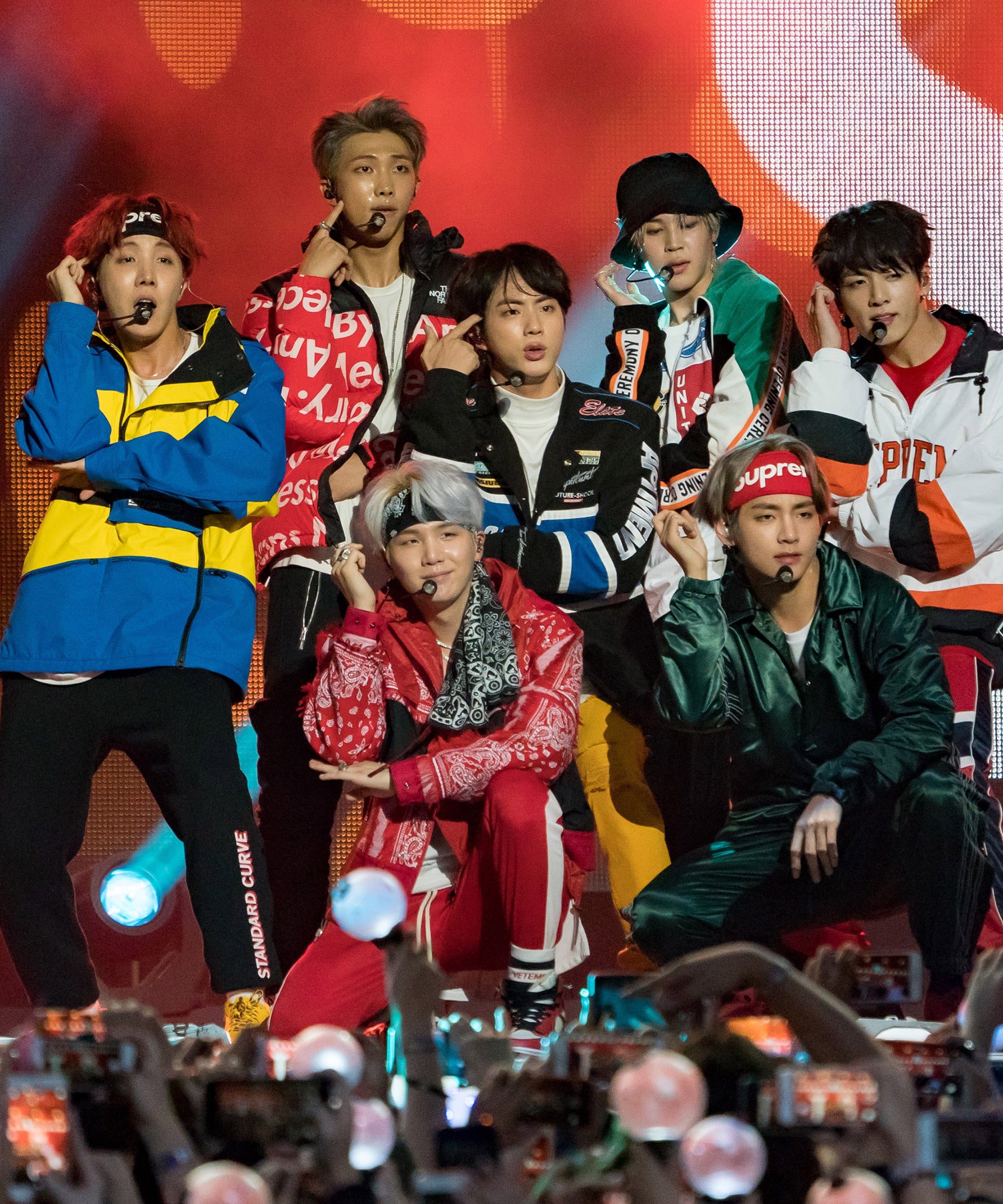
For brand strategists and marketing professionals, understanding the fancam is not merely about acknowledging a pop culture trend; it is about decoding a fundamental shift in how digital audiences consume and amplify brand narratives. It represents the democratization of PR, where the fans—the most loyal consumers—become the primary architects of a brand’s visibility.
The Strategic Evolution of Fan-Generated Content
The concept of fan-generated content (FGC) is not new, but the fancam represents its most refined and effective iteration. Historically, brands controlled their visual output through highly curated advertisements, music videos, and press releases. However, the rise of mobile-first platforms like TikTok, Instagram Reels, and Twitter has shifted the power dynamic.
From Passive Consumption to Active Brand Advocacy
A fancam is more than just a recording; it is a curated “highlight reel” that focuses on a single “brand ambassador” (the performer). In a marketing context, this is equivalent to a product spotlight that ignores the surrounding noise to focus on a singular, high-value feature. When a fan creates and shares a fancam, they are performing a high-level marketing function: they are identifying a “brand’s” strongest asset and disseminating it to a global audience for free.
This transition from passive listening to active content creation represents a pinnacle of brand loyalty. For a brand, this is the ultimate goal—creating a product so compelling that the consumers themselves undertake the labor of production, editing, and distribution.
The Rise of the Vertical Frame
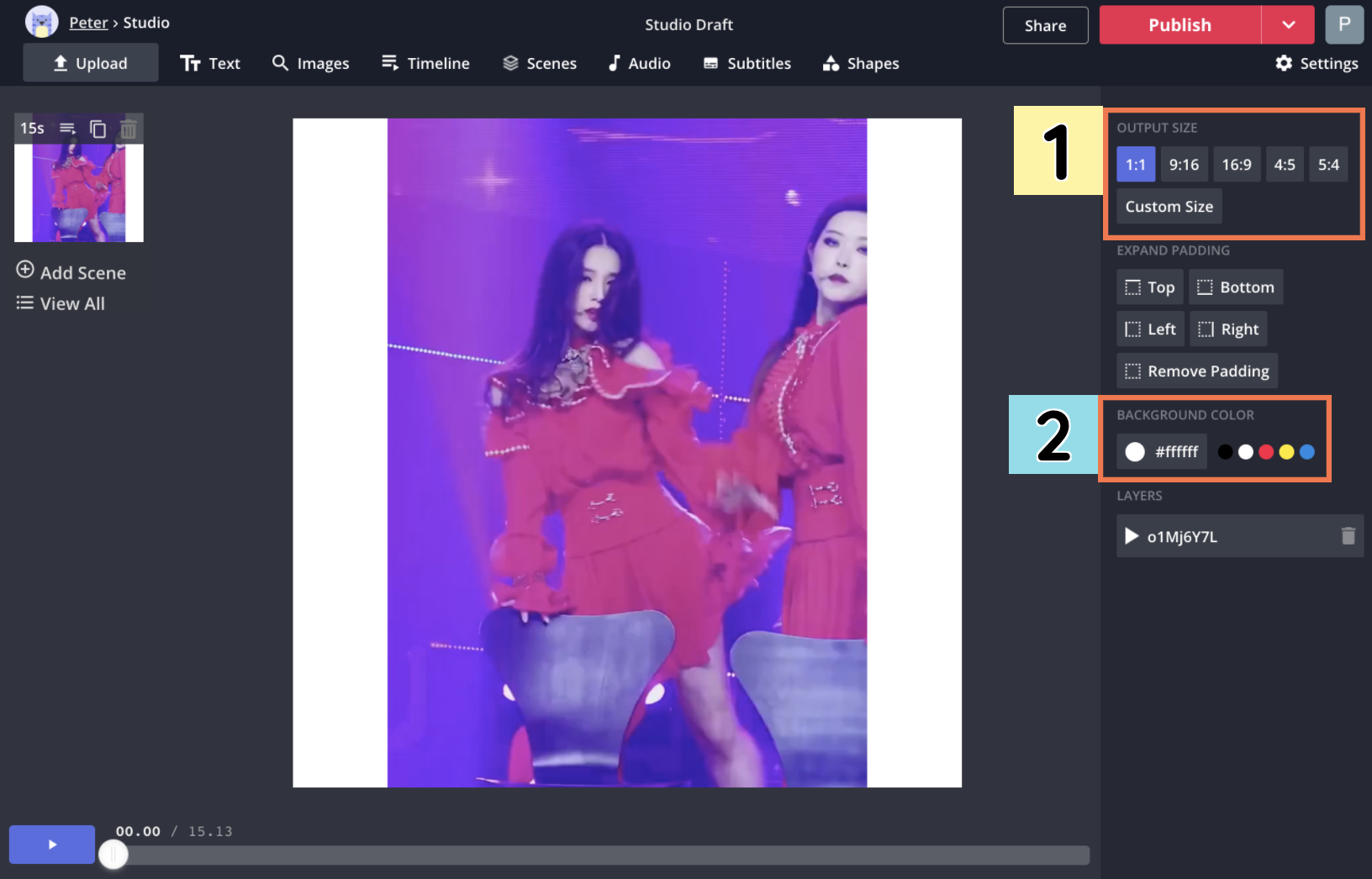
Technologically and aesthetically, the fancam is optimized for the modern mobile experience. By utilizing the 9:16 vertical aspect ratio, fancams create an intimate, immersive experience that fills the user’s screen. From a brand design perspective, this format is highly effective at capturing attention in a crowded feed. It removes distractions and forces the viewer to engage with the subject, mirroring the strategy used in high-conversion social media ads.
The Fancam as a Tool for Personal Branding
Within a group or a corporate structure, individual identities often compete for attention. The fancam solves this by allowing for “micro-branding.” In the context of K-pop, where groups can have upwards of ten members, the fancam allows each member to build a distinct personal brand within the larger corporate identity of the group.
Individual Brand Equity and the “Bias” Economy
In marketing terms, a “bias” is essentially a consumer’s preferred product variation. Fancams allow fans to focus exclusively on their preferred “variation.” This hyper-focus builds massive individual brand equity. When a specific performer goes viral through a fancam, their individual brand value skyrockets, often leading to solo endorsement deals, fashion ambassadorships, and increased marketability for the entire group.
For corporate brands, this demonstrates the importance of highlighting individual “hero” features within a product lineup. By allowing specific elements to shine, the overall brand benefits from the halo effect of that specific element’s success.
Case Study: The EXID “Hani” Phenomenon
The most cited example of the fancam’s marketing power is the 2014 viral video of Hani, a member of the K-pop group EXID. At the time, the group was on the verge of disbandment due to poor commercial performance. However, a fan-recorded video of Hani performing their song “Up & Down” went viral, garnering millions of views.
The result was a total reversal of the group’s fortunes. The song climbed back to the top of the charts, the group’s brand value increased overnight, and they became one of the most sought-after acts in the industry. This was not the result of a multimillion-dollar marketing campaign by their label; it was the result of a single, well-executed fancam. For brand strategists, this is a masterclass in the power of “organic viral loops.”

Algorithmic Leverage and Community-Driven Marketing
Fancams are the engine of modern social media algorithms. Because they are short, visually stimulating, and highly shareable, they generate the engagement metrics—likes, retweets, and watch time—that platforms prioritize.
Hacking Visibility Through Fancam Replies
A controversial but effective marketing tactic involves fans posting fancams in the reply sections of unrelated viral tweets or trending topics. While often viewed as spam, from a brand visibility standpoint, this practice ensures that the “product” is seen by millions of people who are outside the core target demographic. It is a form of aggressive, guerrilla-style digital marketing that keeps the brand in the public eye through sheer volume and persistence.
The Psychology of Authenticity
One of the primary reasons fancams are more effective than official promotional videos is the perception of authenticity. In modern brand strategy, authenticity is the highest currency. Consumers are increasingly skeptical of “over-produced” corporate content. A fancam, recorded by a peer in a live environment, feels “real.” It shows the brand (the performer) in a high-stakes, unedited setting. This transparency builds trust and emotional connection, two of the most critical drivers of long-term brand loyalty.
Implementing Fancam Strategies in Corporate Marketing
While the fancam originated in the music industry, its principles are universally applicable to brand strategy and digital marketing. Brands in tech, fashion, and even B2B sectors can learn from the “fancam methodology.”
Embracing User-Generated Content (UGC)
Brands should move away from trying to control every aspect of their image and instead empower their “fans” (customers) to create content. This can be achieved through:
- Design for Capture: Creating products, packaging, or events that are inherently “fancam-friendly”—visually striking and optimized for vertical video.
- Incentivizing Creativity: Encouraging users to share their own “fancams” of product launches or brand experiences.
- Relinquishing Control: Allowing the community to define the brand’s narrative through their own lenses.
The Shift Toward “Short-Form Focus”
Traditional marketing often tries to communicate too many messages at once. The fancam succeeds because it does one thing perfectly: it focuses on one subject. Brands should adopt this “single-focus” strategy for their social media content. Instead of a 30-second ad covering five features, a 7-second “fancam-style” clip focusing on one specific visual or functional element is likely to achieve higher engagement and recall.
The Future of Fancams: AI and Personalization
As we look toward the future of digital marketing, the fancam is likely to become even more integrated into brand strategy through the use of AI and personalized technology.
AI-Generated Fancams
We are already seeing the emergence of AI tools that can track a specific individual in a multi-person shot and automatically generate a vertical “fancam” from a horizontal wide-shot. For brands, this means the ability to create personalized content at scale. Imagine a tech conference where AI automatically generates “fancams” of different speakers for their respective followers, or a fashion show where the camera follows specific garments based on user preference.
The Synthesized Brand Experience
The ultimate evolution of the fancam is the synthesis of the brand and the consumer. As platforms integrate more interactive features, the “fancam” will move from a static video to an interactive experience. Users may be able to toggle between different “fancam” angles during a live-streamed product launch, essentially acting as their own director.
Conclusion
The fancam is far more than a social media trend; it is a sophisticated evolution of brand engagement that leverages the power of community, the intimacy of vertical video, and the efficiency of algorithmic distribution. It represents a world where the consumer is the marketer, and the brand’s role is to provide the “performance” worth capturing.
By understanding the mechanics of the fancam—its focus on individual brand equity, its use of the vertical frame, and its reliance on authentic engagement—modern brand strategists can build more resilient, visible, and loved brands in the digital age. In the end, the fancam teaches us that the most powerful marketing isn’t what the brand says about itself, but what the fans show the world.
aViewFromTheCave is a participant in the Amazon Services LLC Associates Program, an affiliate advertising program designed to provide a means for sites to earn advertising fees by advertising and linking to Amazon.com. Amazon, the Amazon logo, AmazonSupply, and the AmazonSupply logo are trademarks of Amazon.com, Inc. or its affiliates. As an Amazon Associate we earn affiliate commissions from qualifying purchases.