
In the complex landscape of modern building services and climate control, few components are as fundamental—yet often misunderstood—as the fan coil unit (FCU). As the invisible workhorses of commercial and high-end residential HVAC systems, fan coils bridge the gap between central plant efficiency and individualized comfort. Understanding how these devices function, integrate with broader building management systems, and impact overall energy performance is essential for facility managers, engineers, and property developers alike.
The Anatomy and Core Functionality of a Fan Coil
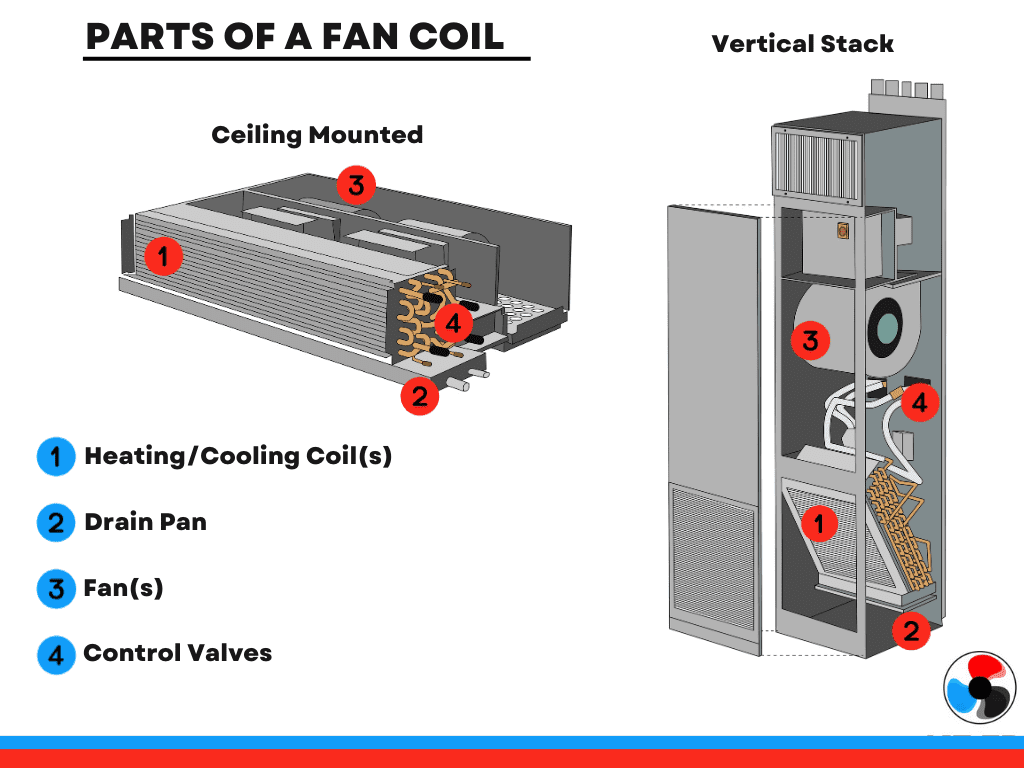
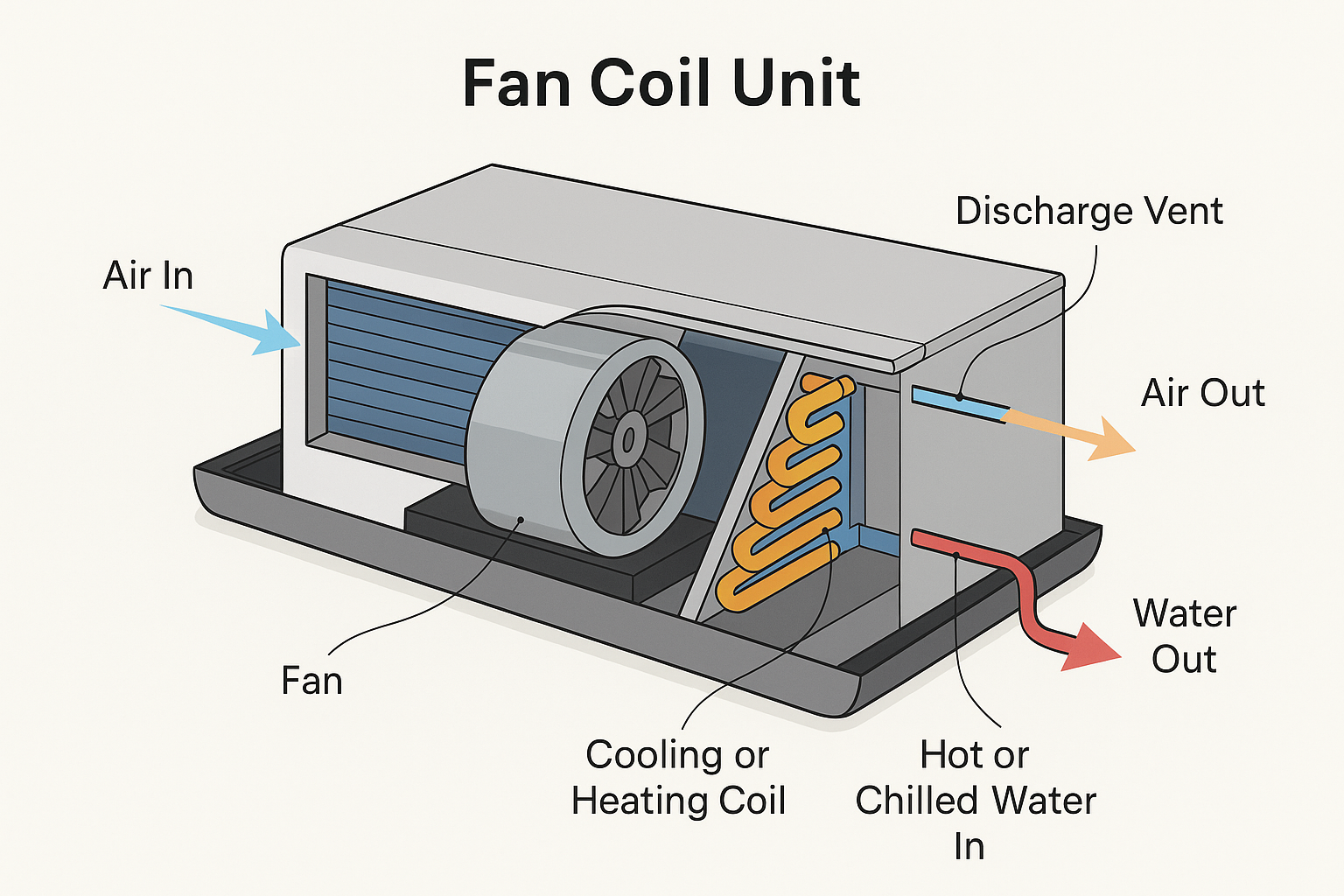
At its most basic level, a fan coil unit is a simplified HVAC device consisting of a heating or cooling heat exchanger (the coil) and a fan. Despite its apparent simplicity, the FCU is a sophisticated thermal delivery mechanism that provides localized temperature control by moving air across a coil filled with chilled or heated water supplied by a central plant.
The Thermal Exchange Process
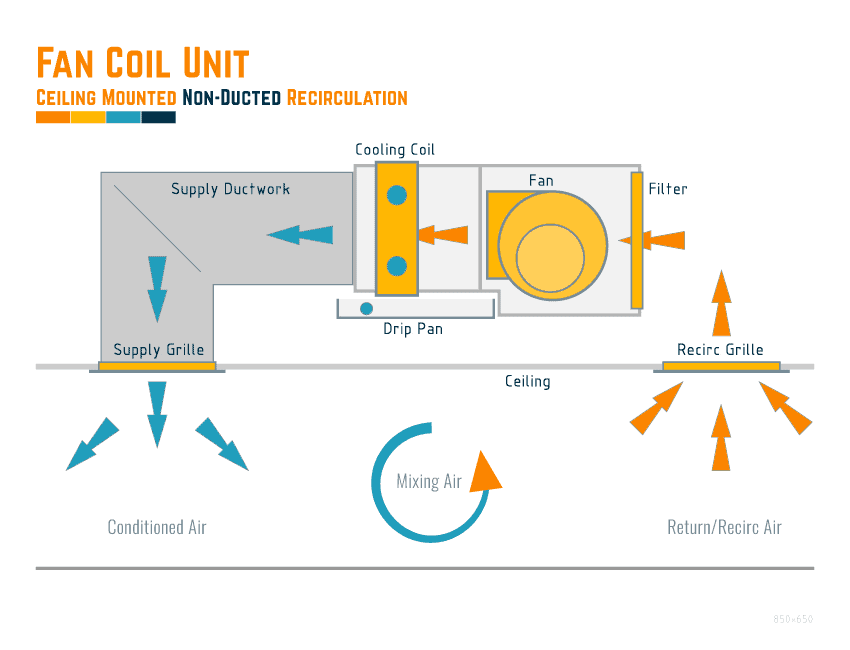
The operational heart of the unit is the heat exchanger. Water—either chilled for cooling or heated for warmth—circulates through copper tubing, which is bonded to aluminum fins. The fan draws air from the room or a mixture of room and outdoor air, forcing it through these fins. As the air passes over the heat exchanger, it undergoes a temperature change, either shedding or absorbing thermal energy. The conditioned air is then discharged back into the space, effectively balancing the ambient temperature to meet the set point dictated by the occupant.
Configuration and Design Variations
Fan coils are highly modular, designed to adapt to the architectural constraints of the space they serve. They are typically categorized by their orientation and installation method:
- Horizontal Concealed: Often tucked away within a ceiling plenum, these are ideal for office buildings where aesthetics demand the unit remains hidden behind a drop ceiling.
- Vertical Exposed: These units are common in hotels or residential high-rises where the unit sits beneath a window, doubling as a piece of functional infrastructure that blends into the interior decor.
- Cassette Units: These are designed to be flush-mounted into ceiling tiles, providing a 360-degree distribution of air that is highly effective in retail or open-plan office environments.
Integration into Advanced Building Systems
In the era of smart buildings and stringent environmental regulations, the fan coil is no longer a “dumb” terminal device. It has evolved into a critical node in the building’s overall control network. Modern fan coils are now integrated with sophisticated sensors and Building Management Systems (BMS) to optimize energy consumption while maintaining occupant comfort.
Precision Control and Variable Air Volume
Earlier iterations of fan coils relied on constant-speed fans and simple on/off valves, which were inherently inefficient. Today’s high-performance units utilize Electronically Commutated (EC) motors. These motors allow for variable speed control, meaning the fan speed can ramp up or down based on the actual cooling or heating demand of the room. This reduction in fan energy consumption is one of the most effective ways to lower the carbon footprint of a commercial building.
Furthermore, by utilizing modulating valves rather than standard binary valves, the system can regulate the flow of water through the coil with extreme precision. Instead of simply blasting air at maximum capacity, the unit modulates the water flow to maintain a steady temperature, preventing the “cycling” effect that causes discomfort and wastes energy.
Connectivity and Predictive Maintenance
Modern fan coil systems now frequently communicate via protocols such as BACnet or Modbus. This digital connectivity allows facility managers to monitor the performance of every unit in a building from a centralized dashboard. If a coil begins to show signs of fouling—detected by a discrepancy between water temperature and air discharge temperature—the system can flag a maintenance alert before the unit fails. This transition from reactive to predictive maintenance significantly extends the equipment lifecycle and minimizes the financial impact of unexpected repairs.
Efficiency, Sustainability, and Operational Impact
The role of the fan coil in modern sustainable construction cannot be overstated. As the building industry faces increasing pressure to achieve “Net Zero” status, the efficiency of terminal units becomes a focal point for engineers.
The Role of Hydronics in Energy Savings
Fan coils are part of a hydronic system, which is fundamentally more efficient than all-air systems. Water is a much more effective medium for transporting thermal energy than air; it requires less pumping energy to move a specific amount of “cooling” or “heating” capacity through a building than it does to push equivalent volumes of air through massive ductwork. By utilizing fan coils, buildings can significantly downsize their air distribution systems, which in turn reduces the space required for mechanical shafts and increases the leasable square footage of the property.
Indoor Air Quality (IAQ) and Filtration
Post-pandemic building standards have placed a renewed emphasis on Indoor Air Quality. Fan coils serve as a primary interface for air filtration. While standard units often utilize basic MERV-rated filters, modern designs allow for the integration of high-efficiency particulate air (HEPA) filters or ultraviolet-C (UVC) lighting arrays within the unit casing. These enhancements ensure that the air being circulated through the space is not only at the correct temperature but is also sanitized and free from common airborne contaminants. Balancing this enhanced filtration with the fan’s static pressure capabilities is a core challenge in modern FCU design, requiring a careful calibration of motor power and filter density.
Strategic Considerations for Facility Lifecycle Management
Choosing the right fan coil system is a strategic decision that affects a building’s operational expenditure (OpEx) for decades. When selecting or upgrading these systems, several technical considerations must be weighed against the long-term financial goals of the asset owner.
Noise Criteria and Occupant Comfort
In office environments and luxury residential settings, the acoustic footprint of an HVAC unit is a critical quality metric. Fan coils must be specified according to stringent Noise Criteria (NC) ratings. The interaction between the fan, the motor, and the air discharge grilles generates a specific sound profile. High-quality installations prioritize sound attenuation, utilizing insulated cabinets and anti-vibration mounts. A failure to address the acoustic impact of an FCU often leads to occupant complaints, which can decrease the perceived value and desirability of a space.
Retrofitting and System Compatibility
For existing buildings undergoing renovation, the fan coil is often the most logical choice for system upgrades. Because fan coils operate on a “decoupled” basis—meaning each unit works independently of its neighbors—it is possible to replace units in stages or specific zones without shutting down the entire building’s climate system. This modularity provides a massive advantage for brownfield projects where minimizing operational downtime is essential. When retrofitting, engineers must analyze the existing piping infrastructure to ensure that the new, more efficient units can operate effectively within the flow and pressure constraints of the legacy plumbing.
Future-Proofing for Environmental Standards
As building codes tighten, the “intelligence” embedded in the fan coil will determine whether a building remains competitive or becomes obsolete. Integrating smart thermostats that utilize occupancy sensors, for instance, allows fan coils to enter “standby mode” when a room is vacant. This simple software-driven change can yield double-digit percentage savings on utility bills. Furthermore, as the industry moves toward low-GWP (Global Warming Potential) refrigerants and lower water temperatures, fan coil design is adapting to handle these thermodynamic shifts, ensuring that the infrastructure installed today remains compatible with the cooling technologies of tomorrow.
By treating the fan coil not as a peripheral component, but as a core element of a building’s digital and environmental infrastructure, property stakeholders can ensure that they are investing in long-term performance rather than short-term cost-cutting. The fan coil is the final, vital link in the chain that delivers comfort to the occupant, and its proper application is the hallmark of a well-engineered building.
aViewFromTheCave is a participant in the Amazon Services LLC Associates Program, an affiliate advertising program designed to provide a means for sites to earn advertising fees by advertising and linking to Amazon.com. Amazon, the Amazon logo, AmazonSupply, and the AmazonSupply logo are trademarks of Amazon.com, Inc. or its affiliates. As an Amazon Associate we earn affiliate commissions from qualifying purchases.