
In the landscape of global finance, few metrics are as scrutinized as the exchange rate between the Euro (EUR) and the United States Dollar (USD). Representing the two largest economic blocs in the world—the Eurozone and the United States—this currency pair is the most liquid and heavily traded in the foreign exchange (Forex) market. For a traveler planning a trip to Paris, an investor looking at international equities, or a business owner importing goods from Germany, understanding what a Euro is compared to a Dollar is more than just a mathematical exercise; it is a fundamental pillar of financial literacy.
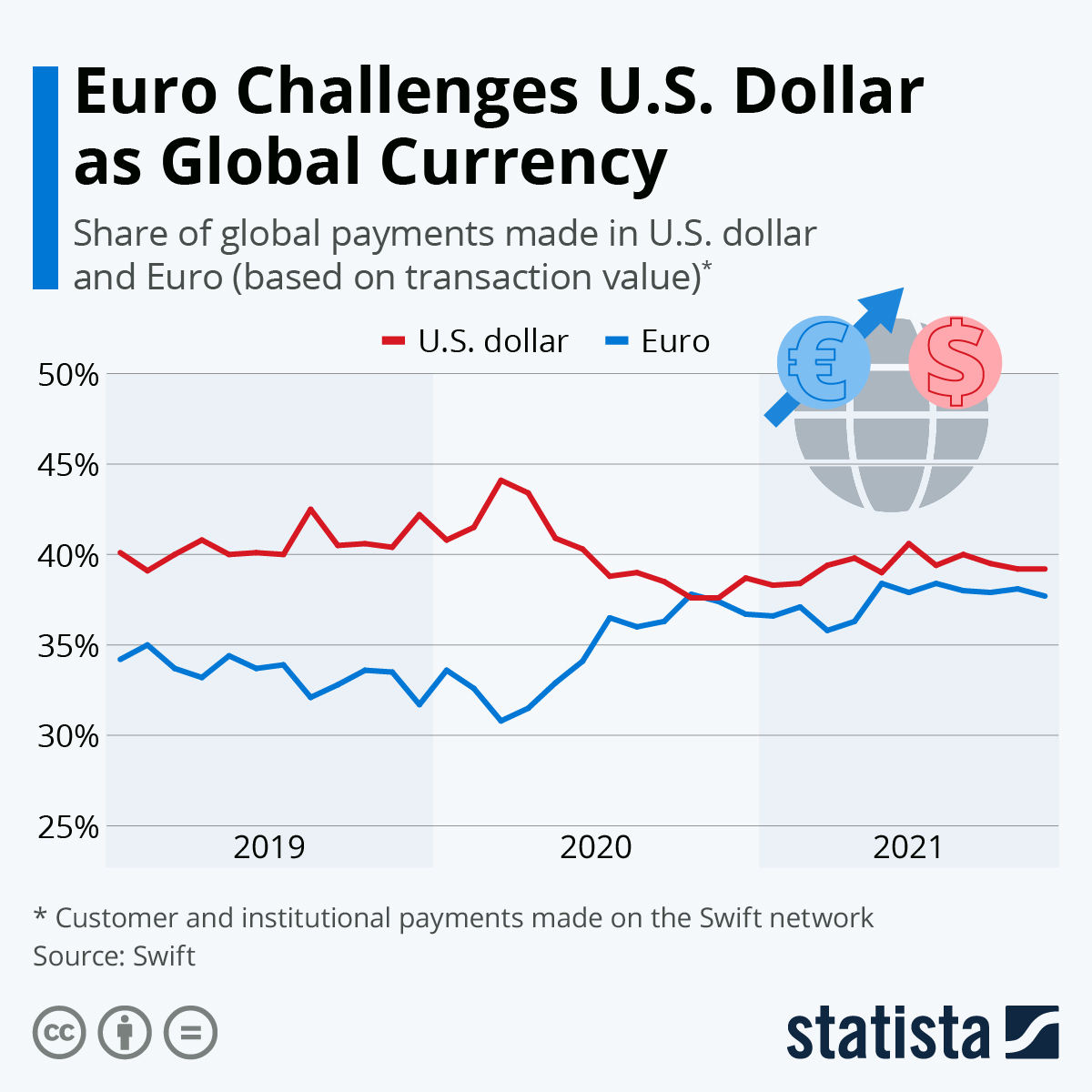
At its core, the relationship between these two currencies is a reflection of relative economic health, central bank policy, and geopolitical stability. This article provides a deep dive into the mechanics of the EUR/USD pair, the factors that drive its fluctuation, and how its movements impact your personal and professional finances.
Understanding the Fundamental Mechanics of the EUR/USD Pair
To understand what a Euro is compared to a Dollar, one must first understand how currency pairs are quoted. In the world of finance, currencies are never valued in a vacuum; they are always measured against another currency.
The Anatomy of the Quote: Base vs. Quote Currency
In the EUR/USD pair, the Euro is the “base currency,” and the U.S. Dollar is the “quote currency.” When you see a quote such as “EUR/USD = 1.08,” it means that one Euro is equivalent to 1.08 U.S. Dollars. If the number increases, the Euro is strengthening (or the Dollar is weakening), because it now takes more Dollars to purchase a single Euro. Conversely, if the number drops, the Euro is losing value relative to the Greenback.
A Brief History of the Euro-Dollar Relationship
The Euro was introduced as a virtual currency in 1999 and entered physical circulation in 2002. Since its inception, its value against the Dollar has fluctuated significantly. Historically, the Euro has often been “stronger” than the Dollar—meaning one Euro typically buys more than one Dollar. It reached an all-time high of approximately $1.60 in 2008. However, economic crises, differing interest rate environments, and shifts in global trade have occasionally brought the two currencies toward “parity,” where one Euro equals exactly one Dollar.
Factors That Influence the Value of a Euro Relative to a Dollar
The exchange rate is not a static number; it is a living reflection of the global economy. Several macroeconomic levers determine whether the Euro climbs or falls against the Dollar.
Central Bank Policies and Interest Rates
The most significant driver of the EUR/USD rate is the difference in interest rates set by the Federal Reserve (the Fed) in the U.S. and the European Central Bank (ECB) in the Eurozone. Money tends to flow where it can earn the highest return. If the Federal Reserve raises interest rates while the ECB keeps them low, global investors will flock to U.S. Treasury bonds and other Dollar-denominated assets. To buy these assets, they must sell Euros and buy Dollars, which increases the demand for the Dollar and pushes its value up.
Economic Performance and Growth Indicators
Currency traders look at Gross Domestic Product (GDP), employment data, and manufacturing indexes to gauge economic strength. A robust U.S. economy usually bolsters the Dollar. On the other hand, if the major economies of the Eurozone—such as Germany and France—show strong industrial production and low unemployment, the Euro becomes more attractive. Inflation also plays a critical role: high inflation usually erodes purchasing power, but it often prompts central banks to raise interest rates, which can paradoxically strengthen the currency in the short term.
Geopolitical Stability and Safe-Haven Status
The U.S. Dollar is widely considered the world’s “reserve currency” and a “safe haven.” During times of global uncertainty, war, or financial instability, investors often dump riskier assets and move their capital into Dollars. This “flight to quality” can cause the Dollar to appreciate against the Euro, even if the U.S. economy itself is facing challenges. Because the Eurozone consists of 20 different nations with a unified monetary policy but separate fiscal policies, political instability in any major member state can lead to Euro depreciation.
The Concept of Parity and Its Financial Implications
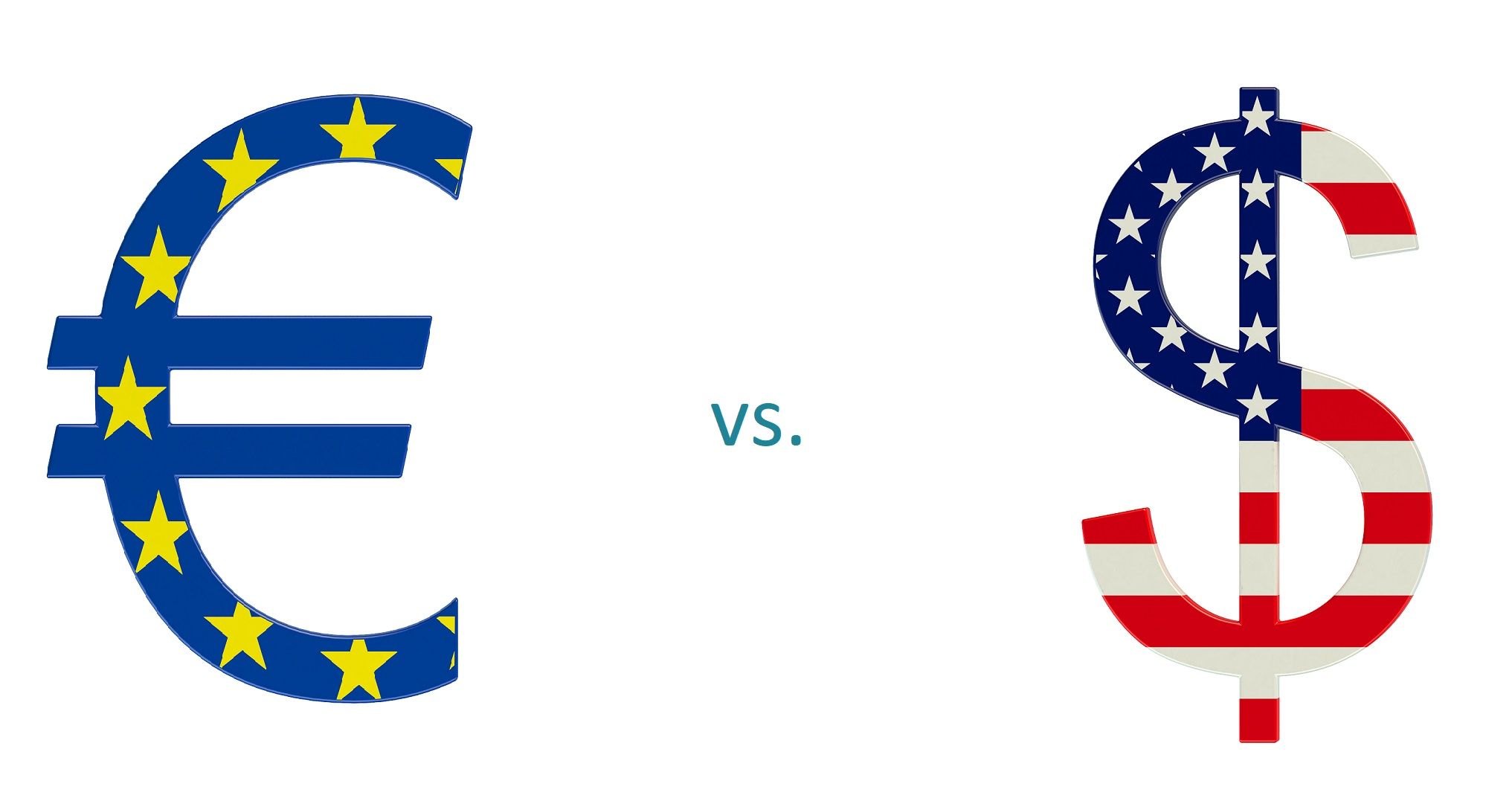
“Parity” occurs when the exchange rate is exactly 1.00. While it is just a number, the psychological and economic implications of the Euro and Dollar being equal are profound.
The Psychological Barrier of 1:1
For decades, the Euro was perceived as a more “expensive” currency than the Dollar. When the Euro falls to or below parity, it signals a significant shift in global economic sentiment. It often suggests that investors are deeply concerned about the Eurozone’s growth prospects or that the U.S. economy is exceptionally dominant. For businesses, parity simplifies price comparisons but often signals a period of intense volatility.
Winners and Losers of a Weak Euro
When the Euro is weak (close to or below the Dollar), there are clear winners and losers:
- Winners: European exporters (like German car manufacturers or Italian luxury brands) benefit because their goods become cheaper for American consumers, driving up sales.
- Losers: European consumers and businesses that import raw materials (like oil, which is priced globally in Dollars) suffer. A weak Euro makes these imports more expensive, which can contribute to “imported inflation” within Europe.
How the Exchange Rate Affects Your Personal and Business Finances
Whether you are an individual saver or a corporate treasurer, the fluctuations between the Euro and the Dollar have tangible effects on your bottom line.
Travel and International Purchasing Power
For the average person, the most direct impact is felt during travel. If the Euro is at $1.20, a €100 dinner in Rome will cost an American traveler $120. If the Euro drops to $1.05, that same dinner costs only $105. For Americans, a “strong Dollar” is a boon for European vacations. For Europeans, a strong Dollar makes a trip to New York or Disney World significantly more expensive.
Investment Portfolios and Currency Risk
Investors who hold international stocks must account for currency risk. If you are a U.S.-based investor owning shares in a French company, your total return is calculated by the stock’s performance plus the change in the currency. If the stock goes up by 10% but the Euro weakens against the Dollar by 10%, your net gain in Dollar terms is wiped out. Diversifying across different currencies can hedge against the domestic inflation of a single country, but it requires a keen eye on the EUR/USD trend.
Corporate Hedging and Profit Margins
Multinational corporations often use financial instruments to lock in exchange rates months in advance. A U.S. company expecting a large payment in Euros six months from now might fear the Euro will lose value in the meantime. By using “forward contracts” or “options,” they can guarantee a specific exchange rate, ensuring that their profit margins remain predictable regardless of market swings.
Strategies for Navigating Currency Volatility
In a globalized economy, ignoring the Euro-to-Dollar relationship is a risk. Developing a strategy to manage this volatility is essential for long-term financial health.
Using Hedging Tools for Small Businesses
You don’t have to be a Fortune 500 company to manage currency risk. Digital banks and fintech platforms now offer “multi-currency accounts” that allow small business owners and freelancers to hold both Euros and Dollars. By keeping earnings in their original currency and only converting when the rate is favorable, individuals can avoid the “hidden tax” of poor exchange rates.
Timing the Market vs. Long-term Diversification
While it is tempting to try and “time” the market—waiting for the Euro to hit a specific low before exchanging money—this is notoriously difficult even for professional traders. A more sustainable approach for most people is “Dollar-cost averaging” for currency needs. If you know you will need Euros in the future, convert small amounts at regular intervals to average out the volatility.
The Role of Financial News and Analysis
To stay ahead of the EUR/USD curve, one must follow the calendars of the Federal Reserve and the ECB. Pay attention to the “dot plots” from the Fed and the policy statements from the ECB President. These communications often contain the “forward guidance” that tells the market where interest rates—and by extension, the exchange rate—are headed next.
In conclusion, the Euro compared to the Dollar is far more than a simple number on a screen. It is a complex barometer of geopolitical power, economic productivity, and monetary policy. By understanding the forces that move the EUR/USD pair, you can make more informed decisions about your travel, your investments, and your business operations, ensuring that you are positioned to thrive no matter which way the economic winds blow.
aViewFromTheCave is a participant in the Amazon Services LLC Associates Program, an affiliate advertising program designed to provide a means for sites to earn advertising fees by advertising and linking to Amazon.com. Amazon, the Amazon logo, AmazonSupply, and the AmazonSupply logo are trademarks of Amazon.com, Inc. or its affiliates. As an Amazon Associate we earn affiliate commissions from qualifying purchases.