
At its core, a deed in trust, often simply referred to as a deed of trust, is a financial instrument integral to real estate transactions, functioning as an alternative to a traditional mortgage in many jurisdictions. It serves to secure a loan by placing the legal title to a property with a neutral third party, known as a trustee, until the debt owed to the lender is fully repaid. Understanding this mechanism is crucial for anyone involved in real estate finance, whether as a borrower, lender, or investor, as it dictates the rights, responsibilities, and financial risks associated with property ownership and debt.

The Foundational Role in Real Estate Finance
A deed of trust is fundamentally a security instrument. Its primary purpose is to provide the lender (beneficiary) with a claim against the property should the borrower (grantor) fail to meet their loan obligations. Unlike a mortgage, which typically involves only two parties—the borrower and the lender—a deed of trust introduces a crucial third party: the trustee.
Defining the Security Instrument
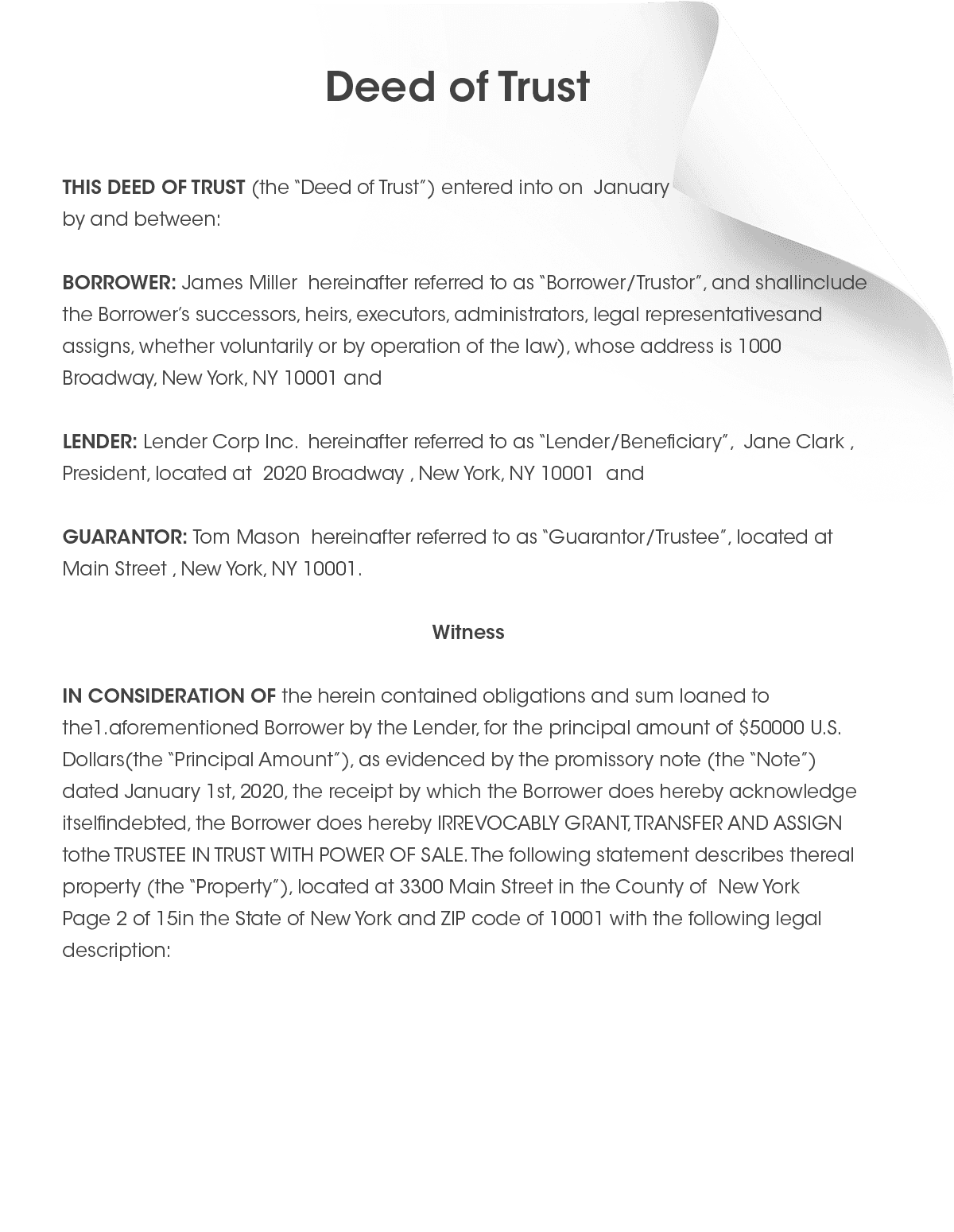
In the realm of real estate finance, a deed of trust is a legal document that evidences a property’s transfer of legal title from a borrower to a trustee. This transfer is conditional; it remains in effect only until the borrower repays the debt. Once the loan is satisfied, the trustee reconveys the legal title back to the borrower, extinguishing the lien. This mechanism offers a robust framework for securing loans, particularly for real estate purchases, by providing the lender with a defined recourse in the event of default.
The Three-Party Structure
The unique three-party arrangement is what distinguishes a deed of trust and shapes its financial implications:
- Grantor (Borrower): This is the individual or entity taking out the loan and acquiring the property. The grantor retains equitable title, meaning they have the right to use and enjoy the property, and the right to regain full legal title upon loan repayment.
- Beneficiary (Lender): This is the financial institution or individual providing the loan. The beneficiary holds the promissory note, which is the actual promise to repay the debt, and benefits from the security provided by the deed of trust.
- Trustee (Neutral Third Party): Typically an attorney, a title company, or a financial institution, the trustee holds the naked legal title to the property. This means the trustee has no beneficial interest in the property itself but acts solely on behalf of both the grantor and the beneficiary according to the terms of the deed of trust. Their role is to ensure the loan is either repaid or, in the event of default, to facilitate the foreclosure process.
How It Differs from a Traditional Mortgage
The primary distinction between a deed of trust and a mortgage lies in how legal title is handled and the subsequent implications for foreclosure. In a traditional mortgage, the borrower retains both legal and equitable title to the property, and the lender holds a lien against the property. If the borrower defaults, the lender must typically go through a judicial foreclosure process, which involves court proceedings. In contrast, with a deed of trust, the legal title is transferred to a trustee. This difference often allows for a non-judicial foreclosure process, a critical financial advantage for lenders in states where deeds of trust are prevalent.
Financial Mechanisms and Loan Management
The deed of trust plays an active role throughout the life cycle of a real estate loan, from its inception to its final repayment or, in unfortunate circumstances, its default. Understanding these financial mechanics is essential for managing expectations and mitigating risks.
Securing the Loan
When a loan secured by a deed of trust is originated, the deed is recorded in the public records of the county where the property is located. This recording serves as public notice of the lender’s security interest in the property. It establishes the priority of the lien, meaning that in the event of a sale or foreclosure, the debt secured by the deed of trust will be satisfied before junior liens. This priority is a cornerstone of real estate finance, providing certainty to lenders and influencing property valuations.
Servicing the Debt
During the loan term, the borrower makes regular payments to the beneficiary (lender) as per the terms of the promissory note. The trustee’s role remains largely passive during this period, holding the legal title but not interfering with the borrower’s use or enjoyment of the property. The financial relationship is directly between the borrower and the lender, with the deed of trust serving as the underlying security blanket.
Release of Lien Upon Full Payment
One of the most satisfying financial milestones for a homeowner is paying off their mortgage. When the borrower fully satisfies the loan obligations, the beneficiary (lender) notifies the trustee. The trustee then executes and records a “reconveyance deed” or “deed of release.” This document officially transfers the legal title back from the trustee to the borrower, clearing the property of the lien and confirming the borrower’s unencumbered ownership. This final step is crucial for the borrower to have clear title, which is necessary for future sales or refinancing.
Default, Foreclosure, and Financial Risk
While the ideal scenario involves timely loan repayment, financial difficulties can lead to default. This is where the specific structure of a deed of trust has significant financial implications, particularly concerning the foreclosure process.
The Triggering Event of Default
A default occurs when the borrower fails to meet the terms of the promissory note or the deed of trust. The most common trigger is non-payment of monthly installments, but defaults can also arise from failures to maintain property insurance, pay property taxes, or adhere to other covenants outlined in the loan documents. Once a default occurs, the lender typically issues a notice of default, initiating the process to protect their financial interest.
Non-Judicial Foreclosure Explained
A key financial advantage for lenders using deeds of trust is the ability to conduct a non-judicial foreclosure, also known as a “power of sale” foreclosure, in many states. This process typically unfolds as follows:
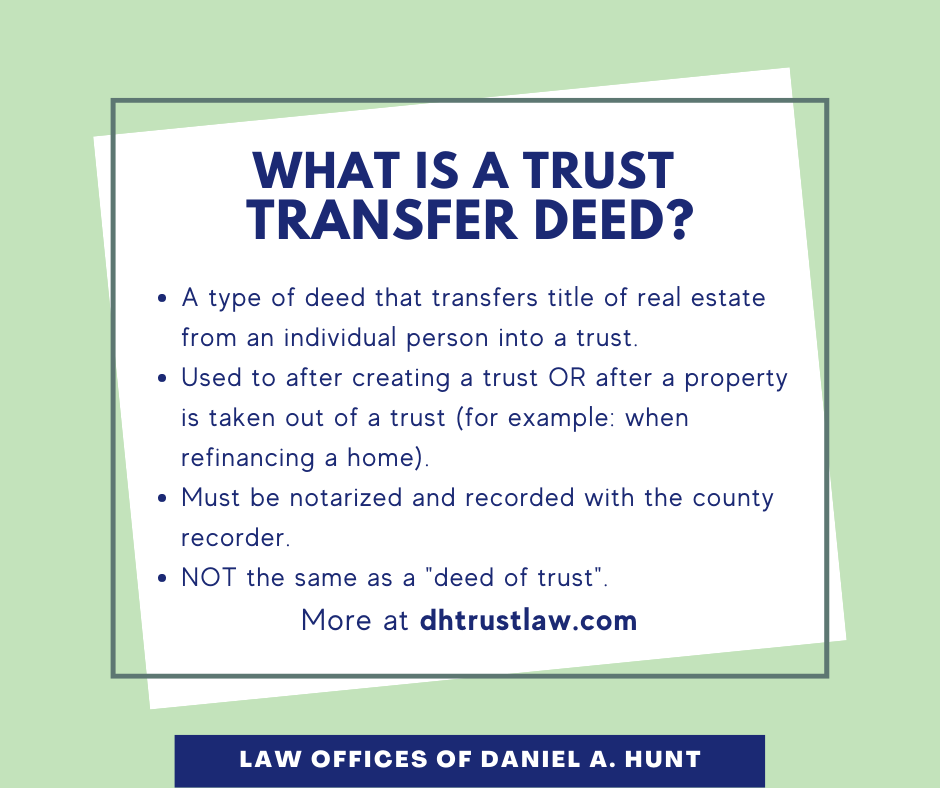
- Process: Upon default, the lender instructs the trustee to initiate foreclosure. The trustee records a Notice of Default and then, after a legally mandated waiting period, issues a Notice of Sale. This notice specifies the date, time, and location of a public auction where the property will be sold to the highest bidder to satisfy the outstanding debt. The process bypasses the court system, making it generally faster and less expensive for the lender.
- Financial Implications: For lenders, non-judicial foreclosure significantly reduces legal costs and accelerates the recovery of assets, improving their overall risk management and capital efficiency. For borrowers, the speed of this process means less time to remedy the default, sell the property voluntarily, or seek alternative financing.
- Impact on Borrower: Borrowers in states with non-judicial foreclosure laws often have fewer legal avenues for challenging the foreclosure compared to those in judicial foreclosure states. This can result in a quicker loss of property and less opportunity for court-ordered mediation or restructuring of the debt.
Financial Risks and Protections for Borrowers
While non-judicial foreclosure favors lenders, borrowers are not entirely without protection, though these vary significantly by state:
- Deficiency Judgments: After a foreclosure sale, if the property sells for less than the outstanding debt, the lender may seek a “deficiency judgment” against the borrower for the difference. However, many states have anti-deficiency laws, especially for purchase-money mortgages, which protect borrowers from this additional liability after non-judicial foreclosure. Understanding these laws is critical for a borrower’s financial planning.
- Right of Reinstatement/Redemption: Some states allow borrowers a limited period (e.g., 3-5 months after notice of default) to “reinstate” the loan by paying all missed payments, late fees, and foreclosure costs. A “right of redemption” after the sale is less common in non-judicial foreclosures but may exist in some form, allowing the borrower to buy back the property within a certain timeframe. These rights offer a narrow window for borrowers to salvage their financial position.
Strategic Considerations for Lenders and Borrowers
The choice between a mortgage and a deed of trust, or rather, the prevalence of one over the other, is not arbitrary. It involves strategic financial calculations and hinges heavily on jurisdictional laws and market practices.
Lender Preference and Market Dynamics
Lenders in states where deeds of trust are common often prefer them due to the efficiency and lower cost of non-judicial foreclosure. This streamlined process reduces the financial risk associated with defaults, which can, in turn, influence interest rates or loan terms offered to borrowers. A more predictable and faster recovery mechanism for collateral allows lenders to price their loans more competitively.
Borrower Due Diligence
For borrowers, signing a deed of trust necessitates a thorough understanding of the specific foreclosure laws in their state. It’s crucial to compare the implications with mortgage options, if available, especially regarding default procedures and borrower protections. Financial advisors and legal counsel are invaluable resources in navigating these complexities, ensuring borrowers fully grasp their obligations and potential risks.
Geographic Variability
It is paramount to recognize that deeds of trust are not universally used across the United States. They are the predominant security instrument in many western and southwestern states (e.g., California, Texas, Arizona, Washington, Virginia), while other states primarily use mortgages (e.g., New York, Florida). This geographical distinction is a critical financial factor affecting lending practices, property rights, and default resolutions, making local expertise indispensable.
Role in Specific Transactions
Beyond conventional home loans, deeds of trust are also utilized in various other financial transactions. For example, they are sometimes employed in seller-financed deals, where the seller acts as the lender, finding the non-judicial foreclosure mechanism advantageous for securing their investment. They can also be found in commercial real estate financing, where sophisticated lenders and borrowers may opt for the expedited default resolution process.
Beyond the Basics: Advanced Financial Insights
Delving deeper, a deed of trust can manifest in more complex financial instruments or require specific advisory for optimal financial management.
All-Inclusive Deed of Trust (AITD)
A more intricate form, an All-Inclusive Deed of Trust (AITD), or Wrap-Around Mortgage, is often used in seller financing. In an AITD, the buyer makes payments to the seller, who then continues to make payments on the original loan that remains in place. The AITD ‘wraps around’ the existing financing, creating a second lien. This instrument allows for creative financing solutions but introduces additional layers of financial risk and complexity for both parties, demanding careful structuring and legal review.
Impact on Credit and Future Finances
Foreclosure, regardless of whether it’s judicial or non-judicial, has a severe and lasting impact on a borrower’s credit score. A foreclosure can remain on a credit report for up to seven years, significantly hindering the ability to secure future loans for homes, cars, or even certain jobs. The financial repercussions extend beyond the loss of the property, affecting overall financial health and access to capital for a considerable period.
Legal and Financial Advisory
Given the significant financial stakes involved with deeds of trust, particularly concerning real estate investments and potential defaults, consulting with qualified legal and financial professionals is not merely advisable but essential. Attorneys specializing in real estate and finance can provide clarity on state-specific laws, review loan documents, and advise on strategies for managing risks or navigating foreclosure proceedings. Financial advisors can help borrowers understand the long-term credit and financial planning implications.
The Trustee’s Financial Role
While the trustee is impartial, their services come with associated fees, typically paid by the borrower as part of the loan closing costs or, in the event of foreclosure, from the proceeds of the sale. Trustees operate under specific regulatory frameworks to ensure their impartiality and adherence to legal procedures. Their ability to efficiently execute their duties directly impacts the financial outcomes for both lenders and borrowers during the life of the loan and especially during a default situation.
In conclusion, a deed of trust is a powerful and prevalent financial instrument in real estate, offering distinct advantages and challenges compared to traditional mortgages. Its three-party structure, efficient non-judicial foreclosure process in many states, and specific financial implications make it a cornerstone of property finance in the jurisdictions where it is employed. A thorough understanding of its mechanics and risks is indispensable for informed decision-making in the world of money and real estate.
aViewFromTheCave is a participant in the Amazon Services LLC Associates Program, an affiliate advertising program designed to provide a means for sites to earn advertising fees by advertising and linking to Amazon.com. Amazon, the Amazon logo, AmazonSupply, and the AmazonSupply logo are trademarks of Amazon.com, Inc. or its affiliates. As an Amazon Associate we earn affiliate commissions from qualifying purchases.