
Navigating the complexities of the Internal Revenue Service (IRS) can often feel like a daunting task. Whether you have a question about a refund, need clarification on a tax notice, or require assistance with a complex tax situation, reaching the right person at the IRS is crucial for resolving your financial matters efficiently. This guide aims to demystify the process, offering taxpayers a structured approach to contacting IRS customer service, ensuring you are well-prepared, informed, and ultimately successful in addressing your tax-related concerns. In the world of personal and business finance, understanding how to interact with the primary tax authority is an indispensable skill, safeguarding your financial well-being and ensuring compliance.
Understanding Your Need Before You Call
Before you even consider dialing an IRS phone number or visiting their website, a foundational step involves clearly defining why you need to contact them. This initial assessment not only saves you time but also helps you prepare for the interaction, ensuring you get the most relevant assistance. The IRS deals with a vast array of tax issues, and pinpointing your specific concern will direct you to the appropriate resources and departments.
Identifying Common Tax Issues
Taxpayer inquiries can range from straightforward to highly intricate. Common reasons for contacting the IRS include: checking the status of a tax refund, inquiring about a tax bill or notice you received, setting up a payment plan, understanding specific tax laws or deductions, reporting identity theft related to taxes, or resolving discrepancies on your tax return. For businesses, questions might revolve around employer identification numbers (EINs), payroll taxes, or specific business deductions. Being able to articulate your issue concisely will be invaluable. For instance, knowing if you need help with a prior year’s return versus the current filing season changes which resources you should consult first. A clear understanding prevents misdirection and streamlines the communication process, directly impacting your financial clarity.
Gathering Necessary Documentation
Once you’ve identified your issue, the next critical step is to gather all pertinent documentation. This often includes your Social Security Number (SSN) or Employer Identification Number (EIN), previous tax returns (Form 1040, 1120, etc.), any IRS notices or letters you’ve received (CP series, LTR series), bank statements, income statements (W-2s, 1099s), and records of payments made. For specific issues like identity theft, you might need police reports or affidavits. Having these documents readily accessible before you initiate contact will enable you to provide accurate information and answer follow-up questions promptly, preventing the need for multiple calls or extended waiting times. This preparation is a cornerstone of responsible financial management.
When to Seek Professional Assistance
While many issues can be resolved directly with the IRS, some complex situations warrant the expertise of a tax professional. If your issue involves intricate tax law interpretations, significant financial implications, ongoing audits, or appeals, consulting a Certified Public Accountant (CPA), an Enrolled Agent (EA), or a tax attorney is often the wisest course of action. These professionals can represent you, interpret complex notices, and advocate on your behalf, potentially saving you substantial time, stress, and money. They bring a level of specialized financial expertise that can be crucial when navigating the most challenging aspects of tax compliance, ensuring your financial interests are protected and properly represented.
Navigating the IRS Phone Lines: Tips for Success
For many taxpayers, contacting the IRS by phone is the most direct way to get personalized assistance. However, the IRS phone system can be complex, and wait times can be significant. Knowing how to effectively navigate these channels is key to a productive conversation and efficient resolution of your financial queries.
Primary IRS Phone Numbers and Their Uses
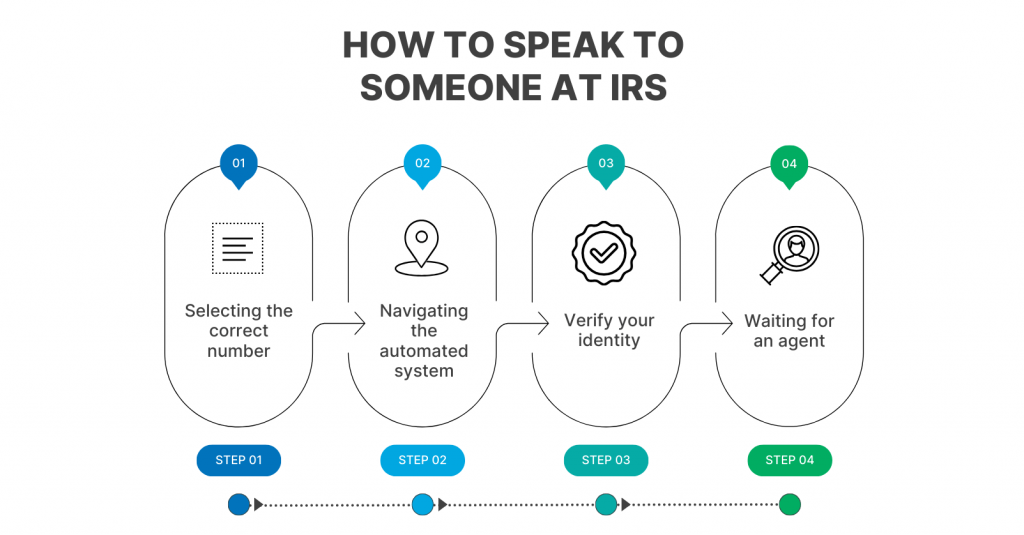
The IRS operates several phone lines, each dedicated to different types of inquiries. The main toll-free number for individual taxpayers is usually 1-800-829-1040. For business tax questions, it’s typically 1-800-829-4933. There are also specific lines for issues like identity theft, international taxpayers, estate and gift taxes, and tax preparer help. Before calling, visit IRS.gov’s “Contact Your Local IRS Office” or “Phone Numbers” section to confirm the most current and relevant number for your specific issue. Using the correct number from the outset dramatically increases your chances of reaching the right department and getting timely financial advice. Misdialing can lead to lengthy transfers or being asked to call a different number, wasting your valuable time.
Best Times to Call for Shorter Wait Times
IRS phone lines are notorious for long wait times, particularly during peak tax season (January to April 15th) and around major tax deadlines. To minimize your waiting period, consider calling early in the morning (shortly after lines open at 7:00 AM local time), late in the afternoon, or on weekdays. Tuesdays, Wednesdays, and Thursdays are generally less busy than Mondays and Fridays. Avoid calling on federal holidays or immediately after them, as call volumes tend to surge. Strategic timing is a simple yet effective tactic for financial efficiency, helping you connect with a representative sooner and address your tax matters without excessive delays.
What to Expect During Your Call
When you finally connect with a representative, be prepared for them to verify your identity. This typically involves providing your SSN/EIN, date of birth, address, and information from a previous tax return. Be patient and polite, even if you’ve experienced a long wait. Clearly state your reason for calling, provide the requested documentation details, and ask specific questions. If you don’t understand an answer, don’t hesitate to ask for clarification. Take detailed notes, including the representative’s name and badge number, the date and time of the call, and a summary of the advice given or actions taken. This meticulous record-keeping is crucial for financial accountability and reference should further issues arise.
Beyond the Phone: Alternative Contact Methods
While phone contact is popular, the IRS offers several other avenues for taxpayer assistance, many of which can be more convenient and efficient for certain types of inquiries. Leveraging these alternatives can often provide quicker resolutions, especially for routine questions or when extensive documentation exchange is necessary.
IRS Online Resources and Digital Tools

The IRS website, IRS.gov, is an invaluable first stop for many taxpayers. It offers a wealth of self-service options, often allowing you to resolve issues without needing to speak to a representative. Key online tools include:
- “Where’s My Refund?”: Track the status of your federal income tax refund.
- “Get Transcript”: Access tax transcripts for various purposes, like loan applications.
- “Online Payment Agreement”: Set up a payment plan for taxes owed.
- “IRS Direct Pay”: Make direct payments from your bank account.
- Interactive Tax Assistant (ITA): An online tool that answers tax law questions.
- Tax Topics and FAQs: Comprehensive information on various tax subjects.
These digital resources empower taxpayers to manage their financial obligations proactively and provide instant access to information, significantly reducing the need for direct contact for common inquiries.
Written Correspondence: When and How
For certain complex issues, appeals, or when extensive documentation needs to be submitted, written correspondence is often the preferred method. Always include your SSN/EIN on every page, clearly state your reason for writing, and attach copies (not originals) of all supporting documents. Keep a copy of everything you send for your records. Send correspondence via certified mail with a return receipt requested; this provides proof of mailing and delivery, which is vital for financial and legal purposes. The IRS provides specific mailing addresses for various departments and types of submissions. Response times for written correspondence can be lengthy, often several weeks to months, so this method is best suited for non-urgent matters.
In-Person Assistance: Taxpayer Assistance Centers (TACs)
For taxpayers who require face-to-face assistance, Taxpayer Assistance Centers (TACs) offer in-person help. TACs provide services such as account inquiries, payment assistance, tax law questions, and assistance with IRS notices. Crucially, most TACs now operate by appointment only. You must call 1-844-545-5640 to schedule an appointment. Before visiting, ensure you have all necessary documentation and a clear understanding of your issue. In-person visits can be highly effective for resolving complex issues where direct interaction and detailed explanation are beneficial, offering a personal touch to your financial dealings with the IRS.
Preparing for Your Interaction: Maximizing Efficiency
Effective communication with the IRS is less about luck and more about preparation. By meticulously organizing your thoughts and documents, you can significantly enhance the efficiency of your interaction, whether it’s a phone call, written letter, or in-person visit, ultimately leading to a quicker and more satisfactory resolution of your financial concerns.
Essential Information to Have on Hand
Beyond the core documents like your SSN/EIN and previous tax returns, it’s wise to have a summary of your specific question or problem ready. If you’re responding to an IRS notice, have the notice number (e.g., CP2000, Letter 3219) and date clearly marked. For payment inquiries, know the exact dates and amounts of payments made. If you’ve had prior contact regarding the issue, reference numbers or dates of those interactions can be helpful. This readiness prevents fumbling for information and allows the IRS representative to assist you more effectively, translating directly into better financial service.
Documenting Your Communications
Maintaining a thorough log of all your interactions with the IRS is paramount for financial accountability. For phone calls, note the date, time, representative’s name and badge number, a brief summary of the conversation, and any agreed-upon next steps or advice given. For written correspondence, keep copies of everything sent and the certified mail receipts. If you visit a TAC, record the date, the name of the assistant, and the outcome. This meticulous record-keeping serves as a reliable paper trail, providing evidence and context should an issue escalate or require further follow-up. It’s your financial safeguard against misunderstandings or administrative errors.
Escalating Issues Effectively
If you are not satisfied with the assistance you receive, or if your issue remains unresolved, there are avenues for escalation. During a phone call, you can politely ask to speak with a supervisor. If an issue persists or you believe your taxpayer rights have been violated, you can contact the Taxpayer Advocate Service (TAS). TAS is an independent organization within the IRS that helps taxpayers resolve problems that they haven’t been able to resolve through normal IRS channels. They can assist when an IRS action is causing a financial hardship or when the IRS is not following its own procedures. Knowing these escalation paths is a vital aspect of effective financial advocacy.
Proactive Tax Management and Avoiding Future Issues
The best way to contact IRS customer service is often not to need to. Proactive tax management, coupled with a solid understanding of IRS resources, can help you prevent many common issues, thereby streamlining your personal and business financial operations. By staying informed and utilizing available tools, you can minimize potential tax headaches and maintain greater control over your financial health.
Utilizing IRS.gov for Self-Service
As previously mentioned, IRS.gov is an incredibly rich resource. Regularly visiting the site can keep you informed about tax law changes, important deadlines, and available tools. Many questions can be answered by exploring the FAQs, tax topics, and interactive tools. Learning to navigate IRS.gov effectively empowers you to resolve many issues independently, saving time and avoiding the need for direct customer service contact. This self-service approach is a cornerstone of modern financial literacy, putting control directly in your hands.
Understanding Tax Deadlines and Compliance
A significant number of IRS contacts stem from missed deadlines or misunderstandings about compliance. Familiarize yourself with key tax deadlines for filing returns, estimated tax payments, and other critical financial events. Utilize calendars, reminders, or professional tax software to stay on track. Understanding basic tax compliance rules can prevent penalties and interest, which are often the triggers for needing to contact the IRS. Proactive compliance is the best form of financial defense.

The Role of Tax Professionals in Ongoing Support
For individuals and businesses with complex financial situations, maintaining a relationship with a qualified tax professional (CPA, EA, tax attorney) can be invaluable. These professionals can provide ongoing advice, help with tax planning, prepare your returns, and even represent you before the IRS. Their expertise can help you navigate intricate tax laws, identify legitimate deductions, and ensure you remain compliant, thus minimizing the likelihood of needing to contact IRS customer service for problems that could have been avoided. Investing in professional tax support is an investment in your financial peace of mind.
In conclusion, while contacting IRS customer service might seem intimidating, approaching it with preparation, patience, and a clear understanding of your options can make the process significantly smoother. By utilizing both traditional and modern communication methods, documenting your interactions, and managing your taxes proactively, you can ensure your financial dealings with the IRS are handled as efficiently and effectively as possible.
aViewFromTheCave is a participant in the Amazon Services LLC Associates Program, an affiliate advertising program designed to provide a means for sites to earn advertising fees by advertising and linking to Amazon.com. Amazon, the Amazon logo, AmazonSupply, and the AmazonSupply logo are trademarks of Amazon.com, Inc. or its affiliates. As an Amazon Associate we earn affiliate commissions from qualifying purchases.