
In the bustling world of e-commerce, few phrases hold as much allure for consumers as “free shipping.” It’s a powerful incentive, often tipping the scales in favor of a purchase, and Amazon, as the undisputed titan of online retail, has largely set the standard for what shoppers expect. However, the concept of “free shipping” on Amazon isn’t always straightforward. For the financially savvy shopper, understanding the nuances of Amazon’s shipping policies is crucial for optimizing spending, avoiding unnecessary costs, and ultimately, making more informed purchasing decisions. This article delves into the various facets of free shipping on Amazon, dissecting the costs, benefits, and strategies to ensure you’re truly maximizing your financial efficiency when shopping on the platform.

Decoding Amazon’s Shipping Landscape: A Financial Overview
The perceived cost of shipping can significantly impact a consumer’s willingness to complete a purchase. While Amazon offers numerous pathways to free shipping, the initial step is to understand the baseline costs and the psychological levers at play.
The Ubiquitous Appeal of “Free Shipping”
“Free shipping” is more than just a logistical offering; it’s a potent psychological tool in retail. For many, the idea of paying an additional fee for delivery feels like an avoidable surcharge, an unwelcome addition to the item’s price. This aversion to shipping costs means that shoppers will often go to great lengths – or spend a little more – to qualify for free delivery. For Amazon, offering free shipping, even if contingent on certain conditions, reinforces its position as a consumer-friendly platform and encourages larger order values, which in turn boosts revenue. From a personal finance perspective, understanding this dynamic allows you to be more deliberate in your choices rather than being subtly pushed into spending more than intended just to avoid a perceived “fee.”
Understanding Standard Shipping Costs for Non-Prime Members
For those who are not Amazon Prime members, standard shipping costs are a reality unless specific conditions are met. These costs are variable, depending on factors such as the item’s weight, size, shipping speed, and destination. Generally, standard shipping for non-Prime members can range from a few dollars to upwards of $10 or more per order. For smaller, lighter items, this might be a few dollars (e.g., $4.99 – $7.99 for standard shipping), while larger or heavier items can incur significantly higher charges. Expedited shipping options naturally come with steeper price tags. This baseline cost is the financial hurdle that many shoppers seek to avoid, leading them to explore Amazon’s free shipping options. Knowing these potential charges in advance helps in budgeting and evaluating whether to consolidate purchases or consider alternative retailers.
The Psychological Impact of Shipping Fees on Consumer Spending
Shipping fees don’t just add to the total cost; they can also deter purchases altogether. Studies consistently show that unexpected shipping costs are one of the leading causes of cart abandonment. From a financial planning perspective, this is a double-edged sword. On one hand, it can prevent impulsive purchases, making you reconsider whether an item is truly worth the combined price and delivery charge. On the other, it can push you to spend more to hit a free shipping threshold, potentially acquiring items you don’t genuinely need. Recognizing this psychological trigger is vital for maintaining financial discipline, ensuring that you’re making conscious spending decisions rather than simply reacting to a shipping fee.
Amazon Prime: The Cost-Benefit Analysis for Frequent Shoppers
For many, Amazon Prime is synonymous with free shipping. But what is the true cost, and does its value proposition genuinely justify the expense for every shopper?
The Price Tag of Amazon Prime Membership
Amazon Prime is a subscription service that comes with a recurring fee. As of current typical rates, a monthly Prime membership can cost around $14.99, while an annual membership typically runs about $139. There are often discounted rates for students ($7.49/month or $69/year) and those with qualifying government assistance programs ($6.99/month). From a financial standpoint, committing to Prime means budgeting for this annual or monthly expenditure. It’s a fixed cost that must be weighed against the variable savings it potentially offers throughout the year. For an individual, $139 annually is a significant sum, warranting a careful assessment of whether the benefits truly outweigh this consistent outflow.
Beyond Expedited Delivery: Unpacking Prime’s Value Proposition
While free, fast shipping (often 1-day or 2-day delivery on eligible items) is the flagship benefit of Prime, the membership encompasses a much broader suite of services. These include access to Prime Video (streaming movies and TV shows), Amazon Music Prime (ad-free music), Prime Reading (a rotating selection of free e-books), unlimited photo storage, exclusive deals, and early access to Lightning Deals. For many households, these additional benefits add considerable perceived value, effectively “softening” the financial blow of the annual fee. The key is to assess which of these benefits you genuinely use and if they replace other paid subscriptions (e.g., Netflix, Spotify), thereby offering a true financial saving. If you’re paying for Prime solely for shipping but never touch Prime Video, then a significant portion of your $139 is effectively going unused.
Is Prime Worth It? A Financial Calculation for Your Habits
Determining whether Prime is a financially sound investment boils down to your shopping habits. A good rule of thumb is to calculate how much you would typically pay in shipping fees over a year if you were a non-Prime member. If you average paying, say, $5 per order and place 30 orders a year, that’s $150 in shipping fees – more than the annual Prime membership. In this scenario, Prime would offer a net financial saving, not to mention the added convenience and other benefits.
Consider these factors for a personalized calculation:
- Frequency of Amazon purchases: Do you order weekly, monthly, or only a few times a year?
- Average shipping cost per order without Prime: How much do those individual shipping fees add up to?
- Usage of other Prime benefits: Will you genuinely leverage Prime Video, Music, etc., to replace other entertainment subscriptions?
- Impact on impulsive buying: Does having “free shipping” lead you to buy more small, unnecessary items?
If your annual shipping costs without Prime are consistently less than the membership fee, or if you rarely use the additional services, opting out of Prime and utilizing other free shipping strategies (discussed next) might be the more financially prudent choice.
Navigating Free Shipping Without a Prime Subscription
Even without a Prime membership, Amazon offers several avenues to qualify for free shipping, often requiring a bit more planning and strategic shopping.
Meeting the Minimum Order Threshold: Strategies for Non-Members
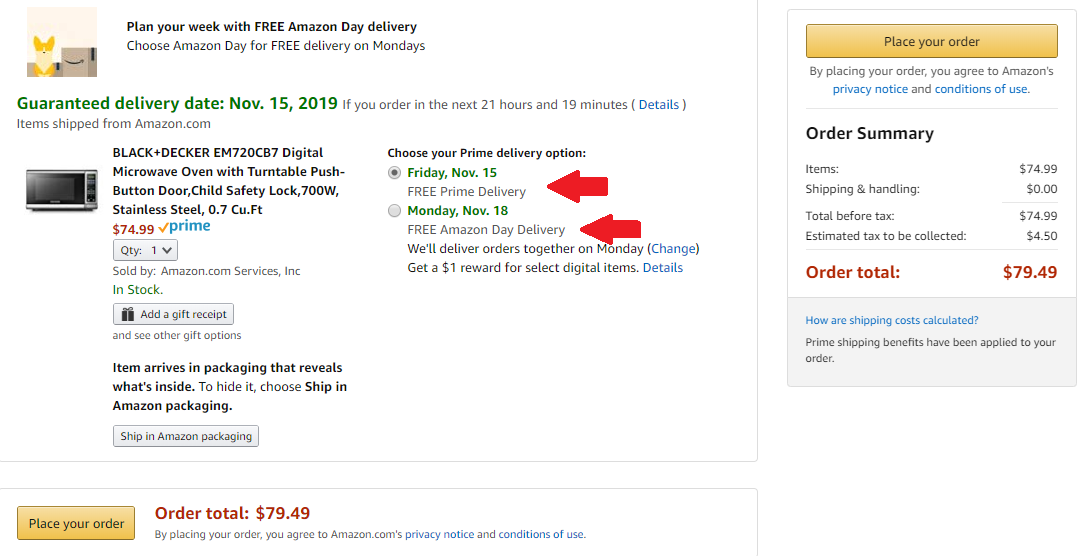
The most common way for non-Prime members to get free shipping is by meeting a minimum order threshold. This threshold can fluctuate, but it is typically around $35 for eligible items. This applies to items “Shipped by Amazon” or “Sold by Amazon.com.”
To effectively utilize this, consider:
- Consolidating purchases: Instead of buying a single item now and another next week, group your non-urgent purchases together to hit the threshold. This requires a slight shift in immediate gratification but yields financial savings.
- Stocking up on essentials: Add frequently used household items, pantry staples, or pet supplies to your cart. These are purchases you’d make anyway, making them ideal for reaching the minimum without buying unnecessary goods.
- Creating a running list: Maintain a digital or physical list of items you need from Amazon. When the list totals near the free shipping threshold, place a single, consolidated order.
Leveraging Amazon Day and Slower Shipping Options
Amazon Day delivery is a free shipping option available to both Prime and non-Prime members (when they meet the minimum order threshold). It allows you to choose a specific day of the week to receive all your Amazon packages, reducing the number of deliveries and packaging. While not always faster, it guarantees a delivery day and can be a convenient way to consolidate items. For non-Prime members, simply opting for the “Standard” or “No-Rush” shipping option (which often takes 5-8 business days) is typically the default free shipping method once the minimum order threshold is met. Choosing these slower speeds doesn’t cost extra; it just requires patience, which can be a small price to pay for financial savings.
Identifying Eligible Items and Seller-Specific Offers
Not all items contribute equally to the free shipping threshold. Look for items “Sold by Amazon.com” or “Fulfilled by Amazon” as these are most likely to qualify. Third-party sellers on Amazon Marketplace might have their own shipping policies, some offering free shipping independently, others charging a separate fee regardless of your total order value. Always check the “Shipping & fees” section on the product page. Additionally, some sellers occasionally run promotions offering free shipping on specific products, even if your total order doesn’t meet Amazon’s general threshold. Keeping an eye out for these direct seller offers can provide unexpected savings.
Savvy Strategies to Maximize Savings on Amazon Shipping
Beyond understanding the rules, proactive strategies can significantly reduce your shipping expenditure over time, contributing to better personal finance management.
Bundling Purchases to Hit Free Shipping Thresholds
This is perhaps the most straightforward and effective strategy for non-Prime members. Instead of making multiple small purchases, cultivate a habit of grouping items. If you need a book, some batteries, and a new kitchen utensil, wait until you need all three (or more) to place a single order that meets or exceeds the free shipping minimum. This not only saves you shipping fees but also reduces packaging waste. The key is to be disciplined and avoid buying things you don’t truly need just to hit the threshold. Focus on necessities and planned purchases.
Utilizing Amazon Locker or Pickup Points for Added Convenience and Savings
In some areas, Amazon offers the option to pick up your packages from secure Amazon Locker locations or other designated pickup points (like Whole Foods Market or Amazon Fresh stores). While this primarily offers convenience and security (especially for those who aren’t home for deliveries), some promotions occasionally offer a small discount or an alternative path to free shipping when choosing these pickup options, even for smaller orders. Always check if this option is available for your order and if it comes with any additional benefits or reduced thresholds.
The ‘Add-on Item’ Conundrum and How to Navigate It
Amazon “Add-on Items” are typically low-priced products (e.g., small household goods, snacks) that are only available for purchase with qualifying orders (usually $25 or more, or when part of a larger Prime order). While they contribute to the minimum order threshold for free shipping, their primary purpose is to encourage larger orders and efficient fulfillment. The ‘conundrum’ is that you might feel compelled to buy an “Add-on Item” you don’t necessarily need to reach the free shipping threshold for other items. The best strategy is to only use Add-on Items if they are genuinely something you need or would purchase anyway. If an Add-on Item pushes you over the edge to free shipping and it’s a useful household staple, it can be a smart move. Otherwise, avoid letting it dictate your spending.
Re-evaluating Your Shopping Habits for Long-Term Financial Health
Ultimately, the most powerful strategy for saving on Amazon shipping (and online shopping in general) is a periodic re-evaluation of your shopping habits. Are you prone to impulse buys? Do you always opt for the fastest shipping, even when not necessary? By consciously tracking your spending and identifying patterns, you can make intentional adjustments. This might involve setting a weekly or monthly budget for Amazon purchases, comparing prices with local retailers (where you avoid shipping entirely), or simply pausing before clicking “buy” to consider if the item is truly essential. These behavioral changes often lead to more significant financial savings than any individual shipping hack.
The Broader Financial Implications of Online Shopping
Beyond the immediate costs of shipping, online shopping, especially on platforms like Amazon, has broader financial implications that warrant consideration.
Budgeting for E-commerce: Integrating Shipping Costs
In a comprehensive personal budget, it’s essential to account for all types of spending, including online purchases and their associated shipping costs. Instead of viewing shipping fees as an isolated annoyance, integrate them into your overall e-commerce budget. If you rely heavily on Amazon, either factor in the cost of Prime membership as a fixed monthly/annual expense or set aside a small contingency fund for potential shipping fees on non-Prime orders. A well-structured budget provides clarity on where your money goes and prevents “surprise” charges from derailing your financial goals.
Hidden Costs and the True Value of Convenience
While “free shipping” seems like a pure saving, it’s important to consider potential hidden costs. Does the promise of free shipping lead you to buy an item on Amazon that’s slightly more expensive than an identical item at a local store, where you’d incur no shipping but perhaps spend time traveling? Is the convenience of fast delivery on Amazon Prime so compelling that it replaces the habit of planning purchases and shopping locally, potentially missing out on better deals or supporting local businesses? The “true value” of convenience often comes at a price, even if it’s not explicitly labeled as a shipping fee. Smart financial decisions require evaluating not just the dollar amount, but also the opportunity costs and the broader impact on your spending habits.

Making Informed Financial Decisions in the Digital Marketplace
Navigating Amazon’s shipping policies is a microcosm of making informed financial decisions in the digital age. It requires understanding pricing structures, weighing costs against benefits, employing strategic planning, and critically assessing personal spending habits. By taking the time to understand “how much is free shipping on Amazon,” you empower yourself to be a more deliberate and financially astute consumer, ensuring that your online shopping habits align with your overall financial objectives and contribute positively to your personal wealth management.
aViewFromTheCave is a participant in the Amazon Services LLC Associates Program, an affiliate advertising program designed to provide a means for sites to earn advertising fees by advertising and linking to Amazon.com. Amazon, the Amazon logo, AmazonSupply, and the AmazonSupply logo are trademarks of Amazon.com, Inc. or its affiliates. As an Amazon Associate we earn affiliate commissions from qualifying purchases.