
For property owners, the integrity of their investment hinges not just on market trends or aesthetic appeal, but fundamentally on the physical condition of the asset itself. Among the often-overlooked yet critical elements of property protection is robust water management, and central to this strategy is the curtain drain. Far more than a mere ditch, a curtain drain represents a strategic financial investment designed to shield a property from the insidious and costly damages caused by excessive subsurface water. Understanding its function and financial implications is paramount for anyone looking to preserve their property’s value and avoid substantial future expenses.
The Financial Imperative of Water Management
Water is essential for life, but uncontrolled, it can be a homeowner’s most formidable and expensive adversary. Poor drainage around a property is not merely an inconvenience; it is a direct threat to structural integrity and financial well-being. Recognizing the potential for water-related damage is the first step in understanding why a curtain drain can be a prudent investment rather than a discretionary expense.
Protecting Your Most Valuable Asset
For many, a home is the largest single investment they will ever make. Its value is inextricably linked to its condition. Persistent saturation of the soil around a foundation can lead to hydrostatic pressure, causing cracks, bowing walls, and eventual structural failure. The repair costs for foundation damage can run into tens of thousands, if not hundreds of thousands, of dollars, significantly eroding equity and potentially rendering a property unmarketable. A curtain drain acts as a preventative measure, diverting water before it can inflict such devastating and financially crippling damage, thereby preserving the structural integrity and market value of the property.
The Hidden Costs of Poor Drainage
Beyond the obvious foundation repairs, inadequate drainage introduces a cascade of other expensive problems. Excessive moisture promotes the growth of mold and mildew, which can necessitate costly remediation and pose serious health risks, potentially leading to additional financial liabilities. Basements and crawl spaces become prone to chronic dampness, damaging stored possessions, fostering pest infestations, and requiring expensive dehumidification or waterproofing solutions. Furthermore, saturated soil can undermine driveways, patios, and retaining walls, leading to premature deterioration and the need for frequent, costly repairs or replacements. These hidden, compounding costs make a compelling financial case for proactive water management systems like a curtain drain.
Understanding the Curtain Drain as an Investment
At its core, a curtain drain is a specialized subsurface drainage system engineered to intercept and redirect groundwater away from a structure. Unlike French drains that typically surround a foundation, a curtain drain is usually installed uphill from the area needing protection, creating a “curtain” that stops water before it reaches the vulnerable zone. Viewed through a financial lens, it’s an upfront capital expenditure designed to yield significant long-term returns by preventing future losses and enhancing property resilience.
Anatomy of a Subsurface Solution
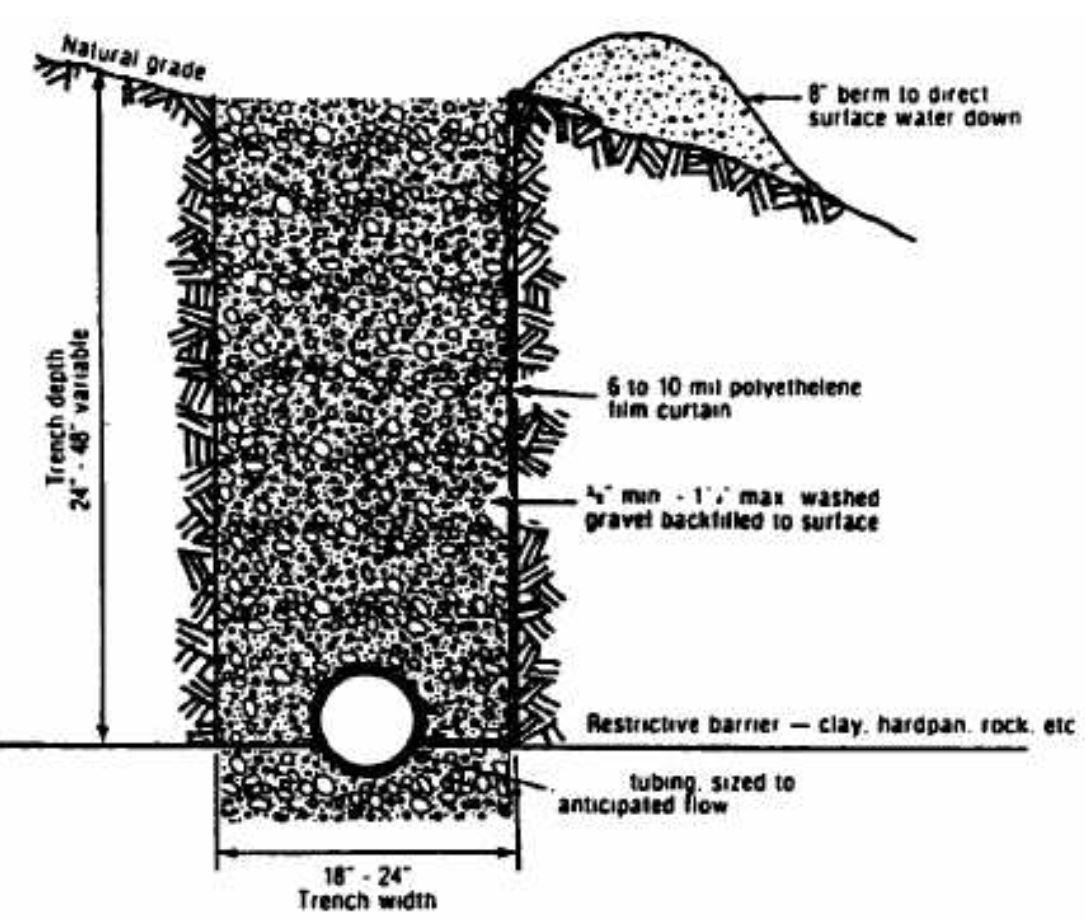
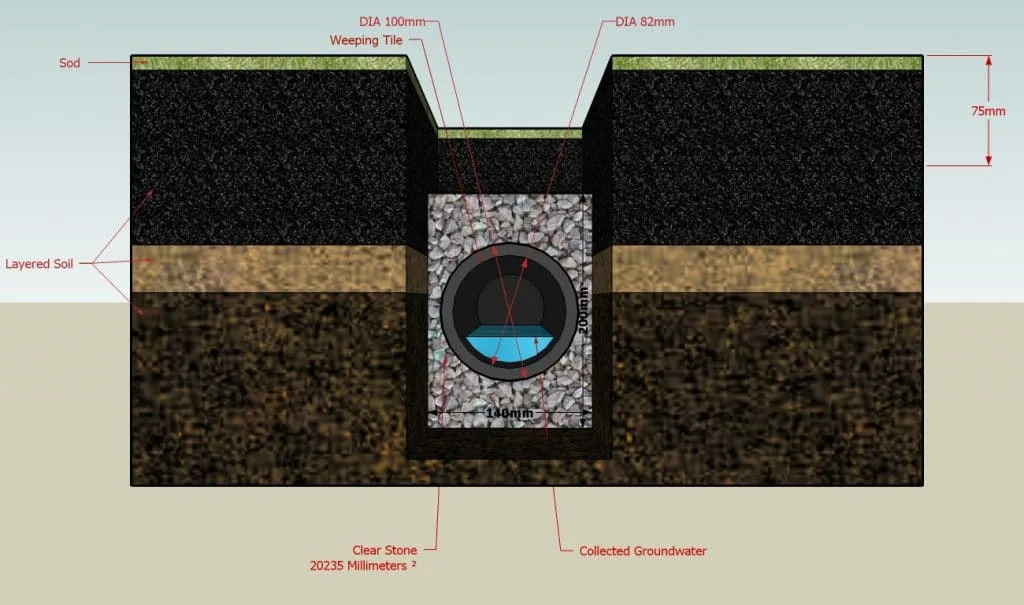
A typical curtain drain consists of several key components, each contributing to its efficacy and, by extension, its financial value:
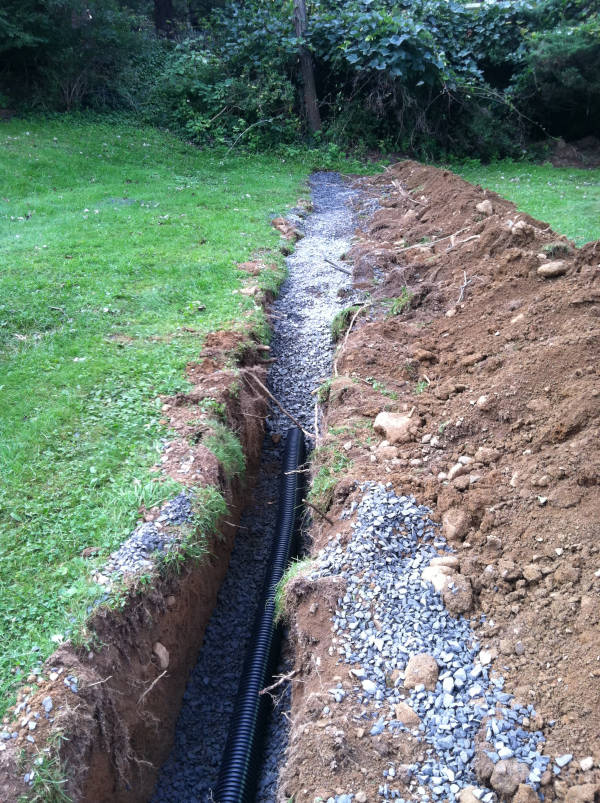
- Trench: A carefully excavated trench, typically several feet deep and wide, positioned strategically on a slope above the area to be protected. The depth is crucial as it dictates the effective range of groundwater interception.
- Geotextile Fabric: A durable, permeable fabric lines the trench before any aggregate is introduced. This fabric prevents soil and silt from clogging the drain, ensuring its longevity and reducing future maintenance costs. Its role is to keep the system functioning efficiently, thereby maximizing the return on the initial investment.
- Perforated Pipe: A pipe with small holes, laid at the bottom of the trench, encased in gravel. This pipe collects the intercepted water and channels it efficiently away from the property, usually to a storm drain, a dry well, or a downhill area suitable for discharge. The quality and diameter of this pipe can influence the system’s capacity and durability.
- Gravel/Aggregate: A layer of clean, coarse gravel or aggregate surrounds the perforated pipe and fills the trench. This material provides a permeable pathway for water to quickly reach the pipe while preventing the trench from collapsing.
How it Works to Safeguard Your Property
The operational principle of a curtain drain is elegantly simple yet powerfully effective. As groundwater flows naturally downhill, it encounters the permeable gravel-filled trench. Instead of continuing its destructive path towards a foundation or a low-lying area of the property, the water is drawn into the gravel and then into the perforated pipe. The pipe, laid on a gentle slope, carries the water away from the property to a designated discharge point. This interception effectively “curtains off” the water, preventing it from saturating the soil directly adjacent to the structure. By controlling the water table and diverting excess moisture, a curtain drain mitigates hydrostatic pressure, reduces soil erosion, and creates a drier, more stable environment for your property, thus preserving its structural integrity and long-term financial health.
Evaluating the Return on Investment (ROI)
Considering a curtain drain as an investment rather than an expense is critical for a financially astute property owner. The ROI is primarily derived from the prevention of significant future costs and the enhancement of overall property value. The initial outlay, while potentially substantial, is often dwarfed by the expenses it helps homeowners avoid.
Preventing Structural Damage and Foundation Repair Costs
The most significant financial benefit of a curtain drain is its ability to prevent catastrophic foundation damage. Foundation repairs can range from minor crack injections costing a few thousand dollars to major structural underpinning or helical pier installation, which can easily exceed $50,000 to $100,000, depending on the severity and region. These repairs are not only costly but also invasive, disruptive, and often come with a substantial depreciation impact on the property’s market value. By preventing water accumulation and hydrostatic pressure, a curtain drain acts as an insurance policy, safeguarding the structural integrity of the home and effectively eliminating or drastically reducing the probability of these massive expenditures.
Mitigating Mold and Mildew-Related Expenses
Persistent dampness from poor drainage creates an ideal breeding ground for mold and mildew, particularly in basements, crawl spaces, and even within wall cavities. Mold remediation can be an extremely expensive undertaking, often involving specialized contractors, air quality testing, and the replacement of contaminated building materials. Costs can quickly escalate into the tens of thousands of dollars, not to mention the potential health risks and associated medical expenses for residents. A dry, well-drained environment, facilitated by a curtain drain, significantly reduces the likelihood of mold growth, thereby protecting both property value and occupant health, and avoiding these substantial financial burdens.
Enhancing Property Value and Marketability
A property with a history of water issues is a red flag for potential buyers and can significantly depress its market value. Conversely, a property known to have robust and effective drainage systems, such as a well-installed curtain drain, adds tangible value and enhances marketability. It signals to prospective buyers that the property is well-maintained and protected against common, costly problems. This can lead to a quicker sale, a higher selling price, and a more attractive investment proposition, representing a direct financial return on the drainage system. Moreover, some buyers may specifically seek out properties with existing water management solutions, seeing it as an immediate benefit that saves them future hassle and expense.
Reducing Insurance Premiums and Claims
While general homeowner’s insurance often excludes flood damage, some policies or endorsements might cover specific types of water damage resulting from burst pipes or sudden leaks. However, persistent water issues due to poor drainage can lead to repeated claims, which can result in increased premiums or even policy cancellation. More importantly, having proactive measures like a curtain drain can demonstrate to insurers a commitment to property maintenance, potentially influencing favorable terms or reducing the risk profile of the property. By mitigating the risk of major water damage, a curtain drain helps avoid the financial setbacks associated with deductibles, increased premiums, and the stress of navigating insurance claims.
Installation Costs and Budgetary Considerations
While the benefits of a curtain drain are clear, understanding the associated costs is crucial for financial planning. The expense of installation is influenced by multiple factors, and evaluating these will help determine the overall financial commitment and potential ROI.
Factors Influencing Expense
The total cost of installing a curtain drain can vary widely, typically ranging from a few thousand dollars to over ten thousand dollars or more. Key factors that influence this expense include:
- Length and Depth of the Trench: Longer and deeper trenches require more excavation and materials, directly impacting labor and material costs.
- Soil Conditions: Rocky soil or heavy clay can increase excavation difficulty and time, driving up labor costs.
- Site Accessibility: Properties with difficult terrain, limited access for machinery, or extensive landscaping that needs to be removed and restored will incur higher costs.
- Discharge Point: The distance and complexity of routing the water to a suitable discharge point (e.g., municipal storm drain, dry well, downhill slope) can add to the overall expense.
- Materials Used: The choice of pipe material (e.g., PVC, corrugated HDPE), type of aggregate, and quality of geotextile fabric can influence costs.
- Permits and Regulations: Some localities may require permits for extensive excavation or drainage work, adding administrative fees.
DIY vs. Professional Installation: A Cost-Benefit Analysis
For the budget-conscious homeowner, the idea of a DIY curtain drain might seem appealing to save on labor costs. While possible for very small, straightforward projects, this approach carries significant financial risks. Improper installation can lead to a system that fails to function, clogs easily, or even exacerbates drainage issues, ultimately requiring costly professional remediation. A professional contractor brings specialized equipment, expertise in grading and soil mechanics, and knowledge of local regulations. Their guarantee of work provides peace of mind and often represents a sounder financial decision in the long run, ensuring the system works effectively and stands the test of time, thus protecting the initial investment. The upfront savings of DIY can quickly turn into much larger expenses if mistakes are made.
Long-Term Maintenance and Upkeep Costs
A well-installed curtain drain is a relatively low-maintenance system, but it is not entirely maintenance-free. Regular inspections, especially after heavy rainfall, are advisable to ensure the discharge point remains clear. Periodically, the system might require flushing to remove any accumulated silt or debris, which can typically be done by a professional. These maintenance costs are generally minimal compared to the initial installation, usually a few hundred dollars every few years. Neglecting maintenance, however, risks system failure, which could lead back to the very problems the drain was installed to prevent, thereby negating the original financial investment. Considering these ongoing, albeit small, costs is part of a complete financial picture for any property owner.
Is a Curtain Drain the Right Financial Move for You?
The decision to install a curtain drain is ultimately a financial one, weighing the upfront costs against the long-term benefits of asset protection and value preservation. It requires a careful assessment of your property’s specific needs and a clear understanding of the potential ROI.
Assessing Your Property’s Needs
Before committing to the investment, a thorough assessment of your property’s drainage issues is crucial. Look for signs of water problems such as standing water after rain, persistent dampness in basements or crawl spaces, foundation cracks, mildew growth, or erosion. Consider the topography of your land – is your house situated at the bottom of a slope? Does water consistently flow towards your foundation? Understanding the source and severity of your water issues will help determine if a curtain drain is the most appropriate and cost-effective solution for your situation. Sometimes, simpler, less expensive solutions like grading adjustments or gutter improvements might suffice, but for significant groundwater issues, a curtain drain is often the most robust defense.
Consulting with Professionals for an Informed Decision
Engaging with experienced landscape architects, drainage specialists, or civil engineers is the most financially prudent step before making a decision. These professionals can conduct site surveys, analyze soil conditions, identify water flow patterns, and design a customized drainage plan. They can provide accurate cost estimates, outline the expected ROI based on your property’s specific risks, and recommend the best system for your needs. An informed decision, backed by expert advice, ensures that your investment in a curtain drain is well-placed, providing maximum protection for your property and solidifying its long-term financial health. This expert consultation is not an additional cost but an investment in making the right choice, preventing potentially larger financial losses down the line.
aViewFromTheCave is a participant in the Amazon Services LLC Associates Program, an affiliate advertising program designed to provide a means for sites to earn advertising fees by advertising and linking to Amazon.com. Amazon, the Amazon logo, AmazonSupply, and the AmazonSupply logo are trademarks of Amazon.com, Inc. or its affiliates. As an Amazon Associate we earn affiliate commissions from qualifying purchases.