
In an era of economic volatility and pervasive consumerism, the concept of budgeting often evokes images of restriction and deprivation. However, to truly understand “how to be on a budget” is to unlock a profound sense of financial empowerment, control, and peace of mind. Far from being a punitive measure, budgeting is a strategic financial plan that maps out your income and expenses, ensuring every dollar has a purpose. It is the fundamental cornerstone of personal finance, a practical tool that enables individuals to navigate their financial landscape with clarity, purpose, and ultimately, freedom. This comprehensive guide will demystify budgeting, transforming it from a daunting task into an accessible and invaluable habit for anyone aiming to build a secure financial future.
Understanding the ‘Why’ Behind Budgeting
Before diving into the mechanics, it’s crucial to grasp the overarching benefits that make budgeting an indispensable practice. It’s not just about saving money; it’s about optimizing your entire financial life.
The Power of Financial Clarity
One of the immediate benefits of budgeting is the unparalleled clarity it provides regarding your financial situation. Many people operate with a vague idea of their income and outgoings, leading to perpetual uncertainty and stress. A budget forces you to confront the numbers, revealing exactly where your money comes from and, more importantly, where it goes. This detailed insight allows you to identify wasteful spending, unexpected leakages, and areas where you can optimize your financial flow. Without this foundational understanding, making informed financial decisions is akin to navigating a dense fog. Clarity is the first step towards control, enabling you to see your financial strengths and weaknesses with an objective eye.
Achieving Your Financial Goals
Every individual has financial aspirations, whether they are short-term desires like a new gadget or a vacation, or long-term dreams such as buying a home, funding a child’s education, or securing a comfortable retirement. Without a budget, these goals often remain elusive, mere wishes rather than achievable targets. Budgeting acts as a roadmap, connecting your daily spending habits to your grander financial ambitions. By allocating specific portions of your income towards savings or investments linked to these goals, you transform abstract dreams into concrete plans. It provides the discipline and structure needed to consistently set aside funds, turning aspirations into tangible realities. This proactive approach ensures that your money is working for you, propelling you towards the future you envision.
Reducing Financial Stress and Gaining Control
Financial stress is a pervasive issue, often stemming from a lack of control and predictability. The unknown can be terrifying, especially when it concerns your ability to meet essential obligations or respond to unexpected emergencies. A well-constructed budget eliminates much of this uncertainty. By knowing precisely how much you have, how much you need for bills, and how much is available for discretionary spending or savings, you gain a profound sense of control. This control translates directly into reduced stress and anxiety. You’re no longer wondering if you can afford something; you know. This newfound confidence empowers you to make deliberate choices, rather than being reactive to financial pressures, leading to greater peace of mind and overall well-being.
The Core Mechanics of Budgeting: A Step-by-Step Guide
Embarking on your budgeting journey requires a methodical approach. While the process might seem intricate at first, breaking it down into manageable steps makes it highly achievable for anyone.
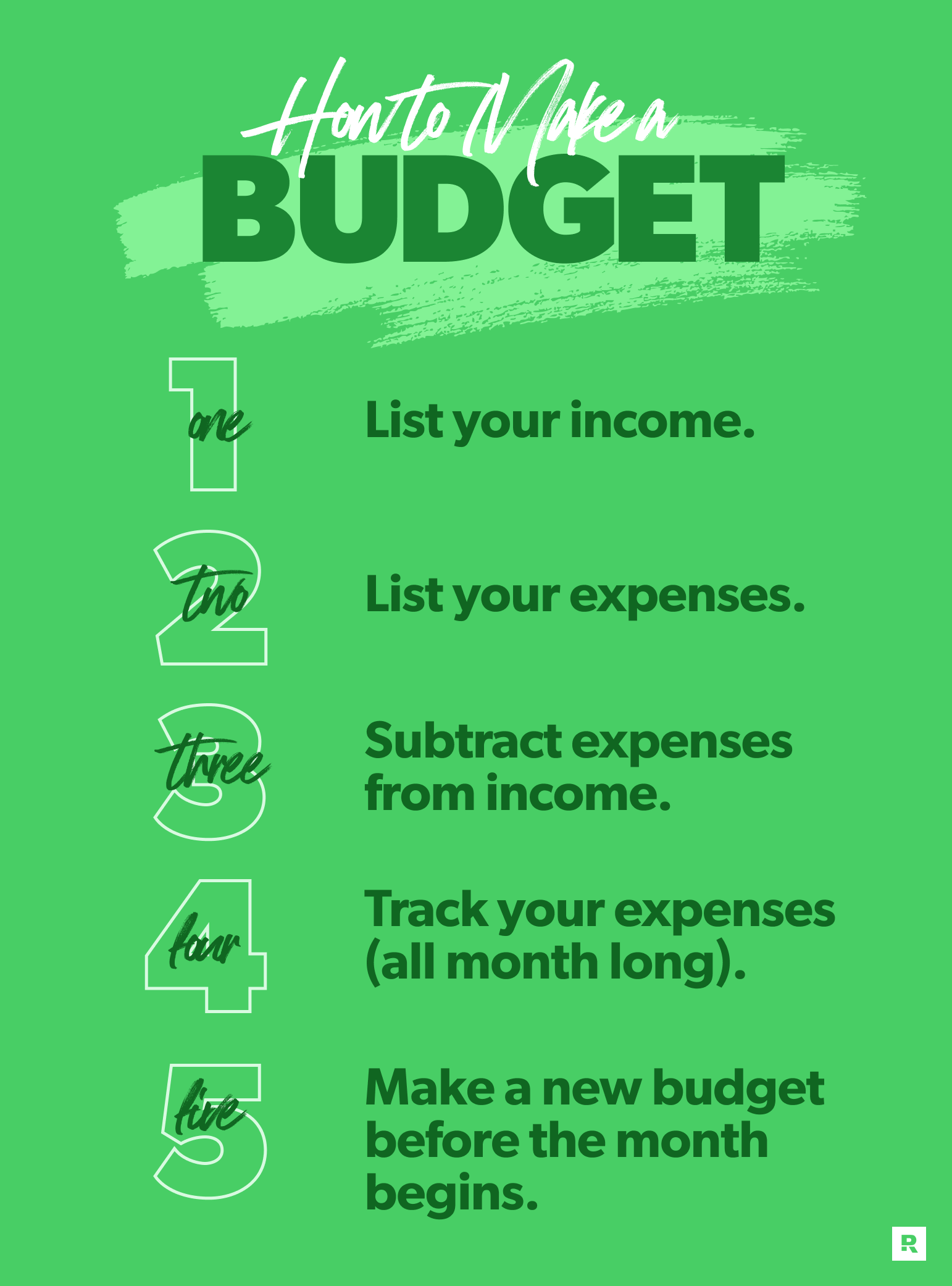
Step 1: Track Your Income
The very first step is to get a clear picture of all your income sources. This includes your primary salary or wages, as well as any secondary income streams such as freelance work, rental income, dividends, or benefits. For most people, this is straightforward; simply note your net (after-tax) monthly income. If your income is irregular, it’s advisable to average it over several months (e.g., the last three to six months) to get a conservative estimate, or base your budget on a minimum predictable income and allocate any excess as it comes in. Understanding your total financial inflow is the bedrock upon which your entire budget will be built.
Step 2: Categorize and Track Your Expenses
This is often the most revealing and challenging part of budgeting. For at least one month, meticulous track every single dollar you spend. This can be done using a spreadsheet, a notebook, or a dedicated budgeting app. The goal is not just to see where your money goes, but to categorize it effectively.
- Fixed vs. Variable Expenses: Fixed expenses are those that remain relatively constant each month, like rent/mortgage, loan payments, insurance premiums, and subscriptions. Variable expenses fluctuate, such as groceries, utilities, entertainment, and transportation.
- Needs vs. Wants: This crucial distinction helps in prioritizing. “Needs” are essential for survival and living, like housing, food, utilities, and transportation to work. “Wants” are non-essential items that improve your quality of life but aren’t strictly necessary, like dining out, entertainment subscriptions, new gadgets, or designer clothes. Accurately distinguishing between these will highlight areas where you can potentially cut back if needed.
Step 3: Choose Your Budgeting Method
There isn’t a one-size-fits-all approach to budgeting. Different methods cater to different personalities and financial situations.
- The 50/30/20 Rule: This popular method allocates 50% of your income to needs, 30% to wants, and 20% to savings and debt repayment. It’s simple, flexible, and an excellent starting point for beginners.
- Zero-Based Budgeting: With this method, you assign every dollar of your income a specific job (e.g., rent, groceries, savings, entertainment) until your income minus your expenses equals zero. This ensures maximum accountability and prevents any money from being “lost” or spent without purpose.
- Envelope System: A tactile approach often used with cash, where money for different categories is placed into physical envelopes. Once an envelope is empty, spending in that category stops until the next income cycle. It’s particularly effective for controlling variable expenses.
- Paycheck to Paycheck Budgeting: While often associated with struggle, this method can also be a disciplined approach for managing income that arrives in smaller, more frequent increments. It focuses on allocating funds from each paycheck to cover expenses that fall due before the next one, ensuring all immediate obligations are met.
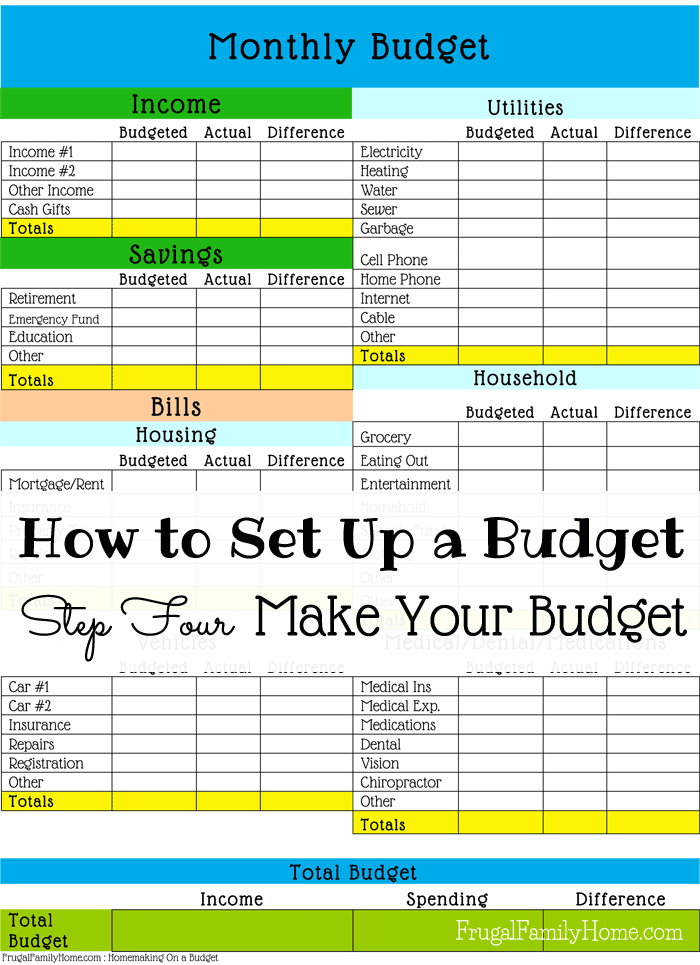
Step 4: Create Your Budget
Once you have your income data and categorized expense tracking, it’s time to build your budget. Using your chosen method, allocate specific amounts of money to each expense category. Be realistic and honest with yourself. If you consistently overspend in a certain area, try to adjust your habits, but don’t set yourself up for failure by setting unrealistic low limits. The initial budget is an estimate, and it’s okay if it’s not perfect on the first try. The goal is to create a spending plan that you can actually stick to.
Step 5: Monitor and Adjust Regularly
A budget is not a static document; it’s a living financial plan. Life happens, and your financial situation will evolve. Regularly – ideally weekly or bi-weekly – review your spending against your budget. Are you staying within your limits? Are there unexpected expenses? Did you overestimate or underestimate in certain categories? Make adjustments as necessary. Perhaps you need to shift funds from entertainment to groceries one month, or you realize you can cut back on a subscription you no longer use. Consistent monitoring and flexibility are key to long-term budgeting success. This iterative process allows your budget to adapt to your life, rather than forcing your life to conform rigidly to an outdated plan.
Leveraging Tools and Strategies for Budgeting Success
While the foundational principles of budgeting remain constant, modern tools and smart strategies can significantly enhance your ability to adhere to and optimize your financial plan.

Digital Budgeting Tools and Apps
In today’s digital age, there’s a wealth of technology designed to simplify budgeting. From sophisticated spreadsheets (like Google Sheets or Microsoft Excel) that offer full customization, to popular dedicated budgeting apps (e.g., Mint, YNAB, Personal Capital, Simplifi, or many banking apps), these tools can automate much of the tedious work. Many apps link directly to your bank accounts and credit cards, categorizing transactions for you, tracking your spending in real-time, and generating insightful reports. They can send alerts when you’re nearing budget limits, help you visualize your cash flow, and even predict future balances. While a simple pen and paper work just fine, digital tools offer unparalleled convenience, accuracy, and depth of analysis for those comfortable with technology.
Automating Savings and Bill Payments
One of the most powerful strategies for budgeting success is automation. By setting up automatic transfers from your checking account to your savings or investment accounts immediately after payday, you effectively “pay yourself first.” This removes the temptation to spend the money before it can be saved. Similarly, automating bill payments ensures that you never miss a due date, avoiding late fees and protecting your credit score. Most banks offer robust online banking platforms that allow you to schedule recurring transfers and payments with ease. Automation removes human error and willpower from the equation, making adherence to your budget almost effortless for these critical components.
The Importance of an Emergency Fund
A core tenet of responsible personal finance, and a critical component within any robust budget, is the establishment and maintenance of an emergency fund. This fund is a liquid savings account specifically designated to cover unexpected expenses such as job loss, medical emergencies, or car repairs. Without an emergency fund, such unforeseen events can derail your budget, forcing you into debt. Your budget should explicitly allocate a portion of your income towards building this fund until you have accumulated three to six months’ worth of essential living expenses. This financial safety net provides invaluable security, preventing minor crises from escalating into major financial disasters.
Debt Management within Your Budget
For many, managing existing debt is a significant part of their financial reality. Your budget must clearly account for all debt payments, whether they are credit card bills, student loans, or personal loans. Strategies like the “debt snowball” or “debt avalanche” can be integrated into your budget. The debt snowball involves paying off the smallest debt first to gain psychological momentum, while the debt avalanche focuses on paying off debts with the highest interest rates first to save money. Regardless of the method, the key is to consistently allocate funds to debt reduction within your budget, aiming not just to meet minimum payments but to accelerate your path to becoming debt-free.
Common Budgeting Challenges and How to Overcome Them
While the benefits of budgeting are clear and the methods straightforward, the journey is rarely without its hurdles. Anticipating and addressing these common challenges can significantly improve your chances of long-term success.
Dealing with Unexpected Expenses
One of the most frequent reasons budgets fail is the emergence of unexpected costs. A sudden car repair, an unforeseen medical bill, or an urgent home repair can quickly throw a meticulously planned budget off course. The best defense against this is a robust emergency fund, as discussed earlier. However, for smaller, more frequent “unexpected” costs that aren’t true emergencies (e.g., a friend’s birthday gift, an impromptu social event), it’s wise to include a small “miscellaneous” or “buffer” category in your budget. This allows for some flexibility without derailing your entire plan. Additionally, cultivating a mindset of financial foresight, anticipating potential future costs, can help reduce the shock.
Staying Motivated and Avoiding Budget Burnout
Budgeting can sometimes feel restrictive, especially initially, leading to burnout or a loss of motivation. It’s crucial to strike a balance between discipline and flexibility. Reward yourself occasionally (within your budget, of course!) for sticking to your plan. Remind yourself regularly of your financial goals and the positive impact budgeting has on your life. Celebrate small victories, like hitting a savings target or paying off a small debt. If you find yourself consistently overspending in one category, don’t just cut it out entirely; try to find a sustainable compromise. A budget should empower you, not imprison you. If it feels too restrictive, it’s likely unsustainable.
Adapting Your Budget to Life Changes
Life is dynamic, and your budget needs to be too. Major life events such as a new job, a raise, marriage, having children, buying a house, or even a change in personal priorities will necessitate a review and likely a significant overhaul of your budget. What worked perfectly when you were single might be completely inadequate for a growing family. What was a sufficient emergency fund might need to be increased if you take on more financial responsibilities. Regularly schedule budget reviews (e.g., quarterly or semi-annually) even if no major life event has occurred, to ensure it still aligns with your current income, expenses, and goals. Flexibility and adaptability are hallmarks of a truly effective budget.
The Role of Financial Discipline and Mindset
Ultimately, successful budgeting hinges on more than just numbers and spreadsheets; it requires a disciplined mindset and a commitment to your financial well-being. This involves making conscious choices, resisting impulse purchases, and prioritizing long-term goals over immediate gratification. It’s about developing new habits and breaking old, detrimental ones. Understand that financial discipline is a muscle; the more you exercise it, the stronger it becomes. Cultivate a positive money mindset, viewing budgeting as a tool for freedom and opportunity, rather than a burden. This shift in perspective is often the most powerful enabler of lasting budgeting success.
Beyond Basic Budgeting: Enhancing Your Financial Health
Once you’ve mastered the fundamentals of “how to be on a budget,” the next logical step is to leverage this financial control to enhance your overall financial health and work towards greater wealth accumulation.
Identifying Areas for Cost Reduction
A well-maintained budget is an invaluable diagnostic tool. It will clearly highlight where your money is going, enabling you to identify areas where you can effectively reduce costs without significantly impacting your quality of life. This might involve renegotiating insurance premiums, switching to a more affordable phone plan, cancelling unused subscriptions, cooking at home more often, or finding cheaper alternatives for common purchases. Regularly scrutinizing your variable expenses, and even challenging some fixed costs, can free up significant funds that can then be redirected towards savings, investments, or debt reduction. This proactive search for efficiencies is a continuous process that can yield substantial benefits over time.
Exploring Opportunities for Increased Income
While budgeting focuses on managing your outflow, a robust financial strategy also considers your inflow. Your budget will show you any gaps or deficits, or simply areas where you’d like to accelerate your progress. This awareness can motivate you to explore opportunities for increasing your income. This doesn’t necessarily mean finding a new full-time job; it could involve asking for a raise, taking on a side hustle in your spare time (freelancing, consulting, tutoring), selling unused items, or developing new skills that command higher pay. Even small additional income streams, when consistently integrated into your budget, can significantly boost your savings rate and accelerate your financial goals.
Integrating Budgeting with Long-Term Financial Planning
Budgeting is the tactical foundation for strategic financial planning. Once you have a firm grasp on your monthly cash flow, you are perfectly positioned to plan for the long term. This involves allocating funds from your budget towards investments for retirement, a child’s education, or other significant future goals. Understanding your disposable income allows you to determine how much you can comfortably contribute to a 401(k), IRA, or other investment vehicles. Your budget becomes the engine that fuels your investment portfolio, providing the capital necessary for compounding growth and ultimately, long-term financial independence. Without a budget, long-term planning often remains an abstract concept rather than a concrete, actionable strategy.
The Continuous Journey of Financial Mastery
Budgeting is not a destination; it is a continuous journey towards financial mastery. It’s an evolving skill that improves with practice, adapting as your life circumstances and financial goals change. The discipline learned through budgeting permeates other areas of your financial life, leading to more thoughtful spending, wiser investments, and a greater understanding of economic principles. By embracing budgeting as an ongoing process of learning, adjustment, and optimization, you lay the groundwork for a lifetime of financial security, freedom, and the ability to achieve your most ambitious dreams. Start today, stay consistent, and watch your financial future transform.
aViewFromTheCave is a participant in the Amazon Services LLC Associates Program, an affiliate advertising program designed to provide a means for sites to earn advertising fees by advertising and linking to Amazon.com. Amazon, the Amazon logo, AmazonSupply, and the AmazonSupply logo are trademarks of Amazon.com, Inc. or its affiliates. As an Amazon Associate we earn affiliate commissions from qualifying purchases.