
Gestational diabetes mellitus (GDM) is a temporary condition that affects pregnant individuals, characterized by elevated blood sugar levels that develop during pregnancy. While often manageable and resolving after childbirth, GDM can, if left unaddressed or poorly controlled, lead to a spectrum of complications impacting both the mother and the developing baby. Understanding these complications is crucial for proactive health management, especially in today’s technologically advanced world where digital tools are increasingly integrated into our lives. This article delves into the potential complications of gestational diabetes, exploring how technology, brand awareness (of health resources), and financial considerations intersect with managing this condition effectively.

The Ripple Effect: Maternal and Fetal Complications of Gestational Diabetes
The primary concern with gestational diabetes is its potential to disrupt the delicate balance of pregnancy, posing risks to both the pregnant person and the fetus. These risks stem from the fact that excess glucose in the mother’s bloodstream can cross the placenta, providing the fetus with more energy than it needs.
For the Pregnant Individual:
While gestational diabetes typically resolves post-delivery, the pregnancy itself can be significantly impacted. Uncontrolled GDM can increase the likelihood of:
-
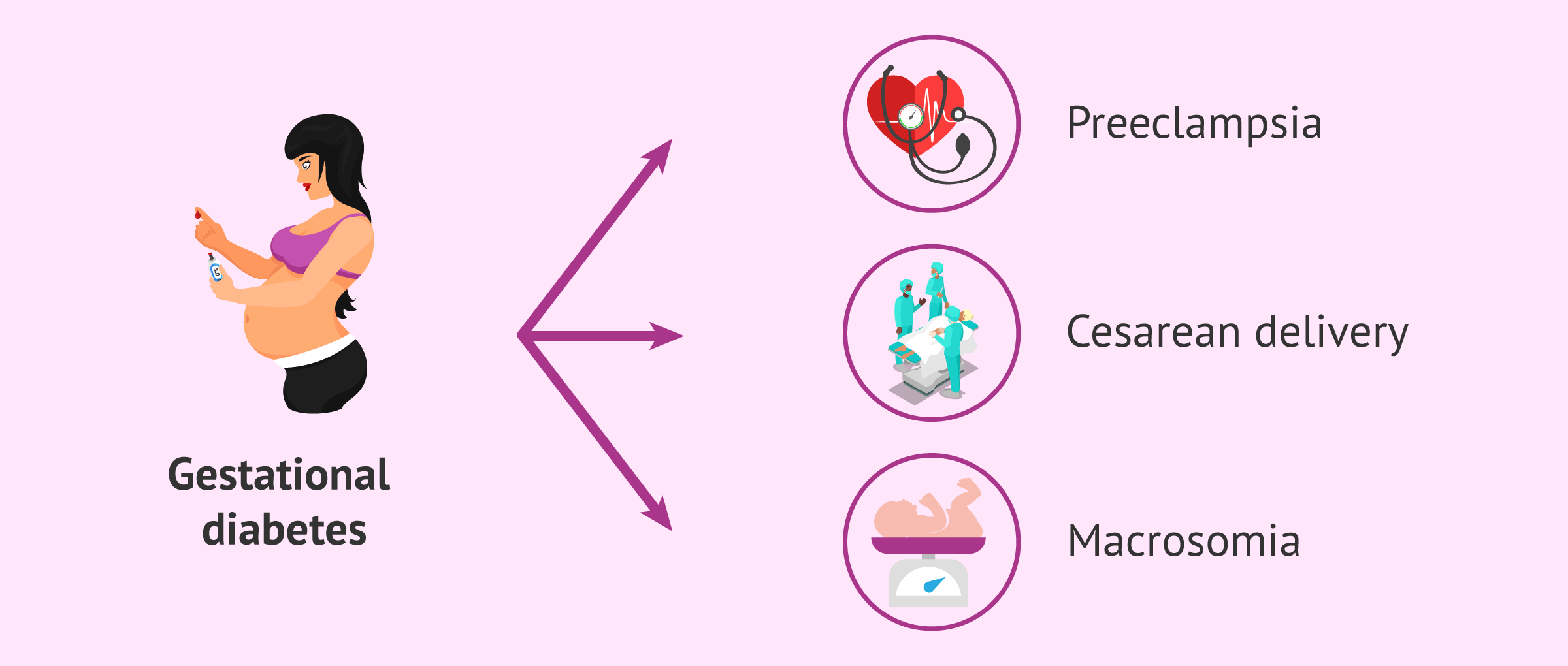
Preeclampsia: This serious condition is characterized by high blood pressure and signs of damage to other organ systems, most often the liver and kidneys. GDM is a known risk factor for developing preeclampsia, which can lead to severe health problems, including seizures (eclampsia) and stroke. The increased blood flow demands of a larger fetus and potential placental changes associated with GDM can contribute to this risk.
-
Increased Likelihood of Cesarean Section: Babies born to mothers with GDM are often larger than average (macrosomia) due to excessive glucose intake. This can make vaginal delivery more challenging and increase the likelihood of interventions like a cesarean section to ensure the safety of both mother and baby.
-
Future Risk of Type 2 Diabetes: While GDM is temporary, a history of gestational diabetes significantly increases a woman’s risk of developing type 2 diabetes later in life. This is often due to underlying genetic predispositions and lifestyle factors that contribute to insulin resistance, which GDM can bring to the forefront.
-
Infections: Pregnant individuals with GDM may be more susceptible to certain infections, particularly urinary tract infections (UTIs) and yeast infections, due to elevated glucose levels in bodily fluids that can promote bacterial and fungal growth.
For the Developing Fetus:
The effects of maternal hyperglycemia on the fetus can be far-reaching and manifest in several ways:
-
Macrosomia (Large Baby): As mentioned, the excess glucose from the mother’s bloodstream is converted into fat and stored by the fetus, leading to a larger than average baby. This can complicate labor and delivery, as discussed above.
-
Hypoglycemia (Low Blood Sugar) After Birth: Paradoxically, after birth, the baby’s insulin production, which was elevated in utero to manage the mother’s high blood sugar, can continue. This can lead to a sudden drop in the baby’s blood sugar levels, a condition known as neonatal hypoglycemia. This requires close monitoring and sometimes medical intervention.
-
Respiratory Distress Syndrome (RDS): High blood sugar levels can interfere with the development of the baby’s lungs, delaying the production of surfactant, a substance essential for keeping the air sacs in the lungs open. This can lead to breathing difficulties after birth, known as RDS.
-
Jaundice: Babies born to mothers with GDM may have a higher risk of developing jaundice, a condition where the skin and whites of the eyes turn yellow due to an excess of bilirubin, a byproduct of red blood cell breakdown. This is often linked to the increased red blood cell turnover that can occur in babies exposed to high glucose levels.
-
Birth Injuries: Macrosomia can increase the risk of birth injuries during vaginal delivery, such as shoulder dystocia (where the baby’s shoulder gets stuck behind the mother’s pubic bone) or nerve damage.
-
Stillbirth: In severe, uncontrolled cases of gestational diabetes, there is a slightly increased risk of stillbirth. This underscores the critical importance of diligent management and monitoring.
Leveraging Technology for Gestational Diabetes Management: Beyond the Clinic
The modern landscape offers unprecedented opportunities to manage health conditions, and gestational diabetes is no exception. Technology can empower individuals with GDM to take a more active and informed role in their care, bridging gaps between doctor’s appointments and providing continuous support.
H2: Smart Monitoring and Data-Driven Insights
The cornerstone of GDM management is regular blood glucose monitoring. Gone are the days of solely relying on manual logbooks. Today, a plethora of technological tools can streamline this process and offer invaluable insights.
H3: Connected Glucose Meters and Continuous Glucose Monitors (CGMs)
Modern glucose meters often feature Bluetooth connectivity, allowing them to sync data wirelessly with smartphones or dedicated devices. This eliminates the need for manual transcription, reducing errors and saving time. Some advanced meters can even provide trend analysis, highlighting patterns in blood sugar levels based on diet, activity, and medication.
For those who require more intensive monitoring, Continuous Glucose Monitors (CGMs) represent a significant technological leap. These small, wearable devices use a tiny sensor inserted under the skin to measure glucose levels every few minutes, providing a real-time picture of blood sugar fluctuations. Data from CGMs can be viewed on a smartphone app, often allowing for alerts to be set for high or low glucose levels. This continuous stream of information is incredibly valuable for both the individual and their healthcare provider, enabling finer adjustments to diet, exercise, and medication.
H3: Health and Wellness Apps for Pregnancy
The app marketplace is brimming with applications designed to support pregnant individuals. When it comes to GDM, specialized apps can:
-
Track Food Intake and Exercise: Many apps allow users to log meals, providing nutritional information and helping to identify carbohydrate content, which is crucial for managing blood sugar. Similarly, activity trackers can record steps, duration, and intensity of exercise, offering insights into how physical activity impacts glucose levels.
-
Medication Reminders: For those prescribed medication, apps can send timely reminders to ensure adherence.
-
Symptom Logging: Beyond blood sugar, these apps can also facilitate the logging of other pregnancy-related symptoms, which can be shared with healthcare providers.
-
Educational Resources: Reputable apps often integrate educational content about GDM, its complications, and management strategies, empowering users with knowledge.
H2: The Role of Digital Health Platforms and Telemedicine
The integration of technology into healthcare delivery, particularly through digital health platforms and telemedicine, offers new avenues for GDM management and communication.
H3: Secure Patient Portals and Remote Monitoring
Many healthcare providers now utilize secure online patient portals. These platforms allow individuals to access their medical records, view lab results, communicate with their care team via secure messaging, and even schedule appointments. For GDM management, these portals can be used to securely share blood glucose logs and other relevant data with their endocrinologist or obstetrician.
Telemedicine consultations have also become increasingly prevalent. Instead of frequent in-person visits, individuals can have video or phone consultations with their healthcare providers to discuss their progress, review data, and receive guidance. This is particularly beneficial for those living in remote areas or with mobility challenges, ensuring consistent access to expert advice.

H3: AI-Powered Insights and Personalized Recommendations
The burgeoning field of Artificial Intelligence (AI) is beginning to impact healthcare, offering potential for even more personalized GDM management. AI algorithms can analyze vast amounts of data – including a patient’s glucose readings, dietary logs, activity levels, and even genetic predispositions – to identify subtle patterns and predict potential issues before they arise.
While still evolving, AI-powered tools could eventually offer highly personalized dietary recommendations, exercise plans, and even predict the likelihood of developing complications. These advancements promise to move healthcare from a reactive to a proactive model, enabling individuals to stay ahead of potential health challenges associated with gestational diabetes.
Brand Awareness and Navigating Reliable Health Information
In the digital age, information is abundant, but discerning reliable sources from misinformation is a critical skill, especially when dealing with health conditions. For individuals diagnosed with gestational diabetes, building awareness around trusted health brands and organizations is paramount.
H2: Identifying Trustworthy Health Brands and Resources
Navigating the vast digital landscape for accurate information on gestational diabetes can be overwhelming. It’s essential to identify reputable sources that are backed by scientific evidence and medical expertise.
H3: Government Health Organizations and Professional Medical Associations
Leading government health organizations, such as the Centers for Disease Control and Prevention (CDC) in the United States, the National Health Service (NHS) in the UK, and similar bodies in other countries, provide evidence-based information on diabetes and pregnancy. These organizations often have dedicated sections on gestational diabetes, offering comprehensive guides, statistics, and links to further resources.
Professional medical associations, such as the American Diabetes Association (ADA), the American College of Obstetricians and Gynecologists (ACOG), and the International Diabetes Federation (IDF), are also excellent sources of information. They publish clinical guidelines, research findings, and patient education materials developed by leading experts in the field.
H3: Reputable Hospitals, Universities, and Non-Profit Health Foundations
Many leading hospitals and university medical centers have dedicated departments for maternal-fetal medicine and endocrinology. Their websites often host valuable patient education materials, articles, and blogs written by their medical professionals. Similarly, non-profit health foundations focused on diabetes research and education, such as the Juvenile Diabetes Research Foundation (JDRF) (though primarily focused on Type 1, they offer broader diabetes resources) and the National Institute of Diabetes and Digestive and Kidney Diseases (NIDDK), are reliable sources of information.
H2: The Importance of Personal Branding in Health Advocacy
While the term “personal branding” is often associated with career advancement, it can also be applied to how individuals present themselves and advocate for their health. For someone managing gestational diabetes, a positive and proactive personal brand can foster better communication with healthcare providers and create a supportive network.
H3: Proactive Communication and Information Sharing
Building a personal brand around your health journey involves being proactive in communicating your needs and understanding to your healthcare team. This means coming prepared to appointments with questions, having your blood glucose logs organized, and clearly articulating any concerns or challenges you are facing. By demonstrating a commitment to your health and a willingness to engage, you build trust and a stronger collaborative relationship with your providers.
H3: Building a Supportive Online and Offline Network
A strong personal brand also involves cultivating a positive reputation within your health community. This can involve sharing your experiences (appropriately and with privacy in mind) to help others, participating in online forums for pregnant individuals with GDM, or even forming local support groups. By contributing positively and authentically, you can build a network that offers emotional support, practical advice, and a sense of shared experience, which is invaluable when navigating the complexities of gestational diabetes.
Financial Considerations and Resource Management for Gestational Diabetes
Managing gestational diabetes, like any health condition, can have financial implications. Understanding these costs and exploring avenues for financial support and resource management is an important aspect of overall well-being during pregnancy.
H2: Navigating Healthcare Costs and Insurance
The diagnosis and management of gestational diabetes involve various healthcare services, from doctor’s visits and diagnostic tests to potential medications and monitoring devices.
H3: Understanding Insurance Coverage and Benefits
It is crucial for individuals diagnosed with GDM to thoroughly understand their health insurance policy. This includes:
- Coverage for Prenatal Care: Confirming that GDM is covered under your existing prenatal care plan.
- Co-pays and Deductibles: Being aware of the out-of-pocket costs associated with doctor’s appointments, lab work, and specialist visits.
- Medication Coverage: Verifying if any prescribed medications for blood sugar control are covered and what the co-pays will be.
- Coverage for Monitoring Devices: Investigating insurance coverage for glucose meters, test strips, and potentially CGMs, as these can represent significant expenses.
Many insurance providers offer case management services or nurse navigators who can assist with understanding benefits and coordinating care, which can be a valuable resource.
H3: Exploring Financial Assistance Programs and Discounts
If insurance coverage is limited or out-of-pocket costs are a concern, there are avenues for financial assistance:
- Hospital Financial Aid: Many hospitals offer financial assistance programs for patients who demonstrate financial need.
- Government Programs: Depending on income and residency, individuals may qualify for government assistance programs that help cover healthcare costs.
- Manufacturer Discounts and Coupons: For medications and medical supplies, inquire with your pharmacist or healthcare provider about available manufacturer discounts or coupons.
- Non-profit Organizations: Some non-profit organizations focused on diabetes or maternal health may offer grants or financial aid to individuals in need.
H2: Budgeting for Ongoing Management and Future Health
The financial impact of GDM extends beyond immediate medical costs. It’s wise to consider the long-term implications.
H3: Budgeting for Supplies and Lifestyle Changes
The ongoing need for test strips, lancets, and potentially CGMs requires regular budgeting. Additionally, dietary changes recommended for GDM management might involve purchasing healthier, potentially more expensive, food options. Planning for these recurring expenses is essential.
H3: Investing in Long-Term Health and Prevention
Given the increased risk of developing type 2 diabetes later in life, investing in long-term health is a financially sound decision. This can include:
- Maintaining a Healthy Lifestyle: Continuing with regular physical activity and a balanced diet post-pregnancy can significantly reduce the risk of developing type 2 diabetes, saving potential future medical expenses.
- Regular Health Screenings: Continuing with recommended annual physicals and diabetes screenings can help in early detection and management of any developing health issues.
- Financial Planning for Future Health Needs: Considering health savings accounts or other financial tools can help prepare for potential future healthcare expenses related to diabetes or other chronic conditions.
By proactively addressing the financial aspects of gestational diabetes, individuals can alleviate some of the stress associated with the condition, allowing them to focus on the health and well-being of themselves and their growing family. The integration of technology, a commitment to seeking reliable information, and sound financial planning are all vital components in navigating the journey of gestational diabetes and ensuring a healthy future.
aViewFromTheCave is a participant in the Amazon Services LLC Associates Program, an affiliate advertising program designed to provide a means for sites to earn advertising fees by advertising and linking to Amazon.com. Amazon, the Amazon logo, AmazonSupply, and the AmazonSupply logo are trademarks of Amazon.com, Inc. or its affiliates. As an Amazon Associate we earn affiliate commissions from qualifying purchases.