
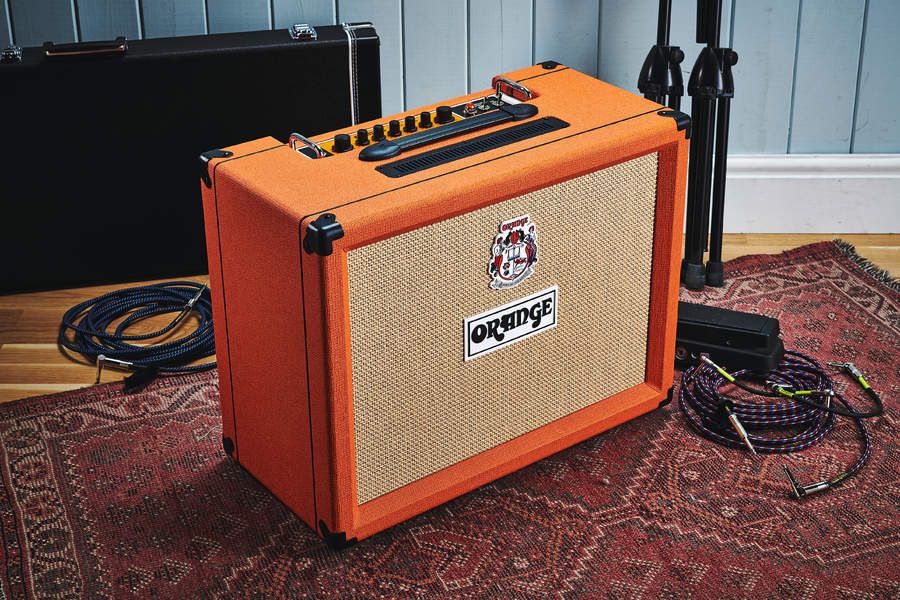
In the landscape of audio engineering and musical performance, the combo amplifier stands as one of the most significant technological benchmarks of the last century. For the uninitiated, a combo amplifier—or simply a “combo”—is a single unit that houses the three primary components of an amplification system: the preamplifier, the power amplifier, and the speaker (or speakers). While this might seem like a simple concept in an era of miniaturized electronics, the engineering required to balance these components within a single chassis is a masterclass in hardware integration.

This article explores the technical architecture of the combo amplifier, its evolution from primitive vacuum tube circuits to modern digital signal processing (DSP) powerhouses, and its pivotal role in the modern digital ecosystem.
1. The Anatomy of Integrated Audio Hardware
To understand what a combo amplifier is from a technical perspective, one must look at it as a closed-loop system designed for signal processing and acoustic output. Unlike a “stack” configuration, where the amplifier (the head) and the speaker cabinet are separate entities connected by cables, the combo amplifier is a self-contained gadget that streamlines the signal path.
The Preamplifier: The Brain of the System
The signal path begins at the preamplifier. In technical terms, the preamp is responsible for taking a low-level signal—such as the millivolt output from a guitar pickup or a keyboard—and boosting it to a line-level signal. However, its role goes beyond mere amplification. The preamp serves as the interface for tone shaping. It houses the EQ (equalization) circuits, gain stages, and often the effects loops. In high-end tech, these circuits are engineered to manage “headroom,” which is the amount of signal a circuit can handle before distorting.
The Power Amplifier: Converting Signal to Energy
Once the signal has been shaped by the preamplifier, it moves to the power amplifier. This is where the heavy lifting happens. The power amp takes the line-level signal and provides the current necessary to drive the physical movement of the speaker cone. In modern combo amps, this section often utilizes Class D amplification—a highly efficient, lightweight technology that uses pulse-width modulation (PWM) to drive speakers with minimal heat dissipation compared to traditional Class A/B circuits.
The Transducer: The Speaker and Enclosure
The final stage of the combo amp’s internal chain is the speaker. In the context of hardware engineering, a speaker is a transducer that converts electrical energy into mechanical energy (sound waves). Because the speaker is housed in the same wooden or composite cabinet as the sensitive electronic components of the amplifiers, engineers must account for vibration management and electromagnetic interference (EMI). The “open-back” or “closed-back” design of the cabinet is a piece of acoustic engineering that dictates how the low-frequency waves interact with the environment.
2. The Evolution of Circuitry: From Vacuum Tubes to Digital Modeling
The technology inside combo amplifiers has undergone several revolutionary shifts. Each era of combo amp tech represents a different philosophy of electronic engineering and signal processing.
Analog Roots: Vacuum Tube Technology
The earliest combo amplifiers relied on thermionic valves, or vacuum tubes. From a tech standpoint, these are relatively inefficient gadgets that generate significant heat and require high voltage to operate. However, their “transfer function”—the way they respond to an input signal—is highly musical. When a vacuum tube is pushed beyond its limit, it undergoes “soft clipping,” adding even-order harmonics that the human ear finds pleasing. Despite being “old tech,” tube combos remain a gold standard in audio fidelity.
Solid-State Innovation: Reliability and Efficiency
In the late 1960s and 70s, the introduction of the transistor revolutionized the combo amp. Solid-state technology replaced fragile glass tubes with silicon-based components. This transition allowed for amplifiers that were lighter, more durable, and capable of providing a “flat” response across a wider frequency range. For tech-focused users, solid-state combos offered a level of reliability that vacuum tubes could never match, making them the preferred choice for clean, high-fidelity applications.
Digital Modeling and AI Integration
Today, we are in the era of the “Smart Combo.” Modern combo amplifiers are essentially specialized computers running complex algorithms. Digital modeling technology uses DSP (Digital Signal Processing) to recreate the physical behavior of analog circuits.

Using advanced software techniques like “Component Level Modeling,” engineers can map every resistor, capacitor, and transformer of a classic 1950s amplifier into a digital code. Some modern combo amps even utilize machine learning and AI-driven profiling to “listen” to other pieces of hardware and create a digital twin (an Impulse Response or IR) of their sound. This integration of software and hardware has turned the combo amp into a versatile workstation rather than just a simple loudspeaker.
3. Connectivity and the Modern Digital Workflow
One of the most significant shifts in combo amplifier technology is how these units interface with other digital tools. No longer isolated pieces of hardware, modern combo amps are designed to be central nodes in a digital recording or performance setup.
USB Interfaces and Direct Digital Recording
Many contemporary combo amplifiers feature built-in USB audio interfaces. This allows the user to connect the amplifier directly to a computer (DAW – Digital Audio Workstation). The internal hardware converts the analog sound of the amplifier into a 24-bit/96kHz digital stream, bypassing the need for external microphones or separate audio interfaces. This “plug-and-play” capability is a hallmark of modern consumer tech, simplifying the creative workflow for content creators and musicians alike.
Wireless Control and App Integration
The rise of the Internet of Things (IoT) has extended to combo amplifiers. Many mid-to-high-end combos now feature Bluetooth and Wi-Fi connectivity. Through dedicated mobile apps, users can adjust EQ settings, swap out virtual “pedals,” and update the amplifier’s firmware over the air. This level of software-hardware synergy allows for a personalized user experience where the physical knobs on the amp are just one way to interact with the underlying technology.
FRFR Technology: The Digital Canvas
With the rise of digital floor processors, a new niche of combo amplifiers has emerged: the FRFR (Full Range Flat Response) cabinet. Unlike traditional amps that color the sound with their own frequency bias, FRFR combos are designed to be as neutral as possible. They function much like high-powered studio monitors, providing a transparent output for the digital models being fed into them. This represents a shift in tech from “character-driven hardware” to “high-fidelity reproduction systems.”
4. Technical Specs: Understanding Performance Metrics
When evaluating a combo amplifier as a piece of technology, there are several key metrics that define its performance and suitability for different environments.
Wattage vs. Sound Pressure Level (SPL)
In the tech world, “more power” doesn’t always mean “more volume.” While wattage measures the electrical power the amplifier can deliver to the speaker, the efficiency of the speaker (measured in decibels at one watt/one meter) and the perceived loudness (SPL) are what matter in practice. For instance, a 15-watt vacuum tube combo can often sound louder than a 50-watt solid-state combo due to the way the human ear perceives harmonic distortion and compression.
Impedance and Speaker Configurations
Impedance, measured in Ohms (Ω), is a critical spec in combo amp design. It represents the electrical resistance the speaker provides to the amplifier. Combo amps are engineered with matched impedance to ensure maximum power transfer and to prevent circuit failure. Furthermore, the configuration—whether a 1×12 (one 12-inch speaker) or a 2×10 (two 10-inch speakers)—drastically changes the “push” of air and the frequency response of the unit.
Bit Depth and Sampling Rates
For digital combo amps, the quality of the onboard converters is a vital tech spec. A system operating at a higher bit depth (e.g., 32-bit floating point) provides more dynamic range and a lower noise floor. High sampling rates ensure that the digital-to-analog conversion happens with minimal aliasing, preserving the “air” and high-frequency detail of the audio signal.
Conclusion: The Future of Combo Amplification
The combo amplifier has evolved from a simple wooden box with a few vacuum tubes into a sophisticated piece of integrated technology. It represents the perfect marriage of analog acoustic principles and cutting-edge digital innovation. Whether it is through the warmth of a hand-wired circuit or the precision of a high-speed DSP chip, the combo amplifier remains the most efficient and popular way to amplify sound.
As we look toward the future, we can expect combo amplifiers to become even more integrated with AI, offering “auto-EQ” features that adapt to the room’s acoustics in real-time, and even lighter materials that defy traditional laws of resonance. For the tech enthusiast, the combo amplifier is not just a tool for music; it is a testament to the power of hardware integration and the relentless pursuit of high-fidelity audio.
aViewFromTheCave is a participant in the Amazon Services LLC Associates Program, an affiliate advertising program designed to provide a means for sites to earn advertising fees by advertising and linking to Amazon.com. Amazon, the Amazon logo, AmazonSupply, and the AmazonSupply logo are trademarks of Amazon.com, Inc. or its affiliates. As an Amazon Associate we earn affiliate commissions from qualifying purchases.