
In the world of media and communication, a brand is often defined as much by what it sounds like as by what it does. For National Public Radio (NPR), the brand identity is inextricably linked to a specific linguistic landscape—a collection of terms, delivery styles, and structural cues often referred to as “NPR Jargon.” To the uninitiated, this jargon might seem like mere shop talk or idiosyncratic speech patterns. However, from a brand strategy perspective, NPR’s jargon is a sophisticated tool used to cultivate authority, foster community, and maintain a consistent corporate identity across hundreds of member stations.
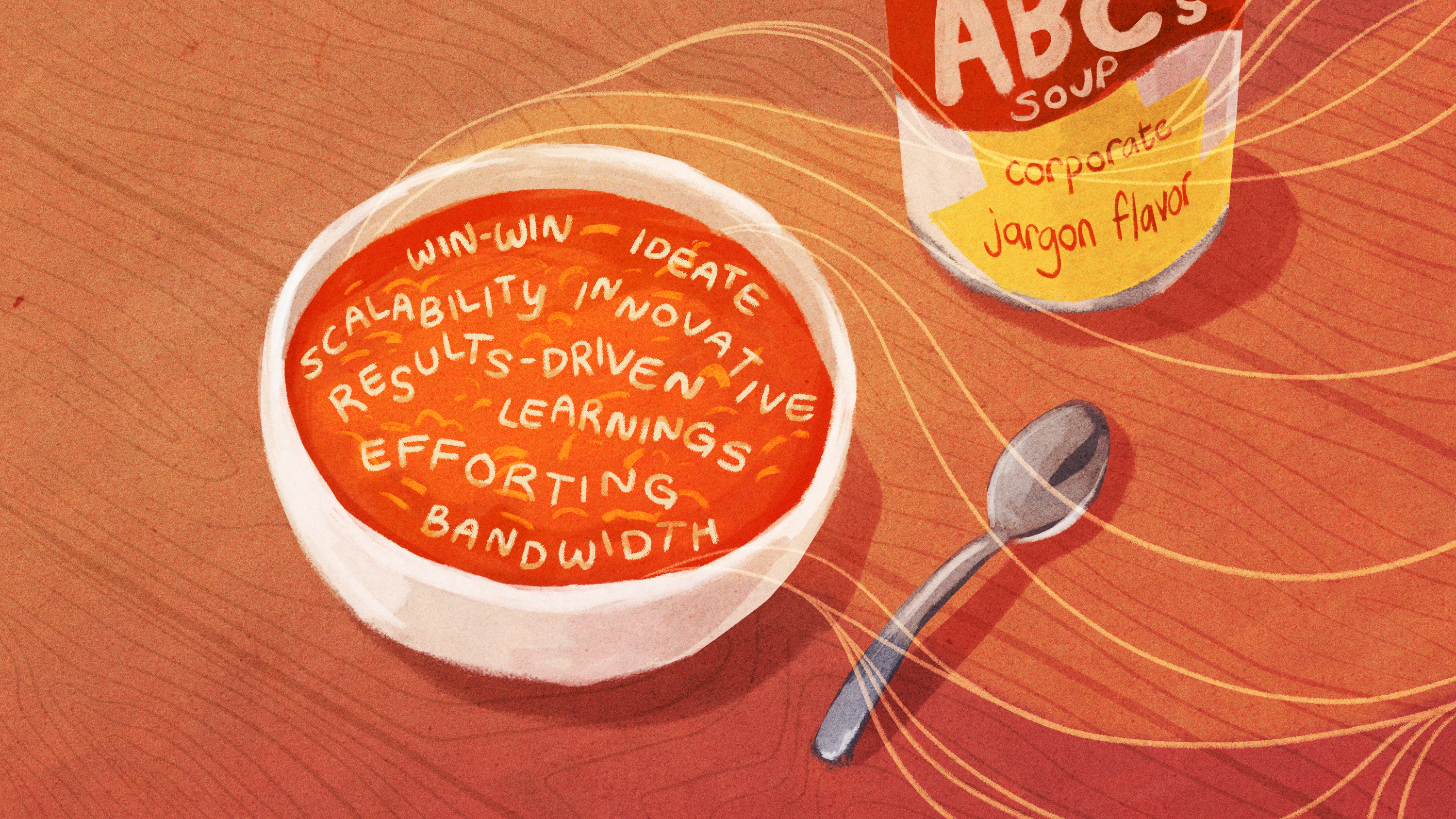
Understanding NPR jargon requires looking beyond the definitions of the words themselves and examining how they function as pillars of a multi-platform brand. In an era of fragmented media, NPR has managed to remain distinct, largely by adhering to a rigorous “sonic brand” that is reinforced by its unique vocabulary.
The Anatomy of a Brand Voice: Why NPR Jargon Matters
Brand voice is the purposeful expression of a brand through words. For NPR, this voice is characterized by a blend of intellectual curiosity, calm authority, and a conversational yet formal tone. The jargon used within the network serves as a shorthand for these values, ensuring that whether a listener is tuning into “All Things Considered” or a local member station in Alaska, the experience feels cohesive.
Defining the “NPR Voice”
The “NPR Voice” is perhaps the most famous piece of jargon in the public radio lexicon. It refers to a specific cadence—often characterized by deliberate pauses, a lower vocal register, and an intimate, “close-to-the-mic” delivery. Strategically, this is designed to create a sense of one-on-one connection. In branding terms, this is “intimacy at scale.” By avoiding the high-energy, “shouting” style of commercial talk radio, NPR positions its brand as the thoughtful, reliable alternative. The jargon of “vocal fry” or “pacing” isn’t just about acoustics; it’s about maintaining a premium brand position that signals intelligence and composure.
Linguistic Consistency as a Trust Builder
Consistency is the bedrock of brand trust. NPR uses jargon to standardize the listener’s journey. Terms like “underwriting” instead of “advertising” or “funding credits” instead of “commercials” are not accidental. They are strategic choices that distance the brand from the perceived “noise” of commercialism. By using a distinct set of terms, NPR reinforces its identity as a mission-driven, non-profit organization. This linguistic separation is vital for maintaining the “Brand Promise” of unbiased, high-quality journalism that is beholden to the public rather than corporate interests.
The Vocabulary of Loyalty: Key Terms in the NPR Lexicon
NPR has successfully turned its internal language into a badge of honor for its audience. When a brand’s jargon is adopted by its customers (or in this case, listeners), it moves from being a communication tool to a cultural signifier. This creates a “brand community” where shared language acts as a secret handshake.
The “Driveway Moment”: A Branding Masterclass
One of the most powerful terms in the NPR ecosystem is the “Driveway Moment.” This refers to a story so compelling that a listener remains in their parked car just to hear the conclusion. While it started as organic listener feedback, NPR’s marketing team leaned into it, turning it into a formal brand asset. The “Driveway Moment” is a perfect example of a “Brand Experience” metric. It quantifies engagement and emotional resonance. By acknowledging and naming this phenomenon, NPR reinforces the idea that its content is uniquely immersive, differentiating itself from the “snackable” or “disposable” content often found on social media.
Sustaining the Ecosystem: “Members” vs. “Audience”
In the world of brand strategy, how you categorize your users dictates how they interact with you. NPR rarely refers to its listeners simply as an “audience.” Instead, the jargon focuses on “Members” and “Sustaining Members.” This shifts the relationship from a passive consumption model to an active partnership model. This terminology is a key part of their “Loyalty Strategy.” By using the language of membership, NPR encourages a sense of ownership among its listeners. This isn’t just about fundraising; it’s about brand equity. A “member” is more likely to defend the brand, promote it via word-of-mouth, and remain loyal during shifts in the media landscape.
Sonic Branding and Technical Terminology
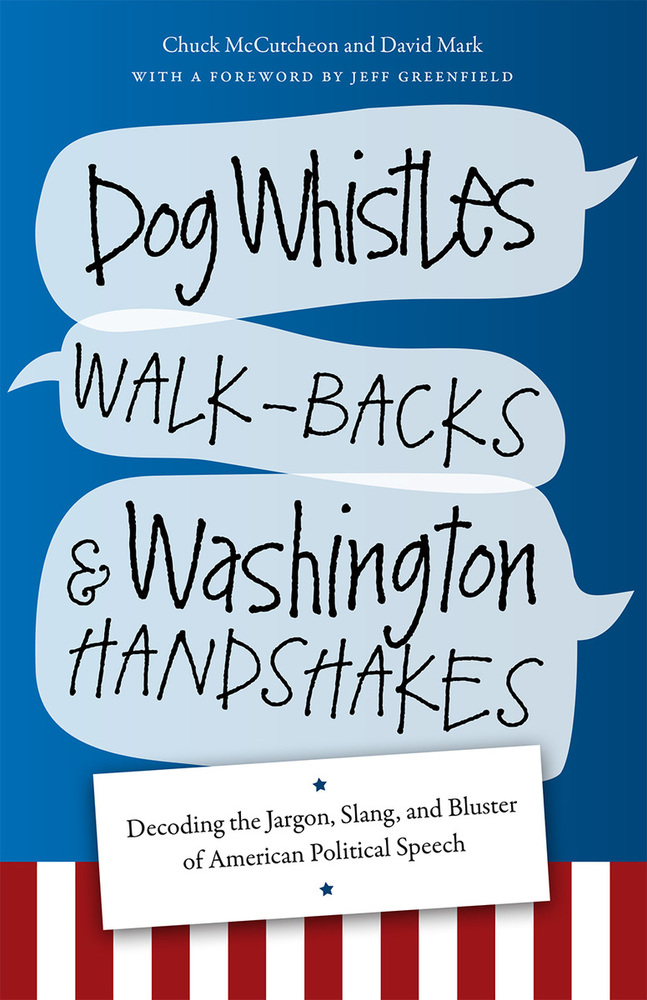
NPR’s brand is built on sound, and the jargon surrounding its production reflects a deep commitment to “Sonic Branding.” Just as a visual brand has a style guide for fonts and colors, NPR has a sonic style guide that dictates how stories are built and delivered.
From “Lead-ins” to “Outros”: The Structural Rhythm
The structural jargon of an NPR broadcast—terms like “buttons,” “stingers,” “lead-ins,” and “lockouts”—creates a predictable rhythm. For the brand, this rhythm is essential for “Brand Recognition.” Even if a listener tunes in mid-program, the specific use of a musical “button” (a short musical transition) or the cadence of an “outro” tells them exactly what they are listening to. This structural consistency allows NPR to scale its brand across thousands of different stories while maintaining a unified feel. It is the audio equivalent of the “white space” and “grid systems” used in high-end graphic design.
The Credits: Personal Branding Within the Corporate Umbrella
NPR is famous for its elaborate credit sequences at the end of shows. Jargon terms like “Senior Supervising Editor” or “Production Assistant” are delivered with a specific flair. This serves two branding purposes. First, it humanizes the corporate identity by putting names and voices to the work, fostering a “transparent brand” image. Second, it allows for “Personal Branding” within the NPR ecosystem. Hosts and producers become brand ambassadors in their own right. The ritualistic nature of the credits—often ending with a quirky “Director of [Humorous Title]”—adds a layer of personality and “Brand Warmth,” making the institution feel approachable rather than monolithic.
Adapting the Jargon for the Digital Age
As NPR has transitioned from a purely terrestrial radio brand to a digital powerhouse, its jargon has evolved. The challenge of “Brand Extension”—moving a brand into new categories—is maintaining the core identity while adapting to new formats.
Podcast Culture and the Evolution of Sound
The rise of NPR Podcasts like “Planet Money” or “Hidden Brain” required a slight shift in jargon and tone. The “Podcast Voice” is often more informal than the “Radio Voice.” However, the core NPR jargon remains. The use of “found sound” (ambient noise recorded on location) and “the host’s journey” (a narrative structure where the host learns alongside the listener) are now part of the brand’s digital DNA. This evolution shows how a brand can modernize its “Linguistic Identity” without losing its heritage. By blending traditional radio jargon with modern podcasting techniques, NPR has successfully captured a younger, “digital-first” demographic.
Maintaining Brand Identity Across Platforms
“NPR One,” the brand’s personalized streaming app, uses algorithms to deliver content, but the language remains quintessentially NPR. The jargon of the “flow”—how stories are sequenced for an individual user—is a digital manifestation of the traditional “broadcast clock.” In this context, jargon serves as a bridge between the old and the new. It ensures that the “User Experience” (UX) remains grounded in the brand’s history of storytelling, even when the delivery mechanism is a smartphone rather than a transistor radio.
Lessons for Modern Brand Strategists
The “NPR Jargon” is more than just a list of industry terms; it is a case study in how a brand can use language to dominate a niche. Whether you are building a tech startup, a personal brand, or a corporate identity, there are several key takeaways from the NPR model.
Cultivating a Shared Language
Successful brands create their own vocabulary. Think of Apple’s “Genius Bar” or Starbucks’ “Barista.” This language separates the “in-group” from the “out-group.” For NPR, the jargon of “public media” creates a sense of mission that commercial broadcasters cannot replicate. To build a strong brand, you must identify the unique terms that define your service or product and use them consistently. This builds a “Semantic Barrier to Entry,” where your brand becomes the standard-bearer for a specific type of conversation.

Authenticity Over Artifice
The most effective brand jargon feels authentic to the mission. NPR’s language works because it reflects the actual values of the organization: depth, accuracy, and civility. If a brand adopts jargon that doesn’t align with its actions, it creates “Brand Dissonance.” NPR avoids this by ensuring that its internal culture and its external communication are perfectly aligned. The jargon is not a mask; it is a reflection of the brand’s soul.
In conclusion, “NPR Jargon” is a vital component of one of the most successful brand strategies in media history. By meticulously crafting a unique voice, fostering a sense of membership through shared vocabulary, and maintaining rigorous sonic standards, NPR has built a brand that is instantly recognizable and deeply trusted. For any brand strategist, the lesson is clear: the words you choose define the world your brand inhabits. Through its jargon, NPR has created a world that millions of people are proud to be a part of.
aViewFromTheCave is a participant in the Amazon Services LLC Associates Program, an affiliate advertising program designed to provide a means for sites to earn advertising fees by advertising and linking to Amazon.com. Amazon, the Amazon logo, AmazonSupply, and the AmazonSupply logo are trademarks of Amazon.com, Inc. or its affiliates. As an Amazon Associate we earn affiliate commissions from qualifying purchases.