
In the dynamic world of fabrication, manufacturing, and repair, the demand for versatile and efficient tools is constant. Among the myriad of specialized equipment, the combination welder stands out as a paramount example of technological ingenuity, offering a multi-faceted approach to joining metals. Far from being a mere amalgamation of separate devices, a combination welder is a sophisticated piece of engineering designed to integrate several distinct welding processes into a single, compact unit. This innovation significantly enhances productivity, reduces equipment footprint, and provides unparalleled flexibility for professionals tackling diverse projects.
The Evolution of Welding Technology
The journey from rudimentary blacksmithing to today’s advanced welding processes is a testament to human innovation. Early methods involved immense physical labor and limited control, yielding inconsistent results. The advent of arc welding in the late 19th and early 20th centuries marked a significant technological leap, introducing more precise and durable metal joining techniques.
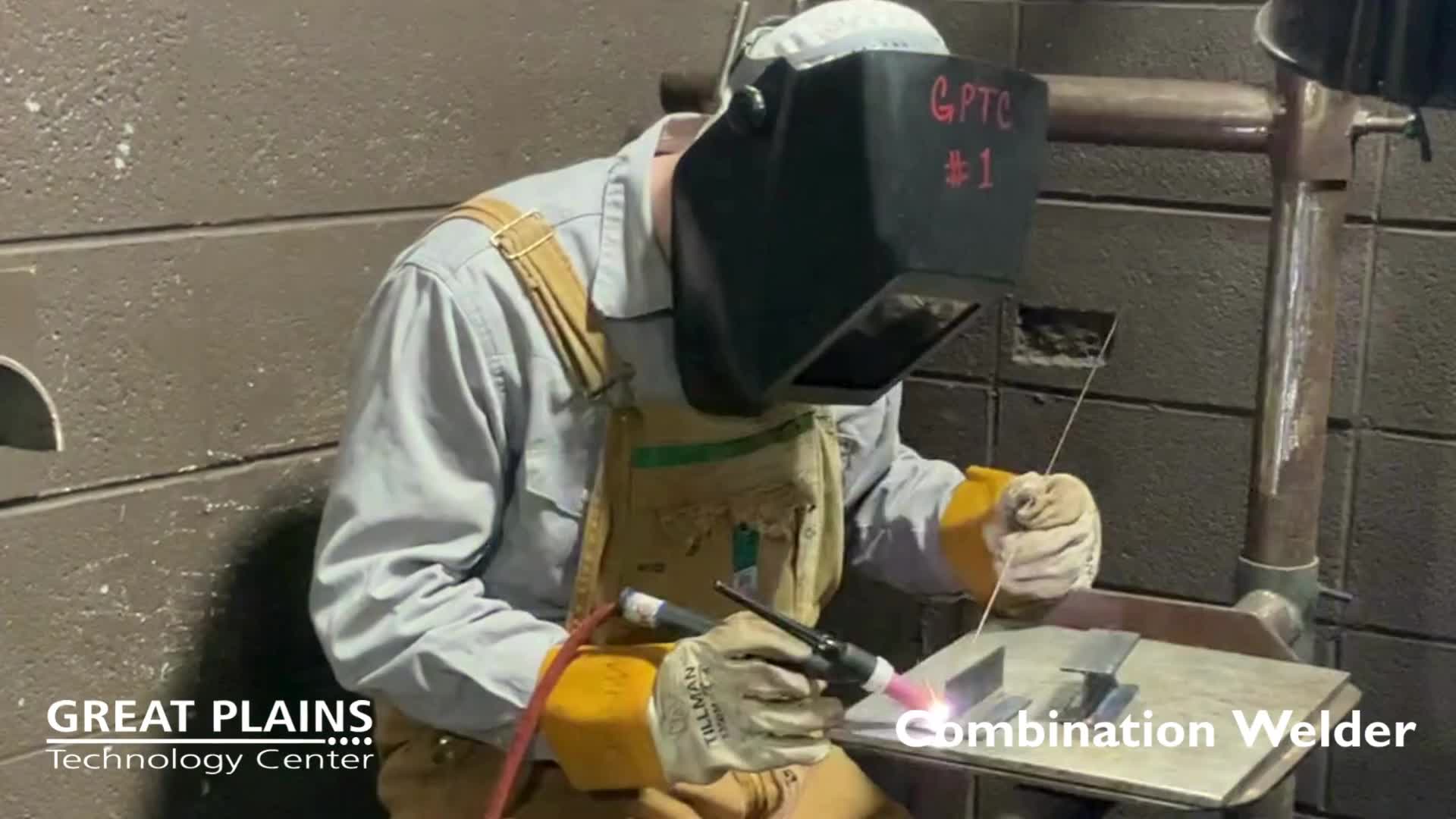
From Basic Arc to Multi-Process Mastery
Initially, welders were highly specialized, performing only one type of welding process, such as Stick (Shielded Metal Arc Welding – SMAW), MIG (Gas Metal Arc Welding – GMAW), or TIG (Gas Tungsten Arc Welding – GTAW). Each process had its distinct advantages and limitations, suitable for specific metals, thicknesses, and environmental conditions. Fabricators often required multiple machines, leading to increased investment, maintenance, and space requirements.
The drive for greater efficiency and adaptability spurred the development of more advanced welding machines. The introduction of inverter technology in the latter half of the 20th century revolutionized the industry. Inverter-based power sources are significantly smaller, lighter, and more energy-efficient than traditional transformer-based machines. This technological leap laid the groundwork for integrating multiple welding capabilities into a single unit without sacrificing power or performance.
The Demand for Versatility
Modern industrial practices and even hobbyist projects frequently encounter a variety of materials and joint configurations. A welding task might begin with thick steel requiring the high deposition rates of MIG, transition to precision stainless steel work demanding the clean welds of TIG, and conclude with outdoor repairs best suited for the wind-resistant properties of Stick welding. The need to switch between processes seamlessly, without changing machines or locations, became a critical factor driving the market for combination welders. These machines are not just convenience tools; they represent a fundamental shift towards more adaptive and responsive manufacturing and repair workflows.
Deconstructing the Combination Welder
At its core, a combination welder is a single power source capable of delivering the specific electrical characteristics required for multiple welding processes. This multi-process capability is its defining feature, making it a highly valued asset across various sectors.
Core Functionality: More Than Just One Process
A typical combination welder will incorporate at least two, and often three or more, primary welding functions. Understanding these individual processes is key to appreciating the versatility of the combined unit.
- MIG (Gas Metal Arc Welding): Often considered the easiest process to learn, MIG welding uses a continuously fed wire electrode that is consumed during the welding process. An inert gas shield (usually argon or an argon/CO2 mix) protects the weld pool from atmospheric contamination. It’s excellent for rapid, high-deposition welds on a wide range of metals, particularly steel and aluminum, making it a workhorse in automotive, fabrication, and manufacturing. Many combination welders also offer Flux-Cored Arc Welding (FCAW) functionality, which uses a tubular wire filled with flux, eliminating the need for an external gas shield and making it ideal for outdoor or dirty environments.
- TIG (Gas Tungsten Arc Welding): Renowned for its precision, clean welds, and aesthetic appeal, TIG welding uses a non-consumable tungsten electrode and a separate filler rod, with an inert gas (typically argon) shielding the weld. It offers exceptional control over heat input and penetration, making it ideal for thin materials, exotic metals like titanium and magnesium, and critical applications where weld quality is paramount, such as aerospace and medical device fabrication. AC TIG capability (Alternating Current) is particularly important for welding aluminum.
- Stick (Shielded Metal Arc Welding – SMAW): The oldest and arguably most rugged arc welding process, Stick welding uses a consumable electrode coated with flux. The flux disintegrates during welding, creating a gas shield and slag that protects the weld. Stick welding is incredibly versatile, performing well in windy conditions, on rusty or dirty material, and on thick sections. It’s a staple for outdoor construction, pipeline work, and repair operations due to its portability and tolerance for less-than-ideal conditions.
Key Technological Features
Modern combination welders leverage advanced technology to deliver superior performance and user experience.
- Inverter Technology: As mentioned, this is the backbone. Inverters convert AC utility power into a higher frequency DC current, which is then transformed back into a precisely controlled welding current. This results in smaller transformers, lighter machines, and significantly more efficient power delivery compared to older transformer-based designs. It also allows for sophisticated waveform control, crucial for processes like AC TIG welding.
- Digital Controls and Synergic Settings: Many combination welders feature digital interfaces, allowing for precise adjustment of amperage, voltage, wire feed speed, and gas flow. Synergic settings further simplify operation by allowing the user to input material type and thickness, and the machine automatically recommends optimal parameters. This smart functionality reduces the learning curve and ensures consistent weld quality, even for less experienced operators.
- Portability and Power: The compact nature of inverter technology means that powerful combination welders can be surprisingly lightweight and portable, often equipped with handles or wheels for easy transport. Despite their size, they can deliver substantial amperage, capable of welding thick materials with high duty cycles (the amount of time a welder can operate continuously within a 10-minute period before needing to cool down).
- Safety Enhancements: Integrated safety features are standard, including thermal overload protection, voltage reduction devices (VRD) for stick welding in damp environments, and robust designs that meet international safety standards. These features protect both the operator and the equipment.
Advantages and Applications in Modern Industries
The rise of the combination welder is not merely a matter of convenience; it reflects a broader trend in technology towards multi-functional, adaptive tools that maximize efficiency and resource utilization.
Unrivaled Versatility and Efficiency
The primary advantage is the ability to switch between welding processes quickly and seamlessly. This eliminates the need to move between different machines, reducing downtime and increasing overall productivity. A single operator can tackle a variety of tasks on a single workpiece or across multiple projects without interruption, making workflows smoother and more efficient. For businesses, this translates to faster project completion and higher output.

Cost-Effectiveness and Space Saving
Investing in a single combination welder is often more cost-effective than purchasing separate machines for each welding process, especially when considering initial purchase price, maintenance, and the cost of floor space. For small fabrication shops, home workshops, or mobile repair services, consolidating equipment is a significant benefit, freeing up valuable space and capital.
Common Industrial and DIY Applications
Combination welders have found their niche across a vast spectrum of applications:
- Automotive Repair and Customization: From repairing body panels with MIG to fabricating custom exhaust systems or roll cages with TIG, combination welders are indispensable in auto shops.
- Fabrication Shops and Manufacturing: Small to medium-sized fabrication businesses benefit greatly from the ability to work with diverse materials and joint types without retooling their shop floor.
- Art and Sculpture: Artists often use multiple welding processes to create intricate metal sculptures, where TIG offers precision for fine details and MIG/Stick provides strength for structural elements.
- Maintenance and Repair Operations (MRO): In industrial settings, maintenance technicians frequently encounter varied repair needs, from heavy equipment (Stick) to delicate machinery (TIG), making a combination welder an ideal solution.
- Field Work and Remote Projects: Their portability and multi-process capability make them perfect for on-site repairs, construction projects, and agricultural maintenance where diverse welding needs arise in locations with limited access to specialized equipment.
Choosing the Right Combination Welder
Selecting the appropriate combination welder involves assessing current and future needs, understanding technical specifications, and considering long-term value.
Assessing Your Needs: Amperage, Duty Cycle, and Processes
- Amperage Output: This determines the thickness of the material you can weld. Higher amperage (e.g., 200-250+ amps) is required for thicker metals.
- Duty Cycle: Indicates how long the machine can weld at its maximum rated amperage within a 10-minute period. A 60% duty cycle at 200 amps means it can weld for 6 minutes continuously at 200 amps before needing 4 minutes to cool down. Higher duty cycles are critical for production environments.
- Required Processes: Decide which welding processes (MIG, TIG, Stick, AC TIG for aluminum) are essential for your work. Some entry-level models might offer MIG/Stick, while advanced units include DC TIG and AC TIG.
- Voltage Input: Most hobbyist welders operate on 120V, while professional models often require 240V for higher power output. Dual voltage capability offers maximum flexibility.
Understanding Different Models and Brands
The market offers a wide array of combination welders from various manufacturers, ranging from entry-level consumer models to robust industrial-grade machines. Researching brands known for reliability, customer support, and specific technological innovations (e.g., specific pulse TIG features, advanced synergic controls) is crucial. Reviews and testimonials from professional welders can provide invaluable insights into real-world performance.
Essential Accessories and Safety Gear
A combination welder is only part of the equation. Don’t overlook the importance of complementary tools and safety equipment:
- Welding Helmet: Auto-darkening helmets are highly recommended for comfort and safety.
- Gloves: Heat-resistant gloves specific to welding processes.
- Welding Cart: For portability and organizing gas cylinders and accessories.
- Gas Cylinders: Appropriate shielding gases for MIG and TIG.
- Consumables: Electrodes, welding wire, tungsten electrodes, nozzles, and collets.
- Ventilation: Crucial for removing fumes, especially when welding indoors.
- Fire Extinguisher: A basic safety necessity in any welding environment.
The Future Landscape of Welding Technology
The trajectory of combination welders, like much of industrial technology, points towards greater integration, automation, and intelligence.
Integration with Automation and Robotics
As industries move towards Industry 4.0, combination welders are increasingly designed to interface with robotic arms and automated systems. Their precise digital controls and multi-process capabilities make them ideal candidates for flexible manufacturing cells where robots can switch between MIG, TIG, or plasma cutting depending on the task, all from a single power source. This reduces setup times and increases throughput in high-volume production.
Advancements in Material Joining
Research continues into new welding waveforms, pulse technologies, and material sciences that will further enhance the capabilities of combination welders. Expect to see improved performance on challenging materials like advanced high-strength steels and exotic alloys, alongside greater efficiency in energy consumption.

Smart Welding Systems and IoT
The concept of “smart” tools will also extend to combination welders. Integrated sensors could monitor weld quality in real-time, provide feedback to the operator, and even self-diagnose maintenance needs. Connectivity through IoT (Internet of Things) could enable remote monitoring, predictive maintenance, and data analysis to optimize welding parameters across multiple machines in a factory setting. This confluence of mechanical, electrical, and digital engineering ensures that the combination welder will remain at the forefront of metal joining technology, continually adapting to the evolving demands of industry and craftsmanship.
aViewFromTheCave is a participant in the Amazon Services LLC Associates Program, an affiliate advertising program designed to provide a means for sites to earn advertising fees by advertising and linking to Amazon.com. Amazon, the Amazon logo, AmazonSupply, and the AmazonSupply logo are trademarks of Amazon.com, Inc. or its affiliates. As an Amazon Associate we earn affiliate commissions from qualifying purchases.