
In today’s rapidly evolving landscape, the ability to adapt and thrive is no longer a luxury; it’s a fundamental necessity. Whether you’re a burgeoning startup or an established enterprise, navigating the constant flux of technological advancements, shifting market demands, and evolving consumer expectations requires a deliberate and well-defined approach. This is precisely where a change management strategy comes into play. It’s not just about reacting to change, but about proactively shaping its trajectory for optimal outcomes.
At its core, a change management strategy is a systematic framework designed to guide individuals, teams, and organizations through transitions. It’s about understanding the ‘why’ behind a change, planning its ‘how,’ and ensuring its successful adoption and integration. Without a robust strategy, even the most promising initiatives can falter, leading to resistance, inefficiency, and missed opportunities.
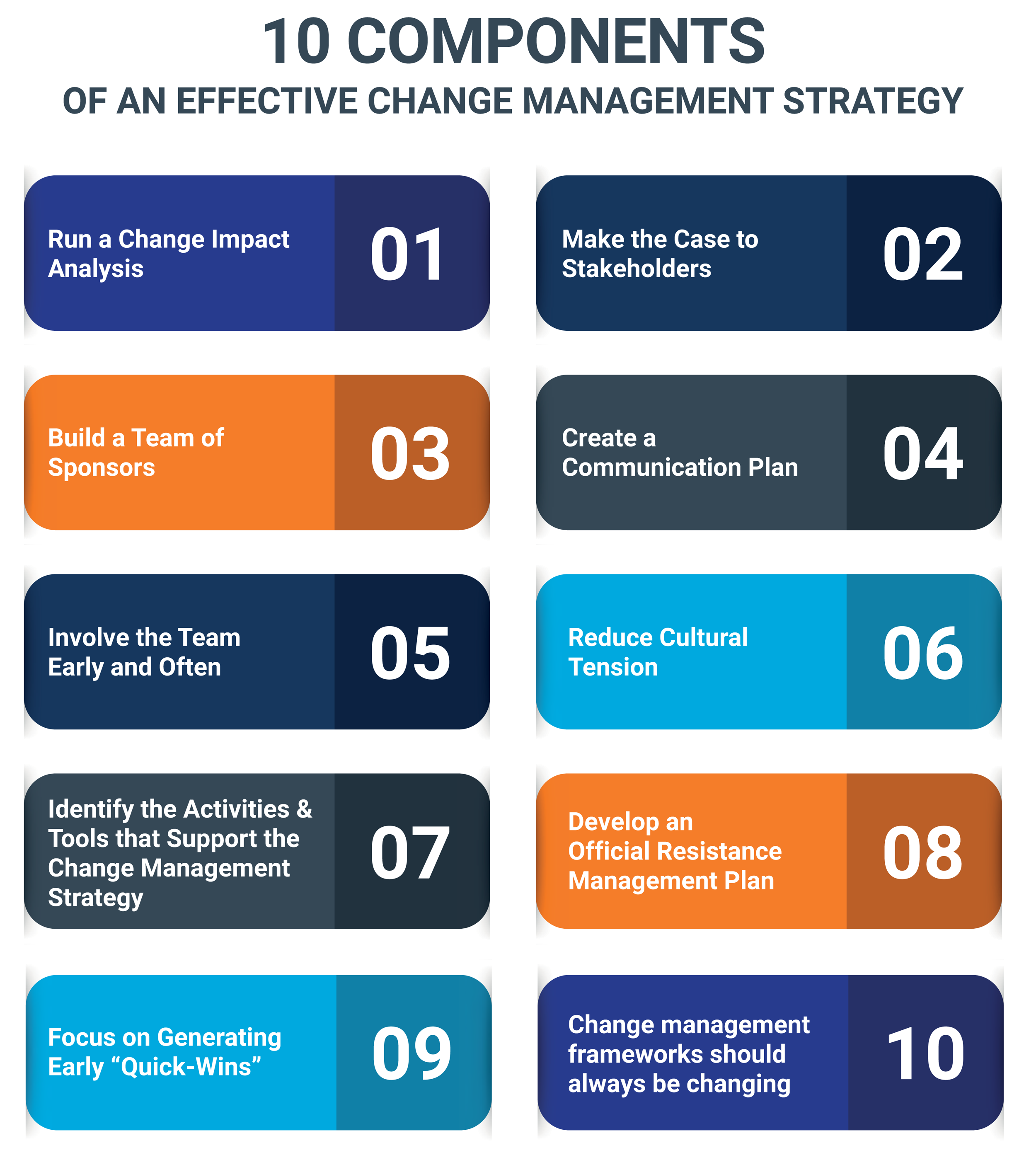
This article will delve into the multifaceted nature of change management strategies, exploring how they are essential for success across the critical domains of Tech, Brand, and Money. We will uncover the key components of an effective strategy and illustrate how it empowers organizations to leverage change as a catalyst for growth and innovation.
The Imperative of Strategic Change: Why It Matters
Change, in its purest form, is inevitable. The digital revolution continues to accelerate, reshaping how we work, communicate, and consume. New technologies emerge at an unprecedented pace, demanding that businesses constantly re-evaluate their tools, processes, and skill sets. Simultaneously, brand perception is a fluid entity, susceptible to the tides of social media sentiment, competitor actions, and evolving consumer values. In the financial realm, economic shifts, regulatory changes, and the emergence of new investment avenues necessitate agile financial planning and execution.
A change management strategy provides the compass and the roadmap to navigate these turbulent waters. It moves beyond mere reaction and embraces a proactive stance, allowing organizations to:
- Minimize Disruption: By anticipating potential challenges and developing mitigation plans, a strategy helps to smooth the transition process, reducing operational hiccups and maintaining productivity.
- Maximize Adoption: Effective change management focuses on the human element, ensuring that individuals understand the benefits of the change, feel supported, and are equipped with the necessary skills and knowledge to embrace new ways of working.
- Drive Innovation: By creating an environment that is receptive to new ideas and approaches, a strong change strategy can unlock creative potential and foster a culture of continuous improvement.
- Achieve Strategic Objectives: Ultimately, change management is about ensuring that transitions align with broader organizational goals, whether it’s launching a new product, adopting a new technology, or responding to a market shift.
The Human Element: The Bedrock of Successful Change
It’s crucial to understand that change management is not solely about technological implementation or process optimization; it’s fundamentally about people. Resistance to change is a natural human response, often stemming from fear of the unknown, perceived loss of control, or a lack of understanding. A well-crafted strategy acknowledges this reality and prioritizes:
- Clear Communication: Transparent and consistent communication is paramount. Employees need to understand the rationale behind the change, its potential impact, and what is expected of them. This involves active listening and addressing concerns openly.
- Stakeholder Engagement: Identifying and involving all relevant stakeholders from the outset is critical. Their input can provide valuable insights, build buy-in, and foster a sense of ownership.
- Training and Development: Equipping individuals with the skills and knowledge required to adapt to new systems, processes, or roles is non-negotiable. This could involve formal training programs, workshops, or ongoing coaching.
- Leadership Sponsorship: Visible and active support from leadership is a powerful driver of change. Leaders must champion the initiative, communicate its importance, and demonstrate their commitment.
- Reinforcement and Recognition: Once the change is implemented, it’s essential to reinforce new behaviors and celebrate successes. This helps to solidify the adoption of the change and encourage further positive adaptation.
Change Management in the Realm of Tech
The technology sector is perhaps the most dynamic and relentless driver of change. From the rapid evolution of AI tools to the constant influx of new software and gadgets, staying ahead requires a sophisticated change management strategy.
Navigating Technological Shifts: Adapting to the Future
When a company decides to adopt new software, implement AI-powered solutions, or integrate cutting-edge gadgets into its workflow, a change management strategy is essential for a smooth transition. This involves:
- Assessing Current Technological Landscape: Understanding existing systems, their limitations, and how they align with new technological advancements is the first step. This allows for a realistic evaluation of the impact of upcoming changes.
- Identifying Technological Trends and Opportunities: A proactive strategy involves monitoring emerging technologies and identifying those that can offer a competitive advantage or improve efficiency. This foresight allows for planned adoption rather than reactive scrambling.
- Developing a Technology Adoption Roadmap: This roadmap outlines the phases of technological implementation, including pilot programs, phased rollouts, and full integration. It also defines key milestones and success metrics.
- Addressing Digital Security Concerns: The introduction of new technologies often brings new security vulnerabilities. A change management strategy must incorporate robust digital security protocols, employee training on best practices, and a clear incident response plan.
- Leveraging AI Tools for Enhanced Productivity: Implementing AI tools, such as chatbots for customer service, predictive analytics for sales forecasting, or automation software for repetitive tasks, requires careful planning. This includes identifying the right AI tools for specific needs, training employees on their usage, and managing the ethical implications of AI deployment.
- Managing Software Updates and Upgrades: Even routine software updates can disrupt workflows if not managed strategically. A change management approach ensures that updates are tested, communication is clear about potential downtime or new features, and users are adequately prepared.
- Integrating New Gadgets and Devices: The influx of smart devices and wearables can offer new avenues for productivity and data collection. A change strategy will consider how these devices will be integrated into existing infrastructure, managed from a security perspective, and how employees will be trained to utilize them effectively.
Key considerations for Tech Change Management:
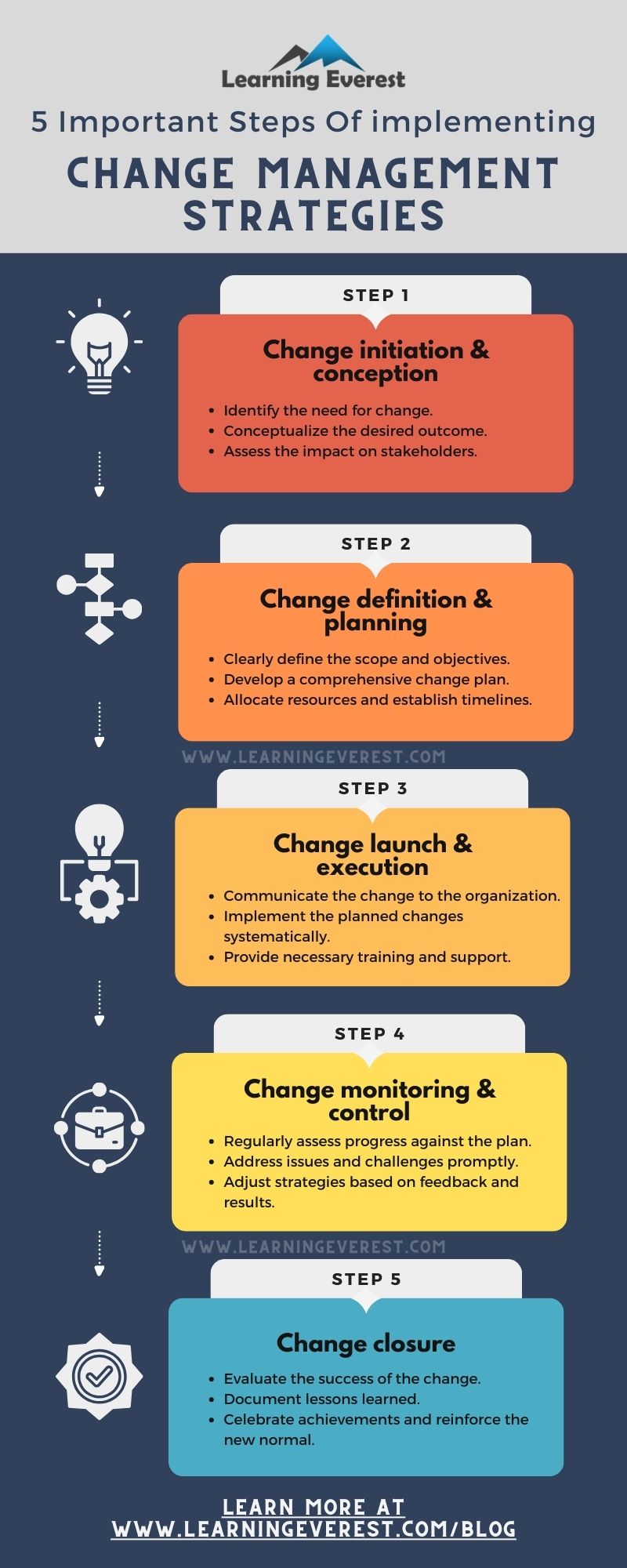
- Agility and Iteration: The rapid pace of technological change demands an agile approach. Strategies should be flexible enough to adapt to unforeseen developments and allow for iterative improvements.
- Talent Development: Investing in upskilling and reskilling employees to work with new technologies is paramount. This ensures that the workforce is not left behind and can fully leverage the benefits of technological advancements.
- Data Management and Analytics: New technologies often generate vast amounts of data. A change management strategy must address how this data will be collected, stored, analyzed, and used to inform future decisions.
Brand Transformation: Crafting and Protecting Your Identity
In the competitive marketplace, a strong and consistent brand is a powerful asset. However, brands are not static; they must evolve to remain relevant and resonate with their target audience. A change management strategy is crucial for any initiative that impacts a brand’s identity, messaging, or market perception.
Evolving Your Brand: Staying Relevant in a Dynamic Market
Whether it’s a complete rebranding, a new marketing campaign, or a shift in corporate identity, managing these transitions effectively is vital for maintaining brand equity and achieving business objectives.
- Understanding Brand Equity and Perception: Before initiating any brand-related change, a thorough understanding of the current brand perception among stakeholders – customers, employees, and the wider public – is essential. This forms the baseline for measuring the success of the change.
- Defining the Brand Strategy and Vision: A clear vision for the future of the brand is the cornerstone of any successful change. This involves articulating the desired brand positioning, target audience, and unique value proposition.
- Developing a Marketing and Communications Plan: Any significant brand change necessitates a well-defined marketing and communications strategy to effectively convey the new message to the target audience. This includes identifying the right channels, crafting compelling narratives, and managing public relations.
- Managing Corporate Identity and Visual Assets: Changes to a brand often involve updates to logos, color palettes, typography, and other visual elements. A change management strategy ensures these elements are updated consistently across all touchpoints.
- Addressing Reputation Management: In the digital age, public perception can shift rapidly. A change management strategy for brand initiatives must include proactive reputation management, including monitoring social media sentiment, responding to feedback, and addressing any potential crises.
- Leveraging Case Studies for Proof of Concept: When introducing new products, services, or brand initiatives, showcasing successful case studies can be a powerful tool to build trust and demonstrate value. A change management strategy can incorporate the development and dissemination of these case studies.
- Ensuring Internal Alignment with Brand Values: For a brand change to be truly effective, internal stakeholders – employees – must understand and embody the new brand values. This requires internal communication, training, and fostering a culture that aligns with the desired brand identity.
Key considerations for Brand Change Management:
- Consistency Across Touchpoints: Inconsistent messaging or visual representation can erode brand credibility. A change strategy must ensure seamless integration of new brand elements across all customer touchpoints, from websites and social media to product packaging and customer service interactions.
- Authenticity and Transparency: Consumers are increasingly seeking authentic brands. Any brand evolution should be rooted in genuine values and communicated transparently to build lasting trust.
- Long-Term Vision: Brand transformation is not a quick fix. It requires a long-term vision and a commitment to continuous evolution to stay relevant and competitive.
The Financial Landscape: Adapting to Economic Realities
The world of money is perpetually in motion. Personal finance habits, investment strategies, and business financial planning are all subject to economic shifts, regulatory changes, and technological innovations. A robust change management strategy is crucial for individuals and organizations aiming to secure their financial future.
Mastering Financial Transitions: Securing Your Future
Whether it’s adjusting personal investment portfolios, implementing new financial tools for a business, or navigating the complexities of online income generation, strategic adaptation is key.
- Understanding Personal Finance Principles: For individuals, mastering personal finance begins with understanding core principles like budgeting, saving, and debt management. Changes in income or expenses necessitate a strategic adjustment of these habits.
- Developing Investment Strategies: The investment landscape is constantly evolving with new asset classes, market trends, and financial tools. A change management strategy for investing involves adapting portfolios based on risk tolerance, market conditions, and long-term financial goals. This might involve learning about new investment platforms or understanding the implications of macroeconomic shifts.
- Exploring Online Income and Side Hustles: The rise of the gig economy and online marketplaces has created new avenues for income generation. A strategic approach to online income involves identifying opportunities, developing necessary skills, and adapting to evolving platform dynamics and payment structures.
- Implementing Business Finance Best Practices: For businesses, sound financial management is critical. This can involve adopting new accounting software, optimizing cash flow, or securing new funding. A change management strategy ensures these financial transitions are implemented efficiently and with minimal disruption.
- Utilizing Financial Tools and Technology: A plethora of financial tools, from budgeting apps and investment platforms to accounting software and online banking services, can enhance financial management. A change strategy involves identifying the most suitable tools for specific needs and ensuring their effective adoption and integration.
- Navigating Economic Uncertainty and Market Volatility: Economic downturns, inflation, and market fluctuations require a strategic and often agile response. This might involve diversifying assets, adjusting spending habits, or seeking expert financial advice.
- Adapting to Regulatory and Tax Law Changes: Changes in tax laws and financial regulations can significantly impact personal and business finances. A proactive approach involves staying informed and adjusting financial strategies accordingly.
Key considerations for Financial Change Management:
- Risk Assessment and Mitigation: Financial decisions inherently involve risk. A change management strategy must incorporate a thorough assessment of potential risks and the development of mitigation plans.
- Long-Term Planning and Goal Setting: Financial success is rarely achieved overnight. A strategic approach emphasizes long-term planning, setting clear financial goals, and consistently adapting strategies to achieve them.
- Continuous Learning and Adaptation: The financial landscape is dynamic. A commitment to continuous learning about new financial products, investment vehicles, and economic trends is essential for effective adaptation.
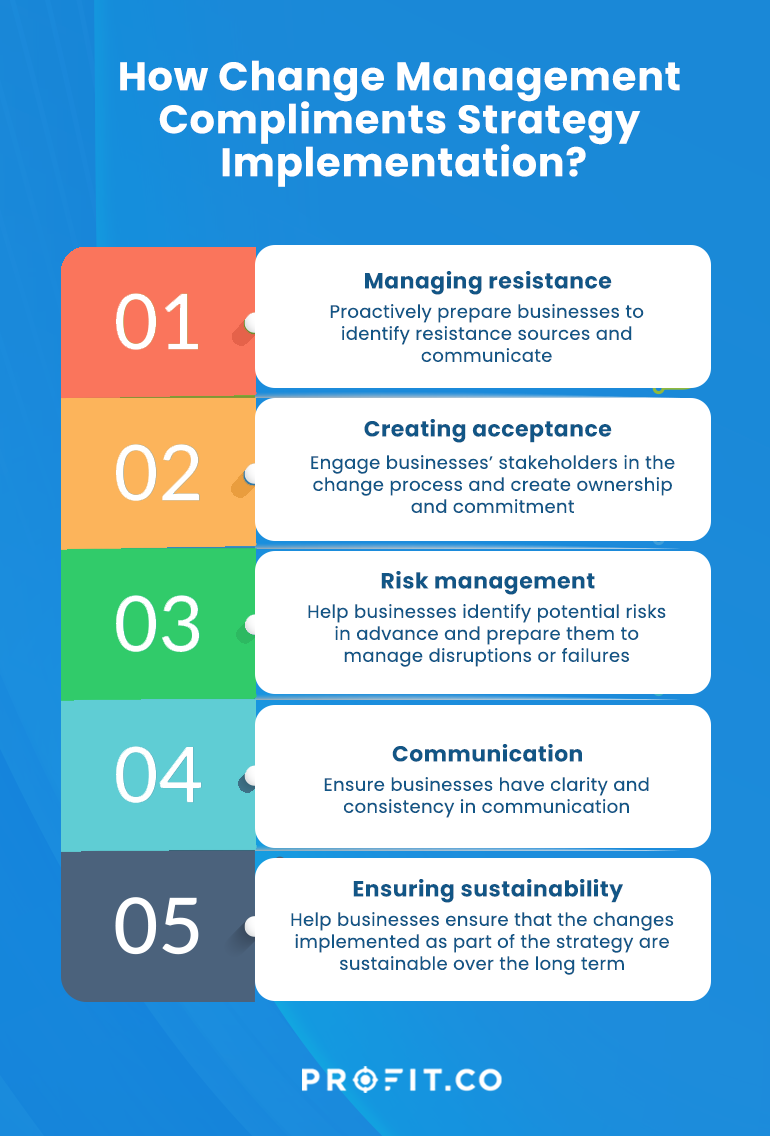
Conclusion: Embracing Change as a Strategic Advantage
In conclusion, a change management strategy is not an optional add-on; it is a fundamental pillar of success in the interconnected worlds of technology, brand, and money. By adopting a systematic and people-centric approach, organizations and individuals can transform the inherent challenges of change into powerful opportunities for growth, innovation, and resilience.
Whether you are leveraging new AI tools to streamline operations, evolving your brand to connect with a new generation of consumers, or adapting your financial strategies to navigate economic shifts, a well-defined change management strategy will empower you to move forward with confidence. It’s about embracing the currents of change, not being swept away by them, and ultimately, charting a course towards a more prosperous and sustainable future.
aViewFromTheCave is a participant in the Amazon Services LLC Associates Program, an affiliate advertising program designed to provide a means for sites to earn advertising fees by advertising and linking to Amazon.com. Amazon, the Amazon logo, AmazonSupply, and the AmazonSupply logo are trademarks of Amazon.com, Inc. or its affiliates. As an Amazon Associate we earn affiliate commissions from qualifying purchases.