
Genograms, at their core, are intricate visual representations of family relationships, medical histories, and psychosocial dynamics spanning multiple generations. Far more than a simple family tree, a genogram offers a profound, symbolic language to map complex patterns, inherited traits, and recurring issues within a family system. While the concept of mapping lineage is ancient, the systematic development and application of genograms as a therapeutic and diagnostic tool are relatively recent, emerging from the fields of family therapy and systemic thinking in the latter half of the 20th century. However, just as with countless other analytical tools, the advent of digital technology has profoundly transformed how genograms are created, utilized, and integrated into modern professional practice, moving them from static paper charts to dynamic, interactive digital platforms. In an era dominated by data, connectivity, and digital solutions, understanding genograms through a technological lens offers invaluable insights into their current utility and future potential.

The Core Concept: Understanding Genograms in a Digital Age
To appreciate the technological advancements in genogram creation, it’s crucial first to grasp their fundamental definition and purpose. A genogram is essentially a graphical display that goes beyond mere names and dates, incorporating symbols to represent gender, relationships (e.g., marriage, divorce, conflict, closeness), significant life events (e.g., births, deaths, adoptions, illnesses), and even emotional dynamics.
Beyond the Pedigree: What a Genogram Represents
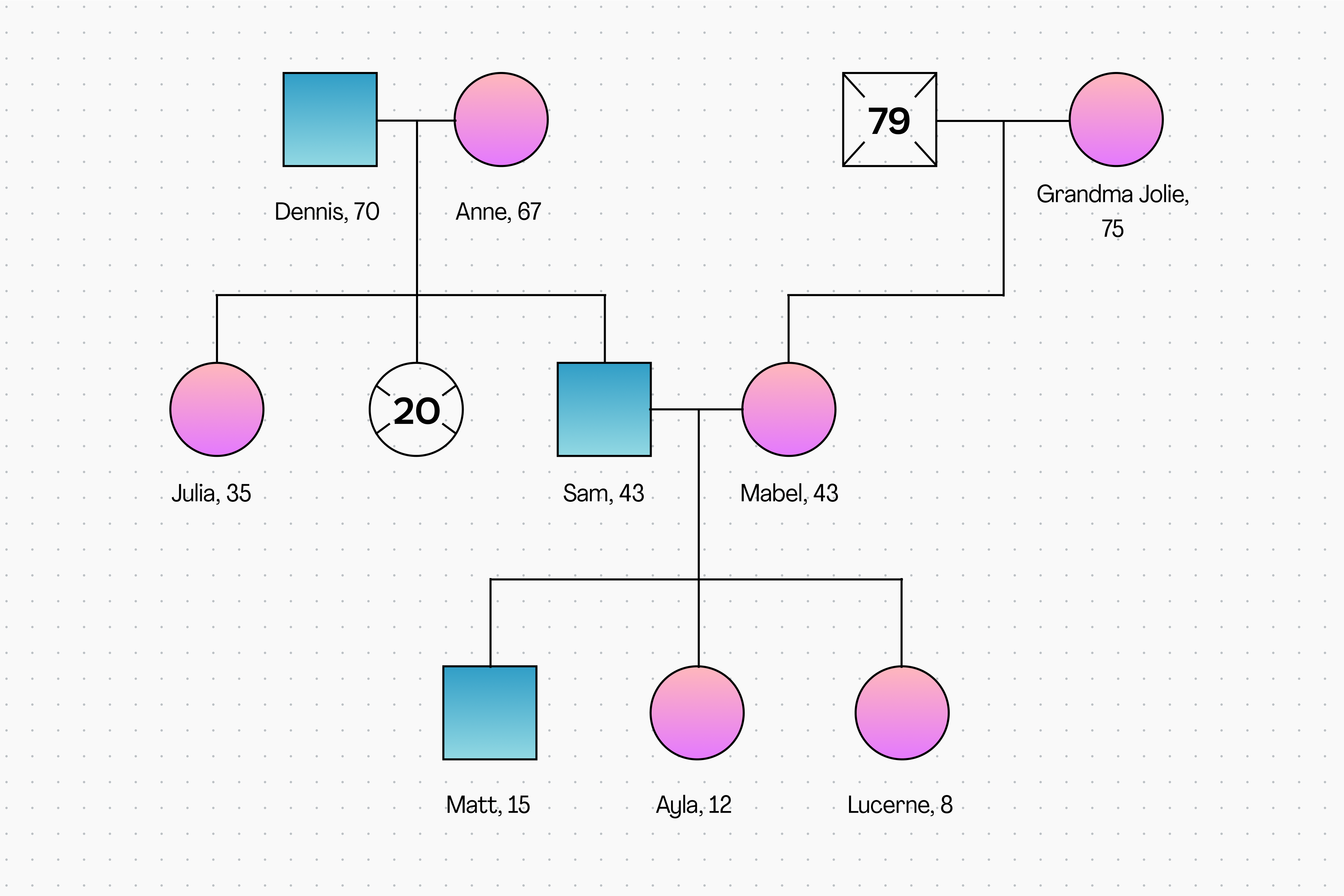
A traditional family tree typically lists ancestors and descendants. A genogram, by contrast, is a rich tapestry of information, often encompassing three or more generations, designed to reveal patterns that might otherwise remain unseen. It employs a standardized set of symbols: squares for males, circles for females, and various lines and notations to denote marital status, children, living arrangements, medical conditions (such as diabetes, heart disease, mental health issues), and even emotional connections or conflicts. For instance, a double line might signify a strong bond, while a jagged line could denote conflict, and a dotted line might represent estrangement. This symbolic language allows practitioners to quickly glean a wealth of information at a glance.
In a digital context, these symbols are often pre-programmed elements within software, allowing for rapid construction and consistent application. Digital platforms not only replicate these symbols but often enhance them with color-coding, layering, and interactive elements, making the information even more accessible and interpretable than their paper counterparts.
Why Genograms Matter: Applications in Modern Practice
The utility of genograms spans various professional domains, all of which are increasingly reliant on digital tools for efficiency and accuracy. In healthcare, genograms are invaluable for identifying hereditary diseases, understanding genetic predispositions, and assessing risk factors for complex conditions like cancer or mental health disorders. They help clinicians spot familial patterns of illness that might inform preventative care or tailored treatment plans.
In psychotherapy and counseling, genograms serve as a powerful diagnostic and therapeutic aid. They help individuals and families visualize intergenerational patterns of behavior, communication styles, trauma, addiction, or resilience. By mapping these patterns, clients can gain insight into their current challenges, break cycles, and develop healthier coping mechanisms.
Social workers, educators, and even human resources professionals might use genograms to understand family dynamics influencing an individual’s behavior or performance. The ability of digital genograms to store, update, and share this sensitive information securely and efficiently has made them an indispensable tool in these fields.
Evolution from Pen-and-Paper to Pixels: The Digital Transformation
The journey of genograms from hand-drawn charts to sophisticated digital applications mirrors the broader technological revolution that has reshaped nearly every aspect of professional practice. Initially, genograms were laboriously crafted using pen, paper, and rulers, often requiring significant time and artistic skill to ensure clarity and consistency.
The Limitations of Manual Genogram Creation
Manual genograms, while foundational, came with inherent limitations. They were time-consuming to create, especially for complex families or when multiple revisions were needed. Modifying a large, hand-drawn genogram often meant redrawing significant portions, leading to inefficiency. Furthermore, storing and retrieving paper-based genograms posed challenges in terms of physical space, organization, and security. Sharing them with colleagues or clients was often cumbersome, involving physical copies or low-resolution scans. The consistency of symbols and adherence to conventions could also vary between practitioners, making comparative analysis difficult.
The Rise of Genogram Software and Online Tools
The digital age offered a compelling solution to these challenges. The advent of desktop publishing software in the late 20th century provided the first glimpses of digital genogram creation, allowing for more precise drawing and easier editing. However, it was the proliferation of specialized genogram software and web-based platforms in the 21st century that truly revolutionized the field. These digital tools transformed genograms from static documents into dynamic, interactive data visualizations.
Modern genogram software leverages intuitive user interfaces, drag-and-drop functionality, and libraries of standardized symbols to streamline the creation process. This shift has not only made genograms easier to produce but also more consistent, readable, and adaptable, thereby enhancing their utility across various professional settings.
Key Features and Advantages of Digital Genogram Platforms
The transition to digital platforms has endowed genograms with a suite of advanced features and benefits that significantly enhance their practical application. These advantages extend beyond mere drawing capabilities, touching upon data management, collaboration, and analytical power.
Enhanced Visualization and Customization

Digital genogram software offers superior visual clarity. Users can zoom in and out, collapse or expand generations, and apply color-coding based on various criteria (e.g., medical conditions, emotional states, geographical locations). Many platforms allow for easy customization of symbols, adding personal photos, or attaching detailed notes to individuals or relationships. This dynamic visualization makes complex family structures and patterns much easier to comprehend and present, especially during client sessions or case reviews. The ability to instantly highlight specific lines of inquiry or filter information contributes significantly to diagnostic efficiency.
Data Management, Collaboration, and Accessibility
Perhaps one of the most significant advantages is the digital platform’s capacity for robust data management. Instead of isolated paper charts, digital genograms can be stored in secure databases, allowing for easy retrieval, searching, and integration with electronic health records (EHRs) or client management systems. This integration minimizes data redundancy and improves data accuracy.
Furthermore, cloud-based genogram tools facilitate secure collaboration among interdisciplinary teams. Multiple practitioners can view, edit (with appropriate permissions), and discuss a genogram in real-time, regardless of their geographical location. This fosters a more holistic and integrated approach to client care. The accessibility of digital genograms across various devices – desktops, laptops, tablets – also means that practitioners can access and update information conveniently, whether in a clinical setting or remotely.
Analytical Power and Pattern Recognition
Beyond visualization, digital genogram platforms are increasingly incorporating analytical features. Some advanced software can automatically identify common patterns, such as repeated divorces in a particular lineage, prevalent medical conditions across generations, or specific relationship dynamics. By applying algorithms, these tools can flag potential areas of concern or highlight resilient traits that might be leveraged in therapeutic interventions. This goes beyond what a human eye can easily discern on a complex paper chart, offering data-driven insights that can significantly inform diagnosis and treatment planning.
Choosing the Right Digital Genogram Solution: A Tech Perspective
For professionals considering adopting digital genogram creation, selecting the appropriate software or platform is a critical decision, much like choosing any other specialized tech tool. It involves weighing various technical considerations to ensure it meets specific practice needs while maintaining data integrity and security.
Cloud-Based vs. Desktop Software: What to Consider
The primary architectural choice lies between cloud-based (SaaS) and desktop-installed software. Cloud-based solutions offer greater flexibility, accessibility from any internet-connected device, and often include automatic updates and backups managed by the vendor. They are ideal for collaborative practices and professionals who require remote access. However, they rely on internet connectivity and require trust in the vendor’s data security protocols.
Desktop software, conversely, offers greater control over data, as it resides locally on the user’s machine. It can be more suitable for environments with strict data privacy regulations or limited internet access. However, it typically lacks the real-time collaboration features of cloud solutions and requires manual updates and backups. The decision often boils down to a balance between accessibility, collaboration needs, and data control preferences.
User Interface, Integration, and Data Security
A user-friendly interface is paramount for efficient genogram creation. The software should be intuitive, with easily accessible symbols, clear navigation, and straightforward editing capabilities. A steep learning curve can negate the efficiency gains of going digital.
Integration capabilities are also crucial. Can the genogram software integrate with existing electronic health record (EHR) systems, practice management software, or secure communication platforms? Seamless integration prevents duplicate data entry and ensures a unified view of client information.
Finally, and perhaps most importantly, data security and privacy cannot be overstated, given the sensitive nature of information contained in genograms. The chosen platform must comply with relevant data protection regulations (e.g., HIPAA in the U.S., GDPR in Europe). This includes features like end-to-end encryption, multi-factor authentication, robust access controls, and regular security audits. Reputable vendors will offer clear documentation on their security measures and data handling policies.
The Future of Genograms: AI, Big Data, and Interdisciplinary Tech
The evolution of genograms is far from complete. As technology continues its relentless march forward, genograms are poised to become even more sophisticated, integrating with cutting-edge advancements in artificial intelligence (AI), big data analytics, and broader health tech ecosystems.
Predictive Analytics and Personalized Insights
The future of digital genograms likely involves deeper integration with AI and machine learning. Imagine an AI-powered genogram tool that, based on extensive anonymized data sets, could not only identify existing patterns but also predict potential health risks, behavioral tendencies, or therapeutic challenges with greater accuracy. This could lead to highly personalized intervention strategies, preventive care plans, and tailored recommendations for individuals based on their unique family history and dynamics. AI could help flag complex interactions between genetic predispositions and environmental factors that are difficult for humans to discern.
Integrating Genograms with Broader Health Tech Ecosystems
Genograms will increasingly become a seamless component of comprehensive digital health platforms. They could integrate with genomic data analysis, wearable health devices, and lifestyle tracking apps to provide a truly holistic view of an individual’s well-being in the context of their family history. For instance, a genogram could dynamically update with information from a genetic test, instantly highlighting genetic markers for certain conditions within the family lineage. This interdisciplinary integration promises to unlock unprecedented insights into the intricate interplay between biology, psychology, and social dynamics, making genograms an even more powerful tool for understanding and promoting human health and well-being in the digital age. The evolution of genograms is a testament to how traditional tools can be reimagined and amplified through the lens of technology, offering ever-more profound insights into the human condition.
aViewFromTheCave is a participant in the Amazon Services LLC Associates Program, an affiliate advertising program designed to provide a means for sites to earn advertising fees by advertising and linking to Amazon.com. Amazon, the Amazon logo, AmazonSupply, and the AmazonSupply logo are trademarks of Amazon.com, Inc. or its affiliates. As an Amazon Associate we earn affiliate commissions from qualifying purchases.