
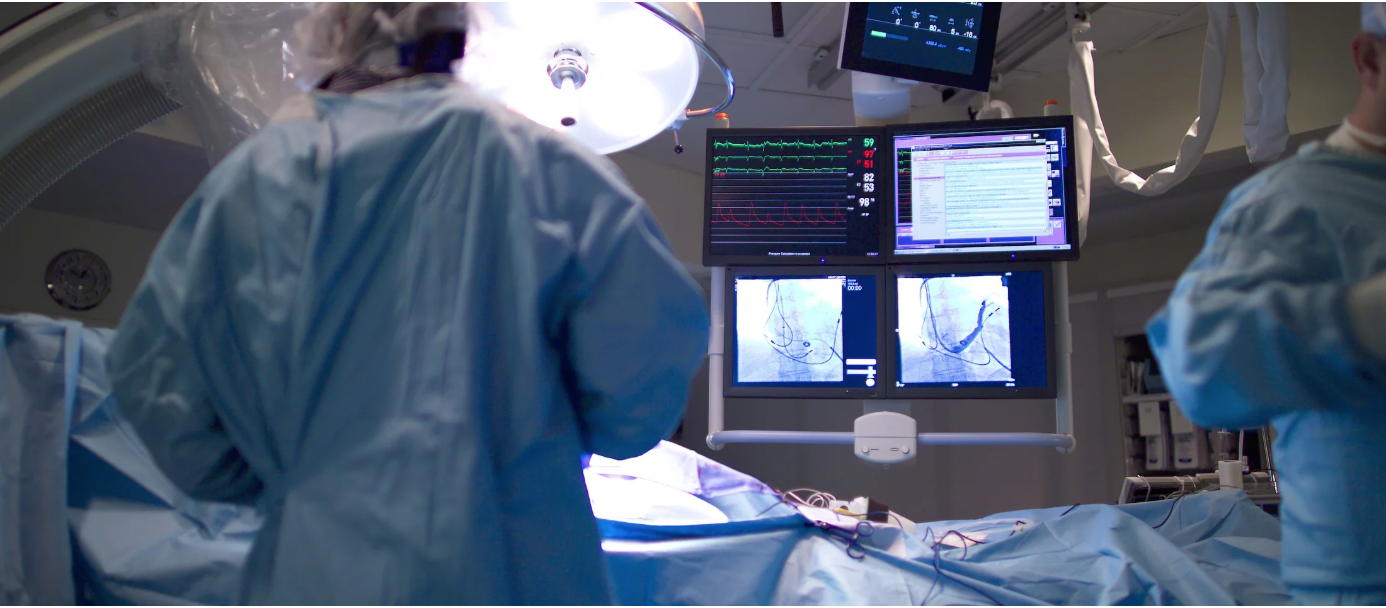
Becoming a specialized healthcare professional is often a significant financial decision, and understanding the investment and return on income (ROI) is crucial. A Cath Lab Nurse, short for Cardiac Catheterization Laboratory Nurse, is a prime example of a highly specialized role within healthcare that offers a distinct financial trajectory. This professional plays a critical role in diagnostic and interventional cardiac procedures, working with advanced medical technology to assist cardiologists in treating heart conditions. Far beyond the clinical duties, the journey to becoming and thriving as a cath lab nurse is deeply intertwined with personal finance, educational investment, earning potential, and long-term financial stability.
The Financial Commitment of Becoming a Cath Lab Nurse
The path to any specialized nursing role begins with a foundational investment, both in time and capital. For aspiring cath lab nurses, this financial outlay is substantial but often yields considerable returns, making it a sound career investment for many.
Educational Investment and ROI
The prerequisite for a cath lab nursing position is typically an Associate’s Degree in Nursing (ADN) or a Bachelor of Science in Nursing (BSN). While an ADN offers a faster, often less expensive entry point, a BSN is increasingly preferred by employers and can lead to greater career mobility and higher earning potential in the long run. The cost of a nursing degree can range from tens of thousands to over a hundred thousand dollars, depending on the institution (public vs. private), program length, and residency status. This initial investment covers tuition, textbooks, clinical fees, and living expenses during study.
However, the ROI for a nursing degree, particularly for a specialized role like cath lab nursing, is generally strong. Graduates enter a high-demand field with competitive starting salaries, quickly recouping their educational costs over a few years. Furthermore, many hospitals offer tuition reimbursement programs for existing staff pursuing higher degrees, effectively reducing the net financial burden for those looking to advance from ADN to BSN or beyond.
Certification Costs and Professional Development
Beyond the initial degree, becoming a proficient cath lab nurse necessitates specialized training and certification. While specific cath lab certifications are not universally mandatory at the entry level, many employers require or highly value certifications like Basic Life Support (BLS) and Advanced Cardiovascular Life Support (ACLS), both of which involve course fees and renewal costs. Furthermore, nurses often pursue the Cardiac Vascular Nursing Certification (CV-BC) offered by the American Nurses Credentialing Center (ANCC) or the Registered Cardiovascular Invasive Specialist (RCIS) certification, which, while not strictly a nursing certification, is highly relevant for cath lab roles and demonstrates specialized expertise.
Each of these certifications incurs examination fees, study material costs, and ongoing continuing education unit (CEU) expenses for renewal. While these costs add to the overall financial commitment, they directly contribute to a nurse’s marketability, specialized skill set, and ultimately, their earning power. Employers often recognize and reward these advanced credentials with higher salaries or promotional opportunities, solidifying their status as worthwhile professional investments.
Unpacking the Earning Potential: Salary and Compensation
The financial allure of a cath lab nursing career lies significantly in its competitive compensation structure, reflecting the high-stakes, specialized nature of the work. Understanding the various factors influencing salary and the total compensation package is vital for anyone considering this path.
Entry-Level vs. Experienced Salaries
For an entry-level registered nurse (RN) transitioning into the cath lab, initial salaries might align closely with general medical-surgical nursing roles, perhaps slightly higher due to the specialized environment. However, once a nurse gains a year or two of dedicated cath lab experience, their earning potential typically sees a significant uptick. Experienced cath lab nurses, especially those with five or more years of dedicated experience and advanced certifications, command substantially higher salaries. This progression illustrates a clear financial incentive for specializing and committing to the field.
Geographic Variations and Demand-Driven Wages
Location plays a pivotal role in a cath lab nurse’s salary. High-cost-of-living areas, particularly major metropolitan centers and states with robust healthcare industries (e.g., California, New York, Massachusetts), often offer higher wages to offset living expenses and attract talent. Conversely, rural areas or regions with a lower cost of living may offer slightly lower base salaries, though the purchasing power of that income could be similar or even greater.
Beyond cost of living, the local demand for specialized cardiac nurses heavily influences wages. Areas experiencing a shortage of skilled cath lab professionals will often offer more competitive salaries, signing bonuses, and attractive benefit packages to entice qualified candidates, creating pockets of enhanced financial opportunity.
Benefits Packages and Total Compensation
A cath lab nurse’s total compensation extends beyond the base salary to include a comprehensive benefits package, which can significantly enhance their financial well-being. This typically includes health, dental, and vision insurance, often with a substantial employer contribution. Retirement plans, such as 401(k) or 403(b) accounts, with employer matching contributions, represent a valuable long-term savings mechanism that effectively adds to their take-home pay over time.
Additionally, paid time off (PTO), sick leave, and holiday pay contribute to financial stability and work-life balance. Many hospitals also offer life insurance, short-term and long-term disability insurance, and employee assistance programs. For a cath lab nurse, the potential for overtime pay, especially for on-call shifts or emergencies, can further boost annual earnings, sometimes adding thousands of dollars to their income. These benefits, when quantified, represent a significant portion of a nurse’s overall financial package and should be carefully considered when evaluating job offers.
Career Advancement and Enhanced Financial Growth

The career of a cath lab nurse is not static; it offers multiple avenues for professional development and, critically, enhanced financial growth. Pursuing these pathways can lead to higher salaries, greater responsibility, and expanded opportunities.
Specialization and Advanced Certifications
Within the cath lab itself, nurses can specialize further. For instance, some may focus on electrophysiology (EP) studies, assisting with pacemaker and defibrillator implantations, while others might specialize in peripheral vascular interventions. Each of these sub-specialties often requires additional training and certifications, which, in turn, can justify higher compensation. Obtaining certifications like the Cardiac Vascular Nursing Certification (CV-BC) or becoming an expert in specific interventional procedures not only validates expertise but also positions the nurse for more complex cases and, consequently, higher pay grades.
Leadership Roles and Management Pathways
As cath lab nurses gain extensive experience and demonstrate leadership qualities, they can transition into management or supervisory roles. Positions such as Charge Nurse, Nurse Manager, or Clinical Coordinator within the cath lab department offer significantly higher salaries due to increased administrative responsibilities, team oversight, and strategic planning. These roles require strong organizational, communication, and leadership skills, and the financial rewards reflect the added complexity and influence.
Opportunities in Education and Consulting
Experienced cath lab nurses with a passion for teaching can explore opportunities as clinical instructors at nursing schools, educating the next generation of healthcare professionals. This often involves a blend of clinical practice and academic work, potentially offering a different income stream or a shift in career focus. Furthermore, highly experienced and respected cath lab nurses might transition into medical device sales or clinical consulting roles for pharmaceutical or medical technology companies. These positions leverage their deep clinical knowledge but shift the career into a business development or advisory capacity, often with substantially higher earning potential, performance-based bonuses, and travel opportunities.
Job Security and Long-Term Financial Stability
One of the most compelling financial advantages of a cath lab nursing career is the inherent job security and the pathway it provides to long-term financial stability. Healthcare, especially specialized cardiac care, remains an evergreen industry with consistent demand.
The Steadfast Demand for Specialized Nursing
Cardiovascular diseases remain a leading cause of morbidity and mortality globally, ensuring a continuous and growing need for diagnostic and interventional cardiac procedures. As the population ages, the incidence of heart conditions is projected to increase, directly translating into a sustained high demand for skilled cath lab nurses. This consistent demand provides a strong foundation for job security, making economic downturns less impactful on employment rates within this specialized field compared to many other sectors. This stability allows for reliable income planning and reduced career volatility.
Navigating Economic Shifts with a Critical Skillset
Healthcare is generally considered recession-proof, and specialized areas like cardiac care are even more so. During economic downturns, elective procedures might see a temporary dip, but emergent cardiac interventions remain crucial and non-negotiable. Cath lab nurses possess a critical skillset that is not easily outsourced or replaced by automation in the short term, giving them a robust position in the labor market. This resilience provides a critical layer of financial protection, allowing professionals to maintain their earning capacity even when other industries struggle.
Retirement Planning and Wealth Building through a Stable Career
The combination of competitive salaries, comprehensive benefits (especially retirement plans with employer match), and exceptional job security makes a cath lab nursing career an excellent foundation for long-term financial planning and wealth building. Consistent employment at a good salary allows for disciplined saving, investing in retirement accounts, and potentially real estate or other assets. With a predictable income and the ability to project career earnings, cath lab nurses are well-positioned to achieve significant financial milestones, from paying off student loans to saving for a down payment on a home, funding children’s education, and securing a comfortable retirement. The stability inherent in the profession fosters a strong environment for prudent financial management and growth.
Weighing the Financial Rewards Against the Demands
While the financial benefits of a cath lab nursing career are clear, it is essential to consider them in the context of the profession’s demands. The role is challenging, requiring intense focus, quick decision-making, and often dealing with high-stress, life-or-death situations.
The Value of Specialized Expertise
The higher earning potential of a cath lab nurse directly reflects the specialized knowledge, technical skills, and critical thinking required. This expertise is not easily acquired; it demands continuous learning, adaptability, and resilience. The financial compensation serves as recognition for this high level of skill and responsibility. Nurses who thrive in this environment find the financial rewards commensurate with the intellectual and emotional investment they make.
Balancing Income with Work-Life Dynamics
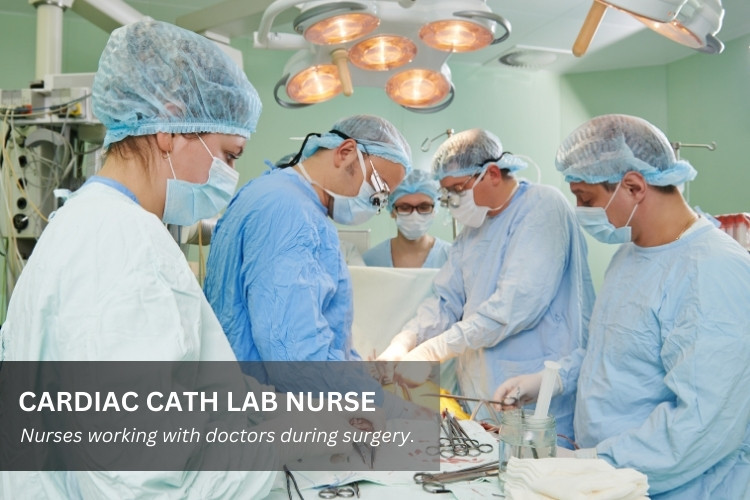
Cath lab nursing often involves on-call shifts, irregular hours, and high-stress environments. While these aspects contribute to increased earning potential through overtime and on-call pay, they also necessitate a careful balance with personal life. Evaluating the trade-off between higher income and potential impacts on work-life balance is a personal decision. However, many find that the financial security and professional satisfaction derived from making a profound difference in patients’ lives, coupled with a robust income, make the demands worthwhile. Ultimately, a cath lab nursing career offers a financially rewarding path for individuals committed to critical care and continuous professional growth.
aViewFromTheCave is a participant in the Amazon Services LLC Associates Program, an affiliate advertising program designed to provide a means for sites to earn advertising fees by advertising and linking to Amazon.com. Amazon, the Amazon logo, AmazonSupply, and the AmazonSupply logo are trademarks of Amazon.com, Inc. or its affiliates. As an Amazon Associate we earn affiliate commissions from qualifying purchases.