
The Economic Reality of Tooth Loss and Restoration
Tooth loss, whether due to decay, gum disease, or trauma, is not merely a clinical challenge; it represents a significant financial concern for individuals. Beyond the immediate discomfort and aesthetic impact, missing teeth can lead to a cascade of costly problems if left unaddressed. A “partial” in dentistry, formally known as a removable partial denture, emerges as a common and often economically sensible solution for replacing multiple missing teeth when some natural teeth still remain. Understanding a partial denture from a financial perspective is crucial for patients navigating their oral health decisions. It’s not just about what it is functionally, but what it costs, how it’s covered, and its long-term financial implications.
Understanding the Financial Burden of Untreated Missing Teeth
Delaying the restoration of missing teeth can paradoxically lead to greater financial outlay in the long run. The gaps left by absent teeth can cause adjacent teeth to shift, altering occlusion (bite) and potentially leading to new dental problems like gum disease, further decay, or temporomandibular joint (TMJ) disorders, all of which require expensive interventions. Bone loss in the jaw where teeth are missing is another critical consequence; this can complicate future restorative options, making them more extensive and thus more costly. Furthermore, compromised chewing ability can affect nutrition, potentially impacting overall health and incurring medical expenses unrelated to dentistry. Investing in a solution like a partial denture, while an upfront cost, can be a proactive measure to prevent more complex, debilitating, and ultimately more expensive dental and general health issues down the line. It’s a strategic expenditure aimed at preserving remaining oral structures and preventing future financial strain.
Deconstructing the Cost of a Dental Partial
The price tag associated with a dental partial is not monolithic; it varies significantly based on several factors, predominantly the materials used, the complexity of the design, and the professional fees involved. For patients, understanding these components is key to anticipating and budgeting for the investment.
Material and Fabrication Costs
The primary driver of a partial denture’s cost is the material from which it is constructed and the intricate laboratory process required for its fabrication.
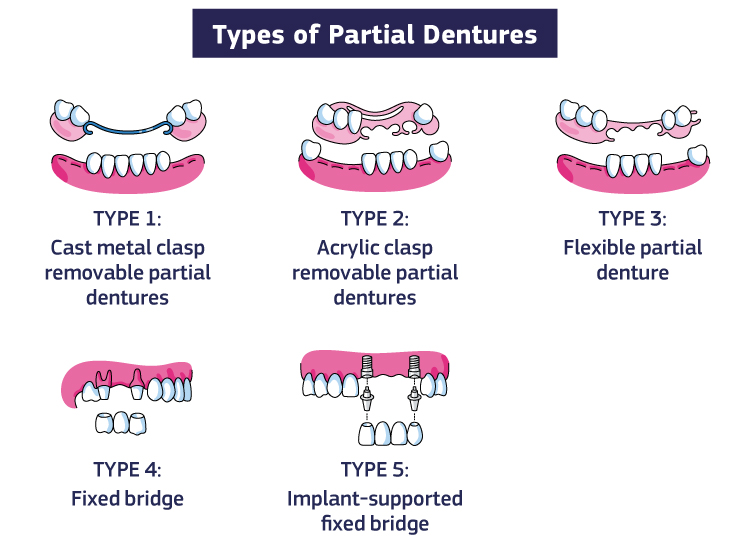
- Acrylic Partials: Often the most economical option, these are typically used as temporary solutions or for individuals with budget constraints. They consist of acrylic teeth attached to an acrylic base, sometimes with wire clasps for retention. While affordable, they can be bulkier and less durable than other options, potentially requiring more frequent adjustments or replacements, which adds to the long-term cost.
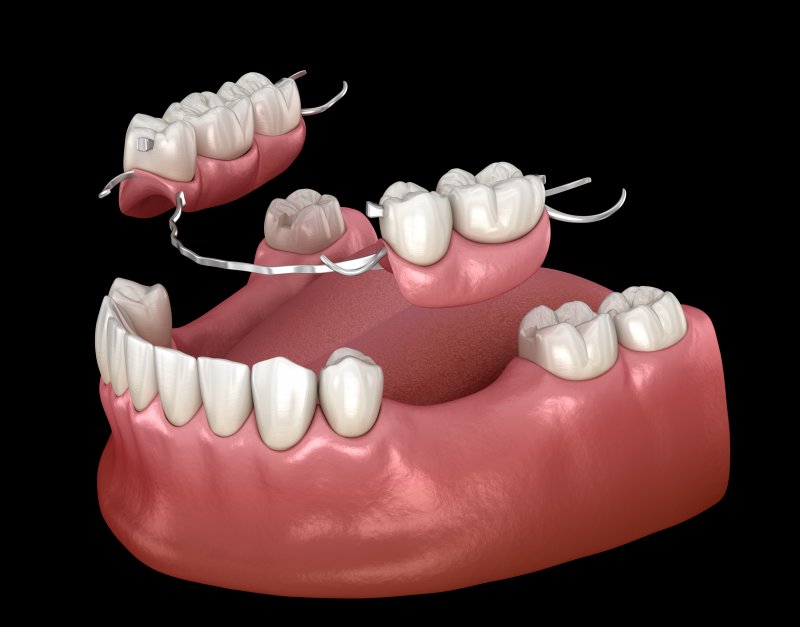
- Cast Metal Framework Partials (e.g., Cobalt-Chromium): These are considered the standard for permanent partials. They feature a strong, thin metal framework (often chrome cobalt alloy) that supports acrylic bases and prosthetic teeth. The custom-designed metal framework provides superior strength, stability, and a more precise fit, leading to greater comfort and longevity. The higher cost reflects the precision engineering, specialized alloys, and extensive lab work involved in their creation.
- Flexible Partials (e.g., Valplast): Made from a thermoplastic material, these partials are highly aesthetic and offer excellent comfort due to their flexibility and lack of visible metal clasps. They are often a mid-range option in terms of cost, falling between acrylic and metal framework partials. Their unique material and manufacturing process contribute to their distinct pricing.
- Combination Partials: Some designs might incorporate elements from different types, such as a metal framework with flexible clasps, further influencing the overall cost.
The fabrication process itself involves skilled dental laboratory technicians who meticulously craft the partial based on detailed impressions and specifications from the dentist. Lab fees, which account for materials, labor, and technical expertise, constitute a substantial portion of the overall price. Patients should inquire about the type of partial recommended and how its materials and manufacturing process influence the final cost.
Professional Fees and Ancillary Services
Beyond the partial itself, the cost estimate will include the fees charged by the dental professional for their services. This encompasses the initial consultation, examinations, taking impressions, bite registrations, multiple try-in appointments, adjustments, and the final placement. These fees reflect the dentist’s expertise, time, and the overhead of their practice.
- Diagnostic Services: Before a partial can be designed, the dentist must conduct a thorough examination, including X-rays, to assess the health of remaining teeth and supporting structures. These diagnostic services are typically separate charges.
- Preparatory Procedures: In some cases, preparatory work may be necessary before a partial can be fitted. This might include extractions of unhealthy teeth, gum treatments, or minor recontouring of existing teeth to ensure proper fit and retention of the partial. Each of these procedures represents an additional cost that needs to be factored into the overall financial plan.
- Adjustments and Follow-up: The initial cost usually covers a certain number of adjustment appointments after the partial is delivered. However, extensive or ongoing adjustments beyond this period might incur additional fees. Patients should clarify what follow-up care is included in the initial quote.
Navigating Insurance and Financing Options
The total cost of a partial denture can be a significant out-of-pocket expense for many individuals. Effectively navigating dental insurance and exploring financing options are crucial steps in making this essential treatment financially manageable.
Maximizing Dental Insurance Benefits for Partials
Dental insurance plans typically classify partial dentures under major restorative procedures. Coverage varies widely, but understanding your specific plan is paramount.
- Coverage Percentage: Most plans cover a percentage of the cost for major procedures, often ranging from 50% to 80%. This means you will be responsible for the remaining co-insurance.
- Deductibles: Before your insurance company begins to pay, you will usually need to meet an annual deductible.
- Annual Maximums: Most dental insurance plans have an annual maximum benefit, which is the total amount the insurance company will pay out in a given year. If your partial denture cost, combined with other dental work in the same year, exceeds this maximum, you will be responsible for the remainder.
- Waiting Periods: Some plans impose waiting periods for major services, meaning you must be enrolled for a certain duration (e.g., 6-12 months) before partial dentures are covered.
- Pre-authorization/Pre-determination: It is highly advisable to request a pre-authorization or pre-determination of benefits from your insurance company before starting treatment. This provides a detailed estimate of what your insurance will cover, helping you plan your finances more accurately.
- Phasing Treatment: If your partial denture cost exceeds your annual maximum, your dental office might be able to help you phase the treatment across two calendar years, allowing you to utilize two annual maximums, effectively reducing your out-of-pocket expenses in a single year.
Alternative Payment Solutions and Financial Planning
For those without adequate insurance coverage or facing substantial out-of-pocket costs, several financing options can make partial dentures more accessible.
- In-house Payment Plans: Many dental practices offer their own payment plans, allowing patients to spread the cost over several months, often without interest.
- Third-Party Medical Financing: Companies like CareCredit or LendingClub provide specialized healthcare credit lines with various repayment terms, including interest-free periods if paid in full within a specific timeframe.
- Health Savings Accounts (HSAs) and Flexible Spending Accounts (FSAs): If you have an HSA or FSA through your employer, you can use these tax-advantaged accounts to pay for qualified dental expenses, including partial dentures. Funds contributed to these accounts are typically tax-deductible or tax-free, offering an additional financial benefit.
- Personal Loans or Credit Cards: While less ideal due to potentially higher interest rates, these can be options if other financing avenues are unavailable. It’s crucial to compare interest rates and terms carefully.
- Budgeting and Discussion: Proactively discussing the full cost and available payment options with your dental office’s financial coordinator is perhaps the most important step. They can often provide a clear breakdown of costs, assist with insurance claims, and help explore the most suitable financial path for your situation.
Partial Dentures as a Financial Investment in Health and Quality of Life
Framing a partial denture as an investment rather than just an expense highlights its long-term value, both in terms of direct financial savings and the invaluable benefits it brings to overall health and well-being.
Comparing the Long-Term Costs: Partials vs. Alternatives
When considering tooth replacement, patients often weigh partial dentures against more expensive options like dental implants or fixed bridges. A purely financial comparison reveals distinct long-term cost profiles:
- Dental Implants: While offering superior stability, aesthetics, and preservation of jawbone, implants have a significantly higher upfront cost per tooth compared to a partial denture. However, their longevity (often lasting a lifetime with proper care) and minimal impact on adjacent teeth can make them a more cost-effective choice in the very long term for specific situations, potentially reducing future dental work expenses. They eliminate the ongoing maintenance and potential replacement costs associated with partials.
- Fixed Bridges: A fixed bridge replaces one or more missing teeth by cementing crowns onto the natural teeth adjacent to the gap. The upfront cost for a bridge is generally higher than a partial denture but less than multiple implants. A key financial consideration is that bridges require the preparation (shaping) of healthy adjacent teeth, which can sometimes lead to future complications for those teeth, potentially incurring additional costs down the line. Bridges also typically have a lifespan of 10-15 years, meaning replacement costs will eventually arise.
- Partial Dentures: Partials offer a more economical upfront solution for replacing multiple teeth. Their removable nature means they can be adapted or relined if the mouth changes. However, they typically have a shorter lifespan than implants or bridges (5-10 years) and may require periodic relining, adjustments, or even replacement as the underlying gum and bone structures change. These ongoing maintenance costs need to be factored into the overall financial picture. The decision often boils down to balancing initial affordability with long-term maintenance, durability, and functional benefits.

The Economic Value of Improved Oral Function and Aesthetics
The financial benefits of a partial denture extend beyond direct cost comparisons. Restoring oral function and aesthetics can have profound indirect economic advantages:
- Improved Nutrition and Overall Health: The ability to chew a wider variety of foods, especially fresh fruits, vegetables, and lean proteins, leads to better nutrition. This can, in turn, reduce the risk of diet-related health issues, potentially lowering future medical expenses and enhancing overall quality of life.
- Enhanced Professional Confidence and Social Interaction: Missing teeth can severely impact self-esteem, leading to reduced confidence in professional settings and social interactions. A partial denture restores a complete smile and facilitates clear speech, which can be invaluable for career advancement, networking, and overall social engagement. The psychological benefits, though intangible, contribute significantly to an individual’s perceived value and opportunities, indirectly impacting earning potential.
- Prevention of Further Dental Complications: By filling the gaps, a partial helps prevent the shifting of remaining teeth and protects them from excessive wear, thereby averting more complex and expensive dental treatments in the future. It acts as a protective investment against escalating dental problems.
- Maintenance Costs and Longevity: To maximize the financial investment in a partial denture, regular cleaning, proper care, and routine dental check-ups are essential. Neglecting maintenance can lead to premature wear, damage, or complications with remaining natural teeth, necessitating costly repairs or replacements. Understanding and committing to this ongoing “operational cost” is part of the savvy financial management of a partial.
Ultimately, while the initial cost of a partial denture is a significant consideration, its value proposition as a financial investment in long-term oral health, functional capability, and quality of life makes it a compelling choice for many patients.
aViewFromTheCave is a participant in the Amazon Services LLC Associates Program, an affiliate advertising program designed to provide a means for sites to earn advertising fees by advertising and linking to Amazon.com. Amazon, the Amazon logo, AmazonSupply, and the AmazonSupply logo are trademarks of Amazon.com, Inc. or its affiliates. As an Amazon Associate we earn affiliate commissions from qualifying purchases.