
In the rapidly evolving landscape of personal finance, the traditional brick-and-mortar banking model is no longer the sole gatekeeper of wealth management. As digital-first solutions continue to disrupt the status quo, one name has risen to the forefront of the mobile payment revolution: Cash App. Developed by Block, Inc. (formerly Square), Cash App has transformed from a simple peer-to-peer (P2P) payment tool into a multifaceted financial ecosystem.
For the modern consumer, understanding what Cash App is—and more importantly, how it functions as a financial tool—is essential for navigating today’s cashless economy. This guide explores Cash App through the lens of money management, investing, and business utility, providing a deep dive into its role as a cornerstone of contemporary personal finance.

The Foundation: Digital Banking and Seamless Transactions
At its core, Cash App serves as a digital wallet that facilitates the instantaneous movement of money. While it is not a bank itself—banking services are provided through its bank partners like Lincoln Savings Bank or Sutton Bank—it offers features that rival and often exceed those of traditional financial institutions.
Seamless Peer-to-Peer (P2P) Payments
The primary utility of Cash App is its ability to send and receive money with minimal friction. Users identify themselves through a unique identifier known as a $Cashtag. This eliminates the need for sharing sensitive bank account numbers or routing details when splitting a dinner bill or paying back a friend. From a financial perspective, the liquidity offered by P2P apps reduces the “dead time” of money, allowing funds to be moved and utilized the moment they are received.
The Cash Card and Spending “Boosts”
One of the most powerful tools within the Cash App ecosystem is the Cash Card, a customizable Visa debit card linked directly to your Cash App balance. Unlike traditional bank cards, the Cash Card offers “Boosts”—instant discounts at specific merchants, such as grocery stores, coffee shops, or delivery services. For the budget-conscious individual, these Boosts represent an effortless way to reduce daily expenses, effectively acting as a micro-savings strategy integrated into everyday spending.
Direct Deposits and Early Paycheck Access
For many, Cash App has replaced the traditional checking account. By providing a routing and account number, the app allows users to set up direct deposits for their paychecks. A significant financial advantage here is the “Early Pay” feature, which often allows users to access their funds up to two days earlier than they would with a standard bank. In a world where cash flow management is critical, having two extra days of liquidity can be a game-changer for meeting bill deadlines and avoiding late fees.
Building Wealth: Democratizing Stocks and Bitcoin
Beyond daily spending, Cash App has positioned itself as an entry point for wealth accumulation. It bridges the gap between high-finance investing and the average consumer by lowering the barriers to entry that have historically kept people out of the markets.
Fractional Shares: Investing with as Little as $1
Traditional stock market investing often required significant capital to purchase high-priced shares of major tech companies or blue-chip stocks. Cash App utilizes fractional share investing, allowing users to buy a “piece” of a company for as little as $1. This is a vital tool for personal finance management, as it enables “dollar-cost averaging”—a strategy where an investor consistently buys a fixed dollar amount of an investment on a regular schedule. This lowers the risk of market volatility and makes the stock market accessible to those who may not have thousands of dollars in disposable income.
Bitcoin Integration and the Future of Assets
Cash App was one of the first major financial platforms to embrace Bitcoin. For individuals looking to diversify their portfolio into digital assets, the app provides a highly simplified interface to buy, sell, and even withdraw Bitcoin to a private wallet. From a financial planning perspective, Cash App treats Bitcoin not just as a speculative asset, but as a legitimate component of a modern financial strategy. Users can even opt to “Round Up” their change from Cash Card purchases into Bitcoin, automating the accumulation of cryptocurrency.
Financial Education and Transparency
A key aspect of investing through Cash App is the transparency of the data provided. The app offers real-time tracking of portfolio performance, allowing users to see their gains and losses at a glance. For those new to money management, this visual feedback loop is educational, helping users understand the relationship between market fluctuations and their personal net worth.

Leveraging Cash App for Business and Side Hustles
In the era of the “gig economy” and independent contracting, the line between personal and business finance often blurs. Cash App addresses this by offering specialized account types designed for small business owners and freelancers.
Cash App for Business Accounts
For entrepreneurs, creating a “Cash for Business” account allows for the professional acceptance of payments for goods and services. While personal accounts are generally free for P2P transfers, business accounts incur a small transaction fee (typically around 2.75%). In exchange, the business owner gains the ability to accept unlimited payments and enjoy the same instant liquidity as personal users. This is particularly beneficial for side hustles—such as tutoring, artisanal crafting, or consulting—where minimizing overhead and maximizing cash flow is essential for growth.
Simplified Tax Filing with Cash App Taxes
One of the most overlooked financial benefits of the Cash App ecosystem is “Cash App Taxes” (formerly Credit Karma Tax). This service allows users to file their federal and state taxes for free. For a freelancer or a person with multiple income streams, tax season can be financially burdensome due to the cost of professional software or accountants. By integrating free tax filing, Cash App reinforces its position as a comprehensive financial hub that looks after the user’s entire fiscal lifecycle.
Managing Overhead and Invoicing
While it may not replace a full-scale accounting suite for a large corporation, Cash App is an excellent tool for managing the overhead of a micro-business. The ability to categorize transactions and export payment histories makes it easier for business owners to track deductible expenses and maintain clean financial records, which is paramount for long-term business sustainability.
Security and Best Practices in Digital Money Management
As with any financial tool, the utility of Cash App is only as good as the security measures protecting the funds within it. Managing digital money requires a proactive approach to security to ensure that assets remain safe from fraud and unauthorized access.
Protecting Your Digital Assets
Cash App employs several layers of security, including encryption and fraud detection technology. Users are encouraged to enable security locks that require a PIN or biometric identification (Touch ID or Face ID) for every transaction. In the realm of personal finance, this “two-factor” mindset is the first line of defense against capital loss.
Navigating the Risks of Irreversible Transactions
One of the most important financial lessons for Cash App users is the nature of P2P transactions. Unlike credit card payments, which often have robust chargeback protections, sending money via Cash App is usually instantaneous and irreversible. From a money management standpoint, users must treat $Cashtag transfers with the same caution as physical cash. Verifying the recipient’s identity before sending funds is a critical habit for protecting one’s liquidity.
FDIC Insurance and Balance Management
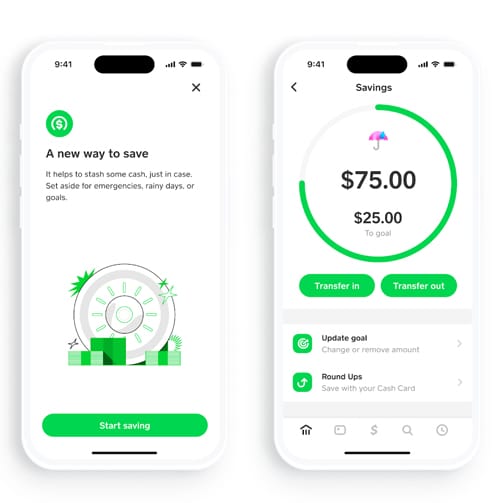
It is important to note that while the funds in a Cash App balance are generally safe, they are only FDIC-insured if the user has a Cash Card. This insurance covers up to $250,000 through partner banks. For savvy financial planners, this means that while Cash App is excellent for daily transactions and mid-term investing, it should be used in conjunction with—rather than as a total replacement for—a high-yield savings account for long-term emergency funds.
The Verdict: Is Cash App Right for Your Financial Goals?
What Cash App represents is the democratization of financial services. It has taken the complex worlds of banking, stock trading, and crypto-investing and distilled them into a single, user-friendly interface.
For the individual focused on Personal Finance, it offers a way to track spending, save through Boosts, and access paychecks early. For the Investor, it provides a low-stakes environment to build a portfolio of stocks and Bitcoin. For the Entrepreneur, it offers a low-friction way to get paid and manage taxes.
Ultimately, Cash App is more than just an app; it is a versatile financial instrument. When used with discipline and an understanding of its features, it can serve as a powerful catalyst for achieving financial independence and navigating the complexities of the 21st-century economy. Whether you are sending five dollars to a friend or buying your first fraction of a share in a Fortune 500 company, Cash App puts the power of a global financial system directly in your pocket.
aViewFromTheCave is a participant in the Amazon Services LLC Associates Program, an affiliate advertising program designed to provide a means for sites to earn advertising fees by advertising and linking to Amazon.com. Amazon, the Amazon logo, AmazonSupply, and the AmazonSupply logo are trademarks of Amazon.com, Inc. or its affiliates. As an Amazon Associate we earn affiliate commissions from qualifying purchases.