
The Core Concept of Engine Blueprinting
Beyond Factory Specifications
A blueprinted engine represents the pinnacle of precision engineering and meticulous assembly, a significant step beyond the already rigorous standards of factory production. In essence, blueprinting an engine means taking every component and every critical dimension within the engine’s design to its absolute ideal specification, as laid out in the original engineering blueprints. While standard factory engines are built to acceptable manufacturing tolerances—meaning components fall within a predefined range of dimensions—a blueprinted engine reduces these tolerances to their absolute minimum, ensuring perfect harmony between all moving parts. This isn’t about redesigning the engine; it’s about executing the original design with unparalleled accuracy and consistency, eliminating even the slightest deviations that could compromise performance or longevity. It’s a pursuit of mechanical perfection, a quest to extract every ounce of potential engineered into the engine’s core design.
The Pursuit of Ideal Synergy
The objective of blueprinting is to eliminate parasitic losses, optimize mechanical efficiency, and ensure symmetrical operation across all cylinders. In a standard engine, slight variations in piston weight, connecting rod length, crankshaft journal size, or cylinder bore diameter are expected within the factory’s acceptable tolerance range. While these variations might seem minor individually, cumulatively they can lead to imbalances, increased friction, inconsistent power delivery between cylinders, and reduced overall efficiency. A blueprinted engine systematically addresses each of these potential discrepancies. By precisely matching component weights, ensuring exact dimensions, and optimizing clearances, the engine achieves a state of ideal synergy. This results in smoother operation, reduced vibration, improved power output, enhanced fuel efficiency, and significantly increased durability under strenuous conditions. It transforms an engine from a mass-produced assembly into a highly tuned, almost bespoke mechanical instrument.
The Meticulous Process of Precision Engineering
Measuring and Machining Critical Components
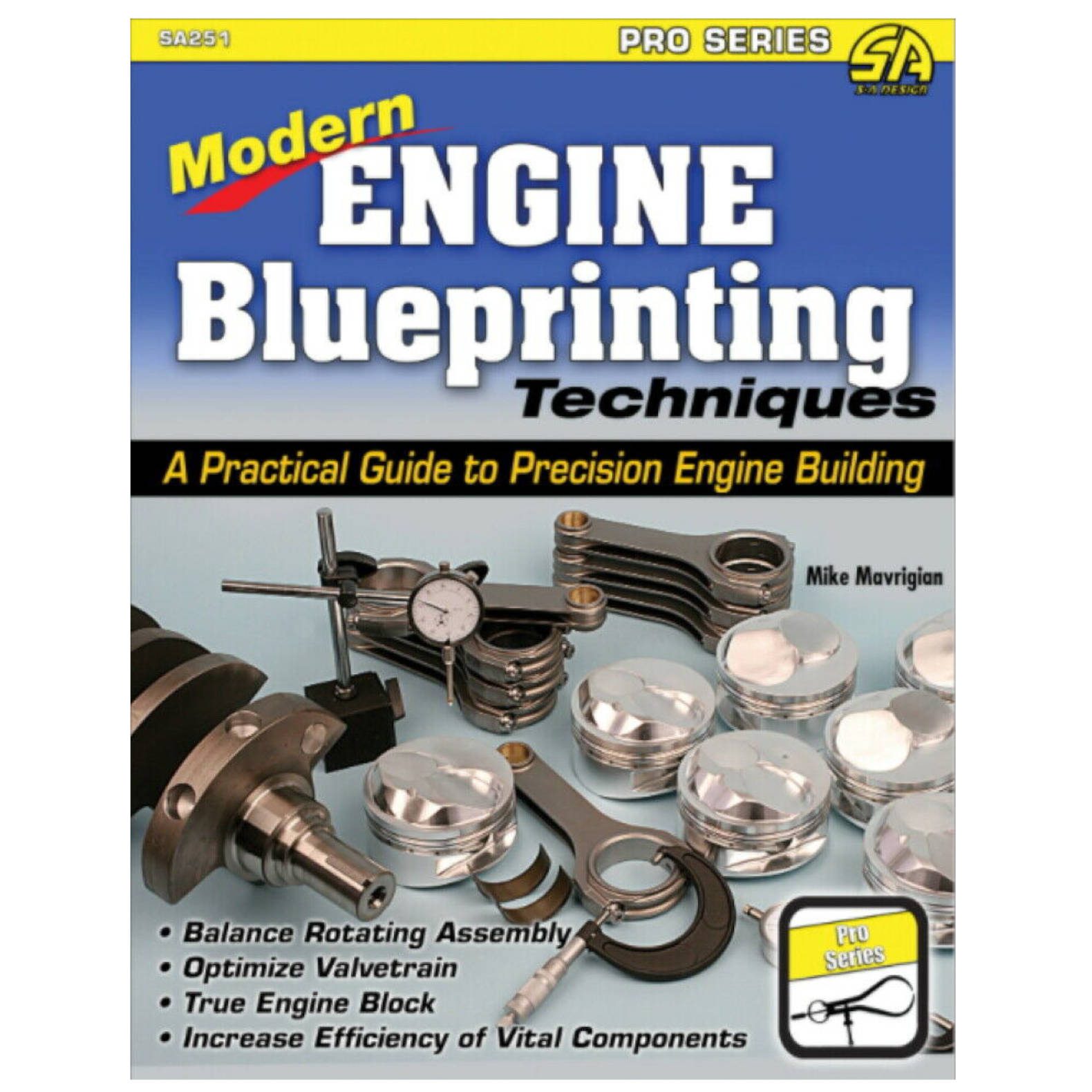
The blueprinting process begins with the complete disassembly of a new or freshly machined engine. Every single component, from the crankshaft to the valve springs, is meticulously cleaned, inspected, and then measured with instruments of extreme precision, often to within millionths of an inch.
- Crankshaft Balancing: The crankshaft, the heart of the engine, is dynamically balanced to an exacting standard, often far beyond OEM specifications. This involves removing minute amounts of material from counterweights to ensure perfect rotational balance, minimizing vibration and stress on bearings.
- Connecting Rods: Connecting rods are weight-matched end-for-end and overall. Their length is verified and adjusted if necessary, ensuring all pistons travel the exact same distance and reach top dead center simultaneously. This eliminates uneven loading and promotes consistent combustion events across all cylinders.
- Pistons and Rings: Pistons are individually weighed and matched to within fractions of a gram. Piston rings are carefully gapped and de-burred to ensure optimal sealing against the cylinder walls, minimizing blow-by and maximizing compression efficiency.
- Cylinder Bores: Cylinder bores are honed to exact specifications, ensuring perfect roundness and straightness, and matched for optimal piston-to-wall clearance. This creates an ideal surface for the piston rings to seal against, reducing friction and oil consumption.
Optimizing Clearances and Tolerances
Beyond simply matching weights and dimensions, blueprinting involves setting critical clearances to their absolute ideal.
- Bearing Clearances: Main and rod bearing clearances are precisely measured and adjusted using calibrated micrometers and bore gauges. These clearances are vital for proper oil film thickness, which directly impacts engine longevity and friction. Too tight, and the oil film breaks down; too loose, and oil pressure drops. Blueprinting ensures optimal oil wedge formation.
- Deck Height and Compression: The cylinder block deck surface is precisely machined to achieve a perfectly flat plane and a consistent deck height across all cylinders. This ensures uniform combustion chamber volume and consistent compression ratios, which is crucial for maximizing power and thermal efficiency without risking detonation. The cylinder head surfaces are also checked and milled to ensure parallelism and flatness.
- Valvetrain Optimization: Valve guides are sized, and valve seats are cut with multi-angle profiles to optimize airflow and sealing. Valve spring pressures are measured and matched, and spring heights are set precisely to ensure consistent valvetrain dynamics. This maximizes lift and duration consistency across all valves, leading to more uniform cylinder filling and exhaust scavenging.
- Oil System Refinements: Oil passages are often deburred, smoothed, and sometimes slightly enlarged to ensure consistent and efficient oil delivery throughout the engine, reducing localized starvation risks and improving cooling.
The Tangible Gains: Performance, Efficiency, and Durability

Unleashing Maximum Power and Torque
The cumulative effect of blueprinting is a significant uplift in an engine’s output. By minimizing internal friction through optimized clearances and perfectly balanced rotating assemblies, more of the engine’s combustion energy is translated into usable horsepower at the crankshaft, rather than being lost to heat and resistance. Consistent compression ratios across all cylinders, combined with optimized valvetrain dynamics, ensure each combustion event is as powerful and efficient as possible. This leads to a measurable increase in peak horsepower and torque, but perhaps more importantly, a smoother, more linear power band that is easier to manage and more responsive. For applications where every fraction of a horsepower matters, such as competitive motorsports, blueprinting is not merely an advantage—it is a necessity.
Enhanced Fuel Efficiency and Reduced Emissions
While often associated with raw power, blueprinting also contributes substantially to efficiency. Reduced internal friction means less energy wasted, allowing the engine to produce the same amount of power with less fuel, or more power with the same amount of fuel. The optimized sealing of piston rings and precise combustion chamber volumes lead to more complete combustion, minimizing unburnt fuel and contributing to lower emissions. In highly specialized applications, such as long-distance racing or aerospace, even a minor improvement in fuel economy can provide a critical competitive edge or extend operational range. This emphasis on efficiency highlights that blueprinting is about overall optimization, not just brute force.
Unparalleled Reliability and Longevity
Perhaps one of the most compelling benefits of a blueprinted engine, particularly in high-stress environments, is its dramatically enhanced reliability and longevity. By eliminating imbalances and ensuring components operate within their ideal parameters, stresses on bearings, connecting rods, and the crankshaft are significantly reduced. Precision-set clearances ensure proper lubrication and thermal management, preventing premature wear and potential catastrophic failures. For applications demanding sustained high performance, such as endurance racing, aviation, or heavy-duty industrial machinery, the investment in blueprinting translates directly into reduced downtime, lower maintenance costs, and a significantly extended operational lifespan of critical components. It ensures the engine can consistently perform at its peak, day in and day out, without compromise.
Applications and the Impact on Technological Frontiers
Motorsport and High-Performance Vehicles
The most prominent application for blueprinted engines is undoubtedly in motorsport. In professional racing—whether Formula 1, NASCAR, Le Mans, or drag racing—every millisecond and every horsepower counts. Blueprinting is a fundamental practice to ensure engines deliver maximum, consistent power output lap after lap, race after race, under extreme conditions. Beyond the racetrack, blueprinted engines are sought after by enthusiasts and manufacturers of hypercars and specialized performance vehicles who demand the absolute best in terms of power, responsiveness, and exclusivity. These engines represent the pinnacle of automotive engineering, pushing the boundaries of what internal combustion engines can achieve.
Aviation and Aerospace
In aviation, reliability is paramount, and efficiency is critical for range and payload. While modern aircraft often utilize turbine engines, piston-driven aircraft and specialized aerospace applications still benefit immensely from blueprinting. The precise construction ensures consistent power delivery, reduced vibration for structural integrity, and maximized fuel efficiency, all of which are vital for flight safety and operational effectiveness. The extreme scrutiny of every component and assembly step aligns perfectly with the stringent requirements of aeronautical engineering.
Industrial and Specialized Machinery
Beyond speed and flight, blueprinted engines find their place in heavy-duty industrial machinery, generators, and other equipment where sustained, reliable power output is non-negotiable. Think of generators providing backup power to hospitals, pumps in critical infrastructure, or engines powering heavy mining equipment. In these scenarios, unexpected downtime due to engine failure can have severe consequences, both financially and operationally. A blueprinted engine offers an unmatched level of robustness and predictability, ensuring these vital systems operate flawlessly for extended periods, even under the most demanding workloads.
Blueprinting vs. Stock: A Technical Delineation
Tolerances and Precision
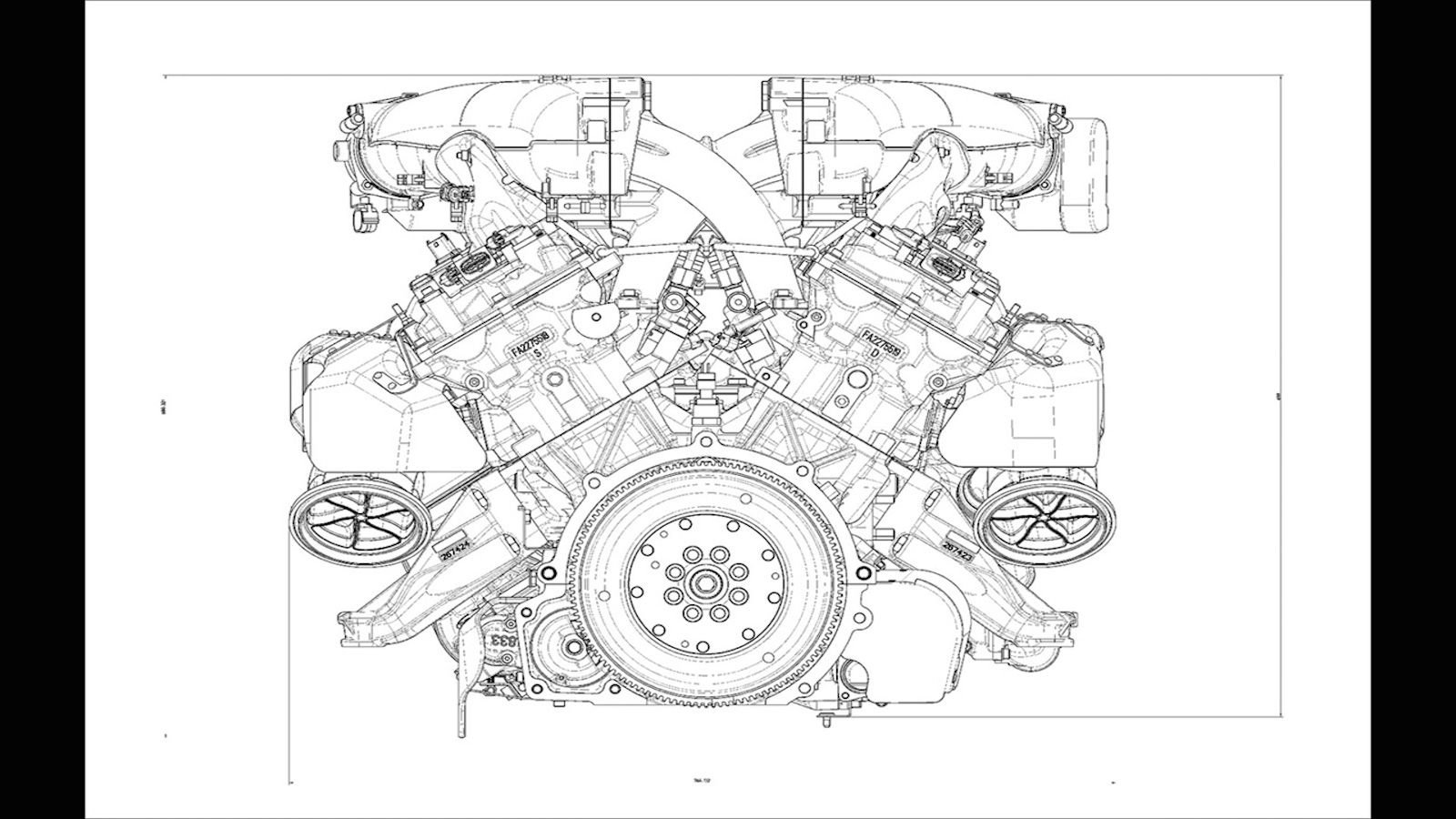
The fundamental difference lies in manufacturing tolerances and the precision of assembly. A stock engine is built within a range of acceptable tolerances specified by the manufacturer. This range allows for efficient mass production. While a stock engine is designed to be reliable and perform well within its intended operating parameters, there will always be slight variations between individual engines due to these tolerances. A blueprinted engine, conversely, narrows these tolerances down to their absolute minimum, often to zero deviation from the ideal specification. Every component is measured, adjusted, and matched to ensure it is as close to the engineering ideal as physically possible.
Performance and Consistency
A stock engine offers a predictable level of performance, but it may not always be consistent across cylinders or reach its theoretical maximum output due to internal inefficiencies caused by slight variations. A blueprinted engine strives for peak performance by eliminating these inefficiencies. It delivers consistent power output across all cylinders, operates with minimal vibration, and achieves its maximum potential for power, torque, and fuel efficiency. This consistency is not just about a higher number on a dynamometer; it’s about the engine’s ability to consistently deliver that power and operate smoothly throughout its RPM range.
Cost and Accessibility
Due to the intense labor, specialized measurement tools, and the highly skilled technicians required, blueprinted engines come at a significantly higher cost than their stock counterparts. They are not mass-produced but are custom-built to an incredibly high standard. While stock engines are universally accessible, blueprinted engines are a niche product, primarily for enthusiasts, professional racing teams, or specific industrial applications where the extreme benefits outweigh the substantial investment. It represents a deliberate choice to prioritize ultimate precision and performance over economic mass production.
aViewFromTheCave is a participant in the Amazon Services LLC Associates Program, an affiliate advertising program designed to provide a means for sites to earn advertising fees by advertising and linking to Amazon.com. Amazon, the Amazon logo, AmazonSupply, and the AmazonSupply logo are trademarks of Amazon.com, Inc. or its affiliates. As an Amazon Associate we earn affiliate commissions from qualifying purchases.