
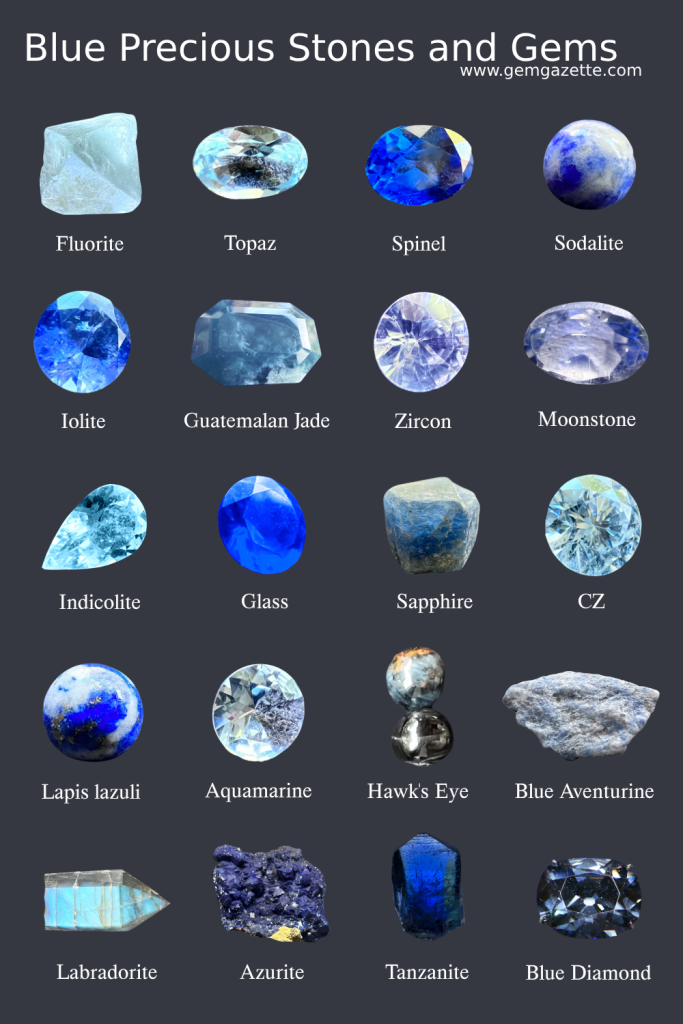
The world of gemstones is defined by an array of colors, but few evoke as much fascination and aesthetic demand as the color blue. When you ask, “What is a blue gem called,” the answer is rarely a single name. Instead, the jewelry and investment market offers a spectrum of blue stones, each carrying unique geological characteristics, rarity, and price points. From the regal, deep saturation of the sapphire to the ethereal glow of the aquamarine, understanding these stones requires a deep dive into the business of colored gemstones as an asset class.

The Sapphire: The Gold Standard of Blue Gemstones
In the realm of high-end jewelry and luxury investment, the sapphire remains the undisputed monarch of blue gems. Derived from the mineral corundum, a sapphire’s blue hue is the result of trace amounts of iron and titanium within the crystal structure. For investors and collectors, the sapphire represents a stable store of value, provided the stone meets specific quality criteria.
Understanding Quality and Provenance
When acquiring sapphires for an investment portfolio, provenance is paramount. Stones originating from Kashmir, Burma (Myanmar), or Sri Lanka (Ceylon) command significant premiums due to their historical significance and specific geological characteristics. A Kashmir sapphire, known for its “velvety” appearance—caused by tiny inclusions that scatter light—is considered the peak of blue gemstone value. Investors must look for stones that possess a vivid, medium-dark blue color without excessive gray or black undertones, which can diminish the asset’s liquidity and appraisal value.
The Trade-Off Between Heat and Natural State
A critical factor in the valuation of blue sapphires is thermal treatment. Most sapphires found on the market are heat-treated to improve their color and clarity. While this is an accepted industry practice for jewelry, an untreated, natural sapphire with high color saturation is a rare commodity. For those looking to allocate capital into tangible assets, “unheated” certificates from reputable laboratories like the GIA (Gemological Institute of America) or Gübelin are essential to verify the asset’s long-term worth.
Alternatives to Sapphire: Diversifying Your Gemstone Portfolio
While the sapphire dominates the conversation, a prudent investor understands that diversification is key to managing a gemstone portfolio. Several other blue stones offer unique market propositions, balancing aesthetic appeal with different entry-level price points and liquidity profiles.
Aquamarine: The Beryl Investment
Aquamarine, a member of the beryl family, offers a pale, sea-blue appearance that differs sharply from the deep intensity of a sapphire. Because aquamarines are generally more available than fine sapphires, they do not always function as high-yield investment vehicles. However, they serve a vital role in retail jewelry design and inventory-based business models. For businesses focused on the mid-market segment, aquamarine represents a high-turnover asset with steady consumer demand, making it an excellent choice for those looking to build cash flow through gemstone inventory.
Tanzanite: The Rarity Play
Discovered in the late 1960s in a very small area of Tanzania, Tanzanite is a single-source gemstone. This exclusivity is its greatest financial strength. Unlike sapphires, which are mined in various locations globally, the limited geographic supply of Tanzanite means that as the mines are depleted, the value of existing high-quality stones is expected to rise. Because it is much softer than a sapphire, it requires careful handling, but from a strategic sourcing perspective, it is a quintessential “niche” asset that can provide significant returns if purchased at the right price point.
Blue Topaz and Spinel: Strategic Market Positioning
Blue Topaz is often treated to reach its vibrant color, and while it is a beautiful, affordable option for jewelry, it carries very little investment weight. Conversely, blue spinel is an underrated gemstone that is increasingly catching the eye of sophisticated collectors. Spinel offers excellent hardness and, when found in a vivid blue, can mimic the look of fine sapphire at a lower cost per carat. For a business strategy focusing on arbitrage, identifying high-quality blue spinel can be a lucrative venture, as the market is currently undervalued compared to its more famous counterpart, the sapphire.
Financial Strategy: Managing Risk in the Gemstone Market
Investing in gemstones is fundamentally different from investing in stocks, bonds, or real estate. It is a tangible, illiquid asset class that requires specialized knowledge. To succeed in this market, one must treat gemstones not merely as beautiful objects, but as financial instruments that require rigorous due diligence.
The Importance of Grading and Certification
The most significant risk in the colored gemstone business is the information asymmetry between the buyer and the seller. To mitigate this, professional investors rely exclusively on independent, third-party certification. Never purchase a significant blue gemstone without a report from a top-tier laboratory. These reports detail the stone’s dimensions, weight, treatment history, and, most importantly, its geographic origin. Without this documentation, the asset is essentially a “blind” purchase, which drastically reduces its secondary market value.
Market Volatility and Long-Term Holding
Gemstones do not follow the day-to-day fluctuations of the equity markets. They are long-term holdings. The primary driver of value for blue gemstones is the interplay between supply constraints and the rising wealth of emerging markets. As high-net-worth individuals in regions like Asia and the Middle East continue to increase, the demand for rare, high-quality blue gems—particularly sapphires—is projected to remain strong. However, investors must be prepared to hold these assets for years, if not decades, to realize significant capital appreciation.
Liquidity Challenges
One must be realistic about liquidity. Unlike a liquid stock, a gemstone cannot be sold at the click of a button. It must be appraised, verified, and marketed to a specific buyer or auction house. Businesses that integrate gemstones into their broader financial strategy often do so by utilizing them as a store of value to hedge against currency inflation, rather than a short-term trading instrument. Maintaining a professional network of gemstone dealers and auction contacts is vital to ensuring that, when the time comes to divest, the asset can be moved through the proper channels to maximize recovery.

Conclusion: The Business of Blue
Answering the question “What is a blue gem called” opens the door to a complex ecosystem of trade, geology, and valuation. Whether one chooses the blue sapphire for its stature as a reliable store of wealth, or opts for the specialized scarcity of Tanzanite, the primary requirement for success remains the same: education.
For the modern investor or business owner, the colored gemstone market is not just about the beauty of the stone, but about the math behind the sparkle. By focusing on provenance, understanding the impact of treatments, and maintaining a disciplined approach to independent grading, one can effectively navigate this niche market. The “blue gem” is not just a piece of jewelry—it is a sophisticated, historical, and tangible asset that, when handled with professional rigor, offers a unique opportunity for portfolio diversification in an increasingly digital world.
aViewFromTheCave is a participant in the Amazon Services LLC Associates Program, an affiliate advertising program designed to provide a means for sites to earn advertising fees by advertising and linking to Amazon.com. Amazon, the Amazon logo, AmazonSupply, and the AmazonSupply logo are trademarks of Amazon.com, Inc. or its affiliates. As an Amazon Associate we earn affiliate commissions from qualifying purchases.