
When you inspect a high-quality piece of jewelry, whether it is a vintage ring, a modern chain, or an elegant set of cufflinks, you will often find a tiny, almost microscopic stamp: “925.” While it may seem like a simple manufacturer’s code to the untrained eye, this hallmark is a vital indicator of financial value, material composition, and asset durability. In the world of precious metals, 925 is the universal shorthand for sterling silver, and understanding its implications is essential for anyone looking to invest in jewelry or manage a collection of physical assets.
The Financial Definition of 925 Sterling Silver
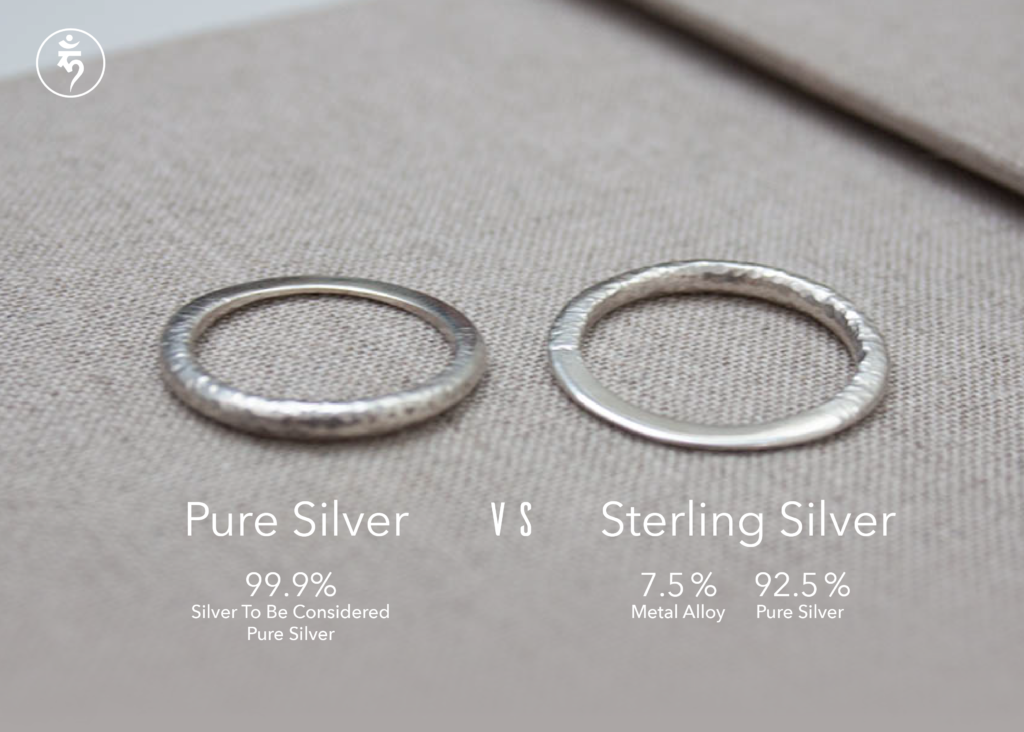
From a financial perspective, sterling silver is not merely a decorative choice; it is a commodity with a specific chemical composition that dictates its market price. The term “925” refers to the purity of the metal. Specifically, it signifies that the object is composed of 92.5% pure silver, with the remaining 7.5% consisting of other metals—usually copper.
Pure silver, also known as fine silver (99.9% purity), is incredibly soft and malleable. If jewelry were crafted entirely from fine silver, it would lose its shape, scratch easily, and bend under minimal pressure. By introducing the 7.5% alloy (the “sterling” standard), manufacturers create a metal that is significantly more durable, resistant to deformation, and suitable for the intricate work required in jewelry design. When you purchase 925 silver, you are purchasing an alloy that balances the intrinsic value of the precious metal with the structural integrity required for long-term ownership.
Silver as a Store of Value
For the personal finance enthusiast, silver is often viewed as the “everyman’s gold.” While it rarely reaches the price-per-ounce heights of its yellow counterpart, it is a highly liquid asset. Because the 925 hallmark is recognized globally, it serves as an assurance of standard purity. This liquidity is crucial for investors who utilize silver as a hedge against inflation or as a physical asset class. When you buy 925 sterling silver, you are acquiring a metal that can be easily liquidated at pawn shops, precious metal dealers, or specialized refineries because the chemical composition is standardized.
Understanding the Economics of Sterling Silver Pricing
When navigating the market for 925 silver, it is important to distinguish between the “spot price” of the metal and the “retail price” of the item. This distinction is where many novice buyers encounter confusion regarding the financial worth of their assets.
Spot Price vs. Retail Markup
The spot price is the current market value of one troy ounce of silver at 99.9% purity. Because 925 silver is only 92.5% pure, its “melt value” is theoretically slightly lower than the spot price of pure silver. However, when you walk into a jewelry store, you are rarely paying only for the metal. You are paying for the “artistic premium”—the labor, the design, the brand reputation, and the retail overhead.
If you are looking to invest in silver for financial gain, buying jewelry marked 925 is often considered a poor strategy due to this high retail markup. You are essentially paying 300% to 1000% above the spot price for a piece of jewelry that, if sold, would only fetch a fraction of its cost in scrap weight. Conversely, if you are purchasing 925 silver as a tangible asset to hold for personal utility and potential future resale, understanding that the value is rooted in the silver content rather than the brand name is the key to maintaining a healthy portfolio.

The Role of Market Fluctuations
Like any other precious metal, silver is subject to market volatility. Investors must monitor global industrial demand, as silver is not just for jewelry—it is a critical component in solar panels, electronics, and medical equipment. The 925 hallmark serves as a guarantee that you are holding a recognized industrial commodity. During periods of economic uncertainty, physical silver acts as a tangible asset that retains value where paper currencies may fluctuate. Holding 925 silver is essentially holding a fractional piece of the global silver market.
How to Verify 925 Authenticity to Protect Your Investment
In the marketplace, counterfeit goods are a significant financial risk. Because “925” is a stamp that is easy to replicate, predatory sellers often mark base-metal jewelry—such as nickel or brass coated in a thin layer of silver—with the 925 hallmark. Protecting your capital requires a basic understanding of how to verify the legitimacy of your silver assets.
Professional Verification Methods
- The Magnet Test: Silver is a non-magnetic metal. If you place a strong magnet near your piece and it sticks, it is not sterling silver. However, be aware that this only clears out certain base metals; it does not confirm the silver content itself.
- Density and Weight: Experienced investors use a jeweler’s scale to determine the density. If a piece feels remarkably light for its size, it is likely hollow or composed of a less dense base metal.
- Acid Testing: This is the most accurate way to verify the purity of your silver. Professional kits use nitric acid to test the reaction of the metal. If the metal turns the correct color when exposed to the acid, it confirms the 925 composition. This is a common practice for those buying bulk jewelry or “scrap” silver for investment purposes.
The Importance of Hallmarks
Beyond the 925 stamp, authentic pieces often include a maker’s mark or an assay office stamp. These are small symbols that identify where and by whom the piece was crafted. In the context of asset collection, a reputable hallmark can increase the value of a piece beyond the raw metal content. Investors should always look for the combination of the purity mark (925) and a maker’s mark to ensure they are acquiring a legitimate product rather than a “fashion jewelry” item that is simply plated.
The Long-Term Financial Outlook for Sterling Silver
If you are incorporating 925 sterling silver into your personal finance strategy, it is useful to view it as a long-term “defensive” asset. While it is unlikely to generate the explosive returns of high-growth stocks, it provides a layer of physical security that digital assets cannot replicate.
Sterling Silver in a Diversified Portfolio
Diversification is the cornerstone of robust financial planning. Including precious metals in your portfolio acts as a stabilizer. While 925 silver is not as dense or valuable as gold, its lower price point makes it an accessible entry-level investment for those beginning their journey into tangible assets. You can acquire silver incrementally, building a “silver stack” that functions as a personal reserve fund.

Maintenance and Value Retention
Unlike some investments that are “set and forget,” sterling silver requires maintenance. Because the 7.5% alloy (the copper content) reacts with sulfur in the air, 925 silver will naturally tarnish over time. While tarnish does not reduce the silver content, it can affect the marketability of the item. Proper storage—using anti-tarnish cloths or airtight containers—is a form of asset management. By preventing oxidation, you preserve the aesthetic condition of your jewelry, ensuring that it retains its appeal to future buyers.
In summary, the number 925 is far more than a simple mark of quality; it is a financial signal. It communicates the precise composition of an asset that has been trusted as a store of value for centuries. Whether you are an enthusiast purchasing jewelry for its beauty or an investor looking to diversify into tangible precious metals, understanding the economics of sterling silver—from the realities of retail markups to the importance of authenticating your purchases—will allow you to make informed financial decisions. Treat your 925 silver as a legitimate, albeit niche, component of your broader financial architecture, and it will serve as both an aesthetic treasure and a reliable, portable store of wealth.
aViewFromTheCave is a participant in the Amazon Services LLC Associates Program, an affiliate advertising program designed to provide a means for sites to earn advertising fees by advertising and linking to Amazon.com. Amazon, the Amazon logo, AmazonSupply, and the AmazonSupply logo are trademarks of Amazon.com, Inc. or its affiliates. As an Amazon Associate we earn affiliate commissions from qualifying purchases.