
In the traditional sense, a mine is a site of physical extraction, where heavy machinery pulls precious metals or minerals from the earth. However, in the digital age, the concept of a “mine” has undergone a radical technological transformation. A Bitcoin mine is not a subterranean cavern, but a sophisticated data center—a high-tech facility filled with specialized computing hardware dedicated to securing the world’s first decentralized ledger.
At its core, a Bitcoin mine is the heartbeat of the blockchain. It is the physical layer of a global network that ensures transactions are processed, verified, and recorded without the need for a central authority. To understand what a Bitcoin mine is, one must look past the financial speculation and examine the complex interplay of hardware engineering, cryptographic software, and industrial-scale infrastructure.
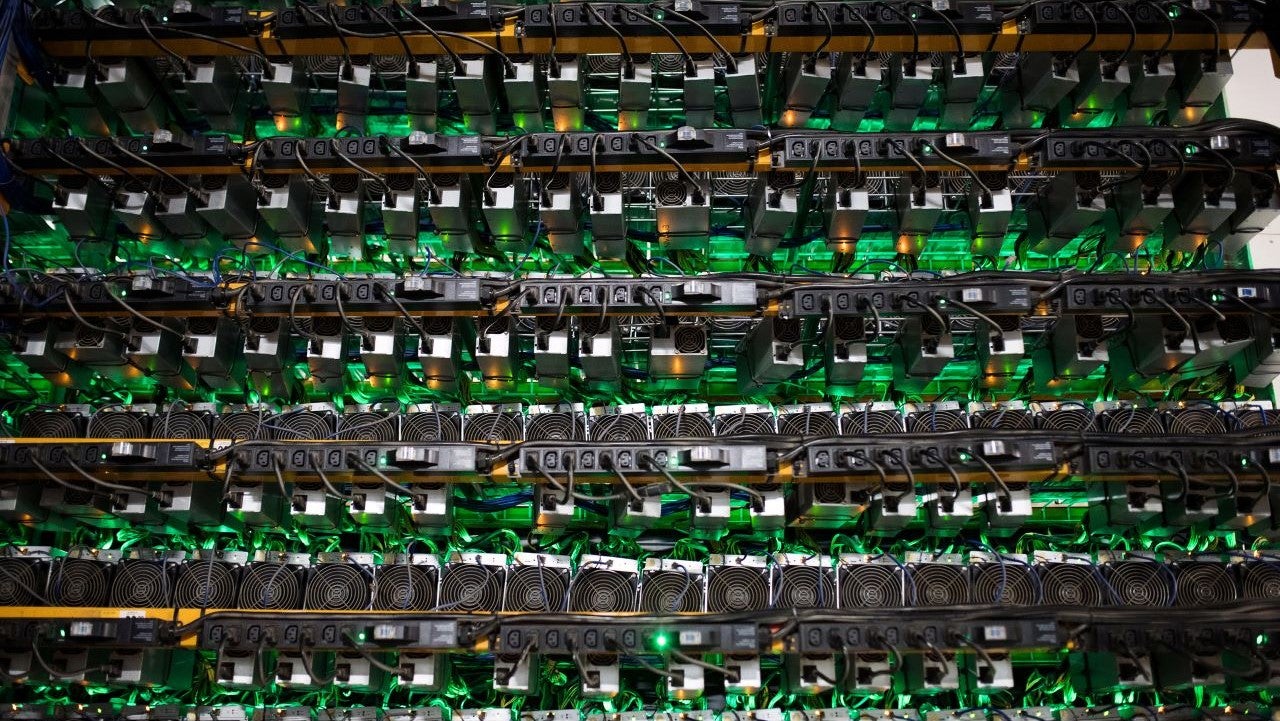
The Anatomy of a Bitcoin Mining Operation
Unlike a standard server farm that might host websites or cloud storage, a Bitcoin mine is designed for a singular, hyper-specific purpose: executing the SHA-256 cryptographic hashing algorithm at the highest possible frequency. This requirement has led to a unique hardware evolution.
Specialized Hardware: The Rise of ASIC Miners
In the early days of Bitcoin, mining could be performed using a standard desktop computer’s Central Processing Unit (CPU). As the network grew and the computational difficulty increased, the tech moved to Graphics Processing Units (GPUs). Today, however, professional Bitcoin mines utilize Application-Specific Integrated Circuits (ASICs).
An ASIC is a chip designed for one task and one task only. In this case, it is built to calculate trillions of hashes per second. These machines, such as those produced by Bitmain or MicroBT, are far more efficient than any general-purpose computer. A modern Bitcoin mine contains thousands of these units, stacked in high-density racks, working in unison to provide “hashing power” to the network.
The Role of Hashing Algorithms and SHA-256
The “work” performed in a Bitcoin mine is centered around SHA-256 (Secure Hash Algorithm 256-bit). This is a cryptographic hash function that takes an input of any size and produces a fixed-size 256-bit string. The technology is designed to be a one-way street; it is computationally easy to generate a hash from data, but virtually impossible to determine the original data from a hash.
Miners are essentially engaged in a high-speed digital lottery. They take the data from pending transactions, add a random number called a “nonce,” and run it through the SHA-256 algorithm. The goal is to produce a hash that starts with a specific number of zeros. The first miner to find this hash wins the right to add the next block to the blockchain.
How Mining Works: From Data Centers to the Blockchain
A Bitcoin mine acts as the processing hub for the network. It is where the abstract rules of the Bitcoin protocol meet the raw power of electricity and silicon. This process is governed by a mechanism known as Proof-of-Work (PoW).
The Proof-of-Work Consensus Mechanism
Proof-of-Work is the technological foundation that prevents double-spending and secures the network against attacks. In a decentralized system, you cannot “trust” a central party to say which transactions are valid. Instead, the network trusts the laws of physics and mathematics.
By requiring miners to expend significant computational energy (the “work”), the protocol ensures that altering the ledger would require an impossible amount of computing power. A Bitcoin mine is, in effect, a security provider. The collective “hash rate”—the total computational power of all mines—creates a wall of energy that makes the blockchain immutable.
Blocks, Nonces, and the Cryptographic Puzzle
Inside the mine, the software manages a “mempool,” a holding area for unconfirmed transactions. The mining software selects these transactions and organizes them into a candidate block. To finalize this block, the hardware must solve the cryptographic puzzle.
This involves iterating through millions of nonces (number used once) per second. When an ASIC finds a hash that meets the network’s current “difficulty” target, it broadcasts the solution to the rest of the network. Other nodes can instantly verify that the work was done using a simple calculation, and the new block is appended to the chain. This technological synchronization happens globally every ten minutes on average.
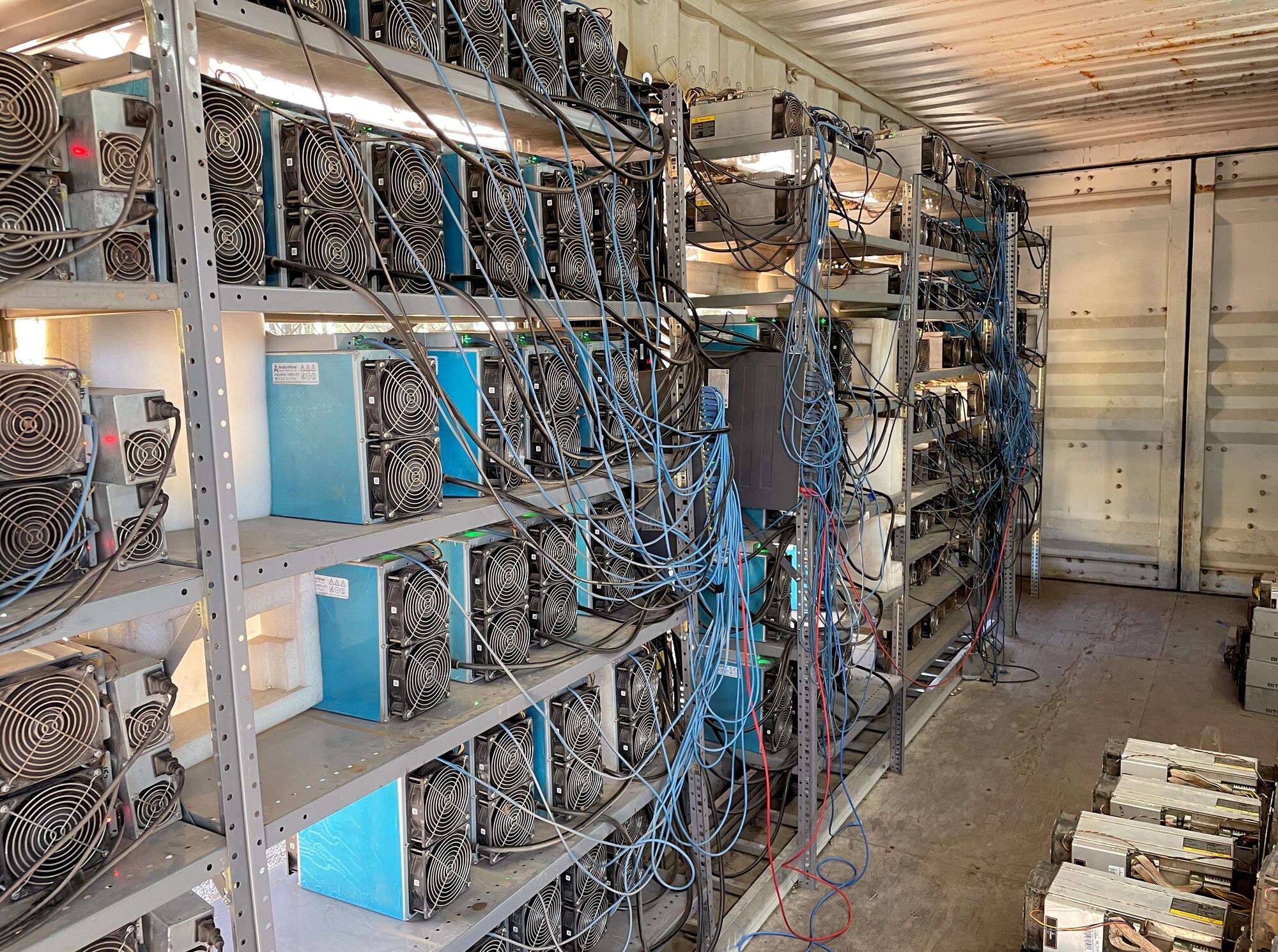
The Evolution of Mining Infrastructure: From CPUs to Industrial Facilities
The physical environment of a Bitcoin mine has evolved from hobbyist garages to massive industrial complexes. Because the hardware generates immense heat and requires constant uptime, the engineering requirements for these facilities are among the most demanding in the tech industry.
Mining Pools and Distributed Computing
Rarely does a single machine in a mine find a block on its own. To ensure a steady output, most mines participate in “mining pools.” This is a software-coordinated effort where thousands of miners across the globe combine their hash rate.
The pool’s server distributes “work” to each individual machine. When any machine in the pool solves a block, the rewards are distributed among all participants based on the amount of computational power they contributed. This represents a triumph of distributed computing, allowing geographically dispersed hardware to act as a single logical entity.
Industrial-Scale Mining Centers: Cooling and Power
The primary technological challenge of a Bitcoin mine is heat dissipation. ASICs convert almost 100% of their electrical intake into heat. Modern mines employ advanced cooling technologies to maintain hardware longevity:
- Air Cooling: High-velocity fans and “hot-aisle/cold-aisle” containment systems move massive volumes of air through the machines.
- Immersion Cooling: Some of the most cutting-edge mines submerge their hardware in a specialized non-conductive dielectric fluid. This fluid carries heat away more efficiently than air, allowing for higher clock speeds (overclocking) and reduced hardware failure rates.
Furthermore, the power infrastructure of a mine is a feat of electrical engineering. These facilities often sit directly next to power substations, utilizing high-voltage transformers to feed the thousands of power supply units (PSUs) required to keep the ASICs running 24/7.
The Technological Challenges of Modern Mining
As the Bitcoin network matures, the technology within the mines must adapt to increasing competition and environmental scrutiny. The “Difficulty Adjustment” is a key piece of software logic that ensures the network remains stable regardless of how many mines are active.
Difficulty Adjustments and Network Security
Every 2,016 blocks (approximately every two weeks), the Bitcoin protocol automatically adjusts how hard the cryptographic puzzle is. If more mines join the network and the hash rate increases, the difficulty goes up. If mines shut down, the difficulty goes down.
This elegant piece of code ensures that blocks are produced consistently every ten minutes. From a tech perspective, this is a self-regulating system that makes the Bitcoin mine a uniquely dynamic infrastructure. Unlike a traditional data center that scales based on user demand, a Bitcoin mine scales based on the global competitive landscape of the network itself.
Energy Efficiency and the Green Transition
The future of Bitcoin mining technology is increasingly focused on energy efficiency. Hardware manufacturers are locked in a race to shrink the nanometer (nm) size of the transistors on ASIC chips. Smaller transistors (moving from 7nm to 5nm and even 3nm) allow for more calculations per watt of electricity.
Additionally, the “mine” is becoming a tool for grid stabilization. Because Bitcoin mines can be throttled up or down almost instantly, they are being integrated into power grids to soak up “curtailed” energy—excess electricity produced by wind or solar farms that would otherwise go to waste. This allows the mine to act as a “virtual battery,” using high-tech software to balance the load on modern electrical grids.
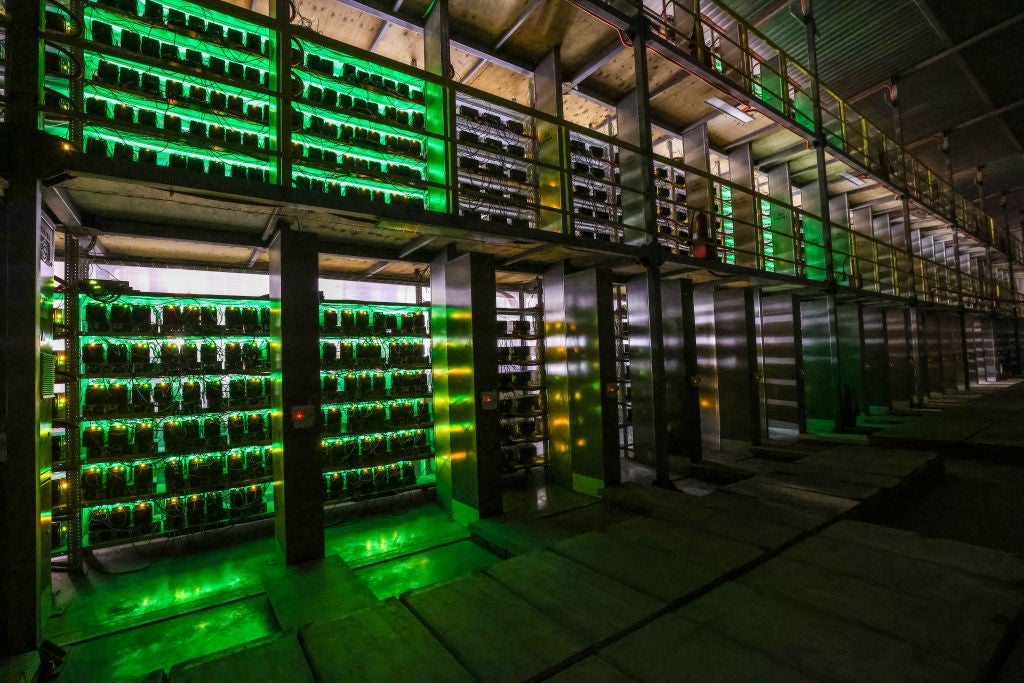
Conclusion: The Mine as the Anchor of the Digital Age
A Bitcoin mine is far more than a collection of computers. It is a sophisticated technological response to the problem of digital trust. By combining specialized ASIC hardware, cryptographic hashing algorithms, and industrial-scale thermal management, these facilities provide the computational backbone for a global, borderless financial system.
As we look forward, the technology within the Bitcoin mine will continue to push the boundaries of chip design and energy integration. Whether it is through the adoption of immersion cooling or the development of more efficient semiconductors, the Bitcoin mine remains the essential bridge between the physical world of energy and the digital world of secure, decentralized data. It is the ultimate expression of how software and hardware can work in harmony to create a system that is transparent, immutable, and entirely autonomous.
aViewFromTheCave is a participant in the Amazon Services LLC Associates Program, an affiliate advertising program designed to provide a means for sites to earn advertising fees by advertising and linking to Amazon.com. Amazon, the Amazon logo, AmazonSupply, and the AmazonSupply logo are trademarks of Amazon.com, Inc. or its affiliates. As an Amazon Associate we earn affiliate commissions from qualifying purchases.