
In the dynamic world of medicine, where scientific breakthroughs constantly redefine possibilities, biological products stand at the forefront of innovation. Unlike traditional small-molecule drugs synthesized through chemical processes, biologics are complex therapeutic agents derived from living organisms, including vaccines, gene therapies, cell therapies, and therapeutic proteins. Bringing these sophisticated treatments to patients requires a rigorous and meticulous process, culminating in what is known as a Biologics License Application (BLA). Far more than a mere formality, a BLA is a comprehensive dossier submitted to regulatory authorities like the U.S. Food and Drug Administration (FDA) to demonstrate a biologic’s safety, purity, and potency. It represents the culmination of years, often decades, of research, billions of dollars in investment, and the unwavering dedication of countless scientists and professionals. In essence, the BLA is the ultimate gatekeeper, ensuring that these life-changing therapies are not only effective but also safe for public use, profoundly impacting public health, technological advancement, corporate branding, and financial markets.
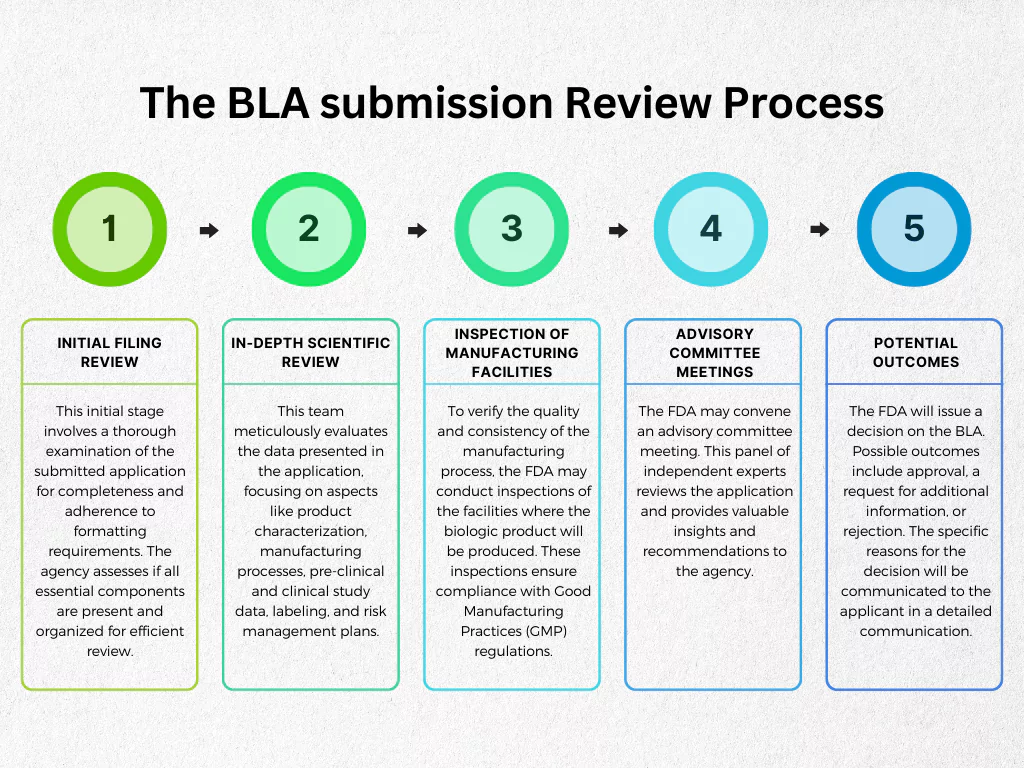
The Core of a Biologics License Application: Ensuring Safety, Purity, and Potency
At its heart, the Biologics License Application is an exhaustive regulatory submission designed to prove that a biological product meets the highest standards for patient care. This rigorous assessment is critical due to the inherent complexity and variability of biologics compared to their small-molecule counterparts. Their manufacturing often involves living systems, making quality control a continuous and intricate challenge. The FDA’s mandate for “safety, purity, and potency” directly addresses these complexities, ensuring that each dose a patient receives is consistent, effective, and free from harmful contaminants.
Unpacking the “Biologic”
To appreciate the BLA, one must first understand the nature of a biologic. These products are often large, complex molecules, ranging from antibodies used in cancer treatment to insulin, growth hormones, and cutting-edge gene and cell therapies. Unlike chemically synthesized drugs, which have a defined chemical structure that can be precisely replicated, biologics are produced through biological processes, such as recombinant DNA technology or cell culture. This means they can be highly sensitive to manufacturing conditions, leading to potential variations in their structure, function, and stability.
For instance, a monoclonal antibody, a common type of biologic, is designed to target specific proteins in the body. Its efficacy depends on its precise three-dimensional structure and glycosylation patterns. Any deviation in these aspects during manufacturing could alter its binding affinity, stability, or even trigger an unwanted immune response in patients. Similarly, gene therapies, which introduce genetic material into a patient’s cells, require meticulous control over viral vectors and cell lines to ensure the correct gene delivery without off-target effects or immune reactions. The BLA meticulously details every aspect of a biologic, from the source materials and cell banks to the final formulation, to account for and control this inherent variability.
The Rigorous Journey from Lab to Market
The pathway to a successful BLA is a long and arduous one, beginning long before the application itself is assembled. It starts with fundamental scientific research, identifying potential therapeutic targets and developing innovative biological molecules. This journey can be broadly categorized into several critical phases, each generating data that will eventually form the backbone of the BLA.
-
Pre-clinical Development: This initial phase involves extensive laboratory and animal studies to understand the biologic’s mechanism of action, evaluate its potential toxicity, and gather preliminary data on its efficacy. Researchers test different doses, routes of administration, and potential side effects in controlled environments. The goal is to determine if the biologic is safe enough to be tested in humans and to identify the most promising candidates for further development. Data on pharmacokinetics (how the body affects the drug) and pharmacodynamics (how the drug affects the body) are also crucial here.
-
Clinical Trials (Phases I, II, III): If pre-clinical results are promising, the biologic progresses to human clinical trials, which are meticulously designed and executed to assess safety and efficacy in patients.
- Phase I: Typically involves a small group of healthy volunteers or patients with the target disease to evaluate initial safety, dosage range, and identify common side effects.
- Phase II: Expands to a larger group of patients to further evaluate safety, assess preliminary efficacy, and determine optimal dosing regimens.
- Phase III: The most extensive and expensive phase, involving hundreds to thousands of patients. These large-scale, often randomized, placebo-controlled trials compare the biologic to existing treatments or a placebo to confirm its efficacy and monitor for rare or long-term side effects. It is the data from Phase III trials that often weighs most heavily in a BLA submission.
-
Manufacturing and Controls (CMC): Perhaps one of the most complex sections of a BLA for biologics is the Chemistry, Manufacturing, and Controls (CMC) information. This section provides detailed documentation on every aspect of the manufacturing process, from raw material sourcing and quality control to facility design, equipment calibration, batch consistency, stability testing, and the final packaging and labeling. Companies must demonstrate robust quality assurance systems, adherence to Good Manufacturing Practices (GMPs), and the ability to consistently produce a high-quality product at scale. Any slight change in the manufacturing process can potentially alter the biologic, requiring comparability studies to ensure consistency.
-
Labeling and Post-market Surveillance Plans: The BLA also includes proposed labeling for the product, outlining its approved uses, dosages, warnings, and potential side effects. Furthermore, companies must detail their plans for post-market surveillance (Phase IV studies), which involve monitoring the biologic’s long-term safety and efficacy once it is approved and available to the general public. This continuous monitoring helps detect rare side effects or long-term complications that may not have been apparent during clinical trials.
The sheer volume of data, the complexity of the scientific and manufacturing processes, and the critical importance of patient safety make the BLA process one of the most demanding regulatory hurdles in any industry.
Navigating the BLA Landscape with Technology and Data (Tech Focus)

The increasing complexity of biologics, coupled with the vast amounts of data generated during their development, has made technology an indispensable ally in the BLA journey. From managing colossal datasets to enhancing the efficiency of submissions and even accelerating scientific discovery, technological advancements are reshaping how biopharmaceutical companies approach regulatory approval. The intersection of biotech innovation and digital tools is not just facilitating compliance; it’s driving the next generation of therapies.
Digital Transformation in Regulatory Submissions
The regulatory landscape itself has undergone a significant digital transformation. Historically, BLAs involved submitting countless binders of paper documentation, a logistical nightmare prone to errors and delays. Today, electronic submissions are the standard, primarily through the electronic Common Technical Document (eCTD) format.
- eCTD and Regulatory Information Management Systems (RIMS): The eCTD streamlines the submission process, allowing regulatory agencies to efficiently review vast amounts of data. Companies leverage sophisticated Regulatory Information Management Systems (RIMS) to manage, organize, and submit their BLA documents in the required eCTD format. These systems centralize data, automate document generation, track submission timelines, and ensure compliance across different regulatory jurisdictions, significantly reducing the manual burden and potential for human error.
- AI and Machine Learning for Data Analysis: The volume of data generated during pre-clinical and clinical trials for a biologic can be staggering – genetic sequencing data, protein analytics, imaging results, patient medical records, and more. Artificial intelligence (AI) and machine learning (ML) algorithms are increasingly being employed to analyze this big data. AI can identify patterns in patient responses, predict potential adverse events, optimize clinical trial design, and even flag inconsistencies in manufacturing data that might otherwise be missed. This capability not only enhances the quality of the BLA but also accelerates the interpretation of complex biological information.
- Cloud Computing and Collaborative Platforms: Developing a biologic is a global, collaborative effort involving multiple research sites, contract manufacturing organizations (CMOs), and regulatory consultants. Cloud computing platforms provide the necessary infrastructure for secure storage, sharing, and real-time collaboration on BLA documents and supporting data. These platforms ensure data integrity, version control, and accessibility for all stakeholders, regardless of their geographical location, thus expediting the compilation of the BLA.
Driving Innovation: AI, Biotech, and the Future of Biologics
Beyond the submission process, technology is fundamentally changing the way biologics are discovered, developed, and manufactured, directly impacting the content and success rate of future BLAs.
- AI in Drug Discovery and Design: AI is revolutionizing early-stage drug discovery by rapidly analyzing vast chemical and biological databases to identify potential therapeutic targets and design novel biologic molecules. This accelerates the process of identifying lead candidates, optimizing their properties, and predicting their potential efficacy and toxicity even before laboratory synthesis, leading to more robust molecules entering the development pipeline.
- Personalized Medicine and Advanced Analytics: The future of biologics heavily leans towards personalized medicine, where treatments are tailored to an individual’s genetic makeup. Advanced analytics, fueled by genomic sequencing and real-world evidence (RWE), allows for a deeper understanding of patient heterogeneity. BLAs for personalized biologics will increasingly rely on sophisticated bioinformatics and data science to demonstrate efficacy in specific patient populations, requiring new approaches to trial design and data presentation.
- Advanced Manufacturing Technologies: The production of biologics is evolving with technologies such as continuous manufacturing, advanced bioreactor designs, and process analytical technology (PAT). These innovations promise to increase efficiency, reduce costs, and, critically, enhance product consistency and quality – all vital components of a strong CMC section in a BLA.
- Cybersecurity for IP and Patient Data: As BLAs become entirely digital and involve highly valuable intellectual property (IP) and sensitive patient data, robust cybersecurity measures are paramount. Protecting proprietary manufacturing processes, clinical trial results, and patient information from breaches is not just a matter of corporate responsibility; it’s a regulatory expectation. A data breach could compromise the integrity of a BLA submission, damage a company’s reputation, and incur severe legal and financial penalties.
The Strategic Imperative: Brand, Market Access, and Financial Impact (Brand & Money Focus)
A Biologics License Application is not merely a scientific and regulatory hurdle; it’s a pivotal business event with profound implications for a company’s brand, market strategy, and financial health. The journey through the BLA process is fraught with risks and rewards, shaping investor confidence, market positioning, and ultimately, the profitability of innovative therapies.
Building Trust and Reputation Through Regulatory Success
For biopharmaceutical companies, securing a BLA approval from a reputable agency like the FDA is an unparalleled endorsement. It signifies that the product has met the highest global standards for safety, purity, and potency, instilling confidence across multiple stakeholders.
- Patient Confidence: For patients and healthcare providers, an approved biologic represents a vetted, trustworthy treatment option. This trust is foundational to adoption and adherence, directly impacting patient outcomes and market penetration. A company’s brand is inextricably linked to the perceived efficacy and safety of its products. A successful BLA bolsters this brand, while a rejection or significant delays can severely damage it.
- Investor Confidence and Corporate Reputation: The financial markets keenly watch BLA outcomes. A positive approval can trigger a significant surge in stock price, reflecting increased investor confidence in the company’s R&D pipeline and its ability to bring innovative products to market. Conversely, a “Complete Response Letter” (a rejection with requests for more data) can lead to sharp stock declines and erode shareholder trust. A track record of successful BLAs builds a strong corporate identity as an innovator and a reliable provider of cutting-edge therapies. This reputation attracts top talent, facilitates partnerships, and enhances overall brand equity.
- Competitive Edge and Market Leadership: Being among the first to receive BLA approval for a novel biologic in a therapeutic area often confers a significant first-mover advantage. This allows companies to establish market leadership, define treatment paradigms, and capture substantial market share before competitors can enter the fray. This strategic positioning is a critical component of brand differentiation in a crowded pharmaceutical landscape.
- Intellectual Property (IP) as a Brand Foundation: The BLA process is intrinsically linked to intellectual property protection. Patents covering the biologic molecule, manufacturing processes, and specific uses provide exclusivity and are essential for a company to recoup its massive R&D investments. This IP forms the legal bedrock of the biologic’s brand, protecting its uniqueness and commercial value in the market. A robust IP portfolio, validated through BLA approval, is a powerful asset that underpins the company’s long-term financial viability and brand strength.

The Billion-Dollar Gateway: Financing Innovation and Market Returns
The development of a new biologic is one of the most capital-intensive undertakings in any industry. Estimates for bringing a new drug to market often exceed $2 billion, with many biologics costing even more. The BLA, therefore, serves as the critical gateway to realizing a return on these enormous investments.
- R&D Costs and Investment Cycles: Biopharmaceutical companies operate on long investment cycles, with significant capital deployed over a decade or more before a product generates revenue. Funding often comes from venture capital, public offerings, and partnerships, all of which are contingent on the perceived likelihood of regulatory success. The BLA represents the ultimate validation point for these investments.
- Market Access and Revenue Generation: Approval means market access, which translates directly into potential revenue streams. The sales of a successful biologic can generate billions of dollars annually, enabling companies to reinvest in new research, fund further development, and reward shareholders. The size of the addressable market, the pricing strategy, and the ability to secure favorable reimbursement from payers are all critical financial considerations once a BLA is approved.
- Financial Risk Management: The BLA process is inherently high-risk. A significant percentage of biologics entering clinical trials never make it to market. Each phase of development carries the risk of failure, which can result in the loss of hundreds of millions, if not billions, of dollars. Companies employ sophisticated financial modeling and risk management strategies to assess the probability of BLA success and manage their R&D portfolios accordingly. Diversification of pipeline and strategic partnerships are common tactics to mitigate this colossal financial exposure.
- Economic Impact and Pricing Strategy: The successful development and approval of biologics have a broader economic impact, creating high-value jobs, fostering innovation ecosystems, and contributing significantly to national GDP. However, the high cost of development often leads to high prices for biologics, raising questions about accessibility and affordability. Companies must navigate complex pricing and reimbursement strategies, engaging with governments, insurance providers, and patient advocacy groups to ensure market uptake while justifying the significant value and cost of their innovative therapies. This delicate balance directly impacts the commercial success and financial viability of the approved biologic.
In conclusion, the Biologics License Application is a monument to scientific rigor, technological prowess, strategic business acumen, and financial resilience. It represents the ultimate regulatory gauntlet for advanced medical therapies, ensuring that the innovations born in laboratories safely reach the patients who desperately need them. As technology continues to evolve, influencing everything from drug discovery to data analytics and manufacturing, and as market dynamics become increasingly competitive, the BLA will remain the critical fulcrum upon which the future of medicine, corporate success, and patient well-being balances.
aViewFromTheCave is a participant in the Amazon Services LLC Associates Program, an affiliate advertising program designed to provide a means for sites to earn advertising fees by advertising and linking to Amazon.com. Amazon, the Amazon logo, AmazonSupply, and the AmazonSupply logo are trademarks of Amazon.com, Inc. or its affiliates. As an Amazon Associate we earn affiliate commissions from qualifying purchases.